The relationship between young voters and the Democratic Party has reached a critical inflection point. Recent polling data and electoral outcomes reveal a striking pattern: younger Americans, particularly those in Generation Z and younger Millennials, are distancing themselves from the Democratic establishment at unprecedented rates. This shift represents more than typical political realignment; it signals a fundamental transformation in how emerging generations view partisan politics, policy priorities, and institutional credibility.
The Data Behind the Demographic Shift
Understanding why young voters are leaving Democrats requires examining concrete evidence from multiple sources. A Gallup poll reveals that 45% of Americans now identify as independents, with younger generations leading this rejection of traditional party affiliations. This trend indicates profound discontent with both major parties, but the Democratic Party faces particular challenges among demographics they once dominated.
Generational Breakdown of Party Affiliation
The numbers paint a compelling picture of generational divergence:
| Age Group | Independent ID | Democratic ID | Republican ID |
|---|---|---|---|
| 18-29 | 52% | 31% | 17% |
| 30-44 | 48% | 29% | 23% |
| 45-64 | 42% | 28% | 30% |
| 65+ | 38% | 34% | 28% |
Young voters demonstrate the highest independent identification rates, suggesting institutional skepticism rather than simple ideological shift. Pew Research Center’s analysis confirms that younger voters are considerably more likely than older voters to opt out of direct party identification.

Economic Anxiety and Policy Disappointment
One primary reason why young voters are leaving Democrats centers on economic policy and outcomes. Generation Z entered adulthood during unprecedented economic turbulence: the COVID-19 pandemic, historic inflation, astronomical student debt, and an increasingly unaffordable housing market.
Many young voters feel Democratic economic policies failed to deliver tangible improvements to their financial situations. Despite campaign promises around student loan forgiveness, affordable housing initiatives, and living wage legislation, younger Americans continue struggling with:
- Student debt burdens averaging $37,000 per borrower
- Housing costs consuming 40-50% of income in major metropolitan areas
- Entry-level wage stagnation failing to match inflation rates
- Limited upward mobility compared to previous generations
The disconnect between Democratic messaging and lived economic reality has created credibility gaps. When political discourse increasingly happens on platforms like TikTok, where authenticity and immediate engagement matter, policy failures become amplified and institutional explanations feel hollow.
The 2024 Election as Turning Point
Research from Harvard’s Ash Center for Democratic Governance and Innovation examined the surprising surge of support President Trump received from Gen Z voters in the 2024 election. This analysis highlighted three critical factors: direct support for Trump's messaging, dissatisfaction with Democratic candidates and policies, and broader loss of faith in governmental institutions.
The 2024 results forced Democratic leaders to confront uncomfortable realities about their relationship with young voters. Following the Democratic Party’s significant loss, a new wave of young Democratic leaders began pushing for comprehensive rebranding and generational change in leadership.
Generational Leadership Crisis
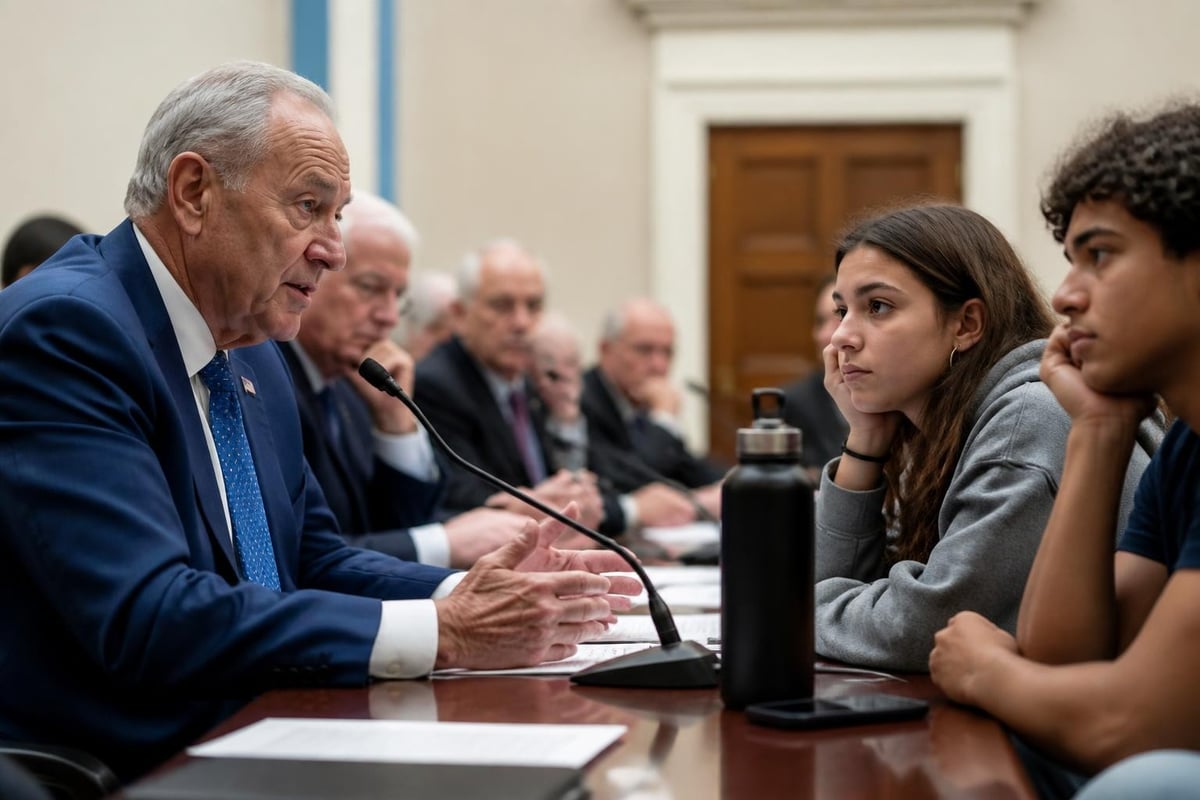
Another crucial element explaining why young voters are leaving Democrats involves the party's aging leadership structure. The contrast between Democratic rhetoric about representing the future and their gerontocratic leadership has not gone unnoticed by younger constituents.
Average age of Democratic congressional leadership: 72 years
Median age of Democratic primary voters under 35: 28 years
This 44-year gap creates profound disconnects in priorities, communication styles, and policy urgency. Young voters increasingly view Democratic leadership as out of touch with their immediate concerns, from climate change to digital privacy to criminal justice reform.
The Youth Rebellion Within the Party
A growing rebellion among young Democrats is reshaping the party landscape as progressive youth organizations voice increasing dissatisfaction with the Democratic establishment's preference for older leaders. This internal conflict manifests through:
- Primary challenges against longtime incumbents
- Grassroots organizing outside traditional party structures
- Alternative fundraising through small-dollar donations
- Direct action rather than institutional lobbying
- Digital-first communication bypassing legacy media
Evan Turnage’s primary challenge against long-time Representative Bennie Thompson in Mississippi exemplifies this broader movement of younger Democrats seeking to reshape the party post-2024. At 33, Turnage represents a generation demanding seats at the decision-making table, not just volunteer opportunities.
Social Media and Information Ecosystems
The role of digital platforms in explaining why young voters are leaving Democrats cannot be overstated. Generation Z consumes political information fundamentally differently than previous generations, creating challenges for traditional Democratic communication strategies.
Platform-Specific Political Engagement
Young voters encounter political messaging across fragmented digital ecosystems:
| Platform | Primary Age Demo | Engagement Style | Political Lean |
|---|---|---|---|
| TikTok | 18-24 | Short-form video | Mixed/Independent |
| 18-34 | Visual stories | Center-left | |
| YouTube | 18-44 | Long-form content | Varied |
| X/Twitter | 25-44 | Text debate | Polarized |
Democratic messaging often fails to resonate in these spaces because it feels produced, scripted, and inauthentic. Meanwhile, alternative voices-from independent commentators to conservative influencers-have mastered platform-native communication styles that feel genuine and unfiltered.
The Democratic Party's slower adaptation to digital-first politics has created information voids filled by competitors. When young voters seek answers about immigration policy or political corruption, they increasingly find compelling conservative or independent content before encountering Democratic perspectives.
Identity Politics Fatigue
While identity-focused politics energized many young voters initially, a subset now experiences what some describe as "identity politics fatigue." This represents another dimension of why young voters are leaving Democrats, particularly among economically struggling young people who feel class issues receive insufficient attention.
The perception that Democrats prioritize symbolic representation over material improvements has alienated some working-class young voters across racial and ethnic backgrounds. This doesn't mean abandoning commitments to equality and justice, but rather questioning whether current Democratic approaches effectively advance those goals.
Young voters facing economic precarity sometimes view extended debates about representation in corporate boardrooms or entertainment media as disconnected from their immediate struggles with rent, healthcare costs, and job security. This creates space for alternative political movements emphasizing economic populism over identity categories.
Foreign Policy Disillusionment
Younger generations also express significant disagreement with Democratic foreign policy positions, particularly regarding military interventions, defense spending, and international conflicts. Generation Z shows markedly different attitudes toward American military engagement than older Democrats who came of age during the Cold War.
Issues driving foreign policy-based alienation include:
- Military spending priorities versus domestic investment
- Surveillance and civil liberties concerns
- Climate change as national security priority
- International cooperation approaches
- Regional conflicts and military intervention
U.S. Presidential Report’s coverage of foreign policy demonstrates how these issues intersect with broader questions about American governance and priorities. Young voters increasingly question whether Democratic foreign policy truly reflects their values or merely continues establishment consensus.
The Independent Alternative
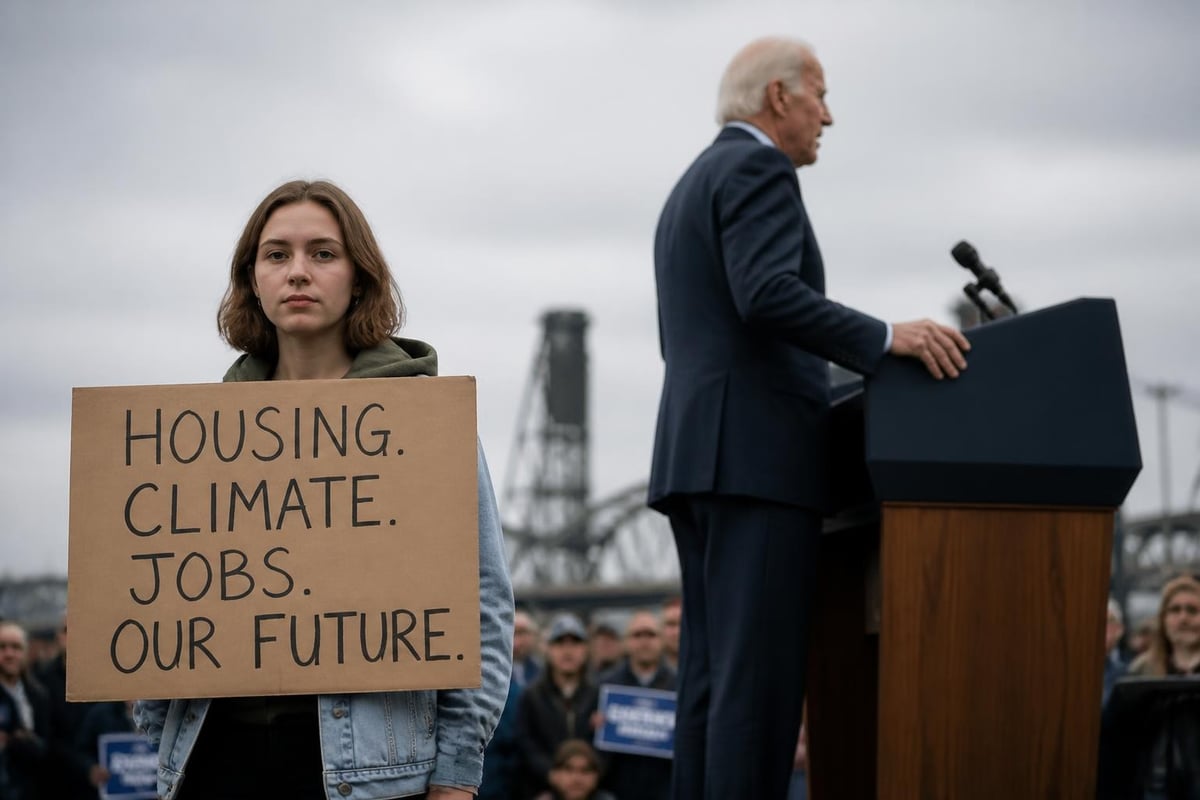
New polling from Gallup confirms that almost half of Americans identify as independents, with younger generations leading this rejection of major political parties. This reflects growing dissatisfaction with traditional party structures and suggests young voters seek flexibility rather than partisan loyalty.
Independent identification offers young voters several advantages:
- Freedom to evaluate candidates individually
- Avoidance of partisan team mentality
- Flexibility across issues and elections
- Distance from institutional dysfunction
- Alignment with personal values over party platform
The rise of independent identification doesn't necessarily mean young voters embrace conservative positions. Many maintain progressive policy preferences while rejecting Democratic Party affiliation. This distinction matters enormously for understanding why young voters are leaving Democrats: it's often institutional rejection rather than ideological conversion.
Regional Variations and State-Level Dynamics
The flight of young voters from Democratic Party identification varies significantly by region and state political culture. Florida Senate Minority Leader Jason Pizzo’s departure from the Democratic Party illustrates how state-level dysfunction accelerates youth disengagement.
Pizzo's statement that "the Democratic Party in Florida is dead" reflects broader disillusionment with modern partisanship and desire to lead without political constraints. When state Democratic parties appear ineffective or irrelevant, young voters feel little incentive maintaining affiliation.
Communication Gaps and Messaging Failures
Democratic communication strategies often fail to reach young voters effectively. The party continues relying heavily on traditional media appearances, email campaigns, and institutional endorsements-approaches that feel outdated to digital natives.
Key communication challenges include:
- Authenticity deficits in scripted messaging
- Platform mismatches between content and audiences
- Jargon and abstraction versus concrete specifics
- Defensive framing rather than aspirational vision
- Institutional voice versus individual authenticity
When young voters encounter political content, they value transparency, specificity, and acknowledgment of complexity. Democratic messaging frequently offers none of these, instead presenting simplified talking points that feel condescending or evasive.
Institutional Trust Collapse
Perhaps the deepest reason why young voters are leaving Democrats involves generational differences in institutional trust. Generation Z exhibits historically low confidence in major institutions-government, media, corporations, educational systems-and political parties suffer from this broader skepticism.
Young voters witnessed:
- Financial crisis bailouts favoring institutions over individuals
- Political polarization reaching unprecedented levels
- Pandemic responses prioritizing economics over health
- Climate inaction despite scientific consensus
- Democratic backsliding both domestically and globally
These experiences cultivated profound cynicism about institutions' capacity or willingness to address major challenges. The Democratic Party, as an institution, cannot escape this generational distrust simply through better messaging or younger spokespeople.
The Path Forward for Democrats
Addressing why young voters are leaving Democrats requires acknowledging these challenges honestly rather than dismissing youth concerns as naivete or inexperience. The party faces fundamental choices about leadership, policy priorities, communication strategies, and institutional structure.
Potential responses include:
| Strategy | Implementation | Expected Impact |
|---|---|---|
| Leadership renewal | Support younger candidates in primaries | Moderate-High |
| Economic populism | Prioritize material conditions | High |
| Digital transformation | Platform-native communication | Moderate |
| Institutional reform | Democratic party modernization | High |
| Policy delivery | Tangible wins over symbolic gestures | Very High |
Without substantive changes addressing the core reasons young voters feel alienated, the Democratic Party risks becoming increasingly reliant on older demographics while losing generational replacement voters necessary for long-term viability.
Media Consumption and Political Socialization
How young voters consume political information fundamentally shapes their relationship with political parties. Unlike older generations who developed party loyalty through family socialization and consistent media narratives, Generation Z encounters fragmented, contradictory information streams that undermine traditional partisan attachment.
This media environment makes young voters simultaneously more informed about specific issues and less connected to institutional politics. They can articulate sophisticated positions on climate policy, criminal justice reform, or healthcare systems while feeling no connection to either major party. This paradox defines modern youth political engagement and explains why young voters are leaving Democrats despite often sharing policy preferences.
The departure of young voters from the Democratic Party represents a complex intersection of economic anxiety, generational leadership gaps, communication failures, and institutional distrust. As these trends continue reshaping American politics, staying informed about demographic shifts and their implications becomes increasingly important. U.S. Presidential Report provides non-partisan coverage of presidential politics, elections, and governance issues that help readers understand these evolving dynamics without partisan spin.