The divide between Democrat vs Republican economic policies represents one of the most consequential differences shaping American governance today. These competing philosophies influence everything from federal budgets and tax codes to regulatory frameworks and social programs. Understanding these distinct approaches helps citizens make informed decisions during presidential elections and provides crucial context for evaluating policy proposals from current and former presidents. Both parties advocate for economic prosperity, yet their strategies for achieving growth, managing inequality, and balancing government intervention differ fundamentally.
Taxation Philosophy and Implementation
The most visible distinction in democrat vs republican economic policies emerges in their taxation approaches. Republicans traditionally advocate for lower tax rates across all income brackets, believing that reduced tax burdens stimulate economic growth by allowing businesses and individuals to retain more capital for investment and spending. This supply-side economics philosophy, sometimes called "trickle-down economics," posits that economic benefits flowing to businesses and wealthy individuals eventually benefit society broadly through job creation and increased economic activity.
Democrats generally support progressive taxation systems where higher earners pay proportionally more in taxes. This approach funds expanded government services and social programs while attempting to reduce income inequality. Democratic administrations typically propose raising taxes on corporations and individuals earning above specific thresholds, often $400,000 annually, while maintaining or reducing tax burdens for middle and lower-income households.
Recent Tax Policy Shifts
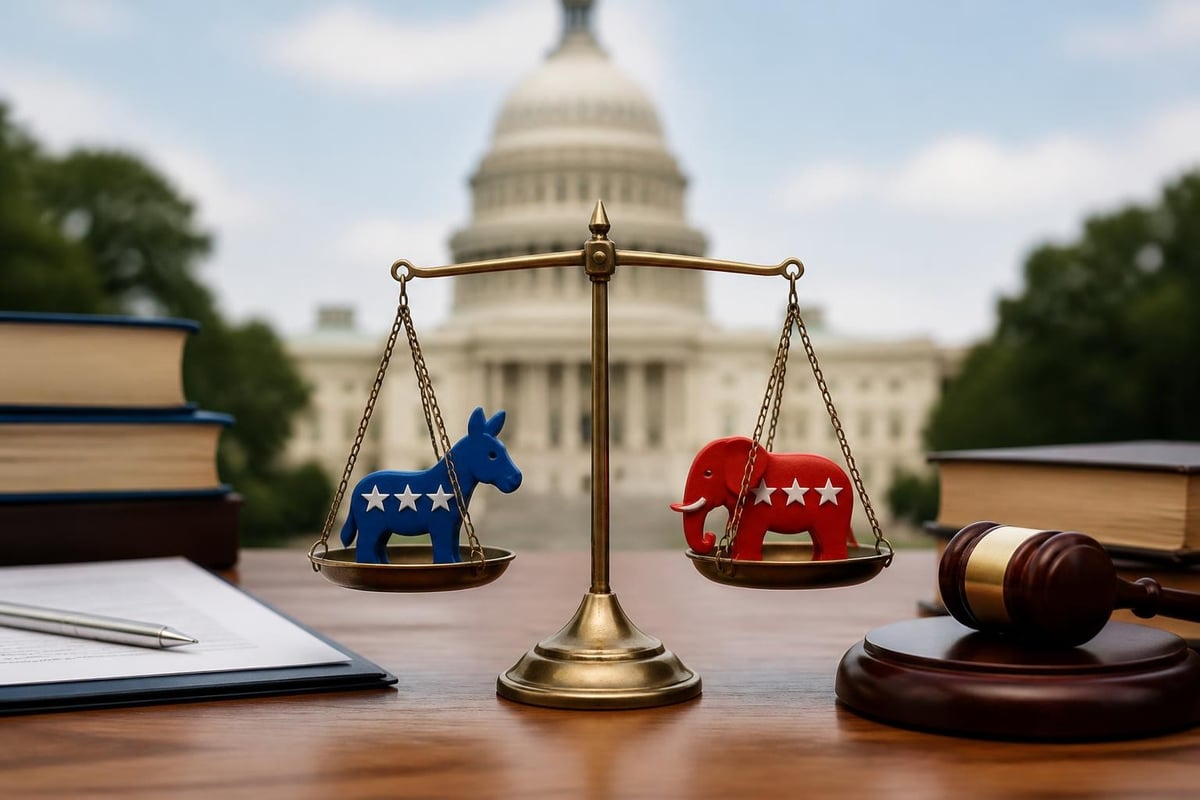
The Tax Cuts and Jobs Act of 2017, passed under Republican leadership, exemplifies conservative economic priorities. It reduced corporate tax rates from 35% to 21% and modified individual tax brackets, though many individual provisions expire after 2025. Democrats have consistently criticized these cuts, arguing they disproportionately benefit wealthy Americans and corporations while increasing federal deficits.
Presidential administrations from both parties have demonstrated how economic policies and taxation approaches directly reflect their party's core values. Democratic proposals in 2026 include restoring higher corporate tax rates and implementing wealth taxes on billionaires, while Republicans focus on making previous tax cuts permanent and further reducing regulatory compliance costs.
Government Spending Priorities
Beyond taxation, democrat vs republican economic policies diverge sharply on government spending allocation. Democrats prioritize investments in social infrastructure, including healthcare expansion, education funding, childcare support, and climate change initiatives. They view government spending as a mechanism for addressing market failures and ensuring basic services reach all Americans regardless of economic status.
Democratic spending priorities typically include:
- Universal or expanded healthcare access
- Free or subsidized higher education
- Renewable energy and climate programs
- Affordable housing initiatives
- Enhanced social safety nets
Republicans emphasize fiscal conservatism, advocating for reduced government spending, balanced budgets, and debt reduction. They prioritize defense spending and infrastructure investments while seeking to limit social program expansion. Conservative economic theory suggests that excessive government spending crowds out private investment and creates inefficiencies that hinder economic growth.
Republican spending priorities generally focus on:
- National defense and military readiness
- Border security and immigration enforcement
- Traditional infrastructure (roads, bridges)
- Tax cuts over new spending programs
- State-level rather than federal program administration
These competing visions create substantial policy debates during budget negotiations. Presidents must navigate these differences when proposing budgets, with political dynamics significantly influencing which priorities receive funding.
Regulatory Approaches to Business and Markets
The regulatory divide in democrat vs republican economic policies reflects fundamentally different views on government's role in markets. Republicans advocate for deregulation, arguing that excessive rules stifle innovation, increase compliance costs, and reduce competitiveness. They support free-market capitalism with minimal government interference, believing market forces naturally produce optimal outcomes when allowed to operate freely.
| Policy Area | Republican Approach | Democratic Approach |
|---|---|---|
| Environmental Regulation | Reduce restrictions, energy independence | Strict emissions standards, climate focus |
| Financial Oversight | Minimal intervention, market solutions | Strong consumer protections, oversight |
| Labor Standards | State-level decisions, business flexibility | Federal minimum wage, worker protections |
| Healthcare Markets | Private competition, reduced mandates | Public options, insurance regulations |
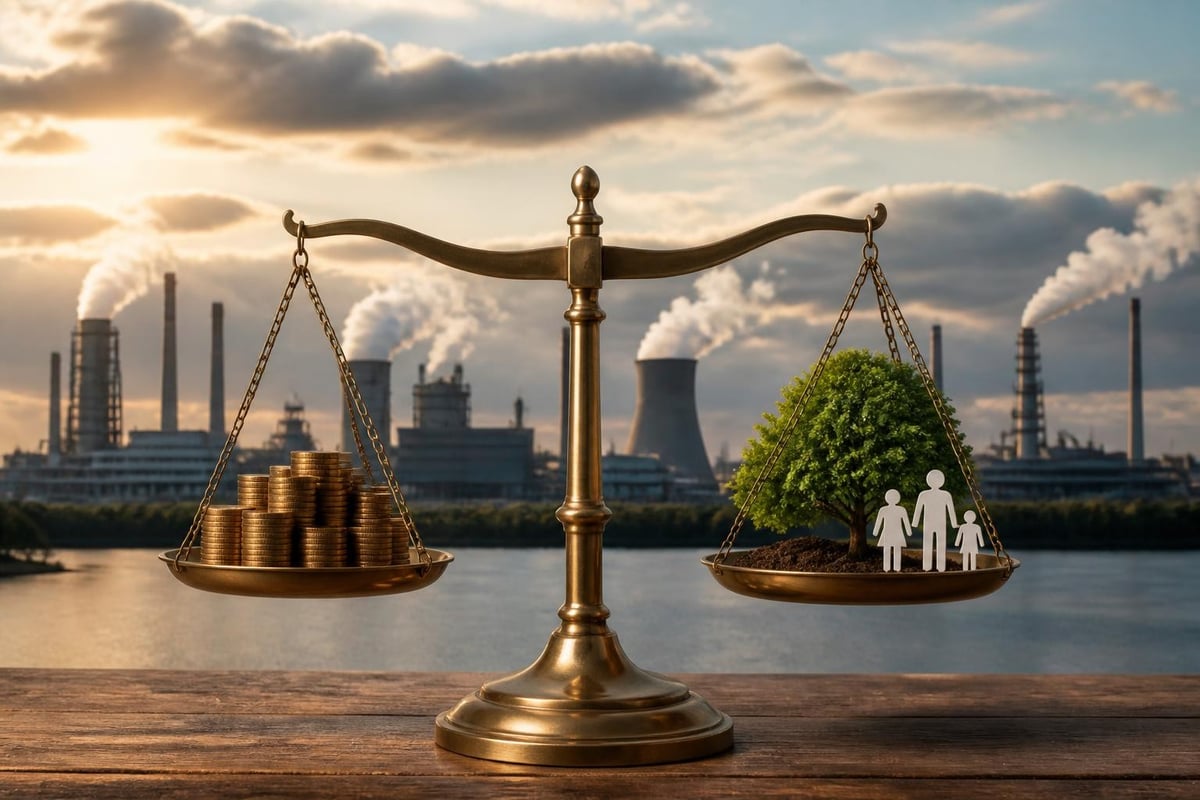
Democrats support stronger regulatory frameworks to protect consumers, workers, and the environment. They argue that unregulated markets produce negative externalities like pollution, unsafe products, and exploitative labor practices. Democratic administrations typically strengthen agencies like the Environmental Protection Agency, Consumer Financial Protection Bureau, and Occupational Safety and Health Administration.
Financial Market Oversight
The 2008 financial crisis highlighted these philosophical differences. Democrats responded with the Dodd-Frank Wall Street Reform Act, implementing stricter banking regulations and creating the Consumer Financial Protection Bureau. Republicans have consistently sought to roll back these regulations, arguing they unnecessarily burden smaller banks and restrict credit availability. Understanding these fundamental policy differences provides essential context for evaluating presidential economic leadership.
Healthcare Economics and Affordability
Healthcare represents a critical battleground where democrat vs republican economic policies demonstrate starkly different visions. Democrats support expanded government involvement in healthcare, viewing access to medical care as a fundamental right rather than a market commodity. The Affordable Care Act, passed under President Obama, exemplifies this approach through insurance mandates, subsidies, and Medicaid expansion.
Progressive Democrats increasingly advocate for Medicare for All or similar single-payer systems that would fundamentally restructure American healthcare financing. They argue that government-administered healthcare reduces administrative costs, negotiates lower drug prices, and ensures universal coverage while controlling overall spending.
Republicans prefer market-based healthcare solutions with competition among private insurers driving efficiency and innovation. They oppose government mandates requiring insurance coverage and seek to expand Health Savings Accounts, association health plans, and across-state-line insurance sales. Conservative economic theory suggests that increased choice and competition naturally reduce costs while improving quality.
Prescription Drug Pricing
Both parties acknowledge prescription drug costs as problematic, yet their solutions differ. Democrats support direct government negotiation with pharmaceutical companies, price controls, and importation from countries with lower costs. Republicans prefer reducing FDA approval barriers for generics, increasing price transparency, and limiting pharmacy benefit manager practices that inflate costs.
Trade Policy and Economic Nationalism
Trade represents an area where traditional democrat vs republican economic policies have somewhat blurred in recent years. Historically, Republicans championed free trade agreements while Democrats expressed concern about protecting American workers from foreign competition. Recent Republican administrations have embraced more protectionist stances, implementing tariffs and renegotiating trade deals.
Democrats now occupy a nuanced position, supporting fair trade that includes labor and environmental protections while remaining skeptical of agreements that might offshore jobs. Both parties increasingly acknowledge domestic manufacturing decline and supply chain vulnerabilities, particularly regarding critical goods and national security concerns.
Modern trade policy considerations include:
- Supply chain resilience for critical goods
- Intellectual property protection
- Labor and environmental standards
- Currency manipulation prevention
- Strategic competition with China
The relationship between economic policy and international trade continues evolving as presidents navigate globalization's benefits and drawbacks. Examining the economic records of different administrations reveals how these theories perform in practice.
Minimum Wage and Labor Policy
Wage policy exemplifies the philosophical gap in democrat vs republican economic policies regarding government intervention in labor markets. Democrats support substantial federal minimum wage increases, currently advocating for $15 or higher hourly rates. They argue that wage floors reduce poverty, stimulate consumer spending, and ensure basic living standards for working Americans.
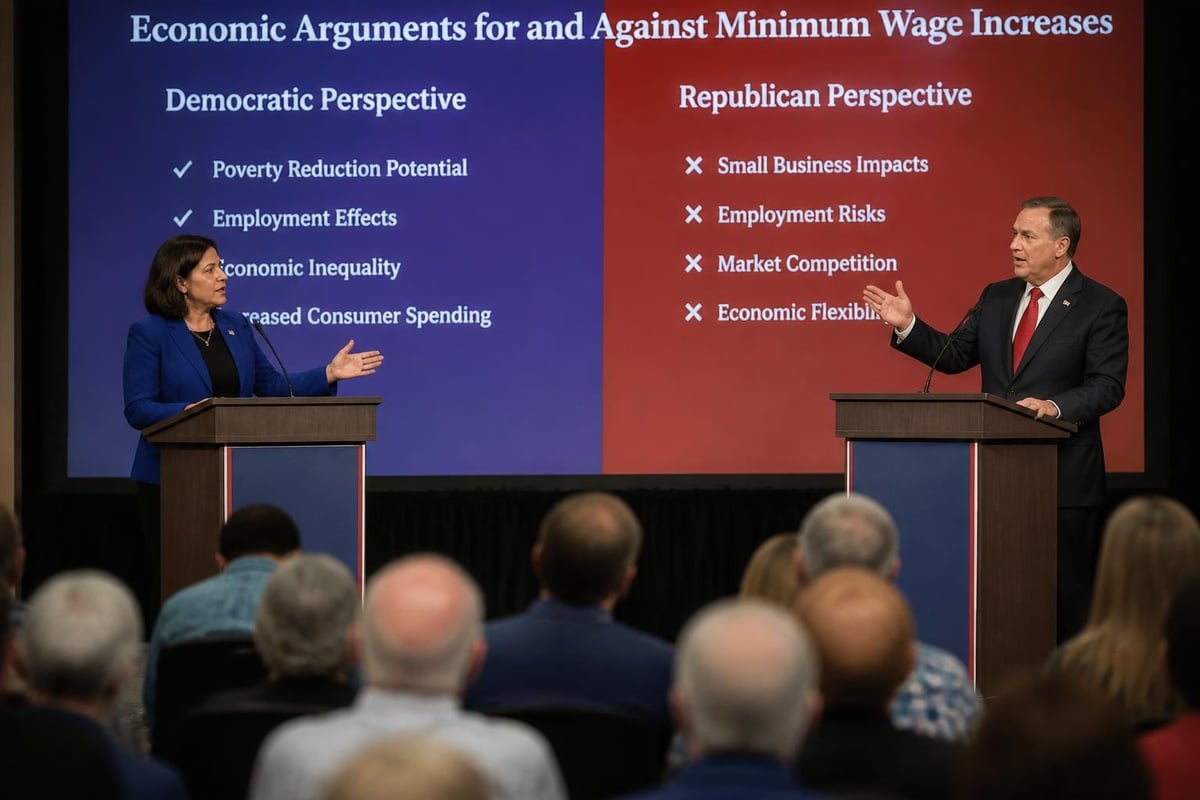
Republicans oppose significant minimum wage increases, citing economic research suggesting that artificially high wage floors reduce employment, particularly among young and low-skilled workers. They prefer allowing states and localities to set appropriate wages based on regional cost-of-living differences and letting market forces determine compensation levels.
Union Relations and Worker Organization
Labor union policy further distinguishes the parties. Democrats support unions as essential worker advocates, backing legislation that facilitates organization and collective bargaining. Republicans view mandatory union membership and dues as restricting individual freedom and increasing business costs that reduce competitiveness and employment.
Right-to-work laws, which prohibit mandatory union membership as a condition of employment, demonstrate these differences. Republican-led states typically adopt these laws while Democratic-led states resist them, reflecting broader disagreements about labor market regulation.
Deficit and Debt Management
Despite Republican rhetoric emphasizing fiscal responsibility, actual deficit performance varies significantly across administrations of both parties. Understanding comprehensive policy comparisons reveals the complexity beyond campaign promises.
| Administration Type | Typical Deficit Approach | Debt Trajectory |
|---|---|---|
| Republican | Tax cuts, defense spending increases | Often increases despite rhetoric |
| Democratic | Stimulus spending, social investments | Varies with economic conditions |
Democrats argue that deficit spending during recessions stimulates recovery and that investments in education, infrastructure, and research generate long-term economic returns exceeding their costs. They emphasize that many Republican tax cuts significantly increase deficits while benefiting primarily wealthy individuals and corporations.
Republicans counter that economic growth from tax cuts generates revenue offsetting initial losses and that spending restraint matters more than tax increases for fiscal sustainability. They criticize Democratic social programs as creating unsustainable long-term obligations that burden future generations.
Education Funding and Economic Opportunity
Education policy connects directly to economic opportunity in both parties' frameworks, though their approaches differ substantially. Democrats advocate for increased federal education spending, universal pre-K programs, free community college, and student loan forgiveness. They view education as a public good requiring substantial government investment to ensure equal opportunity regardless of family background.
Republicans prefer education funding at state and local levels with parental choice through vouchers and charter schools. They support market competition among schools driving improvement and oppose federal mandates dictating curriculum or standards. Conservative economic thinking suggests that localized control and competition produce better outcomes than centralized government programs.
The student debt crisis illustrates these differences. Democrats propose partial or complete loan forgiveness funded by taxpayers, arguing that debt burdens suppress economic growth by limiting younger Americans' ability to purchase homes, start businesses, or make major purchases. Republicans oppose forgiveness as unfair to those who repaid loans or didn't attend college, preferring reforms to college costs and lending practices.
Infrastructure Investment Strategies
Infrastructure spending represents occasional bipartisan agreement, yet democrat vs republican economic policies differ on scope, funding mechanisms, and priorities. Democrats support comprehensive infrastructure packages including traditional projects like roads and bridges alongside "human infrastructure" like childcare, elder care, and education. They're willing to deficit-spend or raise taxes to fund these investments.
Republicans focus on traditional physical infrastructure while opposing expanded definitions that include social programs. They prefer public-private partnerships, user fees, and state-level financing over federal spending increases. When examining presidential policy approaches, infrastructure represents an area where negotiation sometimes produces bipartisan legislation.
Infrastructure priorities by party:
- Democratic focus: Public transit, renewable energy grid, broadband access, climate resilience, social programs
- Republican focus: Roads, bridges, airports, ports, rural infrastructure, reduced permitting barriers
Energy Policy and Economic Implications
Energy policy demonstrates how democrat vs republican economic policies reflect different economic visions and values. Democrats prioritize transitioning toward renewable energy through subsidies, regulations, and investments in clean technology. They view climate change as an economic threat requiring immediate action and see renewable energy as creating future jobs while reducing dependence on fossil fuels.
Republicans emphasize energy independence through domestic oil and gas production, including expanded drilling and pipeline construction. They question the economic costs of rapid renewable transitions and argue that affordable energy from all sources, including fossil fuels, benefits consumers and maintains American competitiveness. The comprehensive policy breakdown covers these environmental and economic intersections thoroughly.
Small Business Support and Entrepreneurship
Both parties claim to support small businesses, yet their economic policies take different approaches. Republicans emphasize tax cuts, regulatory relief, and reduced compliance burdens as primary small business support mechanisms. They argue that entrepreneurs thrive when government minimizes interference and allows market forces to operate freely.
Democrats support small businesses through access to capital programs, healthcare cost reduction, and targeted tax incentives while maintaining worker protections and environmental standards. They argue that leveling the playing field against large corporations requires active government support for smaller enterprises.
Access to healthcare represents a particular challenge for small businesses and entrepreneurs. Democratic proposals for public healthcare options aim to reduce the burden of providing employee health insurance, potentially enabling smaller companies to compete better for talent. Republicans prefer association health plans and other market mechanisms that don't involve government-run insurance programs.
Understanding the fundamental economic differences between these two governing philosophies helps Americans evaluate presidential candidates and policies more effectively. Whether you prioritize lower taxes and minimal regulation or progressive taxation funding expanded services depends on personal values and economic circumstances. For comprehensive, non-partisan coverage of how presidents implement these competing economic visions and their real-world impacts, U.S. Presidential Report provides balanced analysis of current and historical presidential economic policies, helping readers understand complex policy debates without partisan spin.