The 2028 presidential election cycle may seem distant, but political positioning has already begun among ambitious Democratic leaders. With no incumbent expected to run, the race represents an open-seat opportunity that has energized potential candidates across the party. Understanding the top democratic candidates for 2028 provides valuable insight into the Democratic Party's future direction and the policy priorities that will shape the next era of American governance.
Early Frontrunners Establishing National Profiles
The Democratic field for 2028 features several prominent governors who have built strong records in their states while cultivating national visibility. California Governor Gavin Newsom has positioned himself as a progressive champion on issues ranging from climate policy to healthcare access, using his state's platform to advocate for bold Democratic initiatives. His telegenic presence and fundraising prowess make him a formidable contender among the top democratic candidates for 2028.
Michigan Governor Gretchen Whitmer represents another compelling profile within the field. Her management of crisis situations, combined with her focus on infrastructure and economic development, has earned bipartisan respect. Whitmer's ability to win in a swing state provides crucial evidence of electability in competitive environments.
Governors Leveraging State Success
Pennsylvania Governor Josh Shapiro has emerged as one of the most discussed names when analyzing potential Democratic 2028 presidential contenders. His overwhelming victory margin and policy achievements in a battleground state demonstrate broad appeal. Shapiro's background as attorney general and his focus on practical governance resonate with voters seeking competence over ideology.
Kentucky Governor Andy Beshear presents a unique profile as a Democrat who has succeeded in a deeply Republican state. His approach to healthcare expansion, disaster response, and economic development shows how Democratic policies can succeed across different political landscapes. This track record positions him strategically among candidates seeking to build a coalition beyond traditional Democratic strongholds.
Senate Leaders and Congressional Veterans
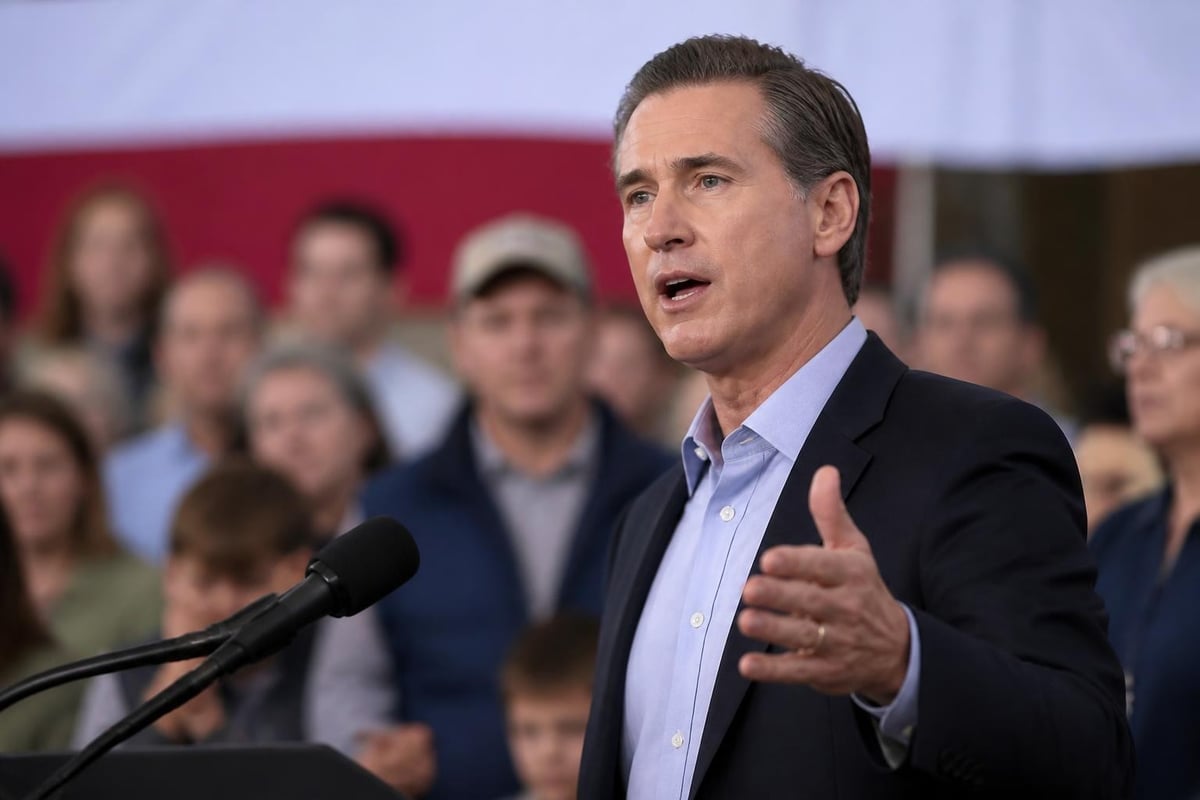
The Senate provides a traditional launching pad for presidential campaigns, and several Democratic senators have begun laying groundwork for 2028 runs. These legislative leaders bring federal experience and policy expertise that governors sometimes lack, particularly in foreign policy and national security matters.
Senator Cory Booker of New Jersey combines progressive credentials with a pragmatic approach to coalition building. His work on criminal justice reform and economic opportunity zones demonstrates bipartisan effectiveness. Booker's inspirational speaking style and diverse background add dimension to his potential candidacy.
Rising Stars from Capitol Hill
Representative Alexandria Ocasio-Cortez will meet the constitutional age requirement by 2028, making her eligible for the presidency. Her massive social media following and ability to mobilize young voters represent significant assets in modern campaigns. AOC's progressive policy platform and fundraising capabilities position her as a potential disruptor in the top democratic candidates for 2028 conversation.
Transportation Secretary Pete Buttigieg continues building his national profile through cabinet service. His 2020 campaign demonstrated fundraising ability and debate skills while revealing areas for improvement with diverse voter coalitions. By 2028, his expanded résumé and continued visibility could strengthen his position significantly.
| Candidate | Current Position | Key Strength | Primary Challenge |
|---|---|---|---|
| Gavin Newsom | California Governor | National name recognition | Progressive label in swing states |
| Gretchen Whitmer | Michigan Governor | Swing state success | Limited foreign policy experience |
| Josh Shapiro | Pennsylvania Governor | Broad electoral appeal | Relatively new to national stage |
| Cory Booker | U.S. Senator | Legislative experience | Multiple presidential runs |
| Pete Buttigieg | Transportation Secretary | Communication skills | Building diverse coalition |
The Vice President Question
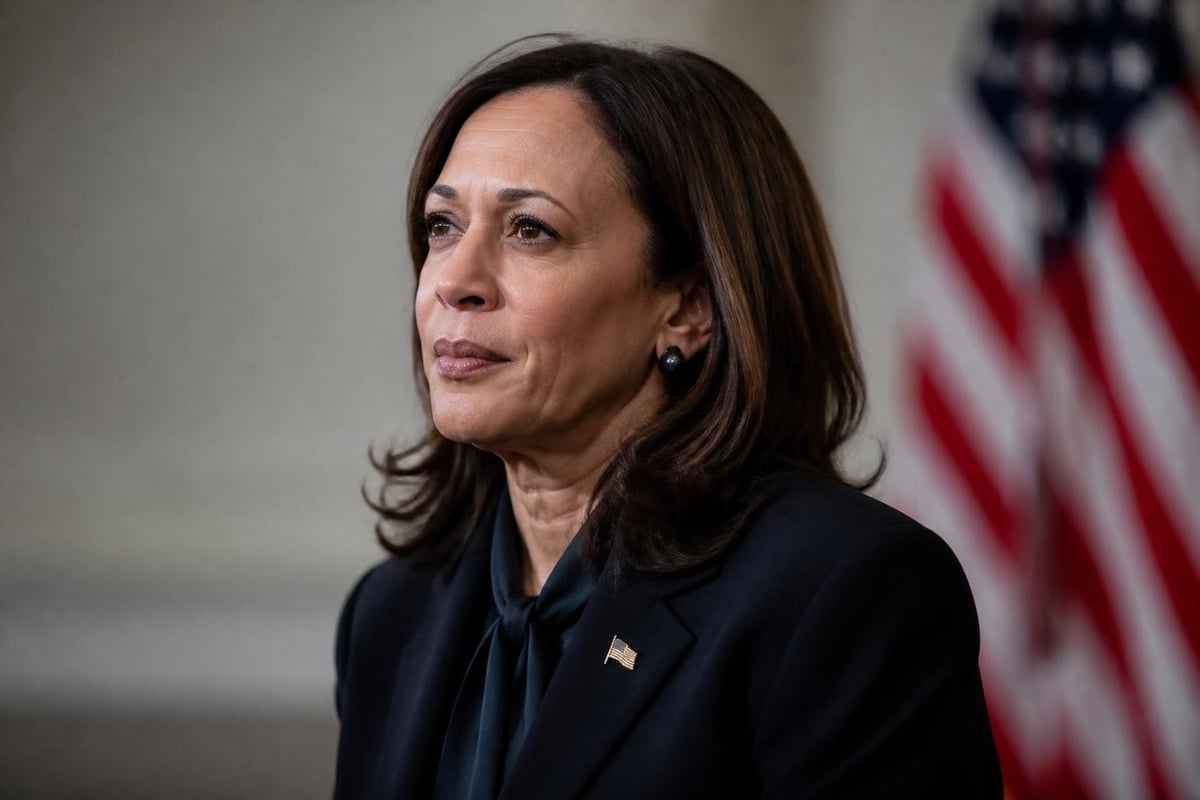
Vice President Kamala Harris represents the most complicated factor in assessing the top democratic candidates for 2028. As sitting Vice President, she would traditionally hold frontrunner status for the nomination. However, analysis of the early Democratic presidential field suggests a potentially competitive primary regardless of her participation.
Harris brings undeniable strengths including name recognition, fundraising infrastructure, and the symbolic importance of potentially becoming the first woman president. Her experience spans prosecutorial work, Senate service, and executive branch leadership. These credentials position her as a complete candidate on paper.
Evaluating Harris's Position
The Vice President's polling numbers and public perception will heavily influence whether other candidates challenge her directly or wait for a clearer signal. Historical precedent shows that sitting vice presidents face varying levels of primary competition depending on their popularity and the president's standing.
If Harris chooses not to run or faces significant primary opposition, the field would likely expand rapidly. This scenario would benefit candidates who have maintained relationships with key Democratic constituencies while avoiding premature commitments.
Governors Building Infrastructure
Beyond the most prominent names, several governors are methodically building the infrastructure necessary for national campaigns. Illinois Governor J.B. Pritzker combines substantial personal wealth with progressive policy achievements in a large state. His work on healthcare access and education funding aligns with Democratic priorities while demonstrating executive competence.
Colorado Governor Jared Polis offers a distinctive profile as the first openly gay man elected governor and a successful entrepreneur turned public servant. His libertarian-leaning approach on some issues could appeal to independent voters while his progressive stances on climate and healthcare satisfy the base.
Regional Diversity Considerations
The Democratic Party's geographic challenges require candidates who can compete across different regions. Governors from swing states naturally attract attention from strategists seeking electability. However, candidates from solid blue or red states bring their own advantages in terms of bold policy implementation and authentic representation of different Democratic traditions.
New Jersey Governor Phil Murphy's Wall Street background combined with progressive governance creates an interesting fusion. His experience managing one of America's most complex state governments while advancing ambitious policy goals demonstrates capacity for executive leadership at scale.
Younger Generation Positioning
A cohort of younger politicians views 2028 as their moment to step forward. These leaders grew up in the digital age and understand modern communication platforms intuitively. Their generational perspective on issues like climate change, student debt, and technological disruption resonates with younger voters who will comprise an increasingly important demographic.
Pennsylvania Lieutenant Governor Austin Davis represents emerging Black political leadership that could energize crucial constituencies. Similarly, various mayors from major cities are building records that could translate to statewide or national campaigns.
The Generational Debate
Democratic primary voters will weigh whether the party needs experienced leaders who can immediately handle complex global challenges or whether fresh perspectives and generational change should take priority. This tension typically resolves through the primary process itself as voters assess candidates' readiness.
The success of previous campaigns shows that both paths can work. Experience matters, but so does the ability to inspire and mobilize supporters. The strongest candidates among the top democratic candidates for 2028 will likely balance both considerations effectively.
Policy Priorities Shaping the Field
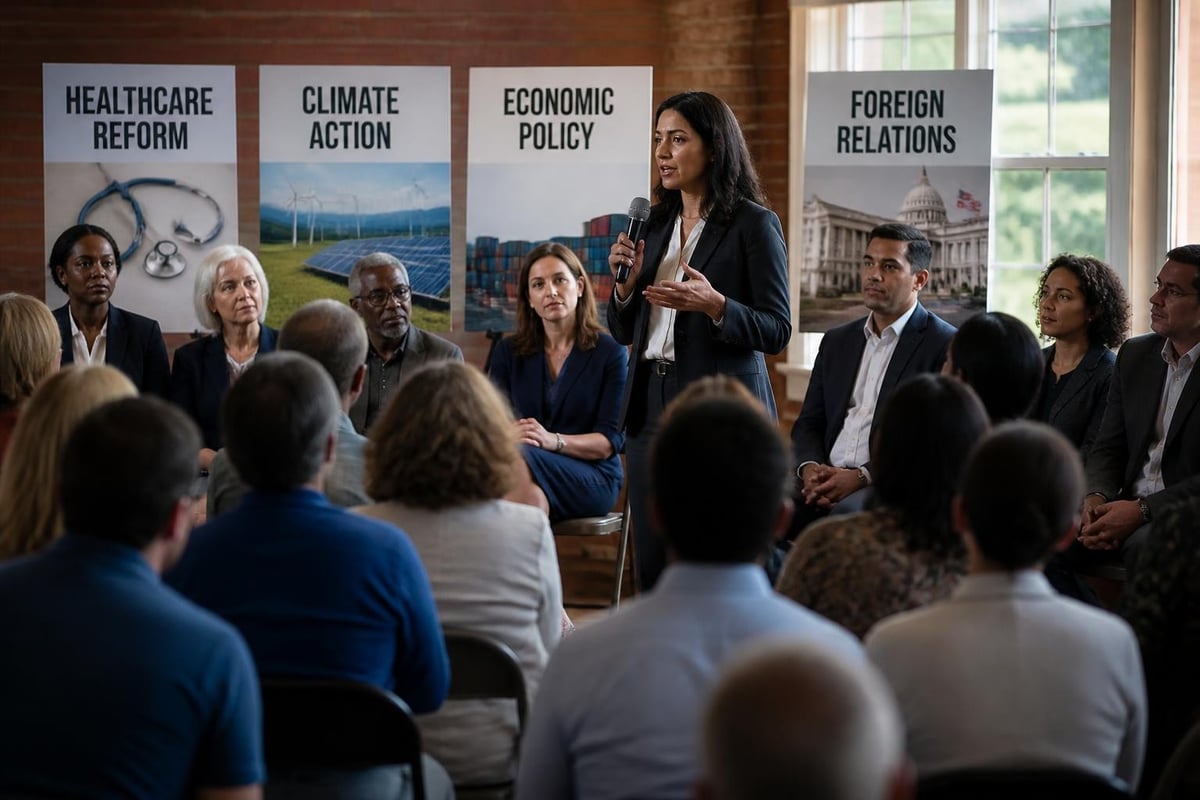
The candidates' positions on key issues will differentiate them as campaigns develop. Healthcare policy remains central to Democratic identity, with debates over incremental reform versus comprehensive restructuring. Climate change policy, economic inequality, and social justice issues will test candidates' vision and specific proposals.
Foreign policy experience will matter more by 2028 given ongoing global challenges. Candidates must articulate clear positions on international alliances, trade policy, and military engagement. Those lacking federal or international experience face pressure to demonstrate competence in these areas through advisors, travel, and policy development.
Economic Message Development
Following recent economic turbulence, voters demand clear economic messaging addressing inflation, wages, and opportunity. Democratic candidates must connect their policy proposals to tangible improvements in Americans' daily lives. The ability to communicate complex economic ideas simply distinguishes effective candidates from those who struggle to connect.
Infrastructure investments, manufacturing renaissance, and technological leadership represent areas where Democrats seek to claim credit while proposing additional initiatives. Candidates' records on economic development in their current positions provide concrete examples of their approach.
Campaign Infrastructure and Fundraising
Modern presidential campaigns require massive financial resources and sophisticated organizations. Candidates are already building donor networks, hiring experienced staff, and establishing political action committees. The top democratic candidates for 2028 understand that early preparation provides competitive advantages in what will likely be a crowded primary field.
Digital fundraising capabilities separate contemporary campaigns from previous eras. Small-dollar donor programs allow candidates to demonstrate grassroots support while building sustainable funding models. However, major donors and bundlers still play crucial roles in providing resources for initial infrastructure development.
Organizational Groundwork
Iowa and New Hampshire traditionally launch the primary calendar, though Democratic Party rules may shift by 2028. Candidates invest early in these states regardless, building relationships with local leaders and activists. South Carolina's role in the process has grown, requiring candidates to demonstrate appeal with African American voters who form a crucial Democratic constituency.
Super Tuesday's collection of diverse states tests candidates' national viability rapidly. Those lacking resources or organization to compete simultaneously across multiple regions face elimination. This reality drives early infrastructure development and fundraising urgency.
| Campaign Element | Early Stage Priority | Mid-Campaign Function | Late Campaign Role |
|---|---|---|---|
| Fundraising | Build donor base | Sustain operations | Final advertising push |
| Staff | Hire key strategists | Expand field operations | Get-out-the-vote execution |
| Digital Presence | Establish platforms | Engagement and persuasion | Mobilization tool |
| Policy Teams | Develop frameworks | Detailed proposals | Debate preparation |
Media Strategy and Communication
The fragmented media environment requires sophisticated communication strategies. Candidates must excel across traditional television, social media platforms, podcasts, and emerging channels. Authenticity and genuine connection matter more than polished but sterile presentations.
Video analysis of potential candidates reveals how political observers assess communication styles and positioning strategies. These evaluations influence elite opinion that shapes donor decisions and media coverage.
Debate Performance Expectations
Primary debates create defining moments that accelerate or derail campaigns. Strong debate performances separate candidates from crowded fields while poor showings raise questions about readiness. The top democratic candidates for 2028 prepare extensively, knowing that viral moments reach millions instantly.
Message discipline matters throughout campaigns but particularly during debates when candidates face direct challenges. The ability to pivot from attacks while delivering memorable lines requires practice and natural skill. Debate preparation teams work months in advance on likely scenarios and response frameworks.
Coalition Building Challenges
Democratic presidential candidates must assemble coalitions spanning diverse constituencies with sometimes conflicting priorities. Urban progressives, suburban moderates, rural Democrats, and various demographic groups each bring specific concerns. Successful candidates find common ground while addressing particular needs authentically.
Labor unions remain important Democratic allies despite declining membership numbers. Candidates court major unions for endorsements that provide organizational support and voter credibility. Environmental groups, civil rights organizations, and education advocates similarly wield influence through member mobilization and public endorsements.
Identity and Representation
The Democratic Party's diversity creates both strengths and challenges for candidates. Identity representation matters to constituencies seeking leaders who understand their experiences. However, candidates must avoid being defined solely by demographic characteristics rather than policy vision and leadership capacity.
Women candidates, candidates of color, and LGBTQ+ candidates bring important perspectives while facing additional scrutiny and different standards than traditional candidates. The top democratic candidates for 2028 navigate these dynamics while building broad coalitions focused on shared values and policy goals.
Historical Context and Precedent
Presidential election history provides useful context for understanding 2028 dynamics. Open-seat Democratic primaries typically attract large fields of ambitious candidates seeking to capture the nomination. The 2020 cycle saw over two dozen declared candidates initially, though the field narrowed rapidly after early contests.
Examining patterns in domestic policy debates from previous cycles reveals recurring themes that candidates must address. Similarly, understanding recent political developments helps contextualize the current landscape.
Learning from Recent Cycles
The 2008 primary battle between Barack Obama and Hillary Clinton demonstrated how extended contests can occur when multiple strong candidates compete. That race ultimately strengthened the winner through rigorous testing while creating party divisions requiring careful healing.
Conversely, 2016 saw Bernie Sanders challenge establishment favorite Clinton, revealing progressive energy that continues shaping Democratic politics. The Sanders movement's influence persists through policy debates and activist networks that candidates must engage.
State-by-State Strategic Considerations
Primary calendar dynamics force strategic decisions about resource allocation and tactical positioning. Winning early states builds momentum and media narrative advantage. However, candidates sometimes sacrifice early states to focus on later contests with more delegates or favorable demographics.
The top democratic candidates for 2028 develop state-specific strategies reflecting local priorities and political cultures. What works in New Hampshire differs substantially from approaches needed in Nevada or South Carolina. Successful campaigns adapt messaging while maintaining consistent core themes.
Delegate Math and Path to Nomination
Understanding delegate allocation rules enables strategic campaign planning. Proportional representation means that even candidates finishing second or third accumulate delegates in close races. This system can extend competitive primaries when multiple candidates remain viable.
Superdelegates play reduced but still notable roles in Democratic conventions. While their influence has diminished following 2016 reforms, their support signals establishment acceptance that matters to certain constituencies and donors.
International Experience and Foreign Policy
By 2028, global challenges will demand presidential candidates with sophisticated understanding of international relations. Climate agreements, trade negotiations, alliance management, and conflict resolution require nuanced approaches beyond campaign rhetoric.
Governors often face criticism regarding limited foreign policy experience. Those among the top democratic candidates for 2028 address this vulnerability through foreign trade missions, international relationship building, and prominent foreign policy advisors. Senate candidates leverage committee assignments and official travel to demonstrate credentials.
The relationship between war policy debates and electoral politics continues shaping how candidates position themselves on military engagement and defense spending. Voters demand both strength and wisdom in navigating complex international situations.
Party Unity and Primary Competition
Balancing vigorous primary competition with eventual party unity challenges Democratic candidates and leaders. Spirited debates about policy direction strengthen eventual nominees through stress testing but also create divisions requiring repair before general elections.
The Democratic National Committee works to structure processes that allow fair competition while minimizing lasting damage. Rules around debate qualification, delegate allocation, and convention procedures attempt to balance transparency with practical unity needs.
Looking Ahead to the General Election
While primary dynamics receive immediate attention, general election viability ultimately determines nomination success. Democratic primary voters increasingly prioritize electability, seeking candidates who can win swing states and mobilize winning coalitions.
The Republican nominee's identity will significantly influence Democratic strategy, though that opponent remains unknown in mid-2026. Candidates position themselves as best equipped to handle various potential matchups while building campaigns capable of pivoting quickly.
For comprehensive coverage of presidential politics and election developments, exploring resources like U.S. Presidential Report’s latest news provides ongoing context and analysis throughout the evolving campaign landscape.
The 2028 Democratic presidential field promises robust competition among talented leaders representing diverse experiences and visions for America's future. As these candidates develop campaigns and sharpen messages, voters will ultimately decide which vision and leadership style best serves the nation's needs. For continuing nonpartisan coverage of the evolving presidential race, including detailed analysis of all candidates and key policy debates, U.S. Presidential Report delivers comprehensive reporting that helps readers stay informed about this critical election cycle and the leaders seeking America's highest office.