The political landscape in 2026 has exposed significant fractures within the Democratic Party, revealing ideological battles that threaten to reshape the party's identity and electoral strategy. As midterm elections approach and presidential aspirations begin forming for 2028, democratic party internal divisions in 2026 have intensified between progressive activists demanding transformative change and moderate voices calling for pragmatic centrism. These tensions manifest across fundraising strategies, messaging priorities, rural outreach efforts, and fundamental questions about the party's future direction in an evolving political environment.
Leadership Challenges and Organizational Scrutiny
The Democratic National Committee finds itself navigating turbulent waters as Chair Ken Martin faces mounting pressure from within party ranks. Leadership criticism over fundraising and communication strategies has intensified throughout 2026, with some party members openly calling for Martin's resignation. These organizational disputes reflect deeper questions about how Democrats should position themselves against a Republican-controlled government.
House Democratic Leader Hakeem Jeffries has attempted to refocus party energy on opposition to President Trump's agenda rather than internal conflicts. In recent statements addressing party divisions, Jeffries emphasized that unity against the current administration should take priority over factional disputes. This perspective, however, hasn't quieted voices demanding fundamental reassessment of Democratic strategy.
Post-Election Autopsy Revelations
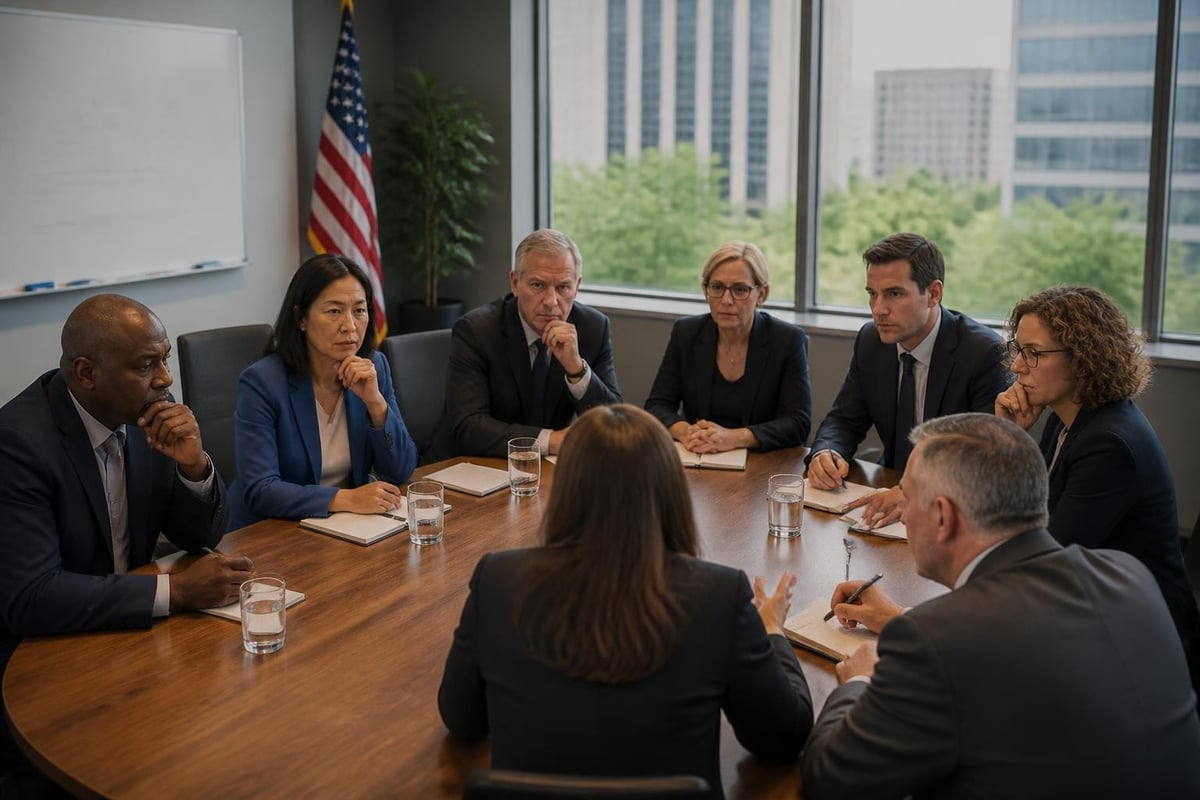
The party's self-examination following the 2024 presidential election has brought uncomfortable truths to the surface. A comprehensive DNC autopsy criticized the Harris campaign’s approach, specifically highlighting failures in rural voter outreach and excessive reliance on identity politics. These findings have become ammunition in ongoing debates about democratic party internal divisions in 2026.
Key criticisms from the party's internal review include:
- Insufficient engagement with working-class voters in rural communities
- Overemphasis on identity-based messaging at the expense of economic concerns
- Failure to counter Republican narratives effectively in swing districts
- Inadequate grassroots infrastructure in traditionally competitive regions
The autopsy's conclusions have galvanized different factions to advocate for competing visions of electoral success. Progressive members argue these failures demonstrate the need for bolder economic populism, while moderates contend the party strayed too far from centrist positions that appeal to swing voters.
Progressive Versus Centrist Battle Lines
The ideological spectrum within the Democratic Party has stretched wider in 2026 than perhaps any time since the 1960s. Internal battles between progressives and centrists have intensified following recent controversies and strategic setbacks. This factional warfare extends beyond policy preferences into fundamental disagreements about political strategy and coalition building.
Progressive Democrats champion transformative policies on healthcare, climate action, and economic redistribution. They argue that bold proposals energize the base and attract disaffected voters seeking genuine change. Representative Alexandria Ocasio-Cortez and Senator Bernie Sanders continue leading this faction, pushing for Medicare for All, Green New Deal investments, and wealth taxes targeting billionaires.
| Progressive Priorities | Centrist Preferences |
|---|---|
| Universal healthcare programs | Affordable Care Act expansion |
| Aggressive climate legislation | Market-based environmental solutions |
| Wealth redistribution policies | Targeted tax reforms |
| Defunding or reimagining policing | Community policing investments |
| Free college tuition | Student debt relief programs |
Moderate Democrats counter that winning swing states requires pragmatic positions appealing to independent voters and disaffected Republicans. They emphasize economic growth, fiscal responsibility, and bipartisan cooperation as pathways to sustainable governing majorities.
Messaging and Communication Strategy Disputes
Democratic party internal divisions in 2026 extend prominently into how the party communicates its values and policy positions to voters. Progressives criticize what they perceive as timid, consultant-driven messaging that fails to inspire passion or differentiate Democrats from Republicans. They advocate for moral clarity on issues like economic inequality and civil rights.
Centrists worry that inflammatory rhetoric alienates persuadable voters in suburban and exurban communities essential for Electoral College victories. They point to polling showing moderate messaging performs better in competitive districts, even as progressive policies sometimes poll well individually.
Communication fault lines include:
- Economic messaging – Class warfare versus opportunity expansion
- Cultural issues – Leading versus following public opinion
- Trump opposition – Policy contrast versus character attacks
- Coalition emphasis – Identity groups versus economic class
These strategic disagreements create confusion in voter outreach, with different Democratic organizations sometimes delivering contradictory messages to similar audiences.
Rural America and Electoral Geography Challenges
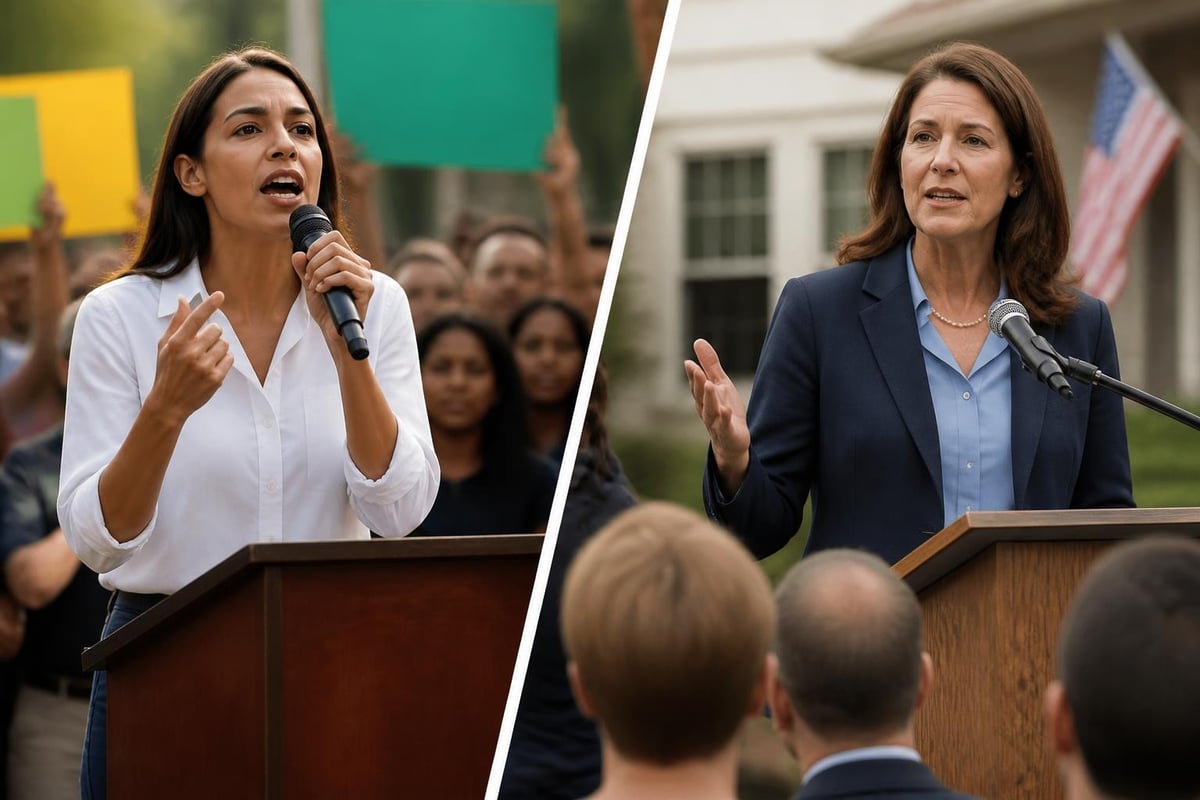
Perhaps no issue better illustrates democratic party internal divisions in 2026 than the party's relationship with rural voters. Democrats have hemorrhaged support in non-metropolitan areas over the past two decades, creating nearly insurmountable Electoral College obstacles. The 2024 election losses highlighted these geographic weaknesses, prompting urgent calls for course correction.
Some Democrats advocate investing heavily in rural outreach, tailoring economic messages about manufacturing, agriculture, and infrastructure to these communities. They argue that even modest improvements in rural performance could flip critical swing states. These voices note that Democratic policies on healthcare access, broadband expansion, and antitrust enforcement against agricultural monopolies should resonate with rural voters if communicated effectively.
Others contend that demographic trends favor maximizing turnout in diverse urban and suburban communities rather than chasing diminishing returns in rural America. This faction prioritizes registering and mobilizing young voters, communities of color, and college-educated professionals in metropolitan areas.
State Party Organizations and National Tensions
The relationship between state Democratic parties and national leadership represents another dimension of internal conflict. State organizations in competitive states often resist national messaging they consider ill-suited to local political cultures. Meanwhile, national committees push for coordinated branding and unified policy platforms.
Michigan, Pennsylvania, Wisconsin, and Arizona Democrats have particularly vocal state party chairs who sometimes publicly diverge from national Democratic narratives. These tensions create coordination challenges and resource allocation disputes that weaken overall party effectiveness.
Policy Priorities and Legislative Strategy
Congressional Democrats face their own version of democratic party internal divisions in 2026 regarding legislative priorities and tactical approaches. With Republicans controlling the presidency and potentially Congress, Democrats must decide whether to pursue bipartisan compromise on incremental policies or maintain unified opposition to Republican initiatives.
Progressive members advocate steadfast resistance to Republican proposals, arguing that compromise legitimizes harmful policies and confuses voters about party distinctions. They emphasize that the party's role in opposition should be defending vulnerable populations and preparing bold legislative agendas for when Democrats regain power.
Moderate Democrats, particularly those representing swing districts, seek opportunities for bipartisan cooperation on infrastructure, economic development, and selective policy areas. They contend that voters reward productive governance rather than obstruction, citing their own electoral success in competitive districts.
Legislative strategy disagreements include:
- Appropriations bills and government funding approaches
- Judicial nominee confirmation tactics
- Foreign policy and defense authorization positions
- Regulatory oversight and executive branch accountability measures
These tactical disputes often play out publicly, creating perceptions of disorganization that Republicans exploit for political advantage.
Congressional Democratic caucus strategic divisions showing progressive resistance approach versus moderate bipartisan cooperation approach, highlighting differences in judicial confirmations, appropriations negotiations, and oversight priorities
Fundraising Models and Donor Influence
Money represents both a flashpoint and symptom of democratic party internal divisions in 2026. Progressives criticize party reliance on wealthy donors and corporate contributions, arguing this financial dependence compromises policy positions on economic regulation, healthcare reform, and taxation. They champion small-dollar fundraising models demonstrating grassroots support and ideological authenticity.
Establishment Democrats counter that competitive campaigns require substantial resources that only diversified fundraising can provide. They note that unilateral disarmament on big-donor fundraising would guarantee Republican victories and eliminate any possibility of advancing progressive policies.
| Fundraising Approach | Progressive View | Moderate View |
|---|---|---|
| Corporate PAC money | Corrupting influence | Necessary resource |
| Small-dollar emphasis | Authentic grassroots | Insufficient alone |
| Bundler networks | Insider manipulation | Essential infrastructure |
| Super PAC coordination | Legal corruption | Competitive necessity |
This debate extends into candidate recruitment and primary dynamics, with progressive organizations backing challengers against incumbent Democrats they consider insufficiently committed to reform.
Identity Politics and Coalition Management
The role of identity in Democratic messaging has become another contentious dimension of party divisions. The DNC autopsy’s criticism of overreliance on identity politics resonated with some Democrats who believe excessive emphasis on demographic categories alienates working-class voters across racial lines.
Civil rights advocates and many progressive activists vigorously dispute this interpretation, arguing that addressing systemic racism, gender discrimination, and other identity-based inequities remains central to Democratic values. They warn that downplaying these issues betrays core constituencies and abandons moral leadership on civil rights.
Coalition management tensions involve:
- Balancing specific community concerns with universal economic messaging
- Allocating campaign resources across demographic groups
- Prioritizing legislative agendas addressing identity versus class issues
- Candidate diversity requirements and endorsement criteria
These debates occasionally erupt into public disputes when candidate selections or policy priorities seem to favor particular constituencies over others, complicating the party's efforts to maintain its diverse coalition.
Presidential Speculation and 2028 Positioning
Though the 2028 presidential election remains over two years distant, positioning for that contest already influences democratic party internal divisions in 2026. Potential candidates representing different party factions maneuver for donor networks, endorsement pipelines, and organizational support. These early presidential politics inject additional tension into policy debates and leadership decisions.
Governors from swing states like Pennsylvania, Michigan, and Wisconsin receive attention as potentially electable centrists who could reclaim Rust Belt states. Meanwhile, progressive senators and representatives from safe blue districts contemplate whether 2028 presents an opportunity for transformative candidacy. Analysis of these internal conflicts suggests that presidential ambitions may be exacerbating rather than resolving party divisions.
The shadow primary dynamic creates perverse incentives where potential candidates stake out positions designed to appeal to specific factions rather than building party-wide consensus. This presidential positioning complicates efforts to develop unified messaging and strategic direction for immediate electoral challenges.
Media Strategy and Platform Wars
Democratic party internal divisions in 2026 extend into disagreements about media engagement and communication platforms. Traditional establishment Democrats emphasize relationships with mainstream media outlets and fact-based messaging through conventional channels. They worry that alternative media strategies sacrifice credibility and professional standards.
Progressive activists argue that legacy media has failed Democrats and that the party must develop independent communication infrastructure through podcasts, social media, and direct-to-voter digital platforms. They point to Republican success with alternative media ecosystems that bypass traditional journalistic gatekeepers.
These strategic differences create confusion about official party positions when different Democratic voices deliver conflicting messages through different media channels. The fragmentation of information sources means various Democratic factions can inhabit separate media bubbles, reinforcing rather than resolving internal disagreements.
The Path Forward Amid Continued Fractures
As 2026 progresses toward midterm elections and beyond, democratic party internal divisions in 2026 show little sign of resolution. The fundamental tension between progressive transformation and moderate incrementalism reflects genuine philosophical differences unlikely to disappear through mere tactical adjustments. These divisions also represent healthy democratic debate within a diverse coalition addressing complex governance challenges.
Whether these internal conflicts ultimately strengthen the party through robust debate or weaken it through public disunity remains uncertain. Historical precedent offers mixed lessons, with some internal party struggles preceding electoral resurgence while others foreshadowed extended opposition status. The stakes for American governance and policy direction make these Democratic divisions consequential far beyond partisan political calculations.
The party's ability to channel internal diversity into electoral strength while maintaining sufficient unity to govern effectively will likely determine its success in upcoming electoral cycles. For those closely following presidential politics and governance, these evolving dynamics warrant continued attention as they shape the political landscape through 2028 and beyond.
Understanding democratic party internal divisions in 2026 requires tracking multiple competing factions, leadership tensions, and strategic debates that will shape American politics for years to come. For comprehensive, non-partisan coverage of these developments and their implications for presidential politics, U.S. Presidential Report delivers timely analysis and in-depth reporting on the evolving dynamics within both major parties and their impact on American governance.