Suburban women have emerged as one of the most scrutinized and influential voting blocs in American presidential politics. Their preferences can determine electoral outcomes in swing states, making them a focal point for campaign strategists, pollsters, and political analysts. Understanding suburban women voting trends requires examining demographic shifts, issue priorities, and the complex interplay between local concerns and national politics. As the 2026 midterms approach and campaigns look ahead to 2028, these voters continue reshaping the electoral landscape in ways that transcend traditional partisan boundaries.
The Demographic Transformation of Suburban America
Suburban communities across the United States have undergone significant demographic evolution over the past two decades. What once represented predominantly white, middle-class enclaves now reflects increasing diversity in race, ethnicity, education levels, and economic circumstances.
Educational attainment has become a critical factor differentiating suburban women voters. College-educated women in suburban areas have demonstrated markedly different political leanings compared to their non-college-educated counterparts. Research examining white college-educated women’s divergence along class lines reveals how educational polarization has intensified partisan divisions within this demographic.
The geographic distribution of suburban women also varies considerably:
- Inner-ring suburbs closer to urban cores tend to lean more progressive
- Outer suburbs and exurbs often maintain more conservative orientations
- Swing-state suburbs in Pennsylvania, Michigan, Wisconsin, Arizona, and Georgia carry disproportionate electoral weight
- Sun Belt suburbs in Texas, North Carolina, and Nevada reflect growing racial and ethnic diversity
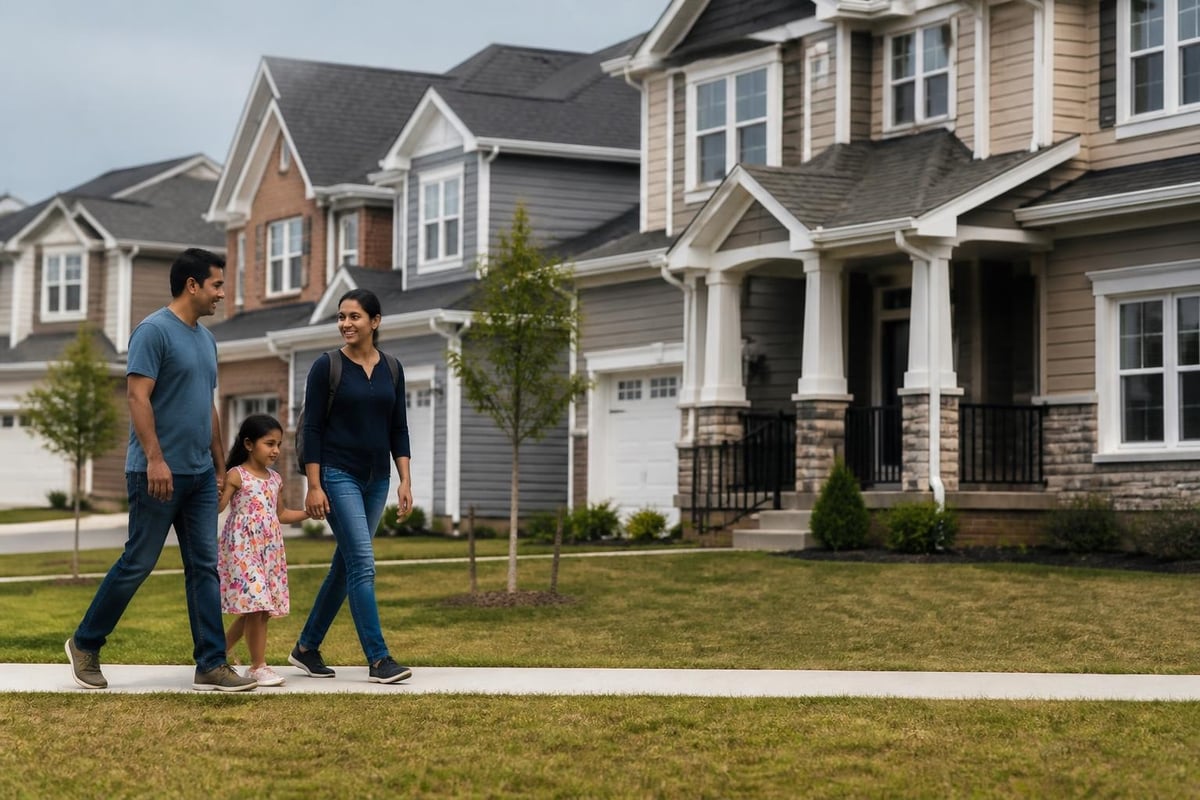
According to Pew Research analysis of partisanship across communities, suburban areas now represent battlegrounds where neither party holds overwhelming advantages. This competitive environment places suburban women at the center of electoral strategies.
Racial and Ethnic Diversity
The suburban population has become substantially more diverse. African American, Hispanic, and Asian American women now constitute growing proportions of suburban electorates, particularly in metropolitan areas across the Sun Belt and West Coast. Each of these groups brings distinct political priorities and voting patterns that complicate simplified narratives about suburban women voting trends.
Issue Priorities Driving Electoral Choices
Suburban women prioritize a distinctive constellation of policy concerns that campaigns must address to win their support. These priorities often differ from those emphasized by urban progressive activists or rural conservative voters.
Recent polling insights on suburban women voters identified several top-tier concerns:
- Economic security and inflation consistently ranks as the paramount issue
- Education quality and school policies directly affects families with children
- Healthcare access and costs remains a persistent anxiety
- Reproductive rights and abortion access gained salience following the Dobbs decision
- Public safety and crime rates influences perceptions of community stability
- Climate change and environmental protection particularly among younger suburban mothers
| Issue Category | Priority Level | Partisan Gap |
|---|---|---|
| Inflation/Economy | Very High | Moderate |
| Abortion Rights | High | Very Large |
| Education | High | Moderate |
| Healthcare Costs | High | Large |
| Crime/Safety | Medium-High | Moderate |
| Climate Change | Medium | Very Large |
The economic dimension deserves particular emphasis. Many suburban households face cost pressures related to housing, childcare, education, and healthcare that shape political assessments. Data showing popularity of gender equity and basic needs programs among women reveals strong support for policies addressing these concrete challenges, regardless of partisan affiliation.
The Abortion Factor
The Supreme Court's 2022 Dobbs decision eliminating federal abortion protections fundamentally altered suburban women voting trends. Analysis of post-Dobbs shifts among suburban women documents substantial movement toward Democratic candidates, particularly among college-educated women who view reproductive autonomy as non-negotiable.
This issue operates differently across suburban demographics:
- College-educated suburban women overwhelmingly support abortion rights
- Religious conservative suburban women prioritize restrictions
- Moderate suburban women often favor access with some limitations
- Younger suburban women demonstrate strongest support for unrestricted access
Partisan Realignment and Electoral Behavior
Suburban women voting trends have undergone significant realignment over the past three election cycles. The Trump presidency (2017-2021) accelerated shifts that were already underway, while subsequent elections revealed whether these represented permanent transformations or temporary reactions.

Demographic profiles of 2024 presidential voters provide concrete evidence of these shifts. Suburban women split more evenly between candidates than in previous cycles, with notable variation by education level, race, and region.
The Education Divide
College-educated suburban women have trended decisively Democratic:
- Strong support for Democratic presidential candidates in 2020 and 2024
- Alignment with progressive positions on social issues
- Concern about democratic norms and institutional integrity
- Prioritization of climate policy and racial justice
Non-college-educated suburban women present a more complex picture:
- Greater openness to Republican economic messaging
- Mixed positions on cultural and social issues
- Responsiveness to kitchen-table economic concerns
- Regional variation in partisan loyalty
This educational polarization represents one of the most significant factors shaping suburban women voting trends. Campaigns must craft distinct messages for these subgroups while maintaining overall coherence.
Regional Variations and Swing State Dynamics
Suburban women in different regions exhibit distinct political characteristics. National generalizations often obscure these important variations that determine presidential outcomes.
Midwest suburbs (Michigan, Wisconsin, Pennsylvania, Ohio):
- Strong union heritage influences working-class suburban women
- Manufacturing decline creates economic anxiety
- Social conservatism persists in outer suburbs
- Education quality concerns drive engagement
Sun Belt suburbs (Arizona, Nevada, Georgia, North Carolina, Texas):
- Rapid demographic change creates fluid political alignments
- Hispanic and Asian American suburban women gaining influence
- Newer suburban developments lack established partisan traditions
- Growth-related infrastructure concerns affect priorities
Mid-Atlantic suburbs (Virginia, Maryland, New Jersey):
- High education levels correlate with Democratic lean
- Federal employment concentration creates distinct concerns
- Earlier suburban diversification than other regions
- Strong performance indicators for national trends
Western suburbs (Colorado, California, Washington, Oregon):
- Environmental concerns carry particular weight
- Tech industry presence influences economic perspectives
- Cultural progressivism more established
- Housing affordability crisis dominates local politics
The U.S. Presidential Report provides ongoing coverage of how these regional dynamics affect presidential campaign strategies and electoral coalitions.
The Role of Persuadable Voters
Within the broader category of suburban women, ideologically moderate voters represent the ultimate swing constituency. Research on moderate white women’s opinions reveals this group's particular frustrations with both parties and their focus on practical problem-solving over ideological purity.
These persuadable suburban women share several characteristics:
- Split-ticket voting history based on candidate quality and issue positions
- Pragmatic orientation favoring competence over partisan loyalty
- Issue-specific evaluation rather than blanket party support
- Local-to-national connections linking community concerns to federal policy
- Candidate temperament sensitivity with strong reactions to perceived extremism
Campaigns targeting this group must demonstrate:
- Concrete policy solutions to everyday challenges
- Moderate tone avoiding inflammatory rhetoric
- Bipartisan cooperation willingness
- Local community investment and understanding
- Personal character and leadership competence
Messaging Strategies
Effective communication with persuadable suburban women requires balancing multiple considerations. Messages must acknowledge legitimate concerns while offering credible solutions, avoid condescension while respecting intelligence, and demonstrate authentic understanding of suburban life realities.
Economic messaging should emphasize:
- Specific proposals reducing household costs
- Support for small businesses and entrepreneurship
- Infrastructure investment benefiting communities
- Education funding and quality improvement
Social issue messaging should recognize:
- Nuanced positions on complex questions
- Respect for different perspectives
- Focus on common ground where possible
- Freedom and autonomy as core values
Turnout Patterns and Electoral Participation
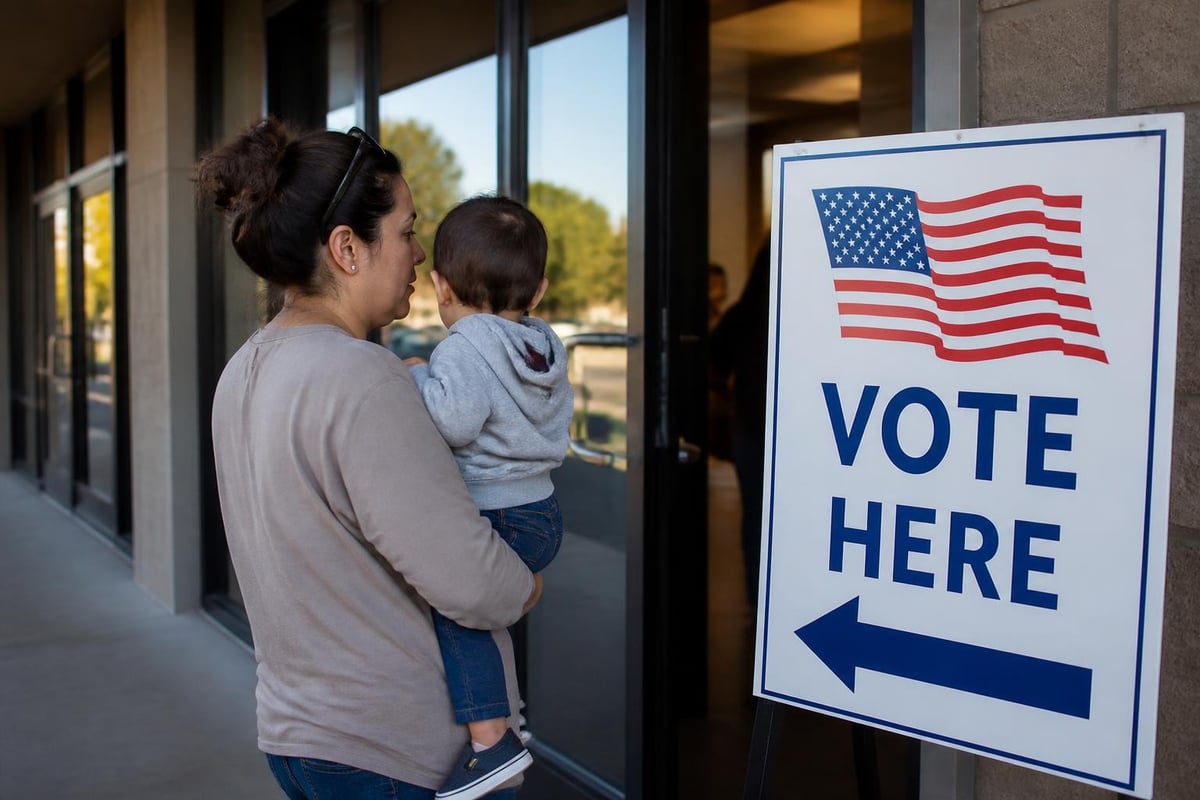
Understanding suburban women voting trends requires examining not just preferences but also participation rates. Higher-propensity voters differ from occasional participants, and mobilization strategies must account for these variations.
Voter behavior analysis showing electorate composition changes demonstrates that suburban voters, including suburban women, increased as a share of the returning electorate in 2024. This growth magnifies their electoral significance.
Factors increasing suburban women's turnout:
- Abortion rights ballot measures and referenda
- School board and local education controversies
- Economic distress and inflation concerns
- Highly competitive races with clear stakes
- Effective voter contact and mobilization
Barriers to participation:
- Childcare responsibilities limiting voting opportunities
- Work schedules conflicting with polling hours
- Registration complications for recent movers
- Perceived irrelevance of political outcomes to daily life
- Disillusionment with both major parties
| Voter Segment | 2020 Turnout | 2024 Turnout | 2026 Projected |
|---|---|---|---|
| College-Educated Suburban Women | 78% | 76% | 68% |
| Non-College Suburban Women | 62% | 64% | 54% |
| Suburban Women of Color | 67% | 69% | 58% |
| White Suburban Women 65+ | 82% | 81% | 72% |
Early voting, mail voting, and extended voting periods have altered participation patterns, generally benefiting Democratic candidates who have invested more heavily in these mechanisms. However, Republican campaigns have increasingly emphasized these options in recent cycles.
The 2026 Midterm Context
As the 2026 midterm elections approach, suburban women voting trends will again prove decisive in House and Senate races nationwide. Midterm dynamics differ from presidential contests in important ways that affect this constituency.
Midterm-specific factors:
- Lower overall turnout requiring more intensive mobilization
- Greater focus on congressional performance and presidential approval
- Local and state issues carrying increased weight
- Gubernatorial races in key states affecting turnout
- Senate map advantages or disadvantages for each party
Presidential approval ratings among suburban women serve as crucial indicators for the party controlling the White House. Historical patterns show that the president's party typically loses suburban support during midterms, though the magnitude varies based on economic conditions, scandal, and national mood.
Looking Ahead to 2028
Presidential campaigns are already considering how suburban women voting trends might evolve through the next presidential cycle. Demographic projections suggest continued diversification of suburban areas, further educational polarization, and potential generational shifts as Millennial and Gen Z women constitute growing proportions of the suburban electorate.
Candidates positioning themselves for 2028 must consider:
- Generational transitions bringing new priorities and perspectives
- Economic conditions in late 2027 shaping suburban household security
- Supreme Court decisions potentially affecting rights and regulations
- International crises influencing security and stability concerns
- Party brand evolution determining baseline partisan identification
Those interested in comprehensive presidential election coverage can explore the presidential election archives and analysis documenting how suburban women and other key constituencies have shaped historical outcomes.
Data Sources and Research Methodology
Understanding suburban women voting trends requires rigorous data collection and analysis. Multiple methodological approaches contribute to the current knowledge base:
Survey research from organizations like Pew Research Center, Gallup, and academic institutions provides attitudinal data about policy preferences, party identification, and candidate evaluations. These surveys must carefully sample suburban populations and weight responses to ensure representative findings.
Voter file analysis examines actual voting behavior rather than stated intentions. Organizations analyze precinct-level results, registration data, and turnout patterns to identify trends among suburban women across election cycles.
Focus groups and qualitative research offer deeper insights into motivations, reasoning processes, and emotional responses that quantitative data cannot capture. These methods reveal how suburban women think about political choices and what language resonates.
Exit polling provides election-day snapshots of voting patterns, though declining response rates and methodological challenges have reduced reliability in recent cycles.
Careful consumers of political analysis should evaluate data sources critically, recognizing that different methodologies yield different insights and that no single study provides complete understanding of complex voting behaviors.
Suburban women voting trends will continue shaping American presidential politics for the foreseeable future, representing a diverse and dynamic constituency whose preferences reflect broader social, economic, and cultural transformations. Understanding these patterns requires ongoing attention to demographic shifts, issue evolution, and regional variations that defy simple generalizations. For comprehensive, non-partisan analysis of how suburban women and other key voting blocs influence presidential elections, domestic policy, and governance, U.S. Presidential Report delivers the latest news and in-depth coverage to help readers make sense of America's changing political landscape.