The American political system runs on more than just ideas and grassroots enthusiasm. Money fuels campaigns, shapes messaging, and determines which candidates can compete at the highest levels. For anyone following presidential elections and the broader political landscape, understanding how political donations and super pacs explained becomes essential to decoding modern governance. The regulatory framework governing campaign finance has evolved dramatically over the past two decades, creating a complex ecosystem of contribution limits, independent expenditure groups, and disclosure requirements that can confuse even seasoned political observers.
The Foundation of Campaign Finance Law
Modern campaign finance regulation stems from decades of congressional action and court decisions attempting to balance free speech with the prevention of corruption. The Federal Election Campaign Act (FECA) of 1971, amended significantly in 1974 after Watergate, established the Federal Election Commission and created the basic architecture still in place today. Individual donors can contribute directly to presidential candidates, subject to limits that the FEC adjusts biennially for inflation.
For the 2025-2026 election cycle, individuals may contribute $3,300 per election to a candidate committee (with the primary and general election counting as separate elections). National party committees face higher limits, while traditional political action committees operate under their own set of contribution and expenditure rules. These baseline restrictions apply to direct, or "hard money," contributions that campaigns report publicly and must disclose.
The Federal Election Commission provides comprehensive guidance on these limits, updating thresholds and clarifying compliance obligations as laws and court rulings evolve. Understanding these foundational rules helps clarify why Super PACs emerged as such a disruptive force in presidential politics.
What Are Traditional Political Action Committees?
Before diving into Super PACs, it's important to understand conventional political action committees. A traditional PAC is a political organization that pools campaign contributions from members and donates those funds directly to candidates, party committees, or other PACs. Corporations, labor unions, and trade associations typically sponsor these committees, though any group of individuals can form one.

Traditional PACs face strict rules:
- They may accept no more than $5,000 per year from any individual donor
- They may contribute no more than $5,000 per election to a candidate
- They must register with the FEC within 10 days of formation
- They must disclose all donors and expenditures in regular reports
These limitations mean traditional PACs have finite resources and direct influence. A well-funded PAC might raise millions over a cycle, but its ability to support any single presidential candidate remains capped. This framework worked reasonably well for decades until court decisions fundamentally altered the landscape, making political donations and super pacs explained a more urgent topic for voters and journalists alike.
How Traditional PACs Support Presidential Campaigns
Beyond direct contributions, traditional PACs engage in various activities to support candidates aligned with their policy goals. They conduct independent expenditures (spending not coordinated with a campaign), though these must come from funds raised under the $5,000 individual contribution limit. They run issue advocacy campaigns, mobilize volunteers, and provide strategic support through research and opposition analysis.
Many industry groups and ideological organizations maintain both a traditional PAC for direct contributions and separate vehicles for independent spending. The FEC’s overview of PAC types details how these organizations structure their activities within regulatory boundaries and what distinguishes each category.
The Supreme Court Decision That Changed Everything
The 2010 Supreme Court ruling in Citizens United v. Federal Election Commission fundamentally reshaped American campaign finance. The court held that independent political expenditures by corporations, labor unions, and associations are protected speech under the First Amendment. The government could not restrict these groups from spending treasury funds on political advocacy, provided the spending remained independent of candidate campaigns.
Two months later, the D.C. Circuit Court of Appeals decided SpeechNow.org v. FEC, ruling that contribution limits to groups making only independent expenditures were unconstitutional. These paired decisions created the legal foundation for Super PACs, organizations that could raise unlimited funds from individuals, corporations, and unions to spend independently advocating for or against candidates.
The Brennan Center’s comprehensive analysis of Citizens United explains how these decisions transformed the political landscape and set the stage for record-breaking spending in subsequent presidential elections. Critics argue the rulings have distorted democratic representation, while supporters maintain they protect robust political speech.
| Supreme Court Case | Year | Key Holding | Impact on Campaign Finance |
|---|---|---|---|
| Buckley v. Valeo | 1976 | Expenditure limits unconstitutional; contribution limits permissible | Established modern framework |
| Citizens United v. FEC | 2010 | Independent corporate/union spending protected | Enabled unlimited independent expenditures |
| SpeechNow.org v. FEC | 2010 | Contribution limits to independent groups unconstitutional | Created Super PAC structure |
| McCutcheon v. FEC | 2014 | Aggregate contribution limits unconstitutional | Increased total giving capacity |
What Makes Super PACs Different
Super PACs, formally known as independent expenditure-only committees, operate under dramatically different rules than their traditional counterparts. They may raise unlimited sums from virtually any source except foreign nationals and federal contractors. A single donor can write a check for $10 million, $50 million, or more, funds the Super PAC then spends independently to influence elections.
The critical constraint is that Super PACs cannot contribute directly to candidates or party committees, nor can they coordinate their spending with campaigns. This prohibition against coordination is the regulatory linchpin that distinguishes Super PAC activity from direct campaign support. In practice, the line between true independence and coordination can blur, raising ongoing compliance and enforcement questions.
Key Characteristics of Super PACs
- Unlimited fundraising from individuals, corporations, unions, and associations
- No contribution limits to the Super PAC itself
- Cannot contribute directly to candidates or parties
- Must operate independently without coordinating with campaigns
- Required to disclose donors and expenditures to the FEC
- Can spend unlimited amounts on independent expenditures
Super PACs have become dominant forces in presidential races, often outspending the official campaigns they support. In the 2024 presidential cycle, Super PACs allied with major candidates raised and spent hundreds of millions of dollars on advertising, opposition research, and voter mobilization. This spending pattern continues into 2026 as the next presidential cycle begins to take shape.
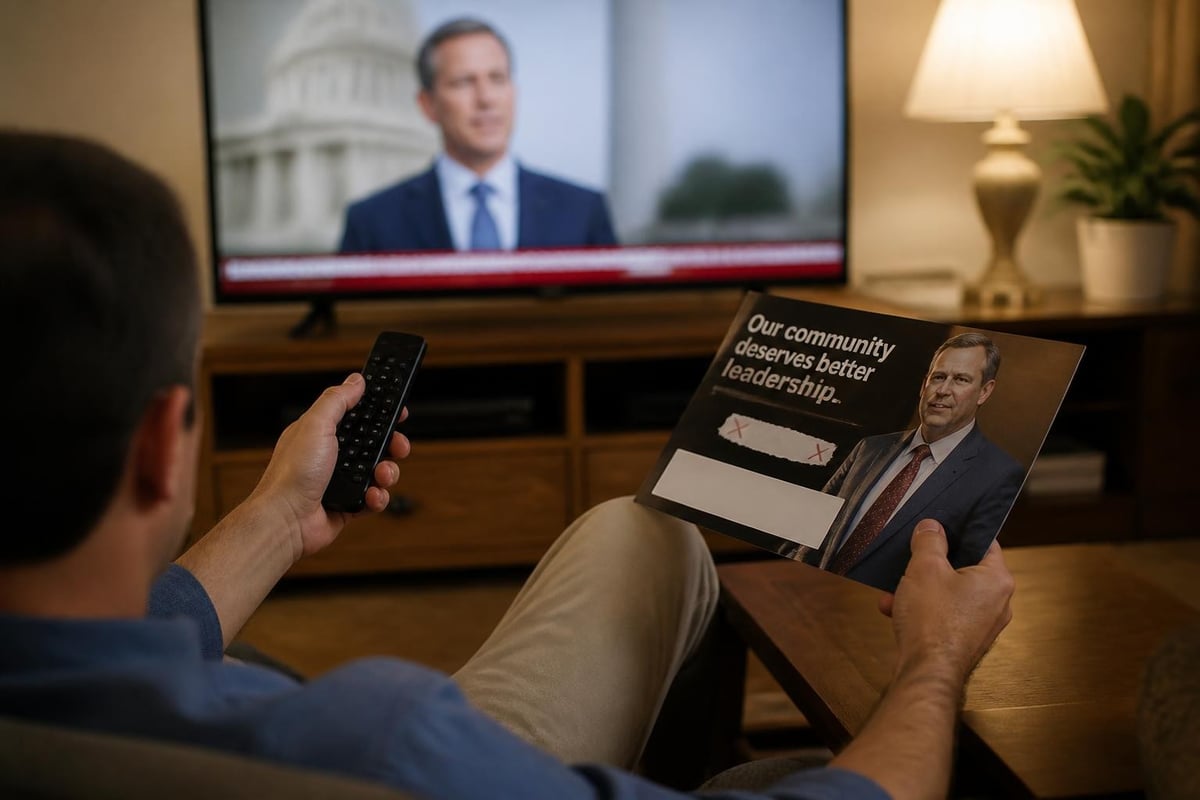
The Coordination Question
Federal law prohibits coordination between Super PACs and the campaigns they support, but defining coordination in practice proves challenging. The FEC has established a three-part test for coordination: there must be payment for a communication, the communication must meet certain content standards, and there must be coordination through specific conduct standards.
Campaigns and Super PACs have developed sophisticated methods to operate near the boundary without crossing it. Candidates might appear at Super PAC fundraisers before officially declaring candidacy. Campaigns publicly release detailed advertising footage and strategic information that Super PACs can legally use. Former campaign staff frequently move to supporting Super PACs, bringing intimate knowledge of strategy while technically avoiding prohibited coordination.
Recent scholarly analysis of campaign finance regulation has examined how these practices test the limits of existing coordination rules and whether current enforcement mechanisms adequately preserve the independence requirement that justifies unlimited Super PAC fundraising under constitutional precedent.
Dark Money and Nonprofit Connections
The story of political donations and super pacs explained extends beyond registered Super PACs to include "dark money" groups that don't disclose their donors. Some tax-exempt organizations, particularly 501(c)(4) social welfare organizations, can engage in limited political activity without revealing contributors. These groups sometimes donate to Super PACs, creating a disclosure gap where the original funding source remains hidden.
A 501(c)(4) organization might spend millions on issue advocacy or donate to a Super PAC, reporting the nonprofit as the donor while the individuals or corporations funding that nonprofit remain anonymous. The IRS rules governing tax-exempt organizations allow this structure, provided political activity isn't the organization's primary purpose.
How Dark Money Flows Into Presidential Politics
- Wealthy donors contribute to 501(c)(4) organizations that don't disclose donors
- Nonprofits engage in issue advocacy or political activity within IRS limits
- Transfer to Super PACs occurs when dark money groups donate to registered committees
- Disclosure shows only the nonprofit as donor, not original contributors
- Voters lack complete information about who's funding political messages
This multi-layered structure has drawn criticism from transparency advocates who argue voters deserve to know who's funding political campaigns. Recent analysis of donor concentration and transparency suggests that outside spending and large-donor influence have reshaped competitive dynamics in presidential elections, potentially affecting policy outcomes.
Presidential Campaigns and Super PAC Strategy
Modern presidential candidates launch campaigns knowing aligned Super PACs will play a major role in their success or failure. While campaigns cannot coordinate with these groups, the independent spending often dwarfs official campaign budgets. Presidential hopefuls cultivate relationships with major donors who can fund Super PACs, and former staffers frequently lead these organizations.
The strategic division of labor typically sees campaigns focus on direct voter contact, candidate travel, and core messaging, while Super PACs concentrate on expensive television advertising, opposition research, and rapid response to competitor attacks. This parallel infrastructure requires campaigns to operate knowing that substantial resources exist beyond their direct control but working toward shared electoral goals.
For readers following coverage at U.S. Presidential Report, understanding this dynamic is essential to interpreting campaign developments and spending patterns. The relationship between official campaigns and supporting Super PACs shapes everything from debate preparation to advertising strategy, even as coordination prohibitions nominally keep them separate.
Disclosure Requirements and Public Transparency
Despite concerns about dark money, Super PACs themselves must disclose contributions and expenditures to the FEC. These committees file regular reports showing:
- Donor names and amounts for contributions over $200
- Expenditure details including advertising buys and vendor payments
- Independent expenditure reports within 24-48 hours of spending near elections
- Debts and obligations owed by the committee
These disclosures create a public record that journalists, researchers, and voters can examine. The FEC maintains searchable databases of campaign finance information, allowing anyone to track money flowing through presidential races. However, disclosure happens on a delayed schedule, meaning voters often learn about spending after key primaries or debates have concluded.
| Report Type | Filing Deadline | Information Disclosed | Public Availability |
|---|---|---|---|
| Monthly (non-election year) | 20th of month | Contributions and expenditures | Immediate |
| Quarterly (off-months) | 15 days after quarter | Contributions and expenditures | Immediate |
| Pre-election | 12 days before election | All activity to date | Immediate |
| Independent expenditure (24-hour) | Within 24 hours | Expenditures over $1,000 | Immediate |
| Post-general | 30 days after election | Complete cycle summary | Immediate |

State-Level Variations and Federal Focus
While this discussion centers on federal presidential campaigns, many states have their own campaign finance regulations governing state and local races. Some states impose stricter limits on contributions and independent expenditures than federal law requires. Others have adopted more permissive approaches, creating a patchwork of rules across jurisdictions.
Presidential campaigns must navigate only the federal framework administered by the FEC, but Super PACs active in multiple states may face state-level disclosure requirements when spending on down-ballot races. The interplay between federal and state regulation adds complexity to political donations and super pacs explained, particularly when national organizations engage in state-level elections alongside presidential contests.
The Small-Donor Movement and Alternative Models
In response to Super PAC dominance, some presidential candidates have experimented with small-donor fundraising strategies, declining Super PAC support or attempting to demonstrate grassroots financial backing. These campaigns argue that broad-based small donations better represent democratic ideals and reduce dependency on wealthy benefactors.
Digital fundraising platforms have made it easier for campaigns to solicit and process small contributions, with some candidates raising substantial percentages of their funds from donors giving under $200. However, research shows that even with robust small-donor programs, most competitive presidential campaigns still benefit from substantial Super PAC spending funded by major contributors.
The ongoing analysis of small-donor dynamics reveals mixed results, with questions about whether small-donor-funded campaigns genuinely reduce special interest influence or simply add another fundraising channel alongside traditional large-donor networks.
Policy Debates and Reform Proposals
Campaign finance reform remains a contentious political issue, with proposals ranging from constitutional amendments to overturn Citizens United to more targeted disclosure requirements. Reform advocates typically support:
- Mandatory disclosure of all political spending, including closing dark money loopholes
- Public financing systems to reduce dependence on private donors
- Tighter coordination rules to prevent de facto collaboration between campaigns and Super PACs
- Constitutional amendments to permit greater regulation of political spending
- Enhanced enforcement resources for the FEC to investigate violations
Opponents of major reforms argue that existing disclosure requirements provide adequate transparency, that spending limits violate First Amendment rights, and that regulation inevitably favors incumbents who benefit from name recognition and free media coverage. The debate intersects with broader questions about presidential policy priorities and governance philosophy.
Looking Ahead to Future Presidential Cycles
As the 2028 presidential election approaches, political donations and super pacs explained will remain relevant to understanding how candidates build competitive campaigns. Current trends suggest continued growth in independent spending, with technological advances enabling more sophisticated targeting and messaging strategies. Cryptocurrency and digital assets may introduce new compliance challenges as campaigns and Super PACs explore alternative fundraising methods.
The regulatory framework will likely evolve through both FEC rulemaking and additional court decisions. Congressional action remains possible but faces significant partisan divisions over the proper scope of campaign finance regulation. Voters seeking to understand presidential politics must grapple with this complex system, recognizing how money shapes candidate viability and policy priorities.
Understanding the mechanics of campaign finance helps citizens evaluate the political process more critically and recognize the various interests seeking to influence presidential decision-making. Whether the current system serves democratic ideals or requires fundamental reform remains a central question in American political debate.
The complex world of campaign finance shapes every presidential election, determining which candidates can compete and which voices gain amplification. Understanding how traditional PACs, Super PACs, and dark money groups operate empowers voters to look beyond campaign messaging and evaluate the interests backing each candidate. For comprehensive, non-partisan coverage of presidential campaigns and the forces shaping American governance, U.S. Presidential Report delivers the context you need to make informed judgments about the political process and its impact on policy.