The integrity of American democracy rests on the principle that citizens alone decide who leads their government. Yet foreign adversaries have repeatedly attempted to undermine this foundational concept by interfering in electoral processes. Understanding the mechanisms, history, and countermeasures surrounding foreign influence in US elections has become essential for protecting democratic institutions in an interconnected digital age. As the 2026 midterm elections approach, voters and officials must remain vigilant about sophisticated threats that evolve with each election cycle.
Historical Context of Foreign Electoral Interference
Foreign attempts to shape American political outcomes are not new phenomena. During the Cold War era, both Soviet and American intelligence agencies invested heavily in influencing elections worldwide, including operations targeting domestic politics in rival nations.
The 2016 presidential election marked a watershed moment when foreign influence in US elections entered the digital age at scale. Russian operatives conducted coordinated campaigns using social media platforms, hacked political organizations, and strategically released stolen information to influence voter perceptions. The scope and sophistication shocked security experts and policymakers alike.
Evolution of Interference Tactics
Modern interference campaigns employ multiple vectors simultaneously:
- Social media manipulation creating fake accounts and amplifying divisive content
- Cyberattacks targeting campaign infrastructure and election systems
- Disinformation operations spreading false narratives through coordinated networks
- Financial influence attempting to funnel prohibited contributions through intermediaries
The Federal Election Commission prohibits foreign nationals from making contributions or expenditures in connection with any US election, establishing clear legal boundaries that adversaries continuously seek to circumvent.
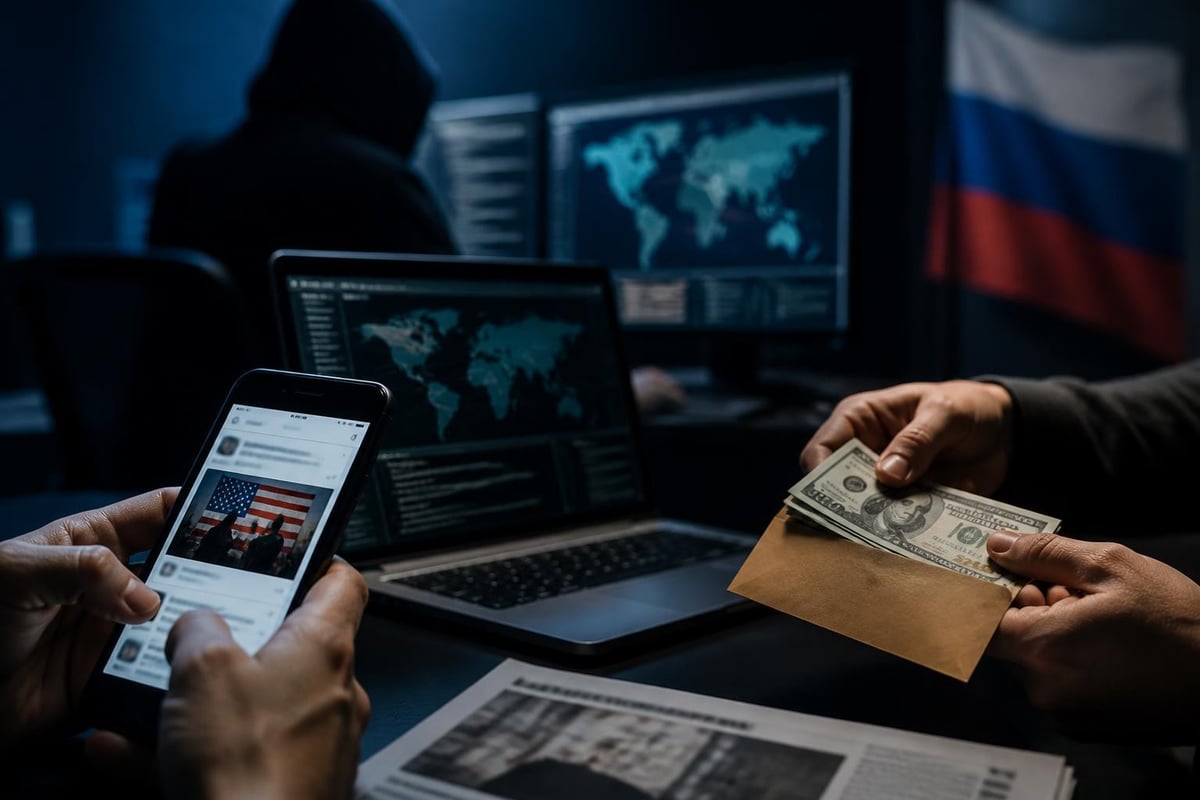
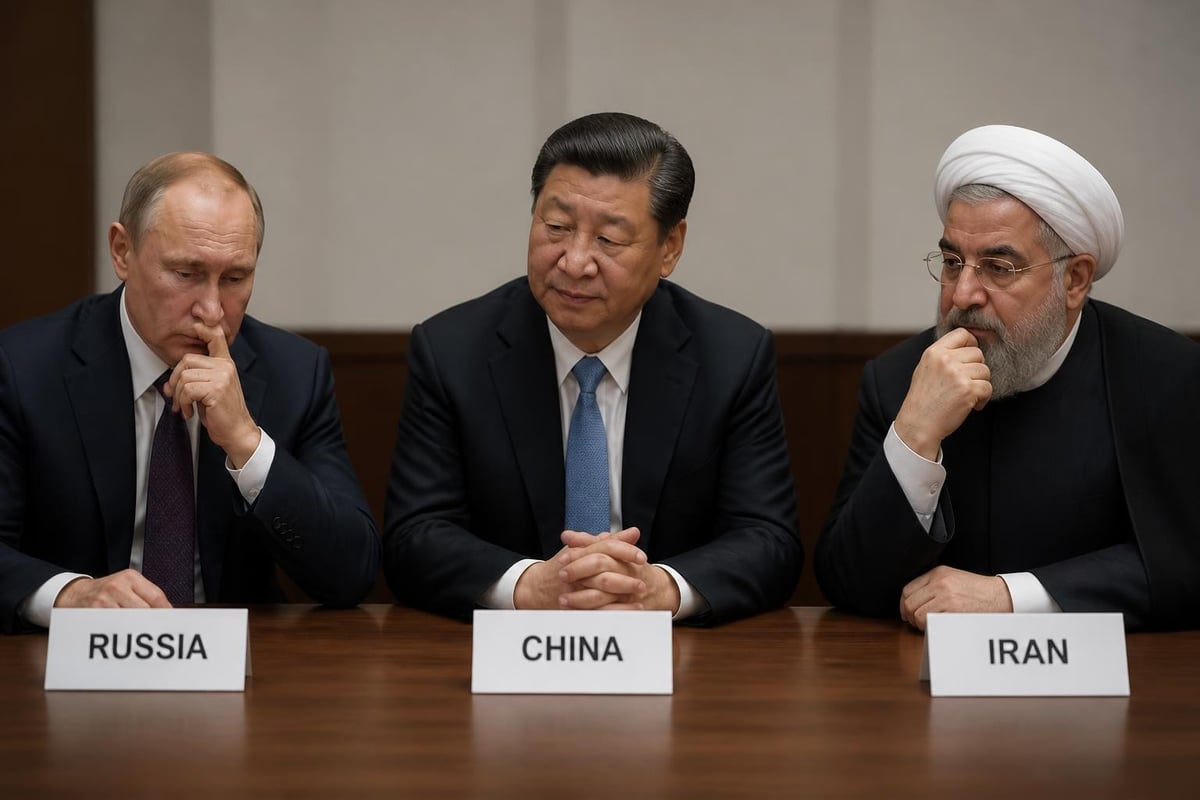
Documented cases from 2020 through 2024 demonstrate that multiple nation-states view American electoral periods as opportunities for strategic operations. China, Russia, and Iran have all been identified in intelligence assessments as conducting influence activities, though their methods and objectives differ significantly.
Legal Framework and Regulatory Oversight
The prohibition against foreign influence in US elections derives from multiple legal sources. Federal election law explicitly bars foreign nationals from directly or indirectly making contributions, donations, or expenditures in connection with federal, state, or local elections.
Enforcement Mechanisms
Several agencies share responsibility for detecting and countering foreign interference:
| Agency | Primary Role | Key Responsibilities |
|---|---|---|
| Department of Justice | Criminal prosecution | Investigating violations of campaign finance law and computer fraud |
| Department of Homeland Security | Infrastructure protection | Securing election systems and information sharing |
| Federal Election Commission | Civil enforcement | Monitoring campaign finance compliance |
| Intelligence Community | Threat assessment | Identifying foreign operations and attribution |
The joint DOJ-DHS report on the 2022 elections highlighted continuing threats while noting improvements in information sharing between federal agencies and state election officials. These partnerships enable faster detection and response to emerging threats.
Recent legislative efforts have focused on improving transparency around online political advertising and requiring campaigns to report contacts with foreign agents. However, enforcement remains challenging given the speed of digital communications and the difficulty of attributing covert operations.
Contemporary Threat Landscape
Foreign influence in US elections has become more sophisticated and multifaceted since 2016. Adversaries learned from previous operations, adapting their tactics to evade detection and maximize impact.
Nation-State Actors and Their Objectives
Different countries pursue distinct goals through electoral interference:
Russia typically aims to sow discord, undermine confidence in democratic processes, and promote candidates perceived as favorable to Russian interests. Operations often involve both cyber intrusions and influence campaigns.
China focuses more on shaping perceptions of Chinese policies and targeting candidates based on their positions regarding Taiwan, trade, and human rights. Chinese operations tend to be more targeted and less overtly disruptive than Russian campaigns.
Iran has conducted influence operations aimed at undermining candidates perceived as hostile to Iranian interests, often using social media personas and hack-and-leak operations similar to Russian tactics.
The Council on Foreign Relations’ research on foreign influence provides comprehensive analysis of how these actors seek to shape American political discourse and decision-making.
Disinformation and Information Operations
Modern influence campaigns exploit social media algorithms and human psychology to spread false narratives rapidly. Foreign operatives create networks of inauthentic accounts that mimic American citizens, gradually building credibility before pushing divisive content during critical campaign periods.
These operations often amplify genuine domestic controversies rather than creating entirely fabricated stories. By piggy-backing on real political divisions, foreign actors make their campaigns harder to distinguish from authentic political discourse.
The Oxford Internet Institute’s elections research documents how computational propaganda techniques have evolved, with adversaries using artificial intelligence to generate more convincing fake content and automate account behavior.
Election Infrastructure Security
Beyond influence operations targeting voters, foreign actors have also probed election infrastructure itself. While no evidence indicates that foreign interference has successfully altered vote tallies, attempted intrusions into voter registration databases and election management systems have been documented.
Multi-Layered Defense Approach
State and local election officials have implemented numerous security improvements:
- Risk-limiting audits to verify electronic vote counts against paper records
- Network segmentation isolating critical systems from internet access
- Cybersecurity training for election workers and officials
- Incident response protocols enabling rapid coordination with federal agencies
- Voter-verified paper ballots providing auditable records
The Election Assistance Commission’s security preparedness resources offer practical guidance for election officials working to harden infrastructure against potential attacks.
Investment in election security has increased substantially since 2016, with hundreds of millions in federal grants supporting state-level improvements. However, the decentralized nature of American elections means security measures vary significantly across jurisdictions.
Detection and Attribution Challenges
Identifying foreign influence in US elections presents substantial technical and analytical challenges. Sophisticated adversaries use multiple layers of obfuscation to mask their origins and intentions.
Technical Obstacles
Attribution requires connecting specific activities to foreign governments through digital forensics, intelligence collection, and pattern analysis. Skilled operators use compromised infrastructure in third countries, making definitive attribution time-consuming and complex.
Private sector researchers, academic institutions, and government agencies all contribute to threat detection. The Interference 2024 tracker demonstrates how open-source research can document suspected influence operations, though attribution standards vary between private and government assessments.
Social media platforms have improved their ability to detect coordinated inauthentic behavior, removing networks of foreign-controlled accounts. However, adversaries continuously adapt their tactics, creating more sophisticated personas that blend with genuine users.
Campaign-Level Vulnerabilities
Political campaigns themselves represent attractive targets for foreign intelligence services seeking strategic information or opportunities to influence outcomes. Campaign networks often lack the security resources of government agencies, making them vulnerable to phishing attacks and network intrusions.
Best Practices for Campaign Security
Security experts recommend campaigns implement fundamental protections:
- Multi-factor authentication for all accounts containing sensitive information
- Security awareness training teaching staff to recognize phishing attempts
- Encrypted communications for sensitive discussions and document sharing
- Incident response planning establishing procedures if breaches occur
- Background checks for staff with access to strategic information
Campaigns must also navigate legal obligations to report suspicious contacts with foreign nationals. The heightened political environment can complicate these decisions, as legitimate international media inquiries must be distinguished from potentially problematic interactions.
Many campaigns now employ dedicated cybersecurity professionals or consultants, recognizing that digital security has become as important as traditional campaign logistics. For context on how presidential candidates navigate these complex security environments, coverage on platforms like U.S. Presidential Report provides valuable insights into campaign operations and security challenges.
Voter Education and Media Literacy
Empowering citizens to recognize and resist foreign influence in US elections requires improving public understanding of information manipulation tactics. Media literacy initiatives help voters evaluate source credibility and identify potentially false content.
Critical Evaluation Skills
Voters can protect themselves by developing habits of information verification:
| Practice | Purpose | Implementation |
|---|---|---|
| Source checking | Verify publisher credibility | Examine About pages, check domain names |
| Lateral reading | Cross-reference claims | Search claims across multiple sources |
| Reverse image search | Detect manipulated visuals | Use tools to find original image context |
| Emotional awareness | Recognize manipulation | Pause before sharing content that triggers strong reactions |
Educational institutions, libraries, and civic organizations have launched programs teaching these skills, particularly before election periods when disinformation typically intensifies.

International Cooperation and Norms
Addressing foreign influence in US elections increasingly requires international coordination. Democratic nations face similar threats and benefit from sharing intelligence, best practices, and diplomatic responses.
The United States has worked with European allies who have experienced their own electoral interference incidents. Joint initiatives include information sharing agreements, coordinated sanctions against identified perpetrators, and collaborative research on emerging threats.
Establishing international norms regarding acceptable state behavior in cyberspace remains a work in progress. While most democracies reject interference in other nations' elections, enforcement mechanisms and consequences for violations remain limited.
Technological Countermeasures and Innovation
Technology companies, cybersecurity firms, and research institutions continue developing tools to detect and counter foreign influence operations. Artificial intelligence systems can identify patterns of coordinated inauthentic behavior that human analysts might miss.
Emerging Detection Technologies
Machine learning algorithms analyze account behavior, content sharing patterns, and network structures to flag potential influence operations. These systems grow more sophisticated as they process larger datasets and incorporate lessons from previous campaigns.
However, the same artificial intelligence tools that help detect disinformation can also generate more convincing fake content. The ongoing technological arms race between defenders and adversaries will likely continue accelerating.
Blockchain-based verification systems have been proposed for validating content authenticity, though widespread implementation faces practical obstacles. Digital watermarking and content provenance tracking may play larger roles in future elections.
State and Local Response Capacity
While federal agencies coordinate threat intelligence, state and local officials ultimately administer elections. Building capacity at these levels remains critical for comprehensive protection against foreign influence in US elections.
Resource constraints challenge smaller jurisdictions particularly hard. Rural counties may lack dedicated IT staff, let alone cybersecurity specialists. Federal grant programs and state-level support help bridge these gaps, but disparities persist.
Regional partnerships allow smaller jurisdictions to share expertise and resources. Multi-state information sharing organizations facilitate coordination and provide access to threat intelligence that individual counties could not obtain independently.
Future Outlook and Evolving Threats
The 2026 midterm elections and the 2028 presidential race will face threats that continue evolving. Generative artificial intelligence enables creation of highly realistic fake audio and video content, complicating voters' ability to distinguish authentic materials from fabrications.
Foreign adversaries will likely continue refining their targeting methods, using data analytics to identify persuadable voters and tailor messages to specific demographics. The fragmentation of information ecosystems makes coordinated responses more difficult, as different communities consume entirely separate news sources.
Quantum computing developments may eventually threaten encryption systems protecting campaign communications and election infrastructure, though practical applications remain years away. Planning for these long-term technological shifts requires sustained investment and research.
Protecting electoral integrity from foreign interference requires sustained vigilance, technological innovation, and public awareness. Understanding the threats and safeguards surrounding foreign influence in US elections empowers citizens to defend democratic processes. For comprehensive, non-partisan coverage of presidential elections, campaign security, and related political developments, U.S. Presidential Report provides timely analysis and insights into how these challenges shape American governance and the race for the White House.