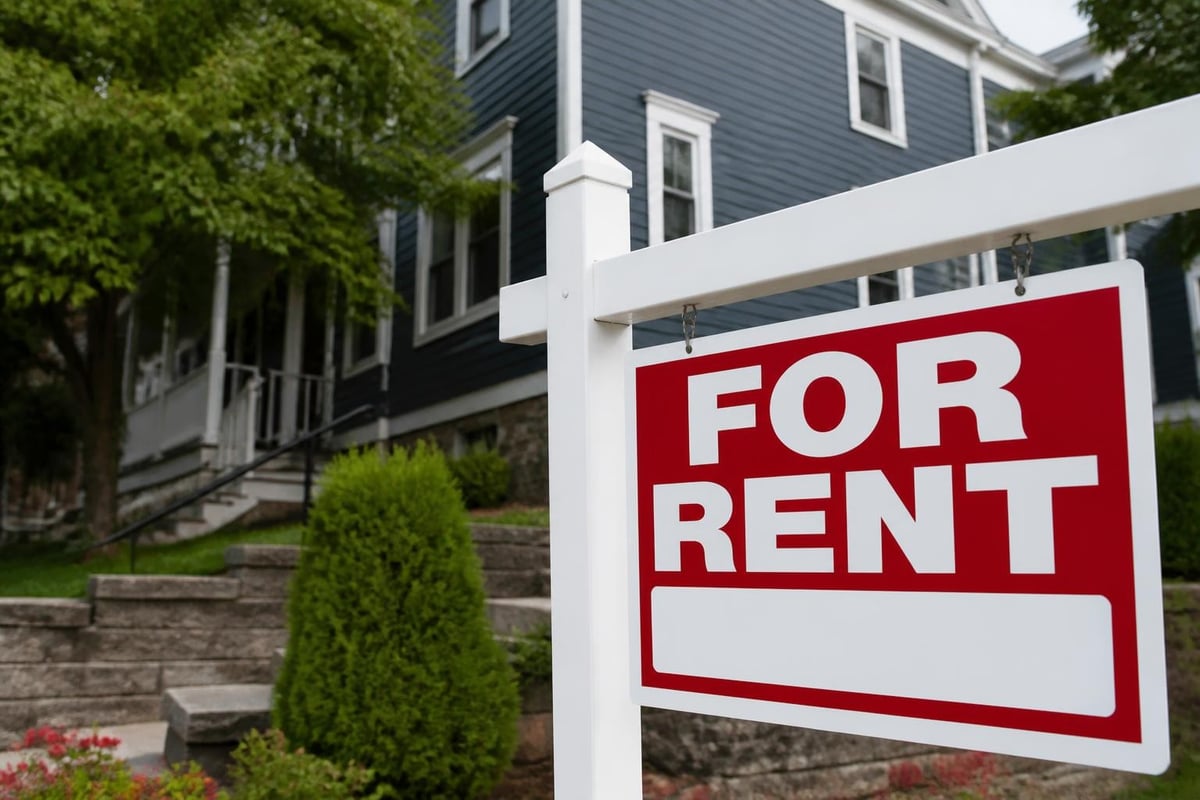
The housing crisis and US elections have become inextricably linked as Americans face unprecedented challenges in finding affordable places to live. With median home prices rising dramatically and rental costs consuming larger portions of household budgets, housing affordability has emerged as a critical issue influencing voter behavior and campaign strategies. Presidential candidates, congressional representatives, and local officials increasingly recognize that addressing housing concerns can determine electoral outcomes. This intersection of housing policy and political power shapes how candidates communicate with voters and how Americans evaluate their elected leaders.
Rising Housing Costs Drive Electoral Urgency
Housing affordability reached crisis levels across the United States, fundamentally altering the political landscape. Median home prices have climbed to record highs, while rental costs continue to outpace wage growth in nearly every major metropolitan area. According to authoritative Census Bureau data on housing cost burden, millions of American households now spend more than 30 percent of their income on housing, meeting the technical definition of cost-burdened.
This economic pressure translates directly into political demand. Voters experiencing housing stress increasingly prioritize candidates who offer concrete solutions rather than abstract policy discussions. The housing crisis and US elections connection became particularly evident during the 2024 and 2026 campaign cycles, when candidates at all levels faced persistent questions about their housing plans.
Economic Pain Points That Mobilize Voters
Several specific housing challenges dominate voter concerns:
- First-time homebuyer barriers: Down payment requirements and mortgage rates price out younger voters
- Rental affordability gaps: Working families struggle to find rentals within budget constraints
- Housing supply shortages: Limited inventory drives competition and inflates prices
- Zoning restrictions: Local regulations prevent new construction in high-demand areas
- Corporate investment: Institutional investors purchasing single-family homes reduce owner-occupancy opportunities
These pain points create electoral vulnerability for incumbents and opportunities for challengers promising reform.
Presidential Campaigns Address Housing Affordability
Presidential candidates have developed increasingly sophisticated housing platforms recognizing the electoral significance of this issue. The housing crisis and US elections dynamic pushed candidates to move beyond general statements toward specific policy proposals with measurable impacts.
During recent presidential campaigns, candidates proposed various approaches to expanding housing affordability. These included down payment assistance programs, tax credits for first-time buyers, incentives for new construction, and federal interventions in local zoning regulations. Each approach carries different implications for federal authority, budgetary costs, and political feasibility.
| Policy Approach | Target Beneficiaries | Federal Cost | Implementation Complexity |
|---|---|---|---|
| Down payment assistance | First-time buyers | High | Moderate |
| Builder tax credits | Developers/renters | Moderate | Low |
| Zoning reform incentives | Metropolitan residents | Low | High |
| Public housing expansion | Low-income families | Very High | Very High |
The comprehensive policy analysis from Brookings examined how these proposals performed during the election season, revealing that voters responded most positively to concrete, immediate interventions rather than long-term structural reforms.
Campaign Messaging Strategies
Successful candidates framed housing as both an economic opportunity and a generational fairness issue. Younger voters particularly resonated with messages acknowledging how housing costs delay family formation, career flexibility, and wealth accumulation. Campaign advertisements frequently featured real families struggling with housing decisions, personalizing abstract statistics.
Presidential debates allocated substantial time to housing questions, with moderators pressing candidates on implementation timelines and funding mechanisms. This elevated attention reflected polling data showing housing among the top five voter concerns nationwide. Candidates who provided specific answers gained credibility, while those offering vague commitments faced skepticism.
Congressional Races and Housing Policy Positions
Congressional candidates encountered equally intense scrutiny regarding their housing positions. The housing crisis and US elections connection manifested differently at this level, with voters evaluating incumbents' legislative records and challengers' proposals for specific bills.
Federal legislative options outlined by the Congressional Research Service provided a framework for congressional campaigns. Candidates referenced pending bills, past votes, and committee work to demonstrate their engagement with housing issues. Those representing districts with severe affordability challenges faced particularly tough questions about what they had accomplished or would prioritize.
District-Level Housing Pressures
House races in high-cost metropolitan areas became referendums on housing policy effectiveness. Incumbents defended their records while challengers argued for more aggressive interventions. Some races featured candidates from both parties competing over who offered superior housing solutions, moving beyond traditional partisan divisions.
Senate races similarly elevated housing concerns, especially in states experiencing rapid population growth or housing market volatility. Candidates proposed state-specific solutions while addressing federal policy levers available to senators. Campaign platforms integrated local housing data with national policy frameworks, demonstrating understanding of both community needs and legislative processes.
State and Local Ballot Measures Expand Housing Solutions
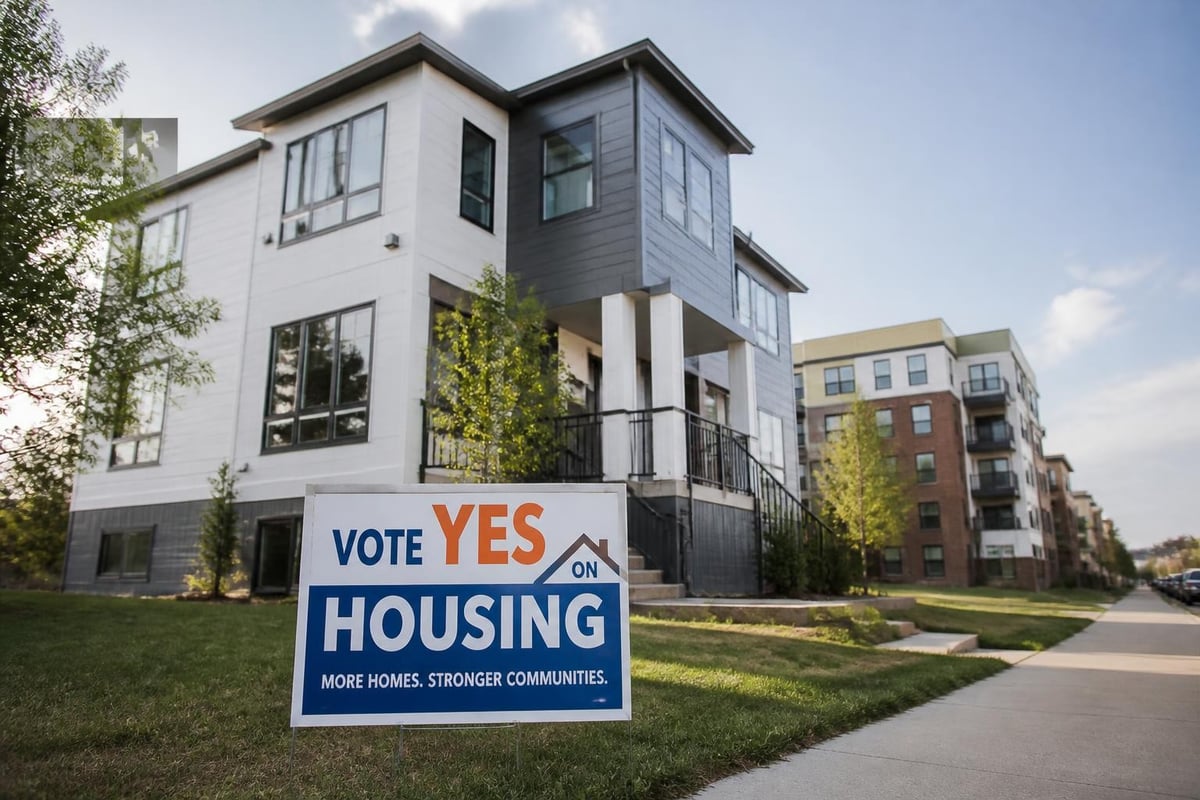
Beyond candidate elections, voters directly decided housing policy through ballot measures. The housing crisis and US elections relationship included this direct democracy component, allowing citizens to approve or reject specific interventions without waiting for legislative action.
Housing ballot initiatives analyzed by the Urban Institute revealed diverse approaches across jurisdictions. Some measures authorized affordable housing bonds, others modified rent control regulations, and several addressed zoning reform or homeless services funding.
The National Low Income Housing Coalition’s comprehensive ballot measure report documented outcomes across dozens of communities. Success rates varied significantly based on measure design, campaign funding, and local political conditions. Measures with clear beneficiaries and transparent funding mechanisms generally performed better than complex regulatory reforms.
Geographic Patterns in Ballot Measure Support
Western states with severe housing affordability challenges showed strong support for interventionist measures. Voters in these jurisdictions approved billions in housing bonds and development incentives. Conversely, some communities rejected measures perceived as too expensive or insufficiently targeted.
Ballot measure campaigns became sophisticated political operations, with affordable housing advocates, real estate interests, neighborhood groups, and business coalitions investing heavily in outcome determination. These campaigns provided testing grounds for messaging strategies later adopted in candidate elections.
Voter Mobilization Around Housing Issues
Housing advocacy organizations recognized the electoral potential of cost-burdened voters and developed targeted mobilization strategies. The housing crisis and US elections intersection created opportunities for issue-based organizing that crossed traditional partisan lines.
Mobilization efforts focused on several key activities:
- Voter registration targeting renters and first-time homebuyers
- Candidate questionnaires published to inform voter decisions
- Issue education through forums and digital campaigns
- Get-out-the-vote efforts in housing-stressed communities
- Post-election accountability tracking elected officials' housing votes
These activities increased housing's salience in electoral calculations. Candidates who ignored housing concerns risked losing engaged, organized constituencies.
Housing as a Cross-Cutting Issue
Housing uniquely appeals across demographic and political divisions. Young professionals, working families, seniors on fixed incomes, and service workers all experience housing affordability challenges. This broad impact enabled coalition-building that transcended typical political alignments.
Some conservative voters supported housing interventions despite general skepticism of government programs, recognizing market failures in housing supply. Progressive voters sometimes opposed specific affordable housing projects due to neighborhood concerns, revealing complexity beyond ideological predictability. These cross-cutting dynamics made housing a distinctive electoral issue requiring nuanced campaign approaches.
Historical Precedents: Housing Crises Shaping Electoral Outcomes
The current housing crisis and US elections connection has historical precedents demonstrating how housing conditions influence political change. The subprime mortgage crisis and subsequent Great Recession dramatically affected the 2008 and 2010 elections, with academic research documenting the causal relationship between housing distress and voting patterns.
Voters who experienced foreclosure or severe housing wealth losses shifted their electoral behavior significantly. Incumbent parties faced punishment in areas hardest hit by housing market collapse. This historical pattern suggests current housing affordability challenges could similarly reshape electoral coalitions and partisan alignments.
Earlier housing crises also influenced elections, though with different mechanisms. Post-World War II housing shortages affected the 1946 and 1948 elections, while urban housing conditions contributed to political realignments during the 1960s and 1970s. Each era's housing challenges produced distinct political responses, but the underlying pattern remained consistent: housing stress creates electoral volatility.
Federal Agency Responses and Electoral Implications
Federal housing agencies' actions during election cycles carry political significance beyond administrative function. HUD announcements on housing conditions and survey results release data that candidates and media use to frame housing debates. Timing of program announcements, funding releases, and regulatory changes can influence electoral narratives.
Presidential administrations face pressures to demonstrate housing progress before elections. New initiatives, expanded programs, or regulatory reforms announced in election years serve both policy and political purposes. Opposition parties scrutinize these actions for genuine impact versus political positioning.
Administrative Actions as Campaign Material
Both incumbent and challenger campaigns reference federal housing data and programs extensively. Incumbents highlight new resources, improved metrics, or program expansions. Challengers point to persistent problems, unmet needs, or ineffective approaches requiring leadership change.
The administrative state's housing work thus becomes campaign material, with technical agency reports translated into political messaging. This dynamic intensifies during presidential election years when executive branch housing actions receive heightened scrutiny. For detailed coverage of how presidential policies intersect with domestic challenges, U.S. Presidential Report’s politics section provides comprehensive analysis.
Regional Variations in Housing Politics
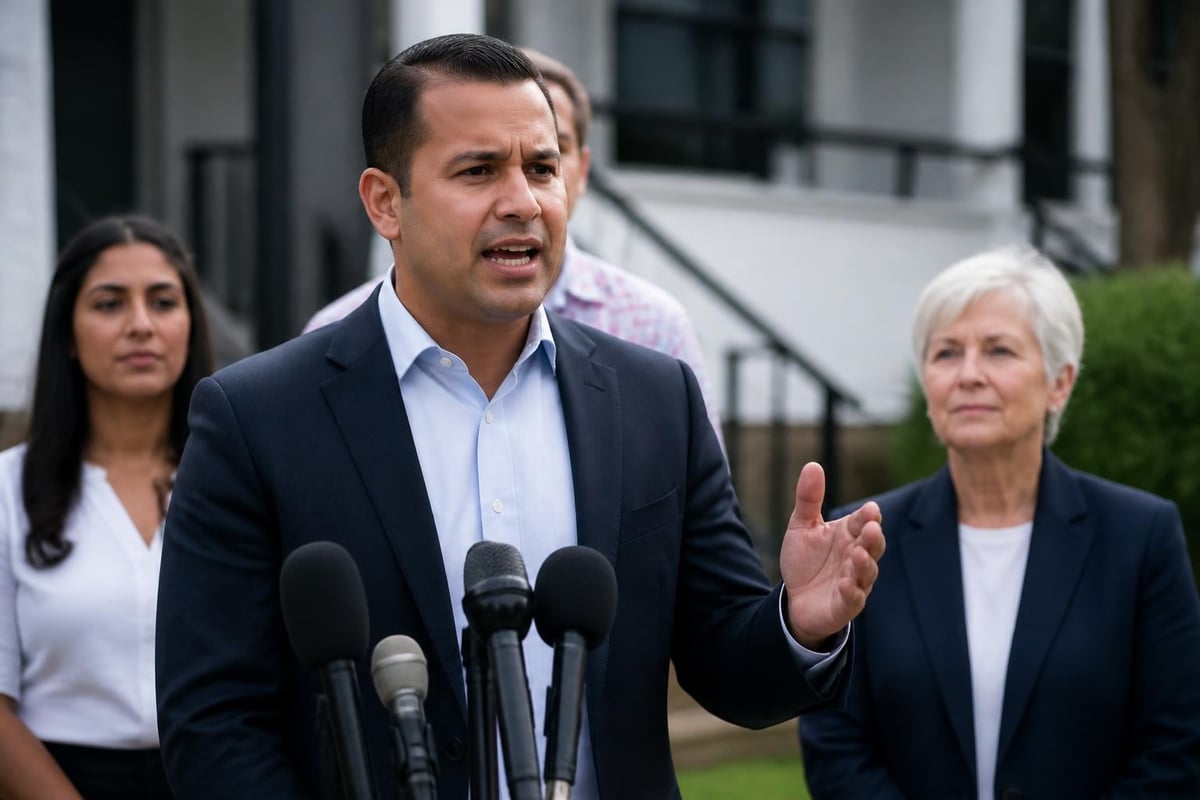
The housing crisis and US elections connection manifests differently across regions based on local market conditions and political cultures. Coastal metropolitan areas with extreme housing costs face different political dynamics than Sunbelt cities experiencing rapid growth or Rust Belt communities with housing stock challenges.
West Coast states confront severe supply-demand imbalances driving astronomical prices. Electoral politics in these states increasingly center on zoning reform, transit-oriented development, and housing production targets. Candidates face pressure to support aggressive interventions despite potential neighborhood opposition.
Southeastern growth markets balance development enthusiasm with infrastructure concerns and displacement fears. Electoral debates focus on managing growth impacts, preserving affordability amid expansion, and ensuring development benefits existing residents. Different political coalitions form around these issues compared to high-cost coastal markets.
Midwestern industrial cities address housing stock quality, vacancy challenges, and legacy costs from population decline. Electoral politics emphasize stabilization, rehabilitation, and attracting new residents. Housing connects to broader economic revitalization strategies in candidate platforms.
Suburban Housing Politics
Suburban communities nationwide face housing pressures creating electoral tensions between existing homeowners protecting property values and prospective residents seeking affordable entry points. These tensions produce complex local elections where housing policy divides traditional political coalitions.
Some suburban voters support restrictive zoning maintaining community character, while others recognize exclusionary impacts and support gentle density increases. Candidates navigate these divisions carefully, seeking positions that acknowledge legitimate concerns while advancing affordability goals. Successful suburban candidates often emphasize incremental approaches, community engagement, and context-sensitive solutions rather than dramatic policy shifts.
Economic Data Driving Housing Electoral Narratives
Quantitative measures of housing affordability provide the empirical foundation for electoral debates. Candidates and campaigns reference specific statistics to support their positions and critique opponents. Key metrics include:
- Median home price-to-income ratios showing historical affordability trends
- Rent burden percentages indicating household financial stress
- Housing starts data measuring construction activity and supply responses
- Homeownership rates tracking access across demographic groups
- Inventory levels quantifying available housing stock
These data points, regularly updated by government agencies and private sources, create a factual backdrop for political arguments. Candidates selectively emphasize statistics supporting their narratives while contextualizing or dismissing contradictory data.
The housing crisis and US elections dialogue relies heavily on this empirical foundation. Voters evaluate candidate claims against their lived experiences and reported statistics, creating accountability pressures for accurate representation. Candidates who misrepresent housing data face fact-checking and credibility challenges.
Media Coverage Amplifying Housing Electoral Salience
News media treatment of housing issues significantly influences their electoral importance. Increased coverage elevates public awareness and pressures candidates to develop detailed positions. Major newspapers, television networks, and digital outlets expanded housing coverage during recent election cycles, reflecting both genuine newsworthiness and audience interest.
Investigative journalism exposing housing market dysfunctions, profiling cost-burdened families, or analyzing policy failures creates electoral pressure on incumbents. Feature stories about voters making electoral decisions based on housing concerns signal political professionals that this issue drives behavior.
Debate moderators' question selection reflects this media attention. Housing questions now regularly appear in presidential primary debates, general election forums, and congressional candidate discussions. This visibility reinforces housing's status as a legitimate major issue rather than a niche concern.
Future Electoral Implications of Persistent Housing Challenges
The housing crisis and US elections relationship will likely intensify if affordability challenges persist or worsen. Electoral strategists increasingly recognize housing as a mobilizing issue capable of influencing turnout and vote choice, particularly among younger voters and urban residents.
Future candidates will face expectations for detailed housing platforms developed early in campaigns. Generic statements about "making housing affordable" will prove insufficient against opponents offering specific timelines, funding commitments, and implementation strategies. Electoral advantages will accrue to candidates demonstrating genuine understanding of housing markets, policy tools, and local conditions.
Policy experimentation at state and local levels will continue providing real-world evidence of intervention effectiveness. Successful approaches will spread across jurisdictions and inform federal policy debates. Failed experiments will serve as cautionary examples in campaign attacks. This iterative process of trial, evaluation, and political interpretation will shape housing's electoral role for years ahead.
The demographic composition of cost-burdened populations also affects future politics. As housing stress affects broader segments of the middle class beyond traditionally disadvantaged groups, electoral coalitions supporting intervention will expand. This expansion could enable more ambitious housing policy than currently politically feasible, particularly if economic conditions worsen or generational wealth transfers prove insufficient to address affordability gaps. Comprehensive coverage of how these policy debates unfold at the presidential level is available through U.S. Presidential Report.
The housing crisis and US elections have become fundamentally interconnected, with affordability challenges driving voter priorities and candidate platforms across all levels of government. As housing costs continue straining household budgets and limiting economic opportunity, elected officials face increasing pressure to deliver meaningful solutions. For comprehensive, non-partisan coverage of how presidential candidates and administrations address this critical issue, U.S. Presidential Report provides in-depth analysis of housing policy debates, campaign positions, and legislative developments affecting Americans' ability to find affordable homes.