Understanding the Democratic Party's approach to immigration requires examining multiple policy dimensions that have evolved significantly over recent decades. As one of the most contentious political issues in American discourse, immigration policy represents a complex intersection of humanitarian concerns, economic considerations, national security priorities, and political strategy. With democrat immigration policies explained in detail, voters and observers can better grasp the nuanced positions that shape this critical aspect of governance and how these stances influence presidential decision-making.
Core Principles of Democratic Immigration Policy
The Democratic Party's immigration framework centers on several foundational principles that distinguish it from alternative approaches. These principles emphasize humanitarian values, economic contributions of immigrants, and systemic reform rather than enforcement-only strategies.
Family reunification stands as a cornerstone objective, with Democratic policymakers consistently advocating for reducing backlogs and expanding opportunities for legal immigration through family-based channels. This approach reflects a belief that maintaining family unity strengthens communities and promotes successful integration.
The party platform includes these key commitments:
- Creating pathways to citizenship for undocumented immigrants already residing in the United States
- Protecting Dreamers and DACA recipients through legislative solutions
- Reforming the asylum system to ensure fair and efficient processing
- Addressing root causes of migration in Central American countries
- Opposing mass deportation initiatives that separate families
The Democratic Party’s official positions outline these priorities while acknowledging the need for border security measures that respect human dignity.
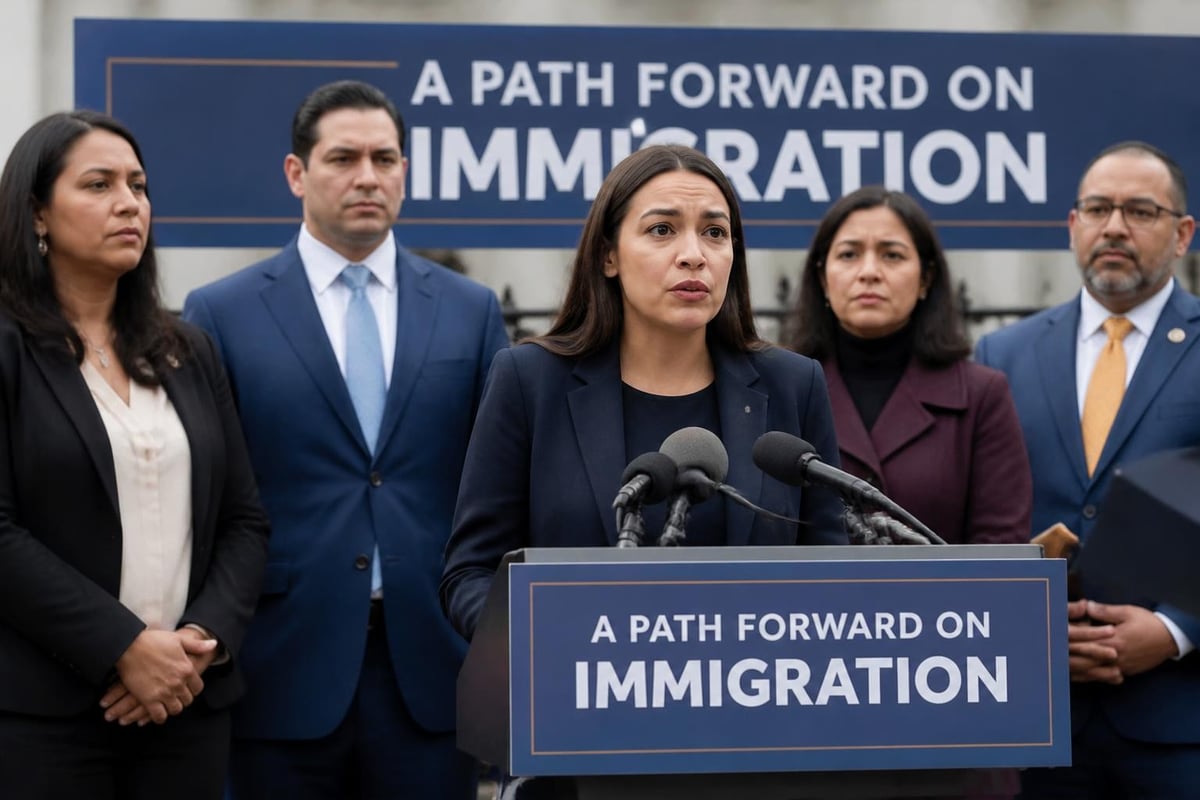
Border Security and Enforcement Perspectives
Democrat immigration policies explained through the lens of border security reveal a significant evolution in recent years. While the party historically supported comprehensive border management, recent political pressures have shifted some Democratic lawmakers toward stricter enforcement positions.
The Shift Toward Stricter Border Policies
According to analysis from Notus, some Democrats have taken what observers describe as a "hard right turn" on border issues. This shift reflects electoral concerns in competitive districts and changing public opinion on immigration management.
| Policy Area | Traditional Democratic Stance | Recent Adjustments |
|---|---|---|
| Border Wall Funding | Generally opposed | Some support for technology and infrastructure |
| Title 42 Enforcement | Opposed on humanitarian grounds | Mixed responses during COVID-19 |
| Asylum Processing | Expand capacity and legal pathways | Support for faster processing and consequences |
| Immigration Detention | Reduce use, improve conditions | Increased funding in some proposals |
The Biden administration's approach demonstrated this tension, initially rolling back Trump-era restrictions while later implementing stricter asylum rules to manage unprecedented border crossings. These policy adjustments illustrate how democrat immigration policies explained in 2026 differ substantially from positions held even five years earlier.
Technology and Infrastructure Investment
Rather than focusing solely on physical barriers, Democratic proposals typically emphasize technological solutions including advanced surveillance systems, improved processing facilities, and enhanced screening capabilities. This approach aims to balance security concerns with efficient legitimate travel and trade.
Pathway to Citizenship Initiatives
Creating legal status for undocumented immigrants represents perhaps the most significant policy divide between Democrats and their opponents. Democrat immigration policies explained in legislative proposals consistently include comprehensive reform that would provide eventual citizenship opportunities.
The proposed pathways generally include these requirements:
- Background checks and security screenings to ensure applicants pose no threat
- Payment of back taxes and penalties acknowledging unlawful presence
- Proof of continuous residence demonstrating long-term ties to communities
- English language and civics requirements promoting integration
- Waiting periods before accessing permanent resident status
- Additional waiting periods before citizenship eligibility
Economic Arguments for Legalization
Democratic proponents argue that legalization would generate substantial economic benefits including increased tax revenue, higher wages for legalized workers, and reduced exploitation. Studies cited by party members suggest that bringing undocumented workers into the formal economy would strengthen labor protections for all workers while expanding the tax base.
The Congressional Budget Office has analyzed various legalization proposals, typically finding positive long-term fiscal impacts despite initial costs for processing applications and providing benefits.
DACA and Dreamer Protections
The Deferred Action for Childhood Arrivals program represents a signature Democratic immigration priority. Since DACA's creation through executive action in 2012, protecting these individuals who arrived as children has remained central to the party's agenda.
With democrat immigration policies explained regarding Dreamers, the focus extends beyond maintaining DACA to creating permanent legislative solutions. Democratic lawmakers have repeatedly introduced bills that would provide a direct pathway to citizenship for DACA recipients without requiring comprehensive immigration reform.
Approximately 600,000 current DACA recipients face ongoing uncertainty about their status, as the program has faced legal challenges and remains vulnerable to executive action reversal. Democratic proposals would eliminate this uncertainty through statutory protections.

Broader Protection for Long-Term Residents
Beyond DACA recipients, Democratic proposals often include protections for other groups including Temporary Protected Status holders, essential workers who maintained operations during the COVID-19 pandemic, and agricultural workers who contribute to the food supply.
These targeted legalization efforts reflect a pragmatic approach when comprehensive reform proves politically unattainable, allowing Democrats to secure protections for specific populations while continuing to advocate for broader changes.
Asylum System Reform
The U.S. asylum system has become increasingly strained, with backlogs exceeding several years in many immigration courts. Democrat immigration policies explained in the context of asylum emphasize both expanding capacity and ensuring fair adjudication of claims.
Processing and Capacity Improvements
Democratic proposals typically include funding for additional asylum officers, immigration judges, and support staff to reduce waiting times. Faster processing serves multiple objectives: reducing the burden on border communities, preventing fraudulent claims from overwhelming the system, and ensuring legitimate refugees receive protection more quickly.
The party platform supports these asylum reforms:
- Hiring hundreds of additional immigration judges to address case backlogs
- Providing legal representation for asylum seekers to ensure fair hearings
- Establishing processing centers in Central America to screen applicants before they travel
- Creating refugee programs that provide safe alternatives to dangerous journeys
- Implementing consequences for those whose claims are denied
Humanitarian Standards and Due Process
While supporting efficient processing, Democrats emphasize maintaining humanitarian standards throughout the asylum system. This includes ending policies they view as cruel, such as forcing asylum seekers to wait in dangerous conditions in Mexico or separating families during detention.
For more context on how presidential policies shape immigration outcomes, readers can explore U.S. Presidential Report’s immigration coverage which tracks how different administrations approach these challenges.
Addressing Root Causes of Migration
A distinctive element when democrat immigration policies explained involves addressing why people migrate from their home countries. Rather than focusing exclusively on border enforcement, Democrats advocate for investments in Central American countries to reduce the economic desperation and violence driving emigration.
The Biden administration's approach included appointing a special envoy to lead efforts addressing root causes in Guatemala, El Salvador, and Honduras. These initiatives focus on:
- Economic development programs creating employment opportunities
- Anti-corruption efforts strengthening governance and rule of law
- Violence reduction initiatives targeting gangs and organized crime
- Agricultural support helping farmers adapt to climate change
- Education and workforce development expanding opportunities
| Country | Primary Push Factors | Democratic Policy Response |
|---|---|---|
| Guatemala | Poverty, corruption, drought | Agricultural investment, anti-corruption support |
| El Salvador | Gang violence, limited opportunity | Security cooperation, economic development |
| Honduras | Political instability, natural disasters | Governance support, disaster resilience |
Critics question whether such investments can produce results quickly enough to affect migration flows, while supporters argue that border enforcement alone cannot succeed without addressing underlying causes. Research examining Democratic strategy shows varied opinions among Democratic voters themselves about the proper balance between enforcement and root cause approaches.
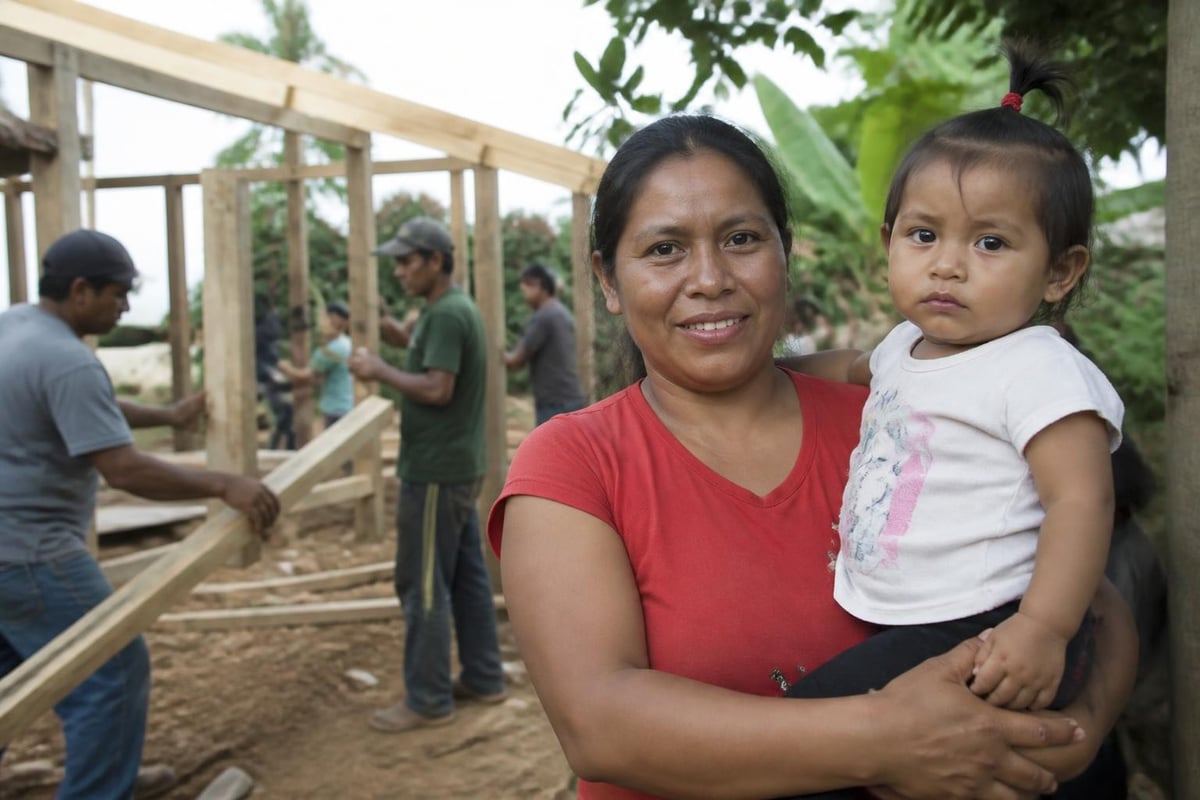
Legal Immigration System Modernization
Beyond addressing undocumented immigration, democrat immigration policies explained include substantial reforms to legal immigration channels. The current system faces criticism for lengthy processing times, arbitrary quotas, and outdated provisions that fail to meet economic needs.
Employment-Based Immigration Reform
Democratic proposals typically include expanding employment-based visas, particularly for workers in science, technology, engineering, and mathematics fields. These reforms aim to maintain American competitiveness while ensuring adequate labor protections prevent exploitation.
The party generally supports eliminating per-country caps that create decades-long waits for applicants from India and China while immigrants from other countries face much shorter processing times for the same visa categories.
Family Immigration Updates
Current law imposes numerical limits on certain family-based categories, creating multi-year waits for adult children and siblings of U.S. citizens. Democratic reforms would expand these categories and reduce processing times, arguing that family unity serves both humanitarian and economic objectives.
Internal Party Divisions and Evolution
When democrat immigration policies explained, acknowledging internal party tensions provides important context. The Democratic coalition includes progressive activists advocating for expansive reforms, moderate lawmakers from competitive districts concerned about electoral implications, and various interest groups with different priorities.
NPR’s analysis of the Democratic Party’s evolution documents how rhetoric and policy positions have shifted significantly over recent decades. Language that was common among Democratic politicians in the 1990s and early 2000s would be considered unacceptable by many in the party today.
This evolution reflects changing demographics, generational shifts in attitudes, advocacy by immigrant rights organizations, and strategic calculations about coalition building. The Atlantic’s comprehensive review examines how these factors combined to reshape Democratic immigration positions.
Progressive versus Moderate Tensions
Progressive Democrats often advocate for policies including:
- Abolishing Immigration and Customs Enforcement (ICE) or dramatically reforming enforcement priorities
- Decriminalizing border crossings
- Providing healthcare and other benefits to undocumented immigrants
- Opposing detention except in extreme circumstances
Moderate Democrats, particularly those in swing districts, typically support more measured approaches that combine humanitarian reforms with border security measures. This internal debate shapes legislative proposals and influences how presidential candidates position themselves during campaigns.
Immigration Enforcement Priorities
Rather than opposing all enforcement, democrat immigration policies explained include reforming priorities to focus resources on genuine threats while protecting long-term residents with community ties. This approach contrasts with policies targeting any undocumented immigrant regardless of individual circumstances.
Democratic administrations typically prioritize enforcement against:
- Individuals convicted of serious crimes
- Recent border crossers
- National security threats
- Human smugglers and traffickers
This prioritization framework aims to use limited enforcement resources most effectively while avoiding the community separation that occurs when immigration authorities target individuals with deep roots, family members, and positive community records.
Detention Reform Initiatives
Democrats have consistently criticized immigration detention conditions and advocated for alternatives including electronic monitoring, check-in requirements, and community-based programs. These alternatives cost substantially less than detention while maintaining compliance rates for those who are not flight risks or public safety threats.
For broader context on how immigration policy intersects with other presidential priorities, U.S. Presidential Report covers domestic policy developments that influence comprehensive governance approaches.
Fact-Checking Common Misconceptions
Several misconceptions about democrat immigration policies explained deserve clarification based on actual legislative proposals and official party positions. Analysis from GovFacts addresses claims about Democratic motivations while examining actual policy content.
Misconception: Democrats support "open borders"
Reality: No major Democratic proposal eliminates border security or immigration enforcement; reforms focus on making the system more humane and efficient while maintaining controls.
Misconception: Democratic policies would provide voting rights to undocumented immigrants
Reality: Voting in federal elections requires citizenship; pathway to citizenship proposals include lengthy waiting periods and requirements before naturalization becomes possible.
Misconception: Immigration reform would cost taxpayers enormous sums
Reality: Congressional Budget Office analyses typically show positive long-term fiscal impacts from legalization programs that bring workers into the tax system.
Impact of Presidential Leadership
Presidential administrations significantly influence how immigration policies are implemented even when Congress fails to pass comprehensive reform. Democratic presidents have used executive authority to shape enforcement priorities, create programs like DACA, and direct resources toward specific objectives.
The Biden administration's approach demonstrates how democrat immigration policies explained in practice involve balancing campaign commitments with governing realities. Initial executive orders reversed Trump-era restrictions, but subsequent policies responded to unprecedented border crossing numbers with stricter asylum rules and expanded enforcement cooperation.
This pattern illustrates how presidential leadership affects immigration outcomes regardless of legislative action, making the topic crucial for voters assessing candidates. Understanding these dynamics helps citizens make informed choices about presidential elections that will shape immigration policy for years to come.
Democrat immigration policies explained reveal a complex framework balancing humanitarian values, economic considerations, security needs, and political realities. Understanding these positions helps voters assess how presidential candidates and administrations approach one of America's most consequential policy challenges. For comprehensive, non-partisan coverage of how current and past presidents navigate immigration and other critical issues, U.S. Presidential Report provides the analysis and context needed to stay informed about presidential decision-making and its impact on the nation.