The intersection of environmental stewardship and economic prosperity has become a defining issue in American politics, particularly as Democratic administrations and legislators advance ambitious climate agendas. Understanding democrat climate policies and economic impact requires examining both the immediate fiscal implications and long-term structural changes to the American economy. From the Inflation Reduction Act's sweeping investments in clean energy to state-level carbon pricing mechanisms, these policies represent fundamental shifts in how the United States approaches economic development, energy production, and industrial competitiveness in an increasingly carbon-conscious global marketplace.
The Inflation Reduction Act's Economic Footprint
The Inflation Reduction Act of 2022 stands as the most significant federal climate legislation in U.S. history, allocating approximately $369 billion toward clean energy and climate resilience initiatives. This landmark legislation fundamentally reshaped the conversation around democrat climate policies and economic impact by demonstrating how environmental goals could align with economic growth strategies.
Key economic mechanisms within the IRA include:
- Tax credits for renewable energy production and storage
- Consumer incentives for electric vehicle purchases
- Manufacturing investments in clean energy technologies
- Support for climate-resilient infrastructure development
- Job training programs for the clean energy workforce
Research from the National Bureau of Economic Research analyzing the Inflation Reduction Act reveals complex fiscal dynamics, projecting that increased adoption of clean energy tax credits could exceed initial budget estimates while simultaneously generating substantial economic activity through private sector investment multipliers. The legislation's structure deliberately leverages market mechanisms rather than strict regulatory mandates, reflecting a Democratic approach that prioritizes economic incentives alongside environmental outcomes.
Manufacturing Renaissance and Supply Chain Considerations
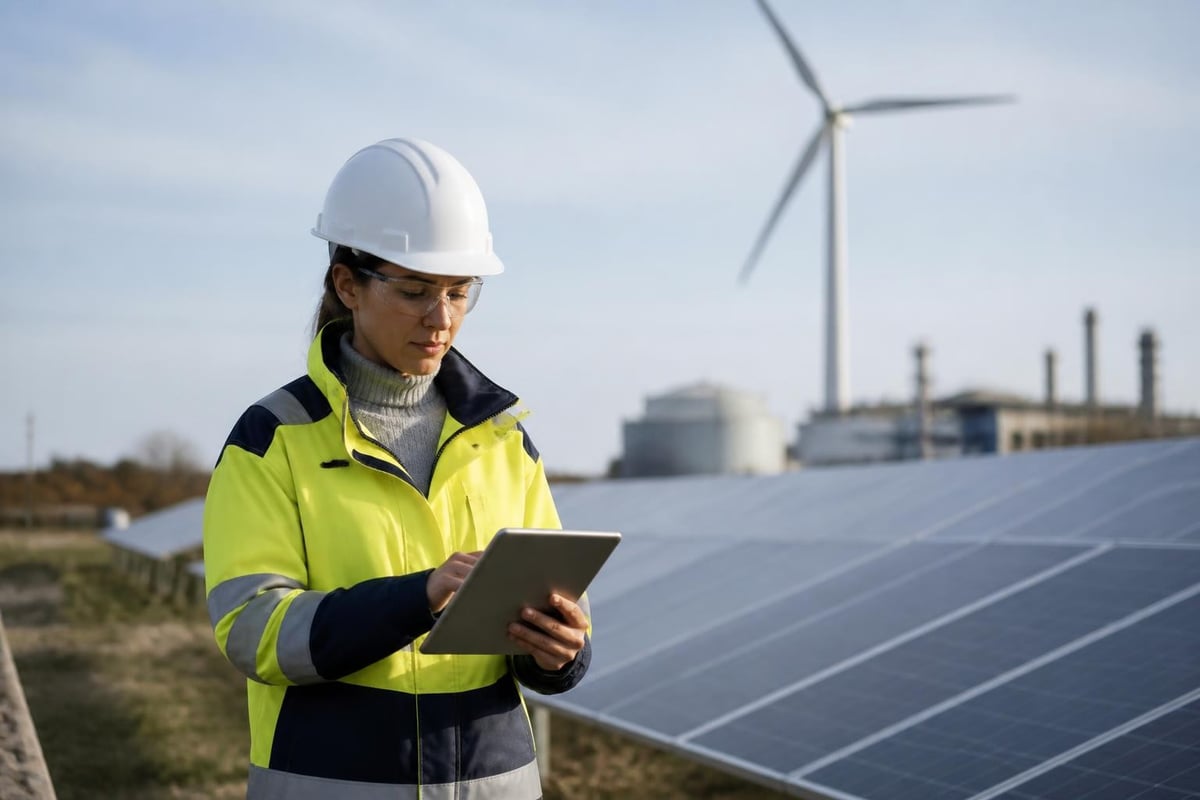
The IRA's domestic content requirements have catalyzed a manufacturing renaissance in renewable energy sectors, with over $110 billion in announced clean energy manufacturing investments since the law's passage. These investments span solar panel production, battery manufacturing, wind turbine assembly, and electric vehicle component fabrication.
| Sector | Investment (2022-2026) | Projected Jobs Created | Primary States Benefiting |
|---|---|---|---|
| Battery Manufacturing | $42 billion | 35,000 | Georgia, Michigan, Ohio |
| Solar Production | $28 billion | 22,000 | Texas, Arizona, Nevada |
| Wind Energy | $19 billion | 15,000 | Iowa, Texas, Oklahoma |
| EV Components | $21 billion | 18,000 | Tennessee, Kentucky, Indiana |
These figures demonstrate how domestic policy initiatives can reshape regional economies, particularly in states transitioning from traditional manufacturing bases. The geographic distribution of clean energy investments reveals strategic opportunities for economic revitalization in communities affected by traditional energy sector declines.
State-Level Climate Initiatives and Regional Economics
While federal policies establish national frameworks, state-level climate programs often serve as laboratories for economic experimentation. Democratic-led states have implemented carbon pricing mechanisms, renewable portfolio standards, and building efficiency requirements that generate distinct economic outcomes.
California's cap-and-trade program, operational since 2013, provides the longest-running evidence of democrat climate policies and economic impact at the state level. The program has generated over $16 billion in revenue while California's economy has grown faster than the national average, challenging narratives that environmental regulations necessarily impede economic growth.
Economic Performance Metrics in Climate-Forward States
Analysis of state-level climate policy commitments demonstrates varying economic impacts based on policy design and implementation strategies. States with comprehensive climate programs show distinct economic patterns compared to states without such initiatives.
Economic indicators in leading climate policy states:
- GDP growth rates averaging 2.4% annually (2020-2025) compared to 2.1% nationally
- Clean energy employment growing at 5.3% annually versus 3.1% for overall employment
- Electricity prices showing initial increases followed by long-term stabilization
- Manufacturing investment concentrated in clean technology sectors
The World Resources Institute’s evaluation of federal climate policies emphasizes how tax incentives and infrastructure investments work synergistically with state programs to amplify economic benefits while distributing impacts across diverse communities.
Labor Market Transformation and Job Creation
The shift toward clean energy fundamentally restructures American labor markets, creating distinct winners and losers across sectors and regions. Democrat climate policies and economic impact analysis must account for both job creation in emerging industries and employment disruptions in traditional energy sectors.
Current data indicates the clean energy sector employs approximately 3.2 million Americans as of 2026, representing 2.1% of total employment. This figure includes solar installation technicians, wind turbine service technicians, energy efficiency specialists, and electric vehicle manufacturing workers.

Wage Comparisons and Economic Equity
| Job Category | Median Wage (Traditional Energy) | Median Wage (Clean Energy) | Training Requirements |
|---|---|---|---|
| Installation Technician | $52,000 | $48,000 | 6-12 months certification |
| Equipment Operator | $58,000 | $54,000 | 3-6 months training |
| Engineering Roles | $87,000 | $91,000 | Bachelor's degree + specialization |
| Manufacturing | $45,000 | $47,000 | Vocational training |
These wage comparisons reveal nuanced economic realities. While some clean energy positions offer competitive compensation, certain roles represent modest wage reductions compared to traditional energy sector equivalents, particularly for workers without advanced technical credentials. This dynamic underscores the importance of robust job training and transition support programs within climate policy frameworks.
Fiscal Impacts and Government Revenue Considerations
Understanding democrat climate policies and economic impact requires examining effects on government budgets at federal, state, and local levels. Climate policies generate complex fiscal dynamics through tax incentives, new revenue streams, and changing economic bases.
The Brookings Institution’s analysis of delayed climate policy highlights how postponing climate action increases future fiscal burdens through climate adaptation costs, disaster relief spending, and lost economic productivity from extreme weather events.
Fiscal considerations include:
- Revenue losses from reduced fossil fuel extraction taxes and royalties
- New revenue streams from carbon pricing mechanisms where implemented
- Increased expenditures for clean energy tax credits and subsidies
- Avoided costs from reduced climate disaster spending
- Economic multipliers from clean energy infrastructure investments
State governments in particular face challenging fiscal tradeoffs. Oil and gas producing states like Wyoming and North Dakota derive substantial revenue from fossil fuel extraction, creating political and economic challenges for climate policy adoption. Conversely, states without significant fossil fuel resources face fewer fiscal obstacles to aggressive climate policies.
Sectoral Economic Impacts Beyond Energy
Climate policies extend well beyond the energy sector, influencing agriculture, transportation, manufacturing, and real estate markets. These broader economic impacts represent critical components of comprehensive democrat climate policies and economic impact assessment.
The transportation sector faces particularly significant transformation through electric vehicle mandates, fuel efficiency standards, and alternative fuel infrastructure requirements. By 2026, electric vehicles represent approximately 12% of new car sales, up from 3% in 2021, driven substantially by federal tax credits and state-level incentives.
Agricultural and Land Use Economics
Climate policies increasingly address agricultural practices and land use patterns, creating economic opportunities and challenges for rural communities. Carbon sequestration programs, regenerative agriculture incentives, and methane reduction initiatives reshape farm economics.
- Carbon credit markets providing new revenue streams for farmers implementing sustainable practices
- Crop insurance reforms linking premium rates to climate-resilient farming methods
- Biofuel incentives creating demand for specific agricultural products
- Conservation easements compensating landowners for preserving natural carbon sinks
These mechanisms demonstrate how climate change policies intersect with traditional agricultural economics, creating complex stakeholder considerations across rural America.

Partisan Perspectives and Economic Narratives
Democrat climate policies and economic impact generate sharply divergent interpretations along partisan lines, with fundamental disagreements about both empirical outcomes and appropriate policy responses. Research on partisan views of climate policies reveals Democrats overwhelmingly support climate action and view it as economically beneficial, while Republicans express greater skepticism about both climate urgency and economic advantages of proposed solutions.
These divergent perspectives reflect different economic philosophies. Democratic climate advocates emphasize:
- Innovation-driven growth through clean technology development
- Risk mitigation from avoided climate damages
- Energy independence through domestic renewable resources
- Public health savings from reduced air pollution
- Global competitiveness in emerging clean energy markets
Critics, often Republican-aligned, counter with concerns about:
- Regulatory burdens constraining business flexibility
- Energy cost increases affecting consumers and manufacturers
- International competitiveness if trading partners lack equivalent regulations
- Government spending and deficit implications
- Technological feasibility of rapid transitions
Implementation Challenges and Economic Uncertainties
Even supporters acknowledge significant implementation challenges affecting democrat climate policies and economic impact projections. Supply chain constraints, permitting delays, workforce shortages, and technology limitations create gaps between policy ambitions and realized outcomes.
The clean energy transition faces particular challenges in:
Critical mineral supply chains for batteries, solar panels, and wind turbines, with significant dependence on foreign sources creating economic and national security concerns. Domestic mining expansion faces environmental permitting obstacles and local opposition.
Electrical grid modernization requiring hundreds of billions in infrastructure investment to accommodate variable renewable energy sources and increased electrification of transportation and heating.
Manufacturing capacity lagging behind policy-driven demand, particularly for specialized components like power electronics and advanced battery chemistries.
Skilled workforce development struggling to keep pace with rapid sector growth, creating wage pressures and project delays.
| Challenge Area | Estimated Cost | Timeline | Primary Barrier |
|---|---|---|---|
| Grid Modernization | $350 billion | 2026-2035 | Regulatory approval |
| Mineral Supply Chains | $120 billion | 2026-2032 | Permitting delays |
| Manufacturing Scale-up | $180 billion | 2026-2030 | Capital availability |
| Workforce Training | $45 billion | 2026-2029 | Program coordination |
These implementation realities suggest actual economic outcomes may differ substantially from policy projections, creating uncertainty for businesses, investors, and policymakers.
International Competitiveness and Trade Considerations
Climate policies increasingly function as economic competitiveness strategies in global markets where clean technology leadership confers commercial advantages. Democrat climate policies and economic impact analysis must consider international dimensions, including trade relationships, technology exports, and competitive positioning.
The European Union's carbon border adjustment mechanism, operational since 2026, creates new trade dynamics for American manufacturers. Products from countries without comparable carbon pricing face import tariffs, potentially disadvantaging American goods if the United States lacks equivalent policies. This reality pressures Democratic policymakers to consider carbon pricing mechanisms that might otherwise face political obstacles.
Simultaneously, American clean energy technology exports represent growing economic opportunities. U.S. companies lead in several critical technologies, including advanced solar materials, grid-scale battery management systems, and carbon capture technologies. Federal support for these industries positions them to capture market share in global clean energy markets projected to exceed $2 trillion annually by 2030.
The presidential race dynamics significantly influence business confidence in climate policy durability, with potential administration changes creating uncertainty about long-term policy frameworks and investment security.
Health and Climate Adaptation Economics
Beyond mitigation policies, Democrat climate initiatives increasingly emphasize adaptation and resilience, generating distinct economic impacts through infrastructure investments, building code changes, and public health programs. Analysis of economic and public health impacts demonstrates substantial economic benefits from avoided health costs through reduced air pollution.
Air quality improvements from reduced fossil fuel combustion deliver measurable economic value through:
- Reduced asthma and respiratory illness treatment costs
- Decreased lost productivity from illness
- Lower premature mortality rates
- Improved worker performance and cognitive function
These health benefits disproportionately accrue to low-income communities and communities of color historically experiencing higher pollution exposure, addressing environmental justice concerns while generating economic value.
Climate adaptation investments in coastal protection, flood mitigation, and heat resilience infrastructure represent significant public expenditures but avoid substantially larger disaster costs. Federal climate policies increasingly recognize these adaptation economics, allocating resources for resilient infrastructure and community preparedness.
Economic Modeling Uncertainties and Long-Term Projections
Assessing democrat climate policies and economic impact over multi-decade timeframes involves substantial uncertainties. Economic models rely on assumptions about technology costs, energy demand, policy durability, and climate impacts themselves, each introducing potential errors.
Renewable energy costs have declined far more rapidly than most economic models predicted even five years ago, with solar and wind becoming the cheapest electricity sources in most markets. This unexpected cost trajectory substantially improves the economic case for aggressive climate policies while challenging the reliability of long-term projections.
Similarly, electric vehicle battery costs have fallen 89% since 2010, dramatically exceeding expert predictions and accelerating adoption timelines. These technology surprises highlight both the potential for favorable economic outcomes and the inherent uncertainty in climate policy economic assessments.
Climate impact uncertainties add additional complexity. More severe climate outcomes would increase the economic benefits of mitigation policies through avoided damages, while lower climate sensitivity would reduce the urgency and economic justification for aggressive action. Current consensus projects 2.7°C warming by 2100 under existing policies, with democratic climate initiatives aiming to limit warming to 1.5-2°C through enhanced mitigation efforts. For comprehensive coverage of how these economy and tax policy considerations intersect with broader fiscal strategies, the interplay between climate investments and traditional economic priorities remains central to policy debates.
Understanding democrat climate policies and economic impact requires navigating complex tradeoffs between environmental goals, economic growth, equity considerations, and political feasibility. The evidence suggests significant economic opportunities through clean energy transitions alongside real challenges for affected workers and communities. For non-partisan analysis of how presidential administrations approach these critical policy questions, U.S. Presidential Report provides comprehensive coverage of climate policy developments, economic impacts, and political dynamics shaping America's environmental and economic future.