The Democratic Party faces a critical challenge that threatens its electoral coalition: a steady exodus of working-class voters who once formed the party's foundation. This demographic shift represents more than temporary political volatility. It signals a fundamental realignment in American politics that has accelerated dramatically since 2016 and shows no signs of reversing in 2026. Understanding why democrats are losing working-class voters requires examining economic policies, cultural positioning, and the widening gap between party messaging and voter priorities.
The Economic Disconnect Between Policy and Perception
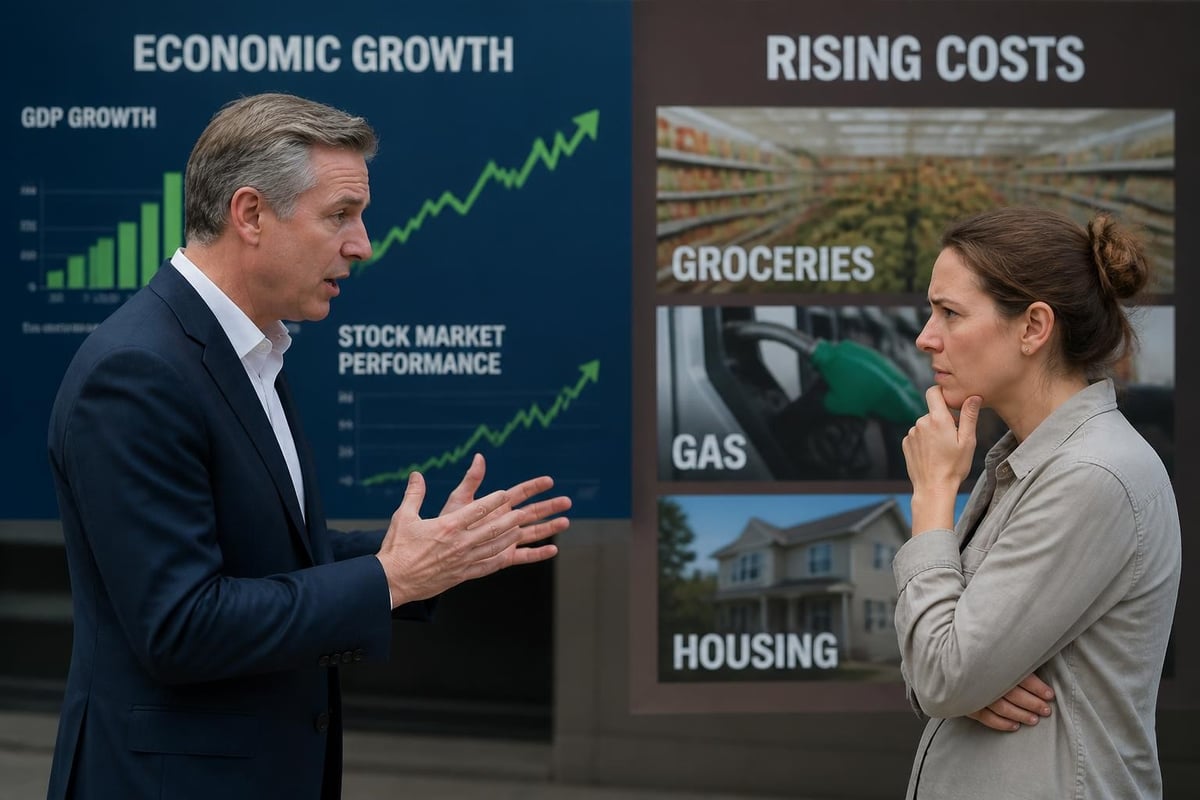
Working-class Americans consistently report feeling economically insecure despite Democratic messaging about job creation and economic recovery. The party's focus on macroeconomic indicators often overlooks the daily financial pressures facing families without college degrees.
Rising Costs Hit Harder
Inflation impacts disproportionately affect working-class households who spend larger portions of income on necessities. While national unemployment figures may look favorable, wage growth for non-college-educated workers has lagged behind both inflation and the earnings of college graduates. This creates a perception that Democratic economic policies benefit coastal elites and credentialed professionals while leaving traditional working-class communities behind.
The emphasis on green energy transitions and technology sector growth sounds promising in policy papers but feels abstract to workers in manufacturing, transportation, and energy extraction industries. These voters see Democratic environmental policies as direct threats to their livelihoods rather than opportunities for retraining or advancement.
| Economic Priority | Working-Class Concern | Democratic Focus |
|---|---|---|
| Employment | Job security in traditional industries | Green jobs and tech sector growth |
| Wages | Take-home pay and overtime | Minimum wage increases |
| Inflation | Everyday cost of living | Corporate profit margins |
| Healthcare | Premium and deductible costs | Medicaid expansion |
Cultural Issues Overshadow Economic Messaging
Perhaps nothing explains why democrats are losing working-class voters more than the growing cultural divide. Economic populism that once united working-class voters across racial lines has given way to culture war battles that split this demographic along educational attainment.
The Identity Politics Problem
Working-class voters increasingly perceive the Democratic Party as prioritizing identity-based concerns over class-based economics. Language around privilege, intersectionality, and systemic oppression resonates in university settings but alienates voters who see themselves struggling without regard to their demographic characteristics.
Immigration policy illustrates this tension clearly. Working-class communities experience immigration's economic effects most directly through labor market competition and changing neighborhood demographics. When Democratic leaders emphasize humanitarian concerns and cultural enrichment, it can feel dismissive of legitimate economic anxieties.
The analysis of voter realignment shows how cultural issues now drive political identity more powerfully than economic positioning. A union member who benefits from Democratic labor policies may still vote Republican based on concerns about crime, education curriculum, or social issues.
- Crime and public safety dominate local concerns
- Education policies around curriculum and parental rights
- Social issues including gender identity and religious freedom
- Immigration enforcement and border security
The Union Relationship Has Changed
Organized labor once guaranteed Democratic support among working-class voters, but that institutional connection has weakened substantially. Union membership itself has declined, and remaining union members no longer vote as a reliable Democratic bloc.
When Economic Interests Diverge from Cultural Values
The Atlantic’s examination of Democrats’ union strategy reveals how union leadership endorsements no longer translate to rank-and-file votes. Union members increasingly split their tickets or vote against leadership recommendations based on cultural rather than economic considerations.
This represents a fundamental challenge because Democrats designed many policies specifically to benefit union workers. Prevailing wage requirements, labor law reforms, and collective bargaining protections should theoretically cement working-class support. Instead, cultural messaging undermines economic appeals.
The party's climate agenda particularly strains union relationships. Building trades unions may support infrastructure spending, but energy sector unions oppose fossil fuel restrictions. Manufacturing unions welcome domestic production incentives but worry about environmental regulations. These internal contradictions make unified messaging nearly impossible.
Geographic Concentration Matters
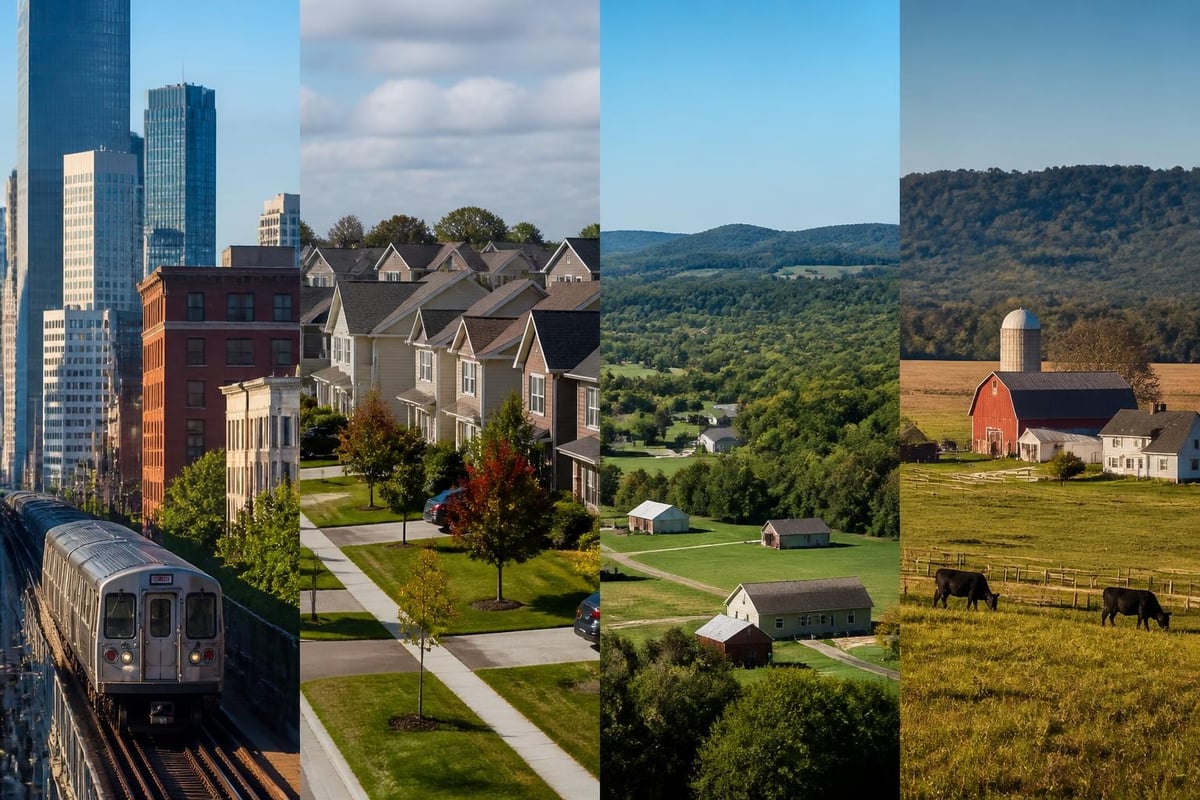
Working-class voters are geographically distributed in ways that amplify their electoral importance. They comprise larger shares of the electorate in swing states and rural areas that receive disproportionate representation in the Electoral College and Senate. Domestic policy debates often overlook how policy impacts vary dramatically based on population density and regional economic structures.
Democrats perform well among working-class voters in dense urban areas where social services are robust and cultural diversity is normalized. The same demographic in exurban and rural areas experiences entirely different economic realities and cultural environments. A one-size-fits-all message fails to connect with this geographic diversity.
Messaging Failures and Communication Gaps
The way Democrats communicate about policy contributes significantly to why democrats are losing working-class voters. Academic language, policy nuance, and complex explanations fail to resonate compared to simple, direct Republican messaging about threats and solutions.
The College Education Divide
As the Democratic coalition has become increasingly college-educated, its communication style has shifted accordingly. Policy rollouts feature white papers, expert testimony, and detailed implementation plans. This appeals to educated professionals who engage with complex information but alienates voters who want straightforward answers to immediate problems.
Republican messaging advantages include:
- Simple problem identification
- Clear villain designation
- Concrete proposed solutions
- Emotional resonance over statistical accuracy
- Memorable slogans and branding
Democrats counter with fact-checks, policy details, and nuanced explanations that may be accurate but lack persuasive power. When a working-class voter asks about inflation, a lecture about supply chains and Federal Reserve policy feels condescending compared to blaming specific actors or policies.
Trust and Authenticity Concerns
Working-class voters increasingly question whether Democratic politicians understand their lives. Candidates with Ivy League credentials, professional-class backgrounds, and coastal residences struggle to establish authentic connections. Even politicians from working-class backgrounds can appear to have abandoned their roots after years in Washington.
The discussion of political realignment during recent midterms highlighted how non-college-educated voters moved toward Republicans not because they loved Republican policies but because they felt Democrats had stopped listening to them.
The Racial and Ethnic Dimension
One of the most significant developments is declining Democratic support among working-class voters of color. The assumption that racial and ethnic minorities would remain reliably Democratic regardless of class position has proven false.
Economic Class Transcends Racial Identity
Research on minority voter trends demonstrates that working-class Black, Hispanic, and Asian voters increasingly prioritize economic concerns over racial identity in voting decisions. When Democrats emphasize racial justice issues while downplaying economic populism, they lose ground with working-class minority voters who face immediate financial pressures.
Hispanic working-class voters particularly show movement toward Republicans based on small business concerns, immigration enforcement preferences, and social conservatism. Black working-class men report feeling overlooked by Democratic messaging focused on other demographic groups. Asian working-class voters express concerns about education policies and crime that align more with Republican positions.
This fracturing of the minority vote along class lines undermines the Democratic coalition that has relied on overwhelming support from voters of color. As these communities become more economically diverse, their political diversity increases correspondingly.
| Demographic Group | 2016 Democratic Support | 2024 Democratic Support | Change |
|---|---|---|---|
| White working-class | 32% | 28% | -4% |
| Black working-class | 89% | 83% | -6% |
| Hispanic working-class | 66% | 58% | -8% |
| Asian working-class | 71% | 64% | -7% |
Media Consumption and Information Ecosystems
Working-class voters increasingly consume news and information from sources outside mainstream media outlets that traditionally supported Democratic narratives. Alternative media, social media platforms, and partisan news sources create information environments where Democratic messages never reach potential supporters.
The Credibility Crisis
Traditional news organizations have lost credibility among working-class voters who perceive them as biased toward educated, urban, liberal perspectives. When these outlets defend Democratic positions or criticize Republican ones, it reinforces rather than challenges existing skepticism.
Democrats depend heavily on fact-checking and mainstream media validation, but these carry little weight with voters who distrust those institutions. Republican claims spread through trusted peer networks, local sources, and alternative media that working-class voters consider more authentic even if less accurate.
The shift toward political news coverage through social media creates echo chambers where working-class conservatives never encounter Democratic arguments except through hostile framing. Democrats struggle to penetrate these information bubbles with counter-messaging.
Historical Patterns and Long-Term Trends
Understanding why democrats are losing working-class voters requires historical context. The New Deal coalition that united working-class voters under Democratic leadership began fracturing in the 1960s over civil rights, accelerated in the 1980s over cultural issues, and has reached a tipping point in recent cycles.
The Educational Realignment
The most significant political realignment in modern American history involves educational attainment replacing income as the primary predictor of party affiliation. College graduates have moved toward Democrats while non-college-educated voters have shifted Republican. This reverses decades of class-based political allegiance.
Historical trends in working-class voting show this isn't simply about Trump or recent election cycles. The pattern spans decades, with temporary reversals that never fully restored previous Democratic dominance among working-class voters. Each cycle sees further erosion as cultural liberalism becomes more central to Democratic identity.
Working-class voters who remain Democratic-leaning increasingly abstain from voting entirely, frustrated that neither party adequately represents their interests. This selective demobilization hurts Democrats more than Republicans because it affects what should be their base voters.
Policy Substance Versus Political Perception
Many Democratic policies objectively benefit working-class Americans, yet the party receives little political credit. Tax credits, healthcare subsidies, infrastructure spending, and union protections deliver tangible benefits that fail to translate into electoral support.
The Implementation Gap
Complex policy mechanisms requiring tax filing, application processes, or employer implementation create barriers that prevent working-class voters from experiencing benefits directly. When assistance arrives through systems that feel bureaucratic and impersonal, it generates less political goodwill than simple, visible actions.
Republicans benefit from:
- Tax cuts that appear immediately in paychecks
- Deregulation framed as removing government obstacles
- Supreme Court appointments with clear ideological impacts
- Executive orders that generate immediate headlines
Democrats often pursue more effective long-term policies that lack immediate political payoff. A refundable tax credit helps families financially but doesn't create the same emotional connection as a stimulus check with a presidential signature.
What This Means for Democratic Strategy
The party faces difficult choices about whether to moderate culturally to win back working-class voters or double down on the educated, diverse coalition that has shown growth. Every strategic adjustment risks alienating one group while trying to appeal to another.
Some Democrats argue for economic populism that deemphasizes social issues, believing class-based appeals can unite diverse voters. Others contend that abandoning progressive positions on social issues would alienate the party's energized base without guaranteeing working-class returns. This internal debate paralyzes coherent strategic response.
The structural challenge is that working-class voters are not monolithic. White working-class voters in rural areas have different priorities than working-class voters of color in cities. Manufacturing workers have different concerns than service industry workers. Any strategy broad enough to appeal to all working-class voters becomes too generic to persuade any of them.
Geographic distribution means Democrats could win the popular vote by increasing margins among college-educated urban voters while losing elections through working-class defections in swing states. This creates incentives to focus on base mobilization rather than persuasion, further accelerating working-class alienation.
The erosion of Democratic support among working-class voters represents a fundamental realignment with profound implications for American politics and governance. This shift reflects economic anxiety, cultural disagreement, communication failures, and changing information ecosystems that compound over time. For comprehensive, non-partisan coverage of how presidential leadership and policy decisions impact these electoral dynamics, U.S. Presidential Report delivers the analysis you need to understand the evolving American political landscape.