The political landscape of American elections has undergone a significant transformation in recent cycles, with one of the most striking changes occurring within the Hispanic electorate. Once considered a reliably Democratic voting bloc, Hispanic voters have increasingly shown openness to Republican candidates and messaging. Understanding why Republicans are winning Hispanic voters requires examining multiple factors, from economic priorities to cultural values, generational shifts, and strategic campaign outreach. This realignment represents not just a temporary fluctuation but potentially a fundamental reshaping of coalition politics that will define presidential elections for years to come.
Economic Concerns Drive Political Realignment
The economy consistently ranks as the top priority for Hispanic voters, and Republicans have successfully positioned themselves as the party of economic opportunity and prosperity. Inflation, cost of living, and job creation resonate particularly strongly with working-class Hispanic families who feel the pinch of rising prices at the grocery store and gas pump.
Republican economic messaging has focused on several key themes:
- Lower taxes and reduced government regulation
- Support for small business owners and entrepreneurs
- Opposition to policies perceived as driving up costs
- Emphasis on American energy independence
According to Pew Research Center post-election analysis, economic concerns played a decisive role in shifting Hispanic voters toward Republican candidates in 2024. The data shows that Hispanic voters who prioritized economic issues broke significantly more Republican than in previous cycles.

The Small Business Factor
Hispanic Americans represent one of the fastest-growing entrepreneurial demographics in the United States. Approximately one in four new businesses is now started by Hispanic entrepreneurs, and this business ownership translates directly into political preferences.
Republican policies emphasizing tax cuts, regulatory relief, and opposition to increased business mandates appeal directly to this segment. When Hispanic voters view themselves as business owners rather than solely as employees, their political calculus shifts toward parties and candidates promising to reduce barriers to business success.
The domestic policy positions articulated by Republican presidential candidates have increasingly emphasized entrepreneurship and wealth creation as pathways to the American Dream, a message that resonates with upwardly mobile Hispanic families.
Cultural and Social Values Create Common Ground
Beyond economics, cultural conservatism explains a substantial portion of why Republicans are winning Hispanic voters. Many Hispanic communities maintain traditional values regarding family structure, religious faith, and social issues that align more closely with Republican platforms than progressive Democratic positions.
| Value Area | Hispanic Community Priority | Republican Position Alignment |
|---|---|---|
| Religious Freedom | High importance (60%+ attend services regularly) | Strong protection of faith practices |
| Family Structure | Traditional family emphasis | Support for parental rights, two-parent households |
| Education | Local control, parental involvement | School choice, anti-indoctrination messaging |
| Gender Issues | Traditional gender norms | Opposition to progressive gender policies |
Religious affiliation proves particularly predictive of voting behavior. Hispanic Catholics and evangelical Protestants vote significantly more Republican than their secular counterparts. The emphasis on faith, church attendance, and religious community creates natural alignment with Republican candidates who openly discuss their own faith and promise to protect religious liberty.
The Gender Ideology Backlash
One of the most dramatic shifts involves reactions to progressive positions on gender and sexuality. Many Hispanic parents have expressed deep concern about school curricula addressing gender identity and sexuality with young children. This cultural flashpoint has driven some previously Democratic Hispanic voters toward Republican candidates who promise to keep such topics out of elementary classrooms and respect parental authority.
Brookings analysis of the 2024 results highlights how messaging around traditional values and parental rights contributed to Republican gains, particularly among Hispanic mothers in suburban areas.
Immigration: A More Nuanced Issue Than Assumed
Conventional political wisdom long held that restrictive immigration positions would automatically alienate Hispanic voters. Reality has proven more complex. Many Hispanic Americans, particularly those whose families have been in the United States for multiple generations, support stricter border enforcement and legal immigration processes.
Key considerations shaping Hispanic views on immigration:
- Economic competition concerns about wage depression
- Distinction between legal and illegal immigration
- Rule-of-law principles and fairness to those who immigrated legally
- Community safety and border security
The assumption that all Hispanic voters favor expansive immigration policies reflects a fundamental misunderstanding of this diverse electorate. Second and third-generation Hispanic Americans often hold views on immigration more aligned with the broader American public than with recent immigrants.
Research from Pew Research Center surveys of Latino voters shows significant diversity of opinion within the Hispanic community on immigration enforcement, border security, and asylum policies. Republicans have found success by emphasizing legal pathways, border security, and economic impacts rather than solely focusing on restriction.
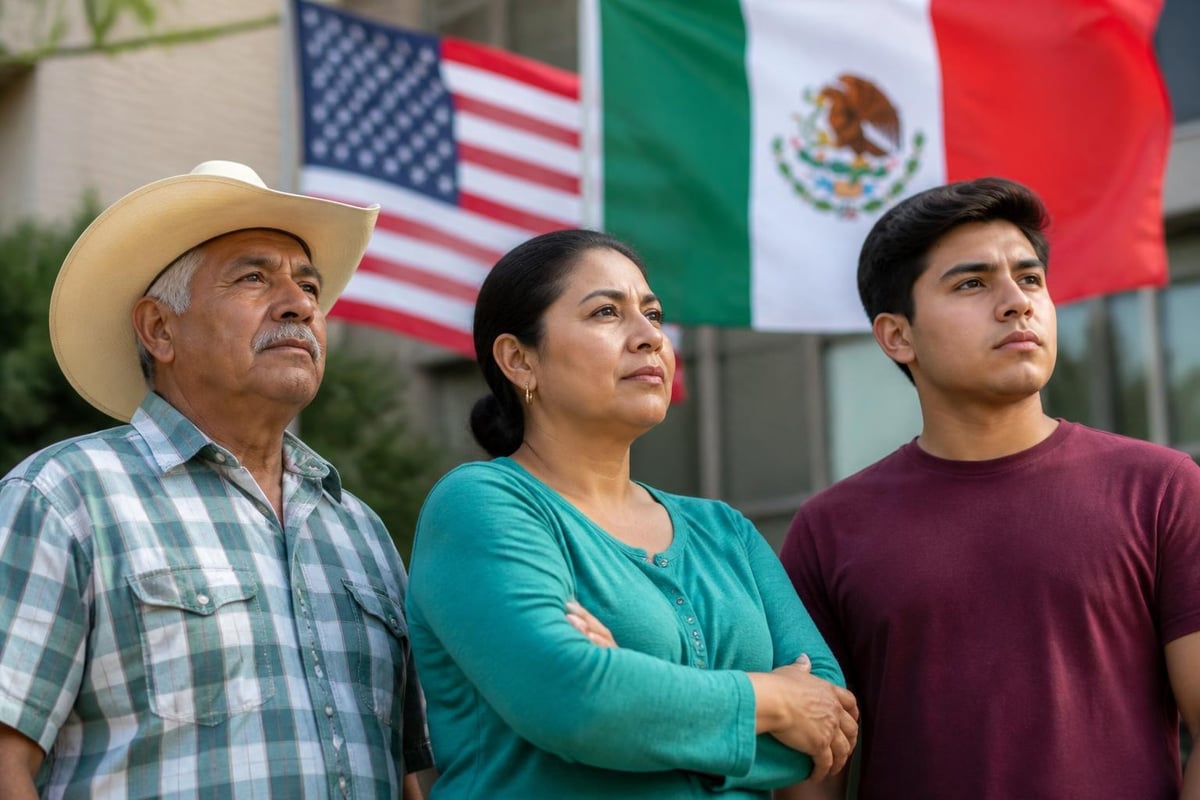
Geographic and Demographic Variation
Understanding why Republicans are winning Hispanic voters requires recognizing that "Hispanic voters" is not a monolithic category. Geographic origin, settlement patterns, generational status, and socioeconomic position all create substantial variation in political preferences.
Regional Differences Matter
Cuban Americans in Florida have long leaned Republican due to anti-communist sentiment and business-friendly policies. Mexican Americans in Texas show increasing Republican support, particularly in border counties. Puerto Ricans in Florida demonstrate different voting patterns than those in Pennsylvania or New York.
AP News reporting on district-level shifts in majority-Hispanic areas documents dramatic swings in South Texas, where counties that voted Democratic by 40-point margins a decade ago now lean Republican or have become competitive battlegrounds.
The Gender Gap Widens
Hispanic men have moved toward Republicans more dramatically than Hispanic women, creating one of the largest gender gaps in the electorate. Messaging around economic strength, traditional masculinity, and opposition to what some perceive as excessive political correctness resonates particularly with young Hispanic men.
This pattern mirrors broader trends but appears even more pronounced within Hispanic communities. Campaign strategies targeting Hispanic men through sports media, Spanish-language podcasts, and male-dominated spaces have proven effective for Republican candidates.
Strategic Outreach and Campaign Investment
Republicans have dramatically increased investment in Hispanic voter outreach, moving beyond token efforts to sustained, year-round engagement. This includes Spanish-language media buys, community organizing, and candidate appearances in Hispanic neighborhoods.
Effective Republican outreach strategies include:
- Year-round community presence rather than election-season parachuting
- Spanish-language digital advertising and social media content
- Recruitment of Hispanic candidates and campaign staff
- Targeted messaging addressing specific community concerns
- Economic empowerment programs and small business forums
The professionalization of Hispanic Republican outreach contrasts with what some critics describe as Democratic complacency. When one party takes a voting bloc for granted while another actively courts it, shifts inevitably follow.
Investment in Spanish-language media has proven particularly valuable. Conservative talk radio, television programs, and digital influencers have created alternative information ecosystems where Republican messaging reaches Hispanic voters without mainstream media filtering.
The Class Realignment Factor
Educational attainment and class increasingly predict voting behavior across all demographics, including Hispanic voters. College-educated Hispanic voters still lean Democratic, while working-class Hispanic voters without four-year degrees have moved substantially toward Republicans.
This class-based realignment reflects broader trends in American politics but manifests particularly strongly within Hispanic communities. The Democratic Party's increasing association with college-educated professionals and progressive cultural positions has created distance from working-class voters of all backgrounds.
Analysis from Brookings on multiracial coalition building examines whether Republican gains among working-class Hispanic voters represent durable realignment or temporary protest voting. The evidence suggests genuine shifts in partisan identification, not merely candidate-specific preferences.
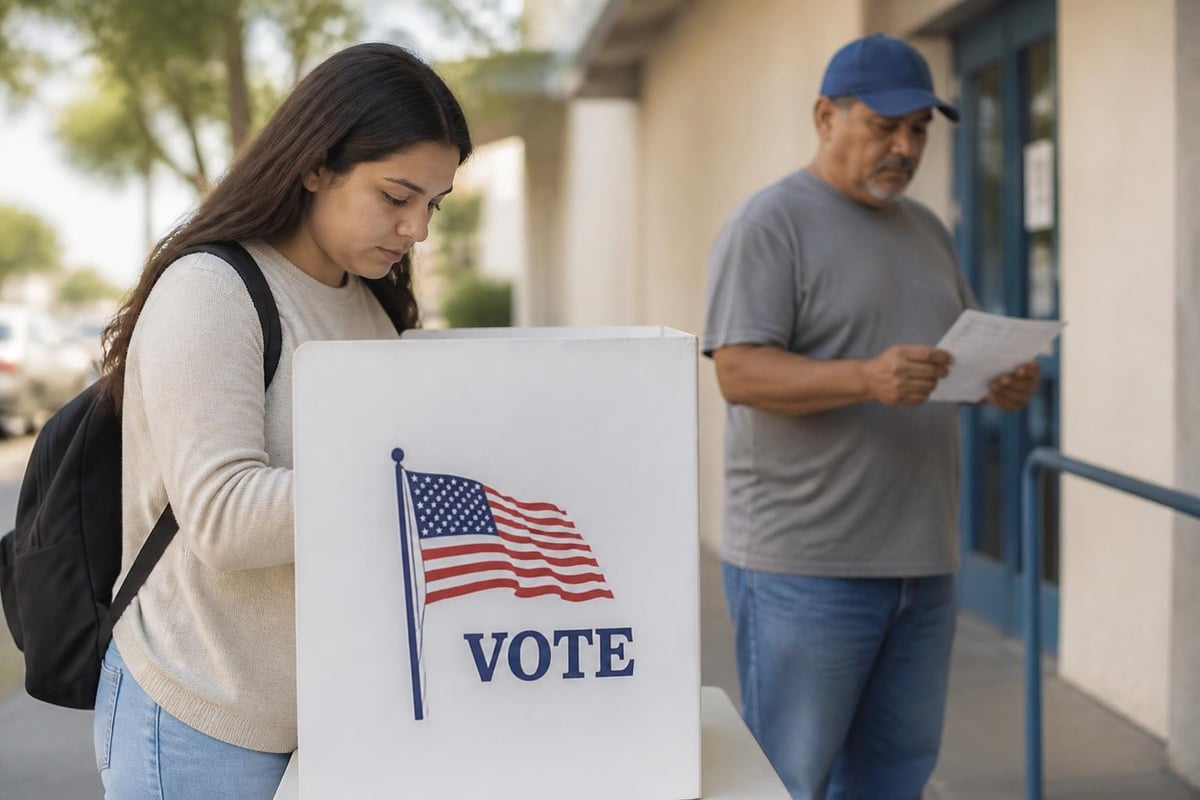
Generational Shifts and Assimilation Patterns
The politics of why Republicans are winning Hispanic voters also involves generational change. Third and fourth-generation Hispanic Americans often identify less strongly with ethnic-specific political appeals and more with broader American identity and class interests.
Language and Identity Evolution
English-dominant Hispanic voters vote differently than Spanish-dominant voters. As generations progress and English becomes the primary language, political behavior often shifts alongside cultural assimilation. This doesn't mean abandoning cultural heritage, but it does mean different issue priorities and partisan attachments.
Younger Hispanic voters, particularly those in competitive suburban areas, demonstrate political behaviors increasingly similar to white working-class voters in the same economic situations. Geographic mobility, intermarriage, and cultural integration all contribute to political realignment.
Media Consumption and Information Ecosystems
The fragmentation of media consumption has created opportunities for Republican messaging to reach Hispanic voters through channels beyond traditional mainstream outlets. Conservative Hispanic influencers, Spanish-language talk radio, and social media platforms have built substantial audiences.
Digital platforms proving effective for Republican outreach:
- WhatsApp groups organizing around local issues and politics
- YouTube channels featuring Hispanic conservative commentators
- Spanish-language Facebook pages sharing conservative news and memes
- Instagram influencers discussing traditional values and economics
- Telegram channels particularly popular among Venezuelan and Cuban Americans
The proliferation of information sources means Hispanic voters receive political messages from diverse perspectives rather than filtered primarily through outlets with Democratic leanings. This media diversification contributes directly to political diversification.
Foreign Policy and Anti-Socialism Messaging
For Hispanic voters from countries with socialist or authoritarian governments (Venezuela, Cuba, Nicaragua), Republican anti-socialist messaging carries particular resonance. These voters or their families fled regimes that Republicans explicitly oppose and Democrats sometimes appear reluctant to criticize forcefully.
The Carnegie Endowment analysis of foreign policy attitudes explores how experiences with and attitudes toward international affairs influence voting behavior among different racial and ethnic groups, including Hispanic voters with varying national origin backgrounds.
Messaging that links Democratic policies to socialism, government overreach, or economic control taps into visceral reactions from those who experienced such systems firsthand. This proves especially effective in Florida with Venezuelan and Cuban populations but also resonates elsewhere.
The Role of Candidate Appeal and Messaging Tone
Individual candidates matter enormously in explaining why Republicans are winning Hispanic voters. Candidates who demonstrate respect for Hispanic culture, speak (or attempt to speak) Spanish, and campaign actively in Hispanic communities perform significantly better than those who don't.
Authenticity and familiarity create trust. Republican candidates who grew up in border areas, speak fluent Spanish, or demonstrate genuine cultural competency connect more effectively than those parachuting in with generic appeals.
The housing and cost of living concerns that dominate kitchen-table politics in Hispanic households require candidates who understand these daily struggles rather than speaking in abstract policy language. Republicans who successfully communicate economic understanding in culturally resonant ways have made substantial inroads.
The shift in Hispanic voting patterns toward Republican candidates reflects a complex combination of economic anxiety, cultural conservatism, generational change, and strategic political outreach that has reshaped American electoral coalics. These trends will likely continue influencing presidential elections and congressional races throughout this decade and beyond. For comprehensive, non-partisan coverage of how these political dynamics affect presidential campaigns, domestic policy, and American governance, U.S. Presidential Report provides in-depth analysis and breaking news to help readers understand the evolving political landscape.