Grocery prices consistently rank among the top concerns for American voters, transcending party lines and demographic boundaries. When families face higher costs at the checkout counter, the political consequences ripple through polling booths nationwide. Understanding why voters care about grocery prices reveals fundamental truths about how economic anxiety translates into political action, shaping presidential campaigns and influencing domestic policy debates. This connection between food affordability and electoral outcomes has become increasingly pronounced in recent election cycles.
The Kitchen-Table Economics That Drive Elections
Grocery shopping represents one of the most frequent and visible encounters Americans have with the economy. Unlike annual tax bills or quarterly investment statements, food purchases occur weekly or even daily for most households. This regular interaction makes grocery prices an immediate, tangible measure of economic wellbeing.
Voters notice grocery price changes because:
- Purchases happen frequently, creating repeated exposure to price shifts
- Food is non-discretionary, making price increases unavoidable
- Checkout totals provide concrete numbers that stick in memory
- Comparisons to previous shopping trips feel personal and direct
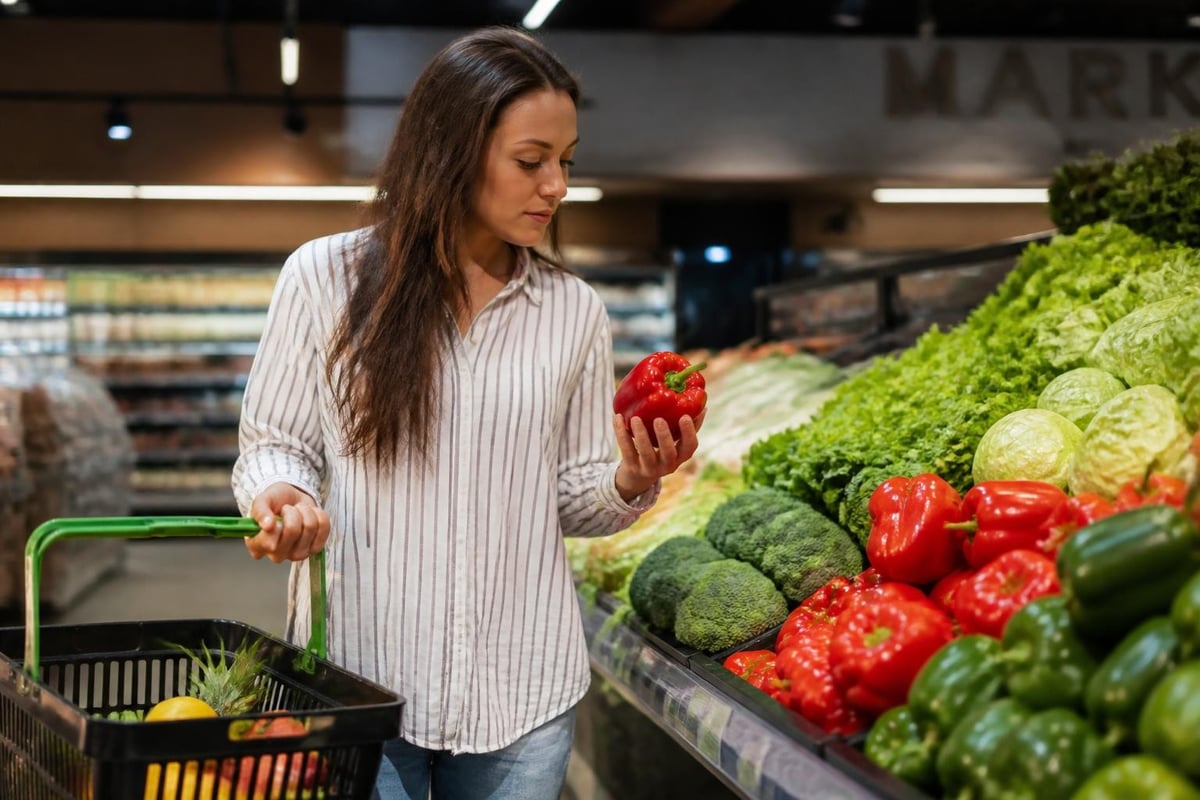
The psychological impact of grocery price inflation extends beyond the dollar amounts. When a shopper's typical cart costs $150 instead of $120, that 25% increase feels like a direct reduction in purchasing power. Research on household food spending demonstrates how these increases affect not just budgets but also diet quality and family stress levels.
The Universality Factor in Voter Concerns
Why voters care about grocery prices becomes clearer when examining the universal nature of food consumption. Every demographic group, income bracket, and geographic region requires groceries. This universality makes food prices a rare issue that genuinely affects all constituents.
| Voter Segment | Average Monthly Grocery Spending | Price Sensitivity Level |
|---|---|---|
| Low-income households | $250-$400 | Extremely high |
| Middle-income families | $600-$900 | High |
| Upper-income households | $800-$1,200 | Moderate to high |
Even high-income voters notice grocery price fluctuations, though the budgetary impact differs. For lower-income households, a 20% increase in grocery prices may force choices between food and other necessities. Middle-income families might reduce savings or delay discretionary purchases. These cascading effects create widespread economic anxiety that presidential candidates ignore at their peril.
The Attribution Problem in Presidential Politics
Voters often hold presidents accountable for grocery prices regardless of the actual policy levers available to the executive branch. This attribution creates both opportunities and challenges for candidates focused on domestic policy issues.
Presidential administrations face scrutiny over food prices through multiple channels:
- Trade policy decisions affecting agricultural imports and exports
- Regulatory approaches to food production and distribution
- Competition policy regarding grocery chains and suppliers
- Agricultural subsidies that influence farm economics
- Energy policy impacting transportation and production costs
The connection between tariffs and consumer affordability illustrates how voters perceive presidential decisions as directly influencing their grocery bills. Whether these perceptions align with economic reality matters less politically than the strength of voter beliefs about presidential responsibility.
Measuring Voter Sentiment on Food Costs
Polling data consistently reveals that grocery prices rank among voters' top economic concerns. Survey results from the 2024 election cycle demonstrated how food costs influenced voter attitudes and ultimately affected ballot decisions. This data provides concrete evidence of why voters care about grocery prices when evaluating presidential performance.
Key polling insights include:
- 70-80% of voters rate grocery prices as "extremely important" to their vote
- Food inflation ranks higher than gasoline prices in many surveys
- Concerns about grocery costs cross partisan divides
- Voters with children show heightened sensitivity to food prices
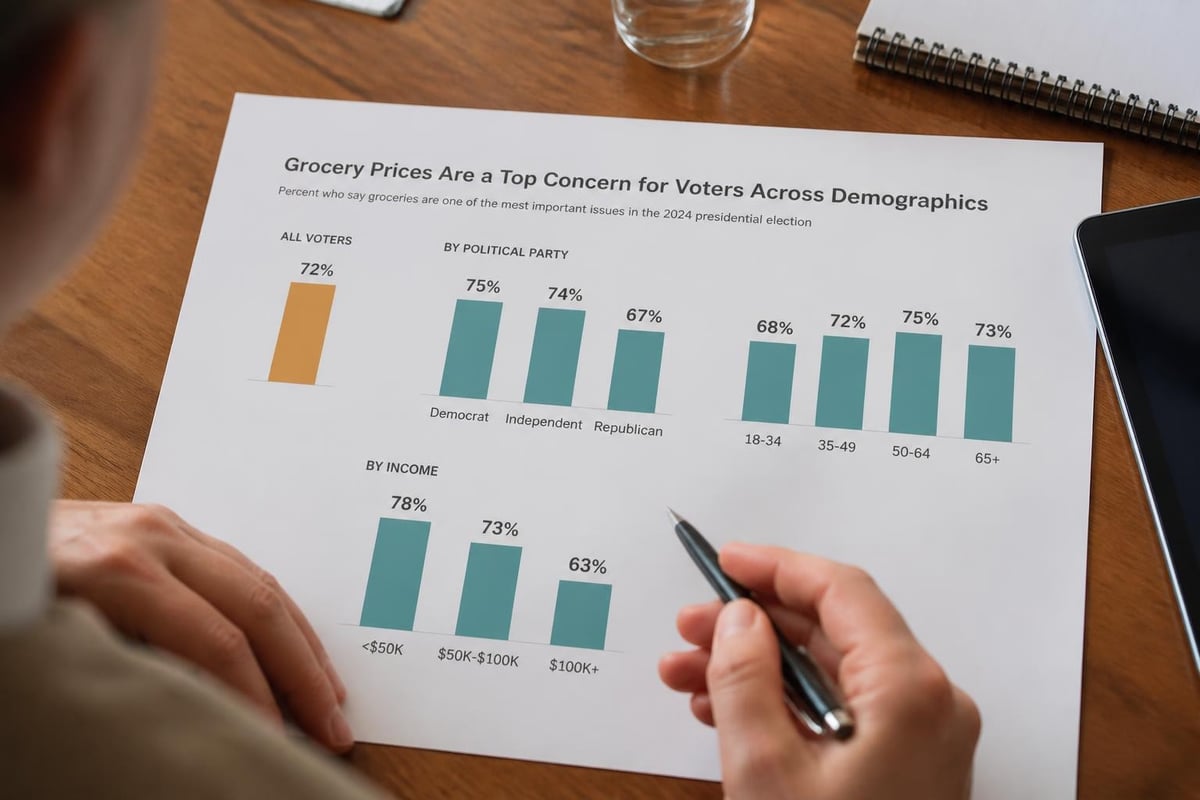
The bipartisan nature of grocery price concerns creates unique political dynamics. Polling across party lines reveals that Democrats, Republicans, and Independents all identify food affordability as a major issue, though they may differ on preferred solutions.
Policy Responses and Campaign Strategies
Presidential candidates respond to voter concerns about grocery prices through varied policy proposals and campaign messaging. Understanding these responses illuminates why voters care about grocery prices enough to make them central campaign issues.
Direct Interventions and Market Solutions
Some presidential platforms emphasize direct government action to address food costs:
- Price monitoring systems to track increases
- Enhanced antitrust enforcement against food industry consolidation
- Emergency relief programs for low-income households
- Strategic petroleum reserve releases to reduce transportation costs
- Temporary suspension of certain food-related tariffs
Alternative approaches focus on market-based solutions through reduced regulation, increased domestic production, and trade agreements designed to lower import costs. The debate between these philosophies often becomes a defining feature of presidential economic platforms.
The Shrinkflation and Transparency Debate
Recent voter focus has expanded beyond pure price increases to include "shrinkflation," where package sizes decrease while prices remain constant. Voter support for action against shrinkflation demonstrates that why voters care about grocery prices encompasses both obvious and subtle forms of price manipulation.
Presidential candidates have proposed various transparency measures:
- Mandatory unit pricing displays for easier comparison
- Package size change notifications on labels
- Enhanced Federal Trade Commission oversight
- Corporate reporting requirements for food producers
- Consumer protection task forces specifically for grocery pricing
The Supply Chain and Global Context
Why voters care about grocery prices also connects to broader understanding of supply chain vulnerabilities and global food systems. Recent disruptions from pandemic-era shortages to climate-related crop failures have heightened awareness of food security issues.
| Supply Chain Factor | Impact on Grocery Prices | Voter Awareness Level |
|---|---|---|
| Transportation costs | 8-12% of retail price | Moderate |
| Agricultural input prices | 15-20% of retail price | Low |
| Processing and packaging | 20-25% of retail price | Low to moderate |
| Retail markup | 25-30% of retail price | High |
Voters may not understand every technical detail of agricultural economics, but they grasp that international events affect domestic grocery prices. Presidential candidates must explain complex global systems while offering actionable domestic solutions. This balance between acknowledging external factors and demonstrating agency defines effective campaign messaging on food costs.
International Perspectives on Food Price Politics
Research on food-price shocks and political risk demonstrates that grocery price concerns drive political outcomes globally, not just in the United States. Food riots have toppled governments in developing nations, while inflation eroded support for incumbents in developed democracies. This international context reinforces why voters care about grocery prices as a fundamental political issue.
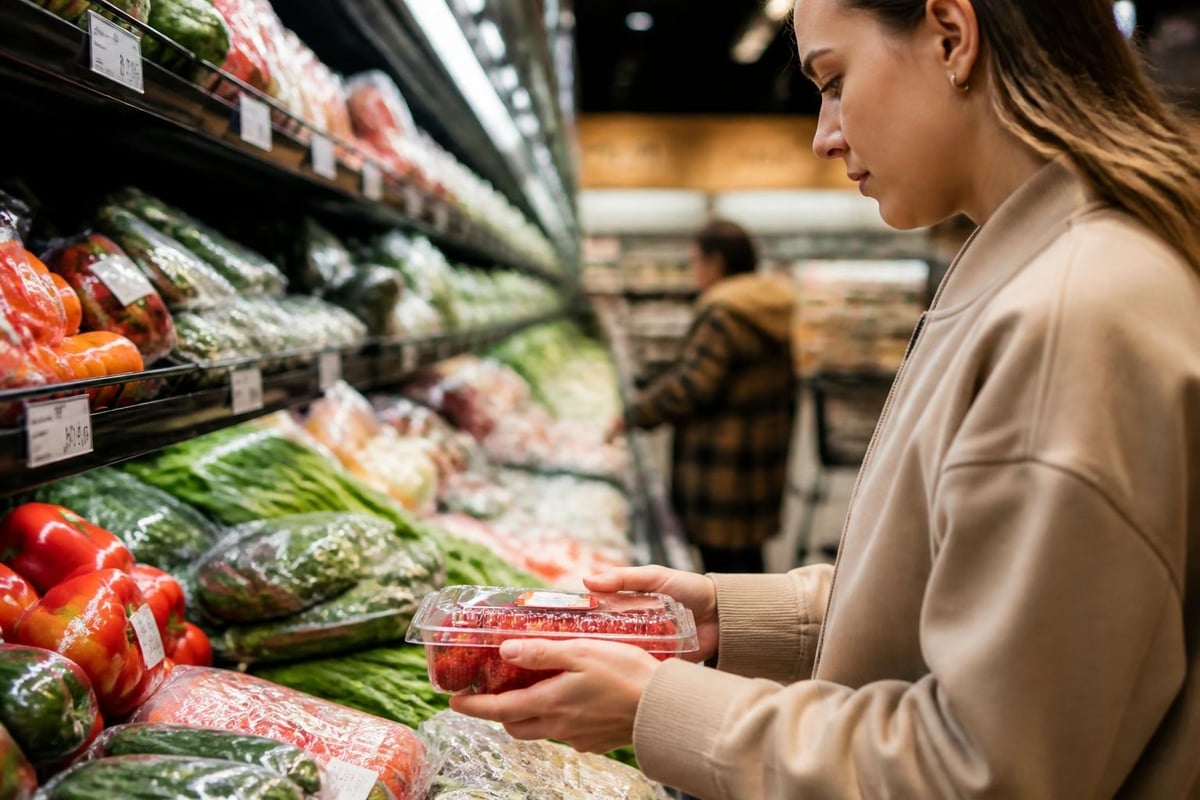
American voters increasingly recognize these global connections, complicating presidential messaging. Candidates must acknowledge constraints while avoiding the appearance of helplessness. The most effective approaches typically combine realistic assessments of global factors with concrete steps to strengthen domestic food systems and protect consumers.
Demographic Variations in Price Sensitivity
While grocery prices concern all voters, the intensity and political implications vary across demographic groups. These variations shape campaign targeting and policy emphasis for presidential candidates seeking to build winning coalitions.
Income-Based Differences
Lower-income households spend a larger percentage of their budget on groceries, making price increases more politically salient. A family spending 30% of income on food feels a 15% price increase far more acutely than a household where food represents 8% of spending.
Budget impact by income quartile:
- Bottom 25%: Food price increases can trigger benefit program applications
- Second quartile: May reduce healthcare or education spending to maintain food budget
- Third quartile: Often shift to lower-cost food options or reduce savings
- Top 25%: Adjust discretionary spending but maintain similar food quality
These income-based differences explain why grocery price discussions often intersect with broader debates about wages, social safety nets, and economic inequality. Presidential candidates must address food affordability in ways that resonate across these economic divides.
Geographic and Cultural Factors
Urban, suburban, and rural voters experience grocery prices differently based on market competition, transportation distances, and shopping options. Rural areas with limited grocery competition may see higher prices but also stronger connections to local agricultural economies.
Regional food preferences also matter. Voters in areas dependent on specific commodities react strongly to price changes in those items. Presidential candidates adjust messaging accordingly, emphasizing beef prices in cattle-producing states or produce costs in agricultural regions.
The Media Amplification Effect
Why voters care about grocery prices gains intensity through media coverage that highlights individual price increases and personal struggle stories. News segments showing families adjusting budgets or comparing current prices to historical levels make abstract inflation figures tangible and emotional.
Television news frequently features:
- Shoppers expressing sticker shock at checkout
- Historical price comparisons for common items
- Family budget interviews highlighting sacrifices
- Expert commentary on inflation causes
- Political reactions and proposed solutions
This coverage creates feedback loops where voter concern drives media attention, which further elevates the issue's political importance. Presidential campaigns monitor this coverage closely, adjusting messaging to address specific products or price trends gaining media traction.
Social Media and Grassroots Awareness
Digital platforms enable voters to share grocery receipts, price comparisons, and budgeting struggles instantly with wide networks. These peer-to-peer communications often carry more credibility than official statistics or political claims. Tracking food prices and spending data provides authoritative context, but personal stories shape voter perceptions.
Presidential campaigns must navigate this landscape carefully. Dismissing voter experiences as anecdotal risks appearing out-of-touch, while acknowledging every price complaint may lock candidates into unrealistic promises. Successful strategies validate concerns while proposing measured, achievable interventions.
Long-Term Political Consequences
The political importance of grocery prices extends beyond individual election cycles. Prolonged food inflation can reshape party coalitions, alter policy priorities, and redefine presidential leadership expectations. Why voters care about grocery prices therefore has implications for presidential legacy and historical assessment.
Lasting political effects include:
- Erosion of incumbent party support across multiple elections
- Permanent shifts in voter trust on economic competence
- Policy innovation as parties seek credible solutions
- Changed expectations for presidential economic management
- Realignment of voter demographics and traditional coalitions
Presidents who successfully address grocery price concerns or who preside over periods of stable food costs gain significant political capital. Conversely, administrations associated with sharp food price increases face sustained criticism that outlasts their time in office.
Building Presidential Credibility on Economic Issues
Effective presidential leadership on grocery prices requires balancing immediate relief with long-term systemic improvements. Voters want to see quick results but also appreciate sustainable solutions that prevent future crises. This dual timeline creates communication challenges for presidential teams.
Successful approaches typically include:
- Short-term measures showing immediate concern and action
- Medium-term initiatives addressing supply chain vulnerabilities
- Long-term structural reforms improving food system resilience
- Transparent communication about constraints and tradeoffs
- Bipartisan cooperation demonstrating seriousness of purpose
These elements combine to show voters that presidential leadership takes their grocery concerns seriously while working within realistic constraints. The most politically effective presidents on this issue manage to claim credit for improvements while deflecting blame for factors beyond executive control.
The Future of Food Affordability in Politics
Looking ahead, why voters care about grocery prices will likely intensify rather than diminish. Climate change threatens agricultural productivity, global population growth increases food demand, and supply chain fragility persists despite post-pandemic recovery efforts. These trends ensure that food affordability remains central to presidential politics.
Emerging issues that will shape future debates include:
- Climate adaptation in agriculture and its cost implications
- Technology integration in farming and food distribution
- Alternative proteins and changing consumer preferences
- Food waste reduction as both environmental and economic issue
- Local food systems versus global supply chain dependencies
Presidential candidates must prepare for evolving voter expectations around these themes while addressing immediate affordability concerns. The intersection of food security, environmental sustainability, and economic justice creates complex policy challenges that will test presidential leadership.
Preparing for Next-Generation Food Politics
Future presidential campaigns will likely see even more sophisticated voter analysis regarding grocery prices. Microtargeting based on shopping patterns, dietary preferences, and regional price variations will enable precisely tailored messaging. Candidates who understand these nuances while maintaining authentic concern for food affordability will hold significant advantages.
The political parties themselves may develop increasingly distinct approaches to food policy, making grocery prices a sharper partisan divider than in previous eras. Alternatively, the universal nature of food concerns might drive bipartisan cooperation on specific interventions. Either scenario reinforces the centrality of food affordability to presidential politics.
Grocery prices represent far more than economic statistics in presidential politics. They embody voter anxieties about economic security, government competence, and future prosperity. Understanding why voters care about grocery prices provides essential insight into electoral dynamics and policy priorities. For comprehensive, non-partisan coverage of how presidents address economic challenges including food affordability, explore the latest analysis at U.S. Presidential Report, where we track policy developments and political trends shaping American governance.