Public confidence in American electoral systems has experienced significant erosion over the past decade, creating what many political analysts consider a crisis of democratic legitimacy. Understanding why election trust is declining requires examining multiple interconnected factors, from the proliferation of digital misinformation to partisan polarization and concerns about election security. For citizens seeking reliable information about presidential governance and electoral processes, recognizing these trust-eroding mechanisms has become essential to maintaining informed civic participation.
The Historical Context of Electoral Confidence
American democracy has weathered numerous challenges to electoral legitimacy throughout its history, yet the current environment presents unique obstacles. Between 2000 and 2026, public confidence in election administration has fluctuated dramatically, with partisan affiliation increasingly determining whether voters believe their ballots are accurately counted.
The 2000 presidential election's contested outcome in Florida marked an early inflection point, raising questions about voting technology and recount procedures that resonated for years. Subsequent elections brought new challenges, from concerns about electronic voting machine security to debates over voter identification requirements and mail-in ballot protocols.
Partisan Divergence in Election Confidence
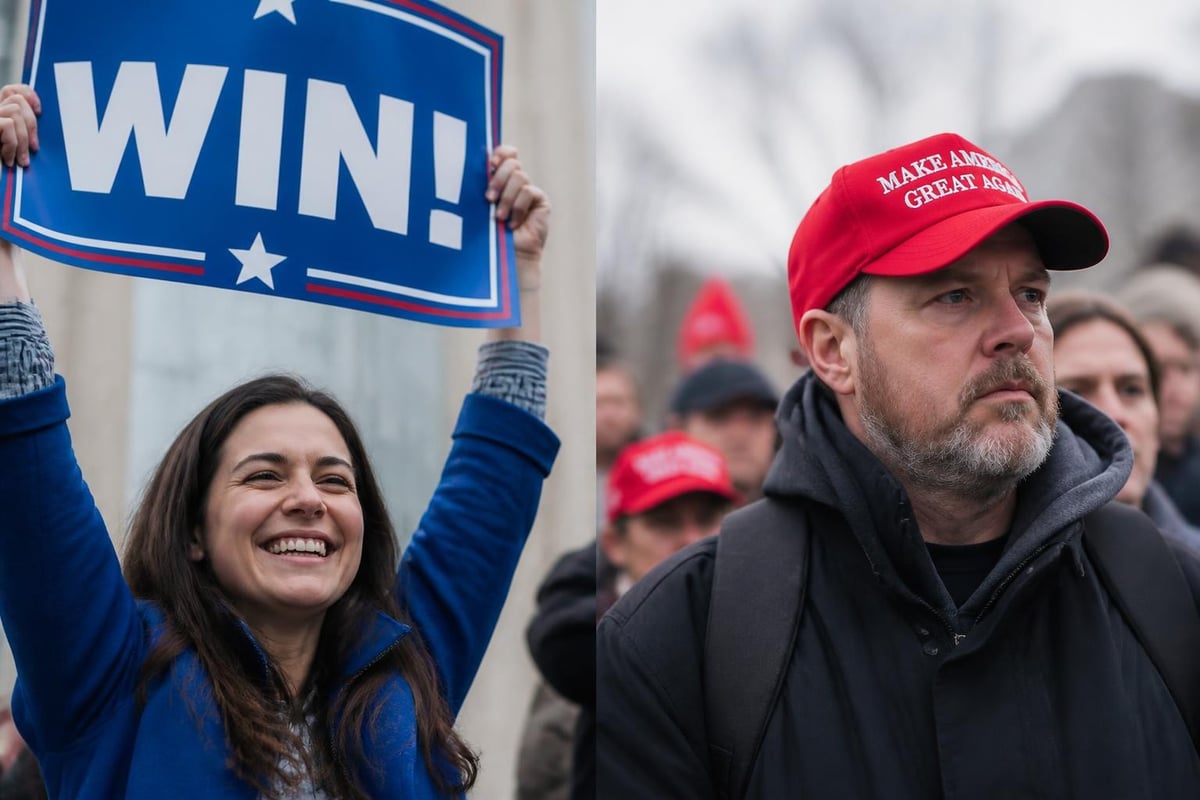
Recent polling data from the Pew Research Center reveals striking partisan gaps in how Americans view election integrity. Supporters of winning candidates typically express high confidence in electoral processes, while those whose preferred candidates lose often question the results' legitimacy.
This divergence represents a fundamental shift from earlier eras when both parties generally accepted electoral outcomes despite policy disagreements. The pattern now threatens to normalize contested elections, with each cycle potentially reinforcing skepticism among different voter segments depending on outcomes.
Misinformation and the Digital Ecosystem
The explosion of digital communication platforms has fundamentally transformed how voters receive and process election-related information. Social media algorithms prioritize engagement over accuracy, often amplifying sensational claims that erode confidence in democratic institutions.
The Mechanics of Election Misinformation
False claims about electoral processes spread through several distinct channels:
- Social media echo chambers that reinforce existing beliefs without fact-checking
- Coordinated disinformation campaigns from both domestic and foreign actors
- Deepfakes and AI-generated content that blur the line between authentic and fabricated evidence
- Misleading interpretations of routine administrative procedures presented as evidence of fraud
According to research from the Brookings Institution, artificial intelligence technologies have enhanced the sophistication and scale of election-related disinformation. Synthetic media can now create convincing fake videos of candidates or election officials, making it increasingly difficult for average voters to distinguish fact from fiction.
The DFRLab’s ongoing monitoring of the 2024 election cycle documented numerous instances where misleading content achieved viral distribution before fact-checkers could respond effectively. This temporal gap between misinformation spread and correction leaves lasting impressions on public perception.
The Crisis in Media Trust
Why election trust is declining cannot be separated from the broader collapse in news media credibility. Research from the Knight Foundation identifies several factors undermining public confidence in information sources, including perceived political bias, sensationalism prioritizing clicks over accuracy, and the blurring of opinion and reporting.
When voters cannot identify trustworthy sources for election information, they increasingly rely on partisan outlets that confirm existing beliefs rather than challenge them with verified facts. This fragmentation creates parallel information universes where different communities operate with fundamentally incompatible understandings of electoral reality.
Structural Vulnerabilities in Election Administration
Beyond misinformation, legitimate concerns about election infrastructure contribute to declining trust. The decentralized nature of American election administration, with thousands of local jurisdictions employing varied technologies and procedures, creates genuine security challenges and opportunities for human error.
| Vulnerability Category | Specific Concerns | Trust Impact |
|---|---|---|
| Technology Security | Aging voting machines, insufficient cybersecurity funding | High among technically-informed voters |
| Administrative Capacity | Understaffed election offices, inadequate training | Creates visible errors amplified in media |
| Legal Framework | Varying state laws, changing rules close to elections | Generates confusion and suspicion |
| Physical Security | Threats against election workers, polling place intimidation | Reduces official confidence and participation |
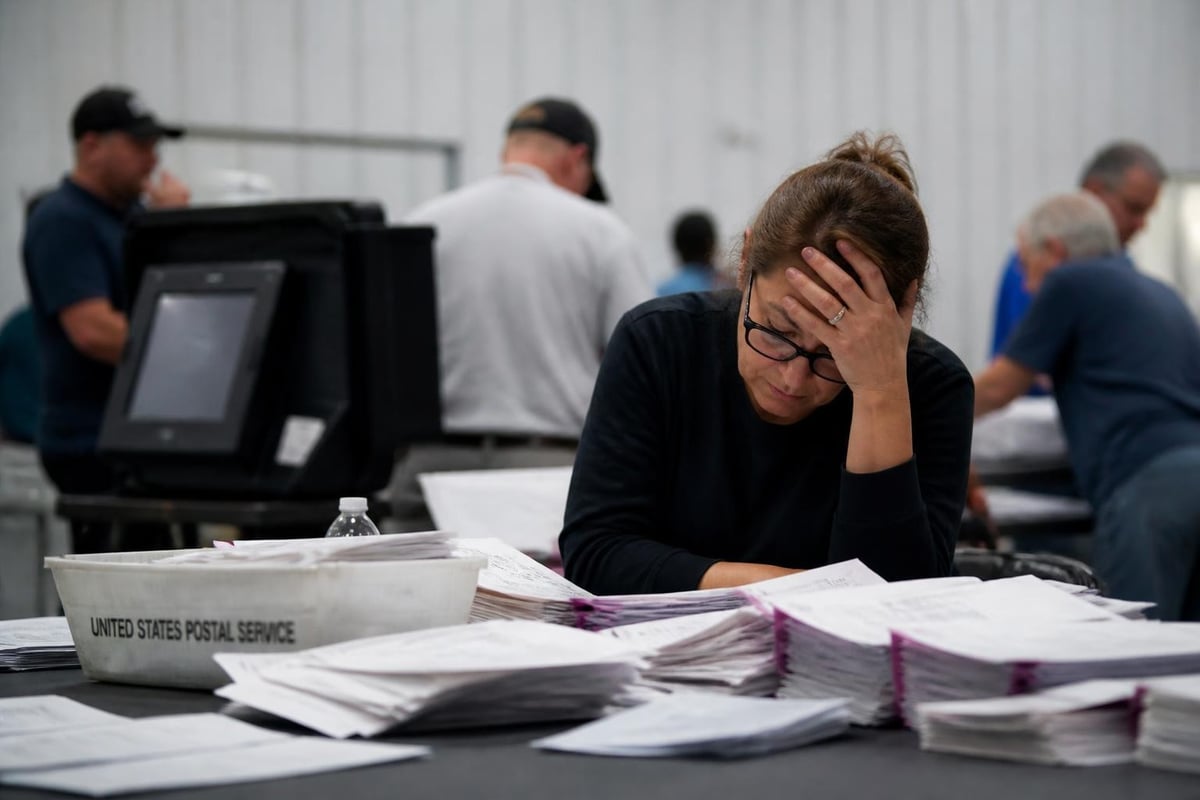
The Brennan Center for Justice has documented increasing threats against election administrators, with officials facing harassment, doxxing, and physical intimidation. When the professionals responsible for conducting elections become targets of politically-motivated attacks, the entire system's credibility suffers.
The Role of Political Leadership
Political leaders' rhetoric significantly influences public confidence in electoral processes. When prominent officials preemptively question election integrity or refuse to commit to accepting results, they prime supporters to view unfavorable outcomes as illegitimate.
Presidential Influence on Electoral Trust
Presidential candidates and sitting presidents wield enormous influence over their supporters' perceptions of election legitimacy. Statements made by these leaders receive extensive media coverage and social media amplification, shaping millions of voters' understanding of electoral processes.
The pattern of contested elections has intensified in recent cycles, with presidential polling data reflecting deep partisan divisions that extend beyond policy preferences to fundamental questions about democratic legitimacy. When leaders frame elections as existential battles between good and evil rather than normal democratic competitions, they inadvertently encourage supporters to view losing as unacceptable.
Historical precedent shows that graceful concessions and acceptance of electoral outcomes reinforce democratic norms, while prolonged challenges and refusal to concede normalize skepticism. Presidential behavior sets the standard for how millions of Americans understand their democratic obligations.
Legislative Changes and Their Perception
States have enacted hundreds of election law changes in recent years, with proponents framing reforms as necessary security enhancements while critics characterize them as voter suppression efforts. This contentious dynamic around election legislation contributes substantially to why election trust is declining.
The Debate Over Election Law Reforms
Election law changes fall into several categories, each generating distinct trust implications:
- Voter identification requirements that supporters claim prevent fraud while opponents argue create barriers to legitimate participation
- Mail-in voting expansions or restrictions that gained prominence during the pandemic and remain controversial
- Early voting period adjustments that affect voter convenience and administrative capacity
- Ballot drop box regulations governing their placement, security, and monitoring
- Voter roll maintenance procedures balancing accuracy with ensuring eligible voters remain registered
The perception of these changes often depends more on partisan affiliation than objective assessment of their actual impacts. When one party controls state government and passes election reforms over minority party objections, the majority views changes as common-sense improvements while the minority sees deliberate manipulation.
Foreign Interference and Its Amplification
Foreign actors seeking to undermine American democracy have identified election trust as a prime vulnerability. Rather than necessarily changing vote tallies directly, adversarial nations can achieve strategic objectives by simply amplifying existing doubts and divisions.
Intelligence assessments consistently identify election interference as an ongoing threat, with foreign operations adapting to improved defenses. These campaigns often work by amplifying authentic domestic grievances rather than creating entirely fabricated narratives, making them harder to identify and counter.
The knowledge that foreign actors target American elections paradoxically feeds into declining trust. Some voters become hypervigilant, seeing manipulation everywhere, while others dismiss legitimate security concerns as exaggerated partisan fearmongering. Both responses undermine the stable, confident electorate democracy requires.
The Information Processing Challenge
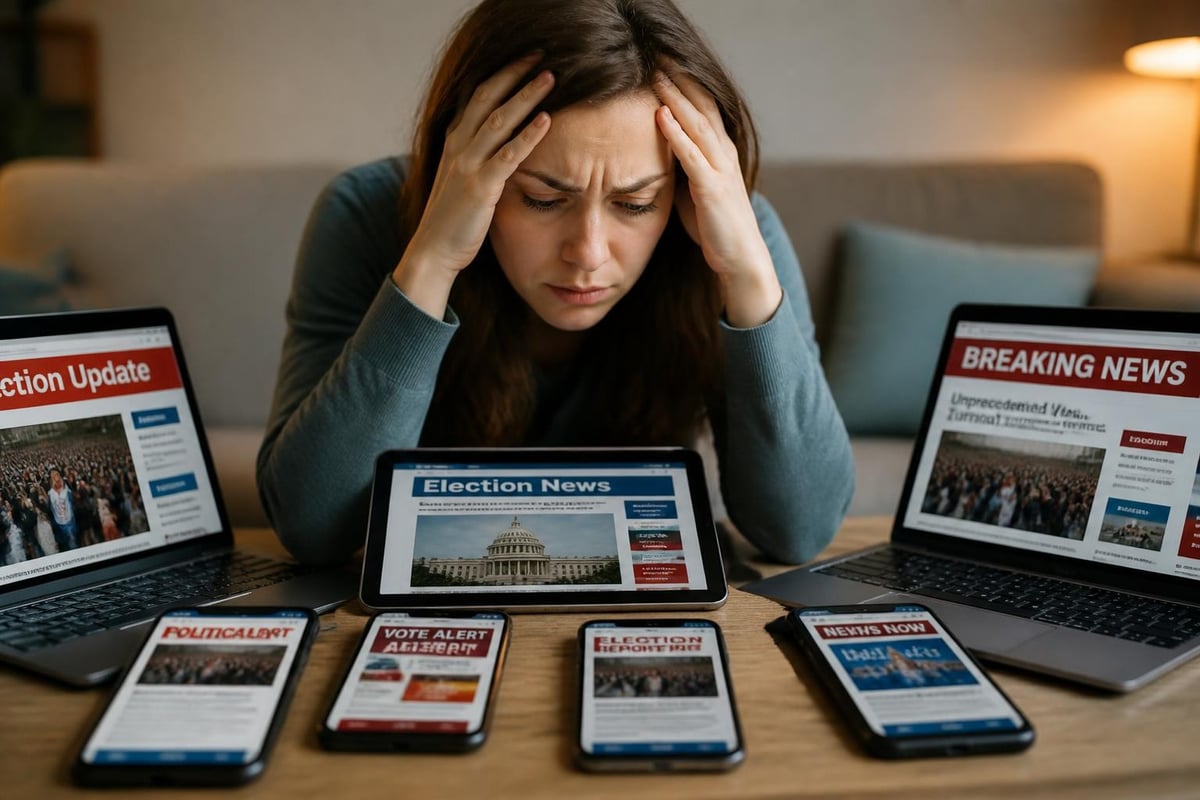
Modern citizens face unprecedented volumes of election-related information from countless sources, each with varying levels of credibility and accuracy. The cognitive burden of evaluating this information exceeds most people's available time and expertise, creating conditions where emotional resonance often trumps factual accuracy.
Why Misinformation Resonates
Several psychological factors explain why false election claims often spread more effectively than accurate information:
- Confirmation bias leads people to accept information supporting existing beliefs without scrutiny
- Emotional arousal from shocking claims drives sharing behavior more than mundane facts
- Social identity makes questioning one's political community's shared narratives psychologically costly
- Availability heuristic causes people to overweight memorable anecdotes versus statistical evidence
Understanding these mechanisms helps explain why election trust is declining even as actual election administration has become more professionalized and secure in many jurisdictions. Perception, shaped by information exposure and psychological processing, diverges from objective reality.
The Cycle of Reciprocal Distrust
Declining election trust creates self-reinforcing dynamics where skepticism breeds behaviors that generate more skepticism. When one party implements election law changes citing security concerns, the other party views these moves as illegitimate power grabs, prompting countermeasures when they gain control.
This cycle extends beyond legislation to include:
- Increased election litigation challenging procedures and results
- Partisan media ecosystems developing incompatible narratives about the same events
- Voters pre-committing to reject unfavorable outcomes before votes are cast
- Election officials facing pressure from partisan activists to implement favored procedures
Breaking this cycle requires rebuilding confidence incrementally through transparent administration, nonpartisan reform processes, and leadership that prioritizes democratic stability over short-term political advantage.
Demographic and Geographic Variations
Why election trust is declining manifests differently across demographic groups and geographic regions. Urban, suburban, and rural voters often have distinct experiences with and perceptions of election administration, shaped by their local contexts and media consumption patterns.
Generational differences also emerge, with younger voters who have come of age during this period of electoral contestation having different baseline expectations than older Americans who remember eras of greater electoral consensus. These cohort effects suggest trust challenges may persist absent deliberate interventions.
Educational attainment correlates with trust patterns, though not in straightforward ways. Higher education associates with greater confidence in some election security aspects but also more sophisticated skepticism about potential vulnerabilities. These nuances complicate efforts to address declining trust through public education campaigns.
The Economic Dimension
Economic anxiety and insecurity amplify election trust concerns, with voters experiencing financial stress more likely to believe the system is rigged against them. When people feel economically vulnerable, they become more receptive to messages suggesting political elites manipulate democratic processes for their benefit.
This connection between economic conditions and electoral trust appears in historical patterns where economic crises coincide with increased political instability and contested elections. The perception that economic systems favor connected insiders naturally extends to skepticism about political systems, creating compound distrust.
Institutional Credibility and Election Trust
Declining confidence in major American institutions extends beyond elections to include media, Congress, corporations, and other establishment entities. This broader institutional distrust provides fertile ground for election skepticism, as voters predisposed to question authority naturally extend suspicion to electoral processes.
Rebuilding election trust may require addressing this wider credibility crisis, as isolated election reforms cannot overcome generalized institutional skepticism. When voters fundamentally distrust government, convincing them that government-administered elections are fair becomes exponentially harder.
For readers tracking these developments, U.S. Presidential Report provides nonpartisan coverage of how presidents in the news address electoral integrity and democratic governance challenges.
The Path Forward Requires Multifaceted Approaches
Reversing declining election trust demands coordinated action across multiple domains. Technical improvements to election security, while necessary, prove insufficient without corresponding efforts to rebuild institutional credibility, combat misinformation effectively, and encourage political leadership that reinforces democratic norms.
Transparency in election administration helps build confidence, with many jurisdictions now offering public observation of vote counting and post-election audits that verify results. These mechanisms work best when combined with proactive communication explaining procedures before questions arise.
Civic education preparing citizens to evaluate election information critically represents another essential component. When voters understand how elections actually function, they become less susceptible to misleading claims about routine administrative procedures.
Declining trust in American elections stems from interconnected factors including partisan polarization, sophisticated misinformation campaigns, legitimate security concerns, and erosion of institutional credibility. Addressing this crisis requires recognizing that perception and reality both matter, with technical improvements to election administration necessary but insufficient without rebuilding broader democratic confidence. For comprehensive, nonpartisan coverage of presidential elections and governance challenges, U.S. Presidential Report delivers the reliable information citizens need to navigate complex political developments and maintain informed civic engagement.