Understanding how voting machines work is essential for every American citizen participating in presidential elections. These sophisticated devices form the backbone of modern democratic processes, translating millions of individual votes into official election results. As technology continues to evolve and election security remains a top priority, voters increasingly want to know exactly how their ballots are processed, counted, and verified. This comprehensive guide explores the mechanisms, security protocols, and verification systems that make electronic voting possible in the United States.
The Primary Types of Voting Machines in U.S. Elections
American election systems rely on several distinct technologies, each designed with specific security and accessibility considerations in mind. The three main categories dominate voting infrastructure across different states and jurisdictions.
Optical Scan Voting Systems
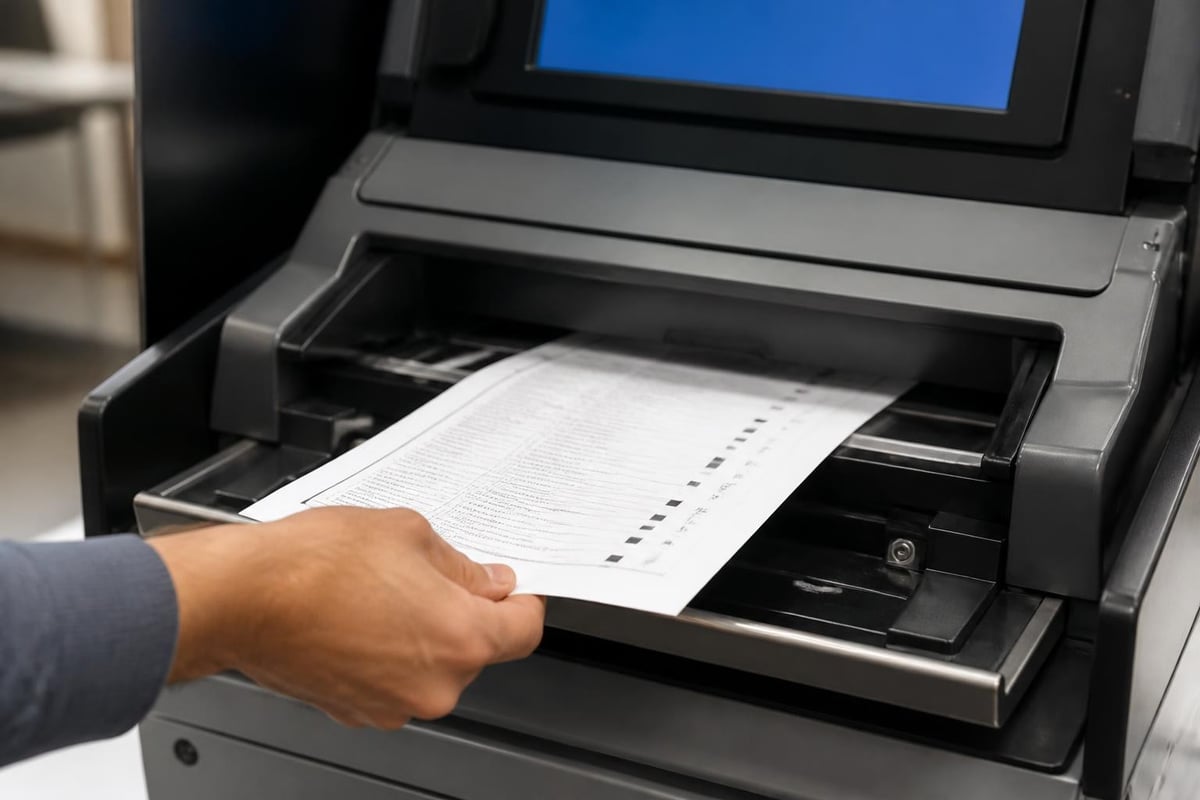
Optical scan machines represent the most widely deployed voting technology in the United States. These devices work similarly to standardized test scanners, reading marked paper ballots through digital imaging technology. Voters fill in ovals or connect arrows next to their chosen candidates using a pen or marker, then insert the completed ballot into the scanner.
The scanning process involves high-resolution cameras that capture the ballot image and sophisticated software that interprets the marks. The system compares voter marks against predetermined target areas on the ballot template. When the mark density exceeds a specific threshold, the machine registers it as a vote for that candidate or measure.
Key advantages of optical scan systems include:
- Physical paper ballots that provide an auditable record
- Voter verification before final submission
- Faster processing than hand-counting
- Reduced human error in tabulation
These machines typically alert voters to potential issues such as overvotes (selecting too many candidates) or undervotes (leaving races blank), giving voters an opportunity to correct mistakes before finalizing their ballot.
Direct Recording Electronic (DRE) Machines
Direct Recording Electronic systems allow voters to make selections on a touchscreen or button interface. Understanding how voting machines work in this category requires examining their internal vote storage mechanisms. When a voter touches a candidate's name on the screen, the machine records that selection directly into its memory.
DRE machines present the entire ballot electronically, often one race at a time. Navigation buttons allow voters to move forward and backward through contests, reviewing and changing selections before final submission. The interface typically includes confirmation screens showing all choices before the voter casts their ballot.
| Feature | DRE Machines | Optical Scan Systems |
|---|---|---|
| Physical Ballot | Optional paper trail | Always paper-based |
| Vote Storage | Electronic memory | Scanned images + memory |
| Accessibility | Built-in audio/tactile | Requires separate device |
| Audit Capability | Depends on paper trail | Full paper audit |
Modern DRE systems increasingly include voter-verifiable paper audit trails (VVPAT), which print a paper record of each vote behind a protective screen. Voters can verify their selections on this paper record before finalizing their vote, creating a backup for potential recounts or audits.
Ballot-Marking Devices (BMDs)
Ballot-marking devices represent a hybrid approach that combines electronic interfaces with paper ballot output. These machines help voters with disabilities and those who prefer electronic assistance to mark their ballots accurately. The voter makes selections on a touchscreen, and the machine prints those choices onto a paper ballot.
The printed ballot typically includes both human-readable text and a barcode or QR code containing the vote data. After reviewing the printed ballot, voters feed it into a separate optical scanner for tabulation. This two-step process maintains the security advantages of paper ballots while providing the accessibility benefits of electronic interfaces.
Security Measures and Verification Protocols
Election security involves multiple layers of protection designed to prevent tampering, detect irregularities, and ensure accurate vote counting. The Voluntary Voting System Guidelines establish federal standards for testing and certifying voting equipment.
Physical Security Controls
Voting machines undergo strict physical security protocols throughout their lifecycle. Storage facilities employ video surveillance, access logs, and tamper-evident seals. Before each election, officials inspect machines for signs of unauthorized access or modification.
Chain-of-custody procedures track every movement of voting equipment from storage to polling places and back. Multiple election officials from different parties typically must be present when accessing secured voting machines. Tamper-evident seals with unique serial numbers are applied to machine cases, memory card slots, and ballot boxes.
Standard security checkpoints include:
- Pre-election logic and accuracy testing
- Public testing demonstrations
- Seal verification at poll opening
- Continuous monitoring during voting hours
- Post-election seal documentation
Software and Hardware Safeguards
The technology behind how voting machines work incorporates numerous protective features at both software and hardware levels. Voting system software undergoes extensive testing and certification before deployment. Independent testing laboratories evaluate systems against federal and state standards, examining source code, security protocols, and system architecture.
Many jurisdictions implement air-gapped systems, meaning voting machines never connect to the internet. This isolation prevents remote hacking attempts and ensures vote data cannot be transmitted electronically. Memory cards used to transport vote totals employ encryption and digital signatures to detect unauthorized modifications.
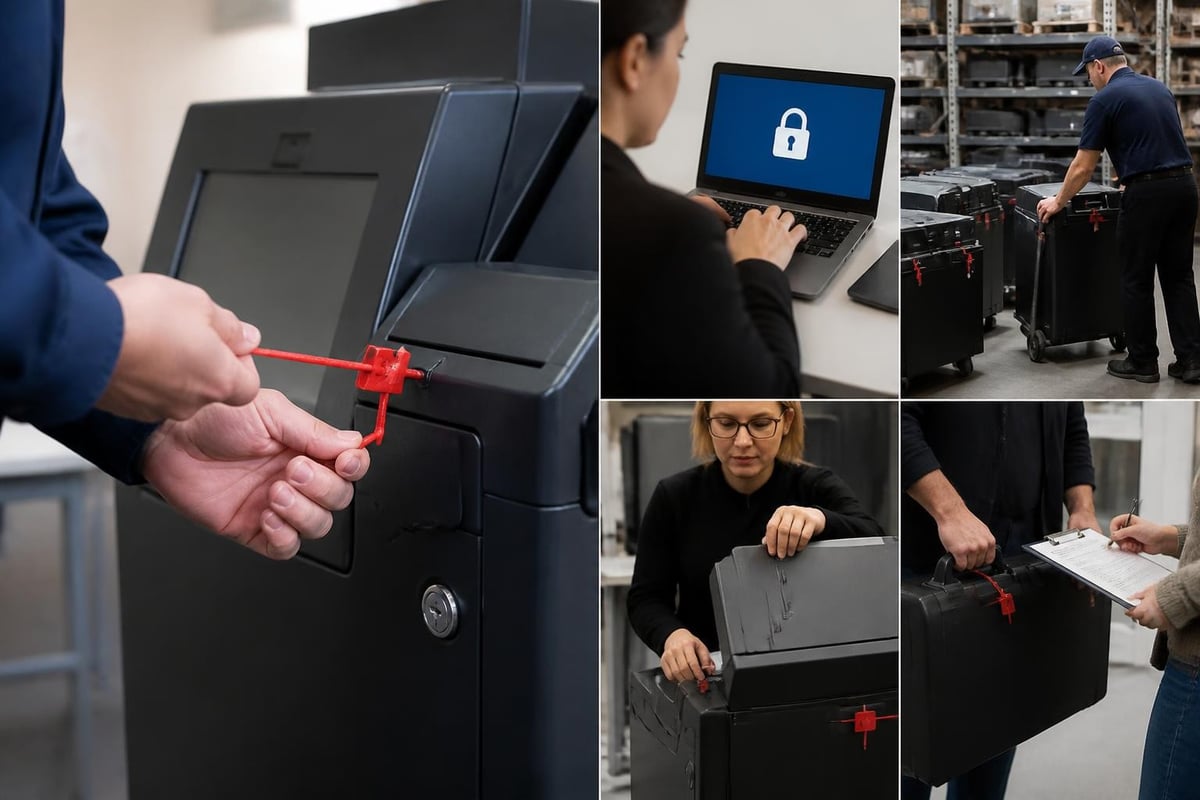
Hash codes provide additional verification by creating unique digital fingerprints of software installations. Officials compare these hash values before and after elections to confirm no unauthorized changes occurred. Any discrepancy would indicate potential tampering and trigger investigation protocols.
The Vote Tabulation Process
Understanding how voting machines work requires examining the complete tabulation workflow from individual votes to certified results. This process involves multiple stages of aggregation, verification, and reporting.
Precinct-Level Counting
Most modern voting systems perform initial tabulation at the precinct level. As each voter submits their ballot, the machine adds those selections to running totals stored in memory. The system maintains separate counters for each candidate and ballot measure.
Throughout election day, these totals accumulate but remain sealed within the machine's memory. Poll workers cannot access or view partial results until polls officially close. This prevents premature disclosure that could influence voters still waiting to cast ballots.
When polls close, election officials initiate the closing procedures that produce printed results tapes. These tapes show vote totals for every contest on that precinct's ballot. Multiple copies typically print, with observers from different parties receiving copies for verification.
Results Aggregation and Reporting
After precinct-level tabulation, results move up through the reporting chain to county or municipal election offices. Depending on jurisdiction protocols, this transfer may occur through physical transport of memory cards, secure electronic transmission, or manual entry of printed results.
County systems aggregate precinct totals into comprehensive results databases. Election management software compares incoming totals against expected values, flagging anomalies such as more votes than registered voters or impossible vote combinations. These automated checks provide an additional verification layer before results publication.
| Tabulation Stage | Verification Method | Timeline |
|---|---|---|
| Individual Ballot | Machine validation alerts | Immediate |
| Precinct Total | Printed tape comparison | Poll closing |
| County Aggregate | Database logic checks | Election night |
| Official Canvas | Manual audit procedures | Days to weeks |
The research on voting machine accuracy demonstrates that modern systems achieve extremely high precision when properly maintained and operated. However, post-election audits remain essential for confirming electronic tallies match physical paper records.
Post-Election Audits and Verification
Post-election audits provide the final verification that voting machines counted ballots accurately. These audits compare electronic totals against hand-counted paper ballots, detecting potential errors or manipulation.
Risk-Limiting Audits
Risk-limiting audits (RLAs) represent the gold standard for post-election verification. These statistical audits examine a randomly selected sample of ballots to provide strong evidence that the reported outcome matches actual votes. The Risk-Limiting Audit resources explain how these procedures provide mathematical confidence in election outcomes.
RLA sample sizes vary based on the margin of victory. Closer races require examining more ballots to achieve the same confidence level. If the hand count matches electronic totals within expected statistical margins, the audit confirms the result. Significant discrepancies trigger expanded audits or full hand recounts.
The process works by calculating the probability that an incorrect outcome could survive the audit undetected. Jurisdictions typically set this risk limit at 5% or 10%, meaning there's a 90-95% chance the audit would detect a wrong winner.
Traditional Percentage-Based Audits
Many states still employ traditional audits that examine a fixed percentage of precincts or ballots. These audits randomly select 1-10% of voting locations for manual hand counts, comparing those results against machine tallies.
Steps in a typical percentage-based audit:
- Random selection of precincts or ballot batches
- Retrieval of corresponding paper ballots
- Hand counting by bipartisan teams
- Comparison with machine-reported totals
- Investigation of any discrepancies
- Public reporting of audit findings
While these audits provide valuable verification, they offer less statistical certainty than risk-limiting audits. A fixed-percentage audit might miss errors that affected unaudited precincts. Nevertheless, they remain an important safeguard, and the publications from Verified Voting detail how different audit approaches complement each other.

Accessibility Features and Voter Assistance
Modern voting machines incorporate extensive accessibility features ensuring all citizens can vote independently and privately. Federal law requires jurisdictions to provide accessible voting options for voters with disabilities.
Audio Ballots and Tactile Interfaces
Voting machines equipped for accessibility include headphone jacks and audio ballot playback. The system reads each contest and candidate name aloud, allowing visually impaired voters to make selections using tactile controls. Keypad buttons with Braille labels or pneumatic sip-and-puff devices enable voters with limited hand mobility to navigate the ballot.
Audio systems employ speech synthesis or pre-recorded human voices, typically offering multiple languages. Voters control playback speed and can replay instructions or candidate names as needed. The interface guides users through each contest with clear audio cues indicating their current position on the ballot.
Language Support and Ballot Design
Understanding how voting machines work also means recognizing their multilingual capabilities. Many jurisdictions must provide ballots in multiple languages based on local demographics. Electronic systems easily accommodate this requirement by offering language selection at the start of the voting session.
The domestic policy considerations around voting rights increasingly emphasize accessibility and inclusion. Clear ballot design with adequate contrast, readable fonts, and logical layout helps all voters complete their ballots accurately.
Certification and Testing Requirements
Voting equipment undergoes rigorous testing before deployment in actual elections. This multi-stage certification process examines every aspect of how voting machines work to ensure reliability and security.
Federal Testing and Certification
The Election Assistance Commission oversees federal testing programs for voting systems. Independent testing laboratories accredited by the EAC examine voting equipment against the Voluntary Voting System Guidelines. These comprehensive standards cover hardware reliability, software security, accessibility compliance, and operational procedures.
Testing includes both functional verification and security penetration attempts. Laboratories examine source code for vulnerabilities, test hardware under various failure conditions, and verify that systems perform consistently across thousands of simulated votes.
Systems that pass federal testing receive EAC certification, though states make final decisions about which equipment to approve for use. Some states impose additional requirements beyond federal standards, conducting their own testing and certification programs.
State and Local Acceptance Testing
Before deployment, individual voting machines undergo acceptance testing to verify they function correctly and haven't been damaged or compromised during shipping. Election officials run test ballots with known vote patterns through each machine, confirming the output matches expected results.
Logic and accuracy testing occurs again before each election using that specific election's ballot configuration. This process ensures the voting system correctly interprets the actual ballot design voters will use. The election auditing research from MIT demonstrates how these layered testing procedures combine with post-election audits to create robust verification systems.
Emergency Backup Procedures
Election officials maintain comprehensive backup plans for voting machine failures or unexpected problems. These procedures ensure every voter can cast a ballot even if equipment malfunctions.
Polling places stock emergency paper ballots that match the electronic ballot design. If machines fail, voters complete paper ballots that officials count separately. Jurisdictions typically maintain backup machines that can replace failed equipment quickly.
Poll worker training emphasizes troubleshooting common issues and implementing backup procedures smoothly. Many problems involve simple fixes like replacing paper rolls, clearing paper jams, or restarting frozen systems. Technical support hotlines provide additional assistance for complex issues.
Common contingency measures include:
- Emergency paper ballot supplies
- Backup voting machines on standby
- Extended polling hours if significant delays occur
- Mobile voting equipment for transport to underserved locations
- Provisional ballot procedures for voters unable to use available systems
These safeguards ensure equipment failures don't prevent citizens from exercising their voting rights. Election observers from multiple parties monitor backup procedure implementation to maintain transparency and voter confidence.
The Future of Voting Technology
Voting technology continues evolving with advances in security, accessibility, and verification capabilities. Emerging innovations focus on strengthening the paper trail while maintaining the efficiency and accessibility benefits of electronic systems.
Blockchain-based verification systems remain experimental but offer potential for creating immutable audit trails. Enhanced cryptographic techniques could allow voters to verify their votes were counted correctly without compromising ballot secrecy. Improved ballot-marking devices with better paper trail formatting may replace older DRE systems lacking adequate audit capabilities.
Election security experts increasingly emphasize the importance of voter-verified paper records and robust post-election audits. These principles guide modernization efforts as jurisdictions replace aging equipment. Following comprehensive election reporting helps voters understand how their state's voting systems work and what security measures protect their ballots.
Understanding how voting machines work empowers voters to participate confidently in American democracy and recognize the multiple safeguards protecting election integrity. These sophisticated systems balance security, accessibility, and efficiency while maintaining the paper trails necessary for meaningful verification. For comprehensive coverage of presidential elections, voting procedures, and the policies shaping American democracy, visit U.S. Presidential Report for non-partisan news and analysis on current and historical presidencies.