Understanding voter identification requirements has become increasingly important for Americans as they prepare to participate in elections. The landscape of voter ID laws by state in 2026 continues to evolve, with different jurisdictions implementing varying levels of identification requirements. These regulations directly impact how citizens cast their ballots in presidential and other federal elections, making it essential for voters to understand their state's specific rules before heading to the polls.
The Current Landscape of Voter Identification Requirements
Voter identification laws exist on a spectrum across the United States. Strict photo ID states require voters to present government-issued photo identification, while non-strict states allow various forms of verification. Some states request identification but permit voters to cast ballots even without it, while others have no ID requirement whatsoever.
As of 2026, approximately 36 states have implemented some form of voter identification law. The specific requirements vary significantly, creating a patchwork of regulations that voters must navigate. Research from MIT Election Lab indicates that these differences can affect both voter turnout and administrative efficiency at polling locations.
Categories of State Requirements
The voter ID laws by state in 2026 fall into four primary categories:
- Strict Photo ID: Voters must present government-issued photo identification to cast a regular ballot
- Strict Non-Photo ID: Voters must present identification, which may include non-photo documents
- Non-Strict Photo ID: Photo ID is requested but alternatives exist for those without it
- Non-Strict ID: Identification is requested but voters can sign affidavits or use other verification methods
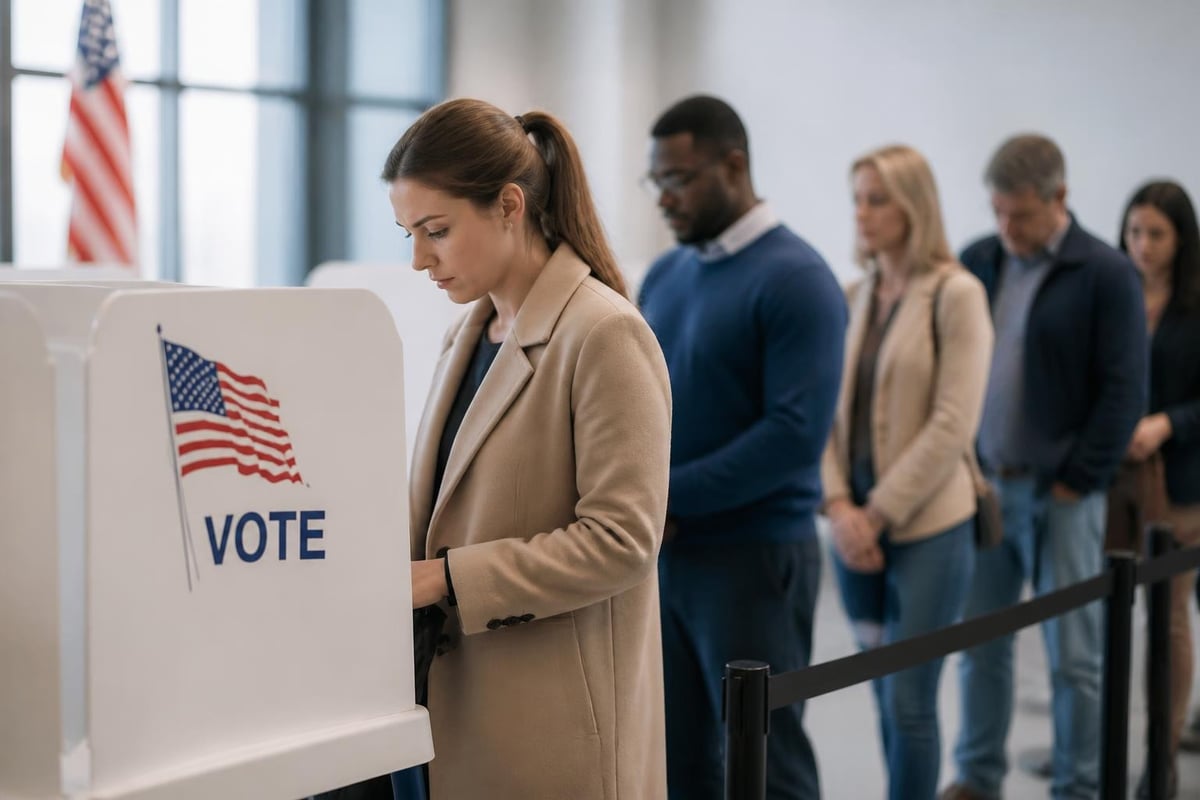
States with Strict Photo ID Requirements
Eight states maintain the strictest voter identification standards in 2026. These jurisdictions require voters to present specific photo identification before casting a regular ballot. Without acceptable ID, voters must take additional steps such as casting a provisional ballot and returning with proper identification within a designated timeframe.
| State | Acceptable Photo IDs | Provisional Ballot Timeline |
|---|---|---|
| Georgia | Driver's license, state ID, passport, military ID, tribal ID | Must return with ID within 3 days |
| Indiana | Driver's license, state ID, passport, military ID | Must return with ID within 10 days |
| Kansas | Driver's license, state ID, passport, military ID, student ID (public institutions) | Must provide ID within 3 days |
| Mississippi | Driver's license, state ID, passport, military ID, tribal ID, student ID | Must provide ID within 5 days |
| Tennessee | Driver's license, state ID, passport, military ID | Must provide ID within 2 days |
| Wisconsin | Driver's license, state ID, passport, military ID, tribal ID, veteran ID | Must provide ID within 3 days |
| Missouri | Driver's license, state ID, passport, military ID, student ID (public institutions) | Must provide ID within 6 days |
| Arkansas | Driver's license, state ID, passport, military ID | Must provide ID within 6 days |
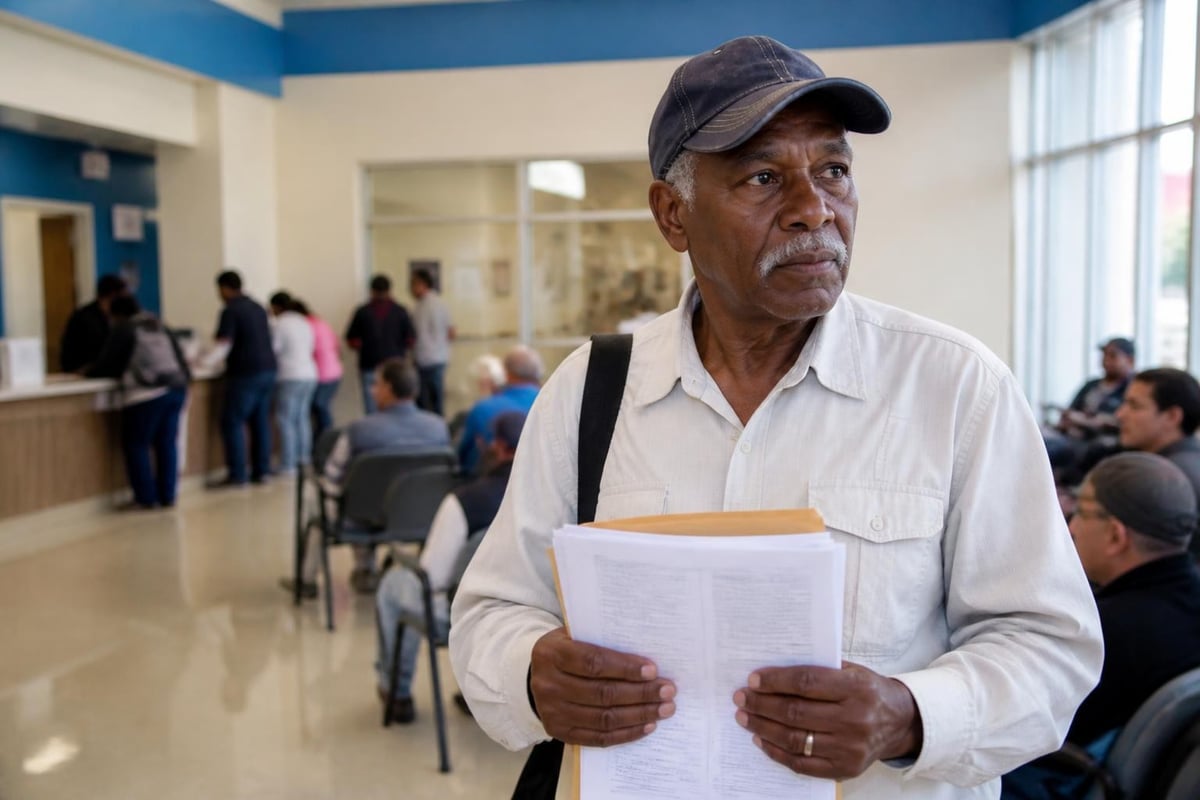
These states typically provide free identification cards to voters who do not possess acceptable photo ID. The process for obtaining these IDs varies, with some states offering mobile ID units while others require visits to specific government offices.
States with Non-Strict ID Policies
Many states request identification but allow voters without ID to cast regular ballots using alternative verification methods. This approach balances security concerns with accessibility, recognizing that not all eligible voters possess government-issued identification.
In these jurisdictions, voters who arrive without ID can typically:
- Sign an affidavit attesting to their identity
- Have a poll worker or election official vouch for their identity
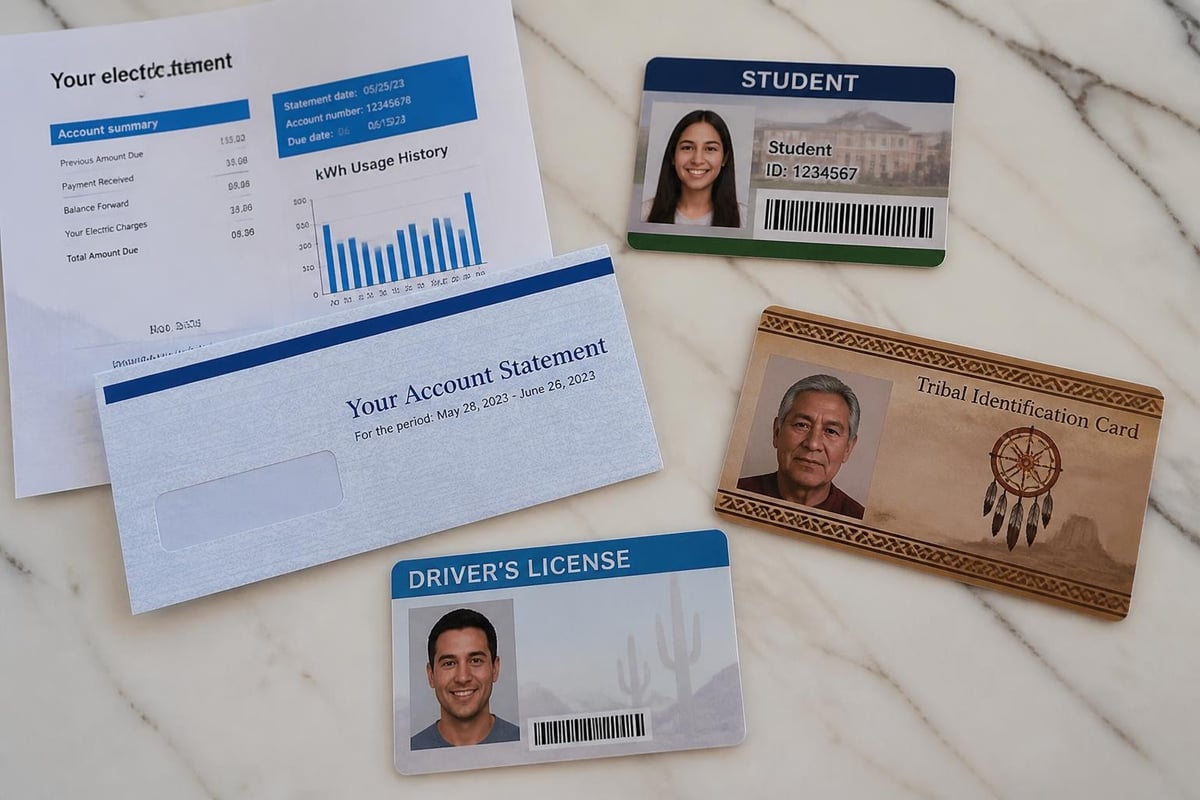
- Provide alternative documentation such as utility bills or bank statements
- Cast a regular ballot that will be counted alongside all others
States including Florida, Idaho, Louisiana, Michigan, South Dakota, Texas, and others follow this model. The Brennan Center’s analysis of voter ID policies suggests that non-strict policies maintain election security while reducing barriers to ballot access.
Acceptable Alternative Documents
Beyond photo identification, many states accept various documents to verify voter identity:
- Utility bills showing the voter's name and address
- Bank statements or paycheck stubs
- Government checks or documents
- Student identification from public universities
- Tribal identification cards
- Veteran health identification cards
- Public housing authority identification
States Without Voter ID Requirements
Fourteen states plus the District of Columbia do not require voters to show identification at the polls. These jurisdictions verify voter eligibility through other means, such as signature matching or providing personal information that matches voter registration records.
States without ID requirements include California, Illinois, Iowa, Maine, Maryland, Massachusetts, Minnesota, Nebraska, Nevada, New Jersey, New Mexico, New York, North Carolina, Oregon, Pennsylvania, Vermont, West Virginia, Wyoming, and the District of Columbia.
In these states, voters typically verify their identity by:
- Stating their name and address at check-in
- Signing a poll book that officials compare to registration signatures
- Providing the last four digits of their Social Security number
- Answering security questions about their registration information
The voter ID laws by state in 2026 reflect different philosophical approaches to election administration. Public opinion research from Pew indicates broad bipartisan support for some form of ID verification, though disagreement persists about strictness levels.
Recent Legislative Changes and Trends
The period from 2024 through 2026 has seen significant activity in state legislatures regarding voter identification. Ballotpedia’s tracking of election administration legislation documents dozens of bills introduced to either strengthen or relax ID requirements.
States that strengthened requirements in recent years include:
- Ohio (implemented strict photo ID in 2024)
- Montana (expanded acceptable ID types but increased verification requirements)
- New Hampshire (reduced acceptable alternative documents)
States that relaxed requirements include:
- Virginia (expanded acceptable ID types and alternative verification methods)
- Rhode Island (moved from strict to non-strict photo ID)
Federal Proposals and Their Implications
At the federal level, proposals continue to emerge regarding national voter identification standards. The Safeguard American Voter Eligibility (SAVE) Act represents one such effort to establish federal requirements for proof of citizenship during voter registration. While these proposals have not become law as of 2026, they influence state-level debates and could impact future presidential elections.
Federal guidance from the U.S. Election Assistance Commission provides resources for states implementing ID requirements while complying with the Help America Vote Act (HAVA) and other federal mandates.
Impact on Voter Participation and Access
Research into voter ID laws by state in 2026 reveals complex effects on voter participation. Studies examine whether strict ID requirements reduce turnout, particularly among specific demographic groups, and whether these laws achieve their stated security objectives.
Documented Effects on Different Populations
| Population Group | Estimated Impact | Primary Concerns |
|---|---|---|
| Elderly voters | 2-3% less likely to possess current photo ID | Difficulty traveling to ID offices, expired licenses |
| Low-income voters | 4-6% less likely to possess current photo ID | Cost barriers despite free IDs, transportation challenges |
| Young voters (18-24) | 3-4% less likely to possess current photo ID | Recent moves, student IDs not always accepted |
| Rural voters | 2-3% face access challenges | Distance to ID-issuing offices, limited hours |
| Minority voters | Varies by state and type of ID law | Historical barriers to obtaining documentation |
The ACLU’s documentation of voter ID impacts highlights cases where eligible voters faced difficulties casting ballots due to ID requirements. However, proponents argue that modern ID laws include sufficient safeguards and free ID provisions to minimize these effects.
State-by-State Implementation Details
The practical application of voter ID laws by state in 2026 varies considerably in execution, even among states with similar statutory requirements. Election administrators must balance security, efficiency, and accessibility when implementing these laws at thousands of polling locations.
Notable State-Specific Provisions
Texas allows voters without photo ID to sign a "Reasonable Impediment Declaration" explaining why they cannot obtain ID, then vote with alternative documentation. This hybrid approach emerged from litigation challenging the state's original strict photo ID law.
Georgia provides multiple forms of acceptable photo ID and operates mobile units to issue free voter identification cards in underserved communities. The state also accepts expired IDs if the voter is over 65.
North Dakota uniquely requires ID but does not require voter registration. Acceptable IDs must include the voter's current residential address, creating challenges for tribal members on reservations.
California allows voters who registered by mail and never verified their identity to vote in person without ID by providing personal information matching their registration.
Legal Challenges and Court Decisions
Voter identification laws remain subject to ongoing litigation. Courts evaluate whether specific ID requirements create undue burdens on the right to vote or discriminate against protected groups under the Voting Rights Act and state constitutions.
Recent significant decisions include:
- Federal court rulings on North Carolina's ID law implementation
- State supreme court decisions in Pennsylvania regarding acceptable ID types
- Appeals court findings on Texas's "Reasonable Impediment" provisions
- Challenges to student ID restrictions in multiple states
These legal battles continue shaping the landscape of voter ID laws by state in 2026, with courts balancing states' interests in election integrity against individuals' voting rights. As domestic policy discussions evolve, voter identification remains a contentious issue in both judicial and legislative forums.
Practical Guidance for Voters
Given the complexity of voter ID laws by state in 2026, eligible voters should take specific steps to ensure they can cast ballots without difficulty. Preparation before election day prevents problems at polling places.
Essential steps for all voters:
- Verify your state's current ID requirements well before election day
- Check that your identification is current and matches your voter registration name
- Understand your state's provisional ballot procedures if you lack required ID
- Know the deadline for obtaining acceptable identification in strict ID states
- Keep backup documentation available when voting in non-strict states
- Contact election officials if you have questions about acceptable ID types
For first-time voters or those who recently moved:
- Confirm whether your state requires ID for first-time voters specifically
- Update your voter registration to match your current ID if you've moved
- Determine whether student IDs from your institution are acceptable
- Research free ID programs if you lack acceptable identification
For voters with special circumstances:
- Check whether your state offers exemptions for voters in nursing homes or with disabilities
- Understand absentee voting ID requirements, which may differ from in-person rules
- Verify tribal ID acceptance if you are a member of a federally recognized tribe
- Determine military and overseas voter ID requirements for federal elections
Staying informed about presidential elections and voting procedures helps ensure your voice is heard regardless of your state's identification requirements.
The Role of Election Administrators
County and state election officials play a crucial role in implementing voter ID laws. These administrators must train poll workers, educate voters, and ensure smooth election-day operations while enforcing identification requirements.
Challenges faced by election administrators include:
- Training thousands of poll workers on proper ID verification procedures
- Updating voter education materials when laws change
- Managing provisional ballot processing for voters without acceptable ID
- Coordinating with DMV and other agencies to facilitate free ID access
- Responding to voter questions about acceptable identification types
- Ensuring compliance with both state ID laws and federal requirements
Many states have invested in technology to assist poll workers with ID verification, including electronic poll books that display voter photos and signature images for comparison. These tools aim to streamline the check-in process while maintaining security.
Looking Ahead: Potential Changes
The landscape of voter ID laws by state in 2026 will likely continue evolving. Several factors may drive future changes:
Technological advances such as digital IDs and mobile driver's licenses could expand acceptable identification types. Several states are piloting programs allowing voters to present digital identification on smartphones.
Legislative proposals in numerous states would either strengthen or relax current requirements. The Brennan Center’s tracking of state voting laws indicates ongoing activity in at least 20 state legislatures considering ID-related bills.
Court decisions will continue shaping implementation, particularly regarding which forms of ID must be accepted and how states accommodate voters lacking standard identification.
Federal legislation remains possible, though politically challenging. Any federal voter ID standards would need to address the diverse approaches currently used across states while respecting federalism principles that traditionally grant states broad authority over election administration.
Understanding these trends helps voters and policymakers anticipate how identification requirements might affect future presidential and congressional elections. The ongoing debate reflects broader political tensions about balancing election security, voter access, and state versus federal authority in election administration.
Navigating the complex requirements of voter ID laws by state in 2026 requires understanding your jurisdiction's specific rules and planning ahead to ensure you have acceptable identification on election day. Whether your state maintains strict photo ID requirements or uses alternative verification methods, being prepared protects your right to participate in presidential elections and other democratic processes. For comprehensive, non-partisan coverage of how voting laws intersect with presidential politics and governance, U.S. Presidential Report provides timely analysis and updates to keep you informed about the issues that matter most to American democracy.