Understanding election fraud claims explained requires examining the evidence, institutional safeguards, and investigative processes that shape American democracy. As allegations surface during each election cycle, citizens and policymakers must distinguish between legitimate security concerns and unfounded accusations that undermine public confidence. This analysis provides a comprehensive look at how election fraud claims emerge, how they are investigated, and what the evidence actually reveals about the integrity of U.S. presidential elections.
The Nature of Election Fraud Allegations
Election fraud claims typically fall into several distinct categories, each with different levels of substantiation and public attention. Vote manipulation allegations suggest ballots are altered, destroyed, or fabricated. Voter impersonation claims assert individuals cast ballots using false identities. Registration fraud involves allegations of improper voter rolls or duplicate registrations. Ballot harvesting concerns focus on third-party collection of absentee ballots, while voting machine tampering allegations suggest electronic systems have been compromised.
Research consistently demonstrates that large-scale fraud in U.S. elections is extraordinarily rare. The Brennan Center for Justice has documented that fraud rates range from 0.0003% to 0.0025%, making it statistically negligible compared to the millions of votes cast in presidential elections. These findings contradict narratives suggesting widespread manipulation.
Common Misconceptions About Voting Irregularities
Many claims stem from misunderstandings about normal electoral processes rather than actual fraud. Clerical errors, such as transposed numbers in initial tallies, are often corrected during standard canvassing procedures. Delayed results from mail-in ballot counting create perception problems but reflect legal processes, not malfeasance. Voter roll maintenance issues, where deceased individuals remain listed temporarily, rarely translate into fraudulent votes.
The public's perception of election fraud often diverges significantly from documented reality. According to Pew Research Center surveys on election news consumption, Americans' views are shaped heavily by partisan media consumption patterns, leading to vastly different assessments of electoral integrity depending on political affiliation.
Institutional Safeguards and Verification Systems
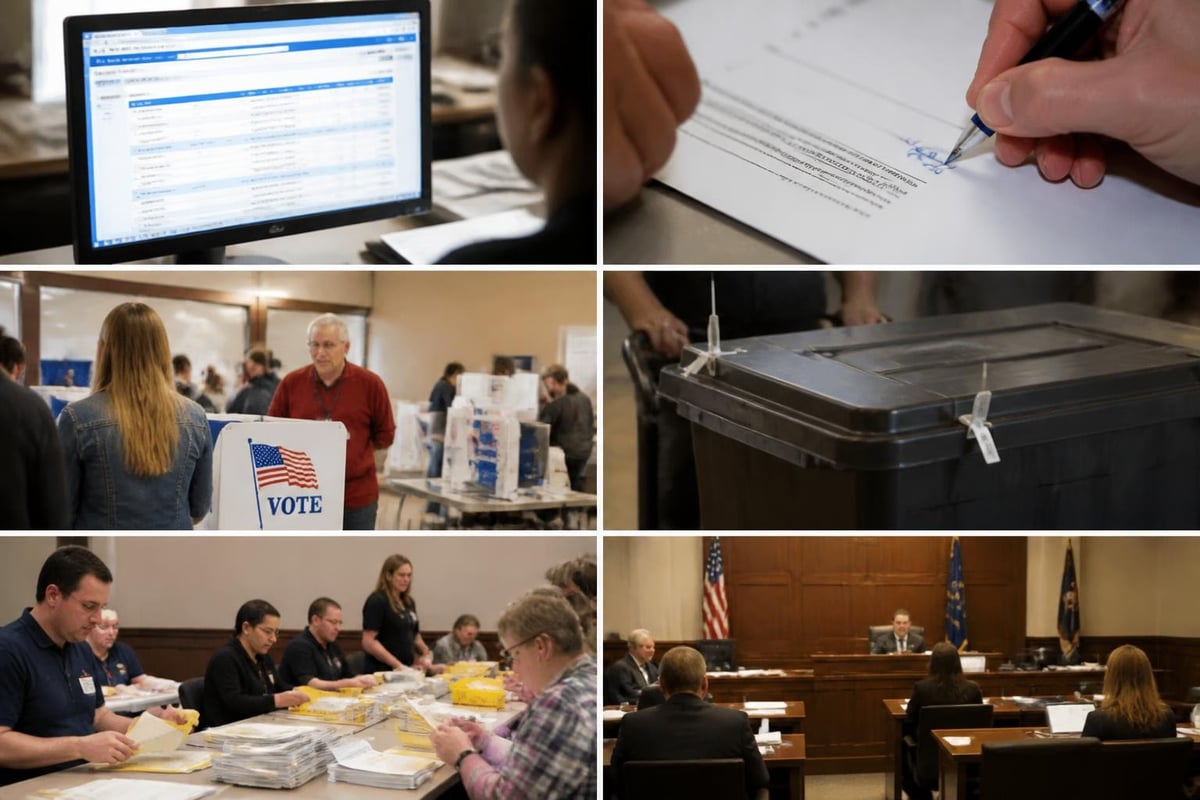
The U.S. electoral system employs multiple overlapping security measures designed to prevent, detect, and correct errors or fraud. Paper ballot backups provide physical records that can be recounted regardless of electronic system status. Bipartisan poll observers monitor voting locations and counting centers. Chain-of-custody protocols track ballots from printing through final tabulation. Signature verification systems compare mail-in ballot signatures against registration records.
Post-election audits represent a critical verification mechanism. MIT’s Election Lab research on audits explains how risk-limiting audits provide statistical confidence that reported outcomes match actual voter intent by examining hand-counted paper ballots against electronic tallies. These audits have consistently confirmed reported results across jurisdictions.
| Security Layer | Purpose | Detection Rate |
|---|---|---|
| Voter ID verification | Prevent impersonation | 99.9%+ accuracy |
| Signature matching | Validate mail ballots | Catches 0.1-0.5% irregularities |
| Post-election audits | Verify count accuracy | 99.9%+ confirmation |
| Chain of custody | Track ballot handling | Prevents tampering |
The National Academies’ consensus study on securing elections outlines technical recommendations including human-readable paper ballots, robust audit procedures, and transparent processes that build public confidence while maintaining security.
Investigations and Legal Findings
When election fraud claims explained become subject to formal investigation, they undergo rigorous scrutiny by multiple authorities. State election officials conduct initial reviews of allegations. Federal agencies including the Department of Justice and FBI investigate potential violations of federal election law. Courts adjudicate disputes and evaluate evidence presented by plaintiffs. Independent auditors verify counting processes and ballot integrity.
The Justice Department’s Special Counsel reports document extensive investigations into post-election allegations, detailing the evidentiary standards required and findings regarding specific claims. These investigations consistently found insufficient evidence to support allegations of fraud sufficient to change election outcomes.
Case Studies from Recent Presidential Elections
Examining specific allegations provides insight into how claims are evaluated:
- 2020 mail-in ballot claims: Extensive audits in contested states found error rates consistent with historical norms and no evidence of systematic fraud
- Voting machine allegations: Forensic examinations and hand recounts confirmed electronic tallies matched paper records
- Dead voter claims: Investigations revealed clerical errors, not fraudulent votes cast in deceased persons' names
- Ballot harvesting concerns: Reviews found legal collection activities, not coordinated fraud schemes
Court proceedings have been particularly revealing. Of over 60 lawsuits filed challenging 2020 presidential election results, nearly all were dismissed due to lack of evidence, procedural issues, or failure to demonstrate sufficient harm to warrant relief. Judges appointed by presidents from both parties consistently ruled that plaintiffs failed to substantiate fraud claims.
The Role of Misinformation and Disinformation
Understanding election fraud claims explained requires acknowledging how false information spreads and influences public perception. Misinformation involves inaccurate claims shared without intent to deceive, while disinformation represents deliberate fabrication designed to mislead. Both threaten electoral confidence regardless of intent.
Social media platforms accelerate the spread of unverified claims. Algorithms prioritize engagement over accuracy, allowing sensational fraud allegations to reach millions before fact-checkers can respond. Visual misinformation, including manipulated videos and deceptive charts, proves particularly effective at convincing viewers of false narratives.
Government advisory committees addressing election security have identified hybrid threats combining cyber intrusion attempts with coordinated disinformation campaigns as major challenges. These sophisticated operations seek to undermine confidence in democratic institutions even when they cannot alter actual vote counts.
Media Coverage and Public Trust
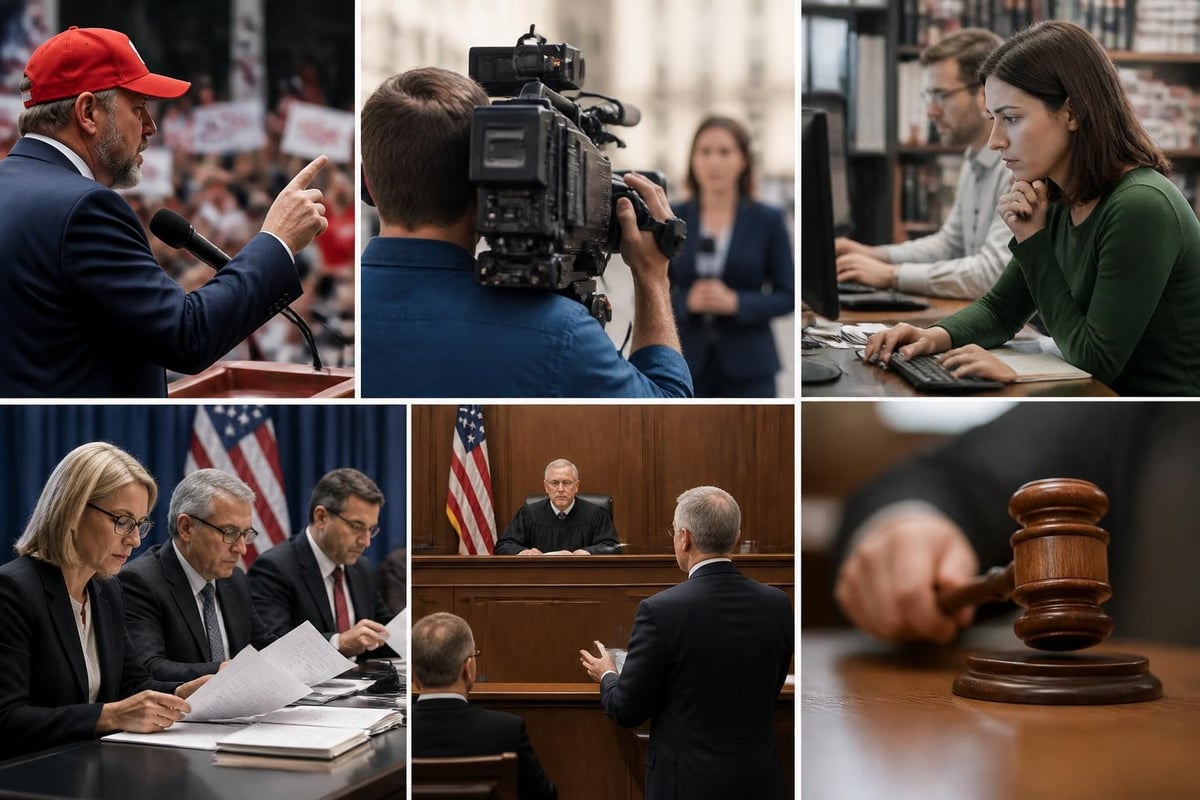
The relationship between election fraud claims explained and media coverage creates feedback loops affecting democratic participation. Partisan news outlets frame allegations differently, with some emphasizing security concerns while others highlight debunking efforts. Fact-checking organizations work to verify specific claims but struggle to reach audiences already convinced of fraud. Social media influencers often lack journalistic standards but command large audiences.
Analysis by PolitiFact of 2024 election claims demonstrates how common narratives about mail ballots and voting machines were systematically evaluated and found lacking in evidence. This fact-checking work provides valuable documentation but may not reach those most susceptible to misinformation.
Readers seeking reliable analysis of presidential politics should prioritize sources that cite original documents, include multiple perspectives, and clearly distinguish between allegations and verified facts.
Impact on Electoral Participation
Persistent fraud claims create measurable consequences:
- Reduced voter confidence in election integrity affects willingness to accept results
- Decreased turnout among voters who believe the system is rigged
- Increased security costs as jurisdictions respond to unfounded concerns
- Legislative changes that may restrict voting access under the guise of security
- Erosion of democratic norms as losing candidates refuse to concede
Studies indicate that exposure to fraud claims reduces trust in elections even when the claims are subsequently debunked, suggesting a "persistence effect" where initial misinformation leaves lasting impressions.
Technical and Procedural Improvements
Election administrators continuously work to strengthen security while maintaining accessibility. Risk-limiting audits provide statistical confidence in outcomes at lower cost than full hand recounts. Ballot tracking systems allow voters to verify their mail-in ballots were received and counted. Enhanced cybersecurity protects voter registration databases and reporting systems from intrusion. Transparent procedures allow observers to monitor processes without compromising security.
Technology adoption requires balancing innovation with verification capabilities. Fully electronic voting without paper trails remains controversial because it lacks independent verification mechanisms. Most jurisdictions have adopted hybrid systems combining electronic convenience with paper backup records.
| Security Enhancement | Implementation | Benefit |
|---|---|---|
| Paper ballot backups | 95% of voters | Enables audits and recounts |
| Risk-limiting audits | 25+ states | Statistical verification |
| Ballot tracking | 40+ states | Voter confidence |
| Enhanced cybersecurity | All states | Protects data integrity |
The infrastructure supporting presidential elections has evolved significantly, as detailed in coverage of domestic policy initiatives addressing election security funding and standards.
State-Level Variations and Federal Oversight
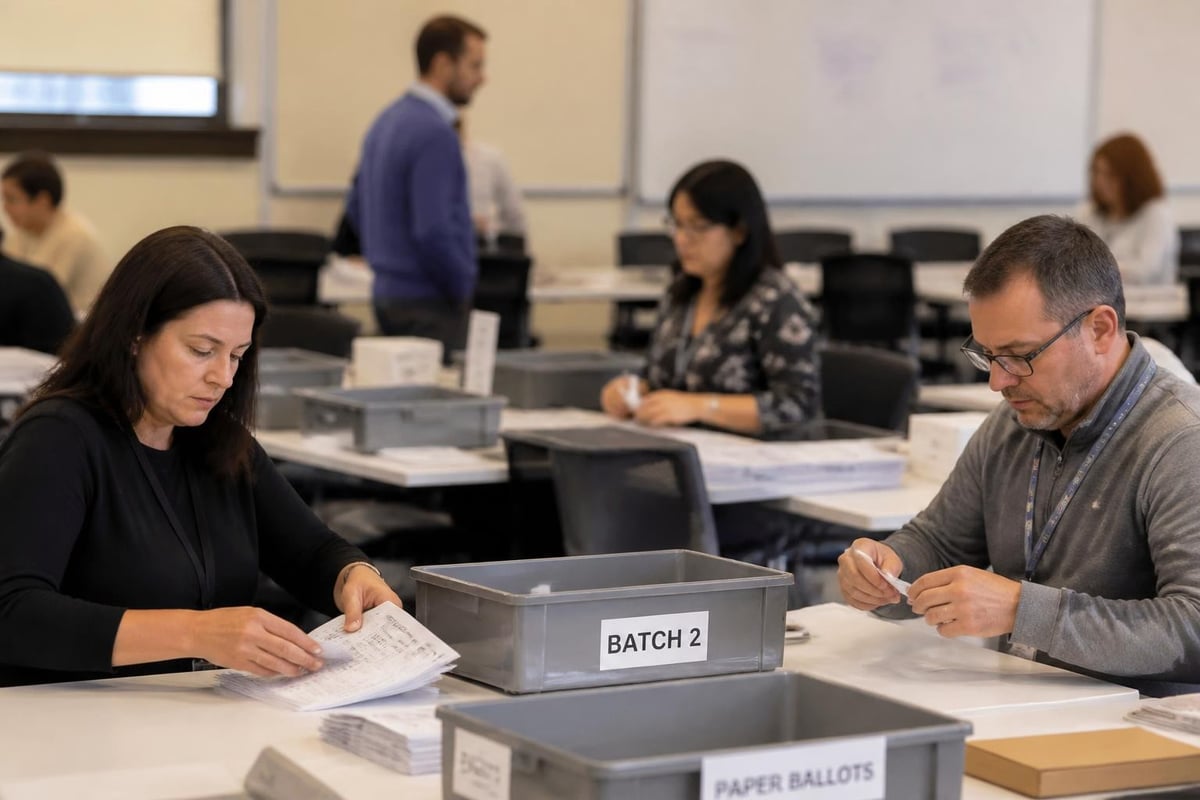
Election administration in the United States operates primarily at state and local levels, creating significant variation in procedures, security measures, and claim investigation processes. State legislatures establish voting rules, deadlines, and audit requirements. County election boards manage day-to-day operations including poll worker training and equipment maintenance. Federal oversight focuses on constitutional protections and interstate coordination.
This decentralized system provides resilience against coordinated manipulation but creates inconsistency in security standards and public confidence. Some states conduct comprehensive post-election audits while others perform minimal verification. Certification deadlines vary, affecting how thoroughly officials can investigate claims before formalizing results.
Constitutional and Legal Framework
The legal architecture governing elections establishes clear processes for challenging results:
- State courts address violations of state election law
- Federal courts handle constitutional questions and federal law violations
- Congressional certification provides final acceptance of Electoral College results
- The Electoral Count Reform Act clarifies procedures and raises objection thresholds
These mechanisms ensure legitimate concerns receive proper adjudication while preventing frivolous challenges from disrupting peaceful transitions. Historical coverage on foreign policy responses includes international election observation and democracy promotion efforts.
Historical Context and Comparative Analysis
Election fraud claims explained benefit from historical perspective. Concerns about electoral integrity are not new; allegations have accompanied American elections since the founding. Machine politics in the 19th and early 20th centuries involved real manipulation including vote buying and ballot box stuffing. Civil rights era vote suppression represented systemic disenfranchisement of African Americans through intimidation and discriminatory procedures.
Modern allegations differ substantially from historical fraud in both nature and scale. Contemporary security measures make large-scale manipulation extraordinarily difficult compared to earlier eras. However, the perception of fraud may be higher now due to media fragmentation and social media amplification.
Comparative international analysis reveals that U.S. elections feature robust security despite decentralized administration. International observers from the Organization for Security and Cooperation in Europe have consistently found U.S. elections meet democratic standards, though recommendations often suggest improving consistency across jurisdictions.
The Psychology of Fraud Belief
Understanding why people believe election fraud claims explained requires examining cognitive and social factors beyond evidence. Confirmation bias leads individuals to accept information supporting existing beliefs while rejecting contradictory evidence. Motivated reasoning causes people to evaluate claims differently based on preferred outcomes. Social identity makes election results feel personally threatening when one's preferred candidate loses.
Research demonstrates that partisan identity strongly predicts fraud belief, with supporters of losing candidates far more likely to believe fraud occurred than winning candidate supporters. This pattern holds regardless of which party wins, suggesting fraud claims serve psychological needs beyond objective security concerns.
- Fraud allegations provide alternative explanations for electoral disappointment
- Believing fraud occurred maintains positive views of one's political coalition
- Fraud narratives create villains (the other side) and victims (one's own side)
- Sharing fraud claims signals group loyalty and political identity
Educational initiatives attempting to counter fraud misinformation must address these psychological factors rather than simply providing factual corrections. For readers tracking how different administrations have approached corruption allegations, the patterns of claim-making and investigation provide instructive comparisons.
Professional Standards in Election Administration
The professionalization of election administration has significantly improved security and transparency. Certified Election/Registration Administrator programs provide standardized training. Professional associations including the National Association of State Election Directors establish best practices. Continuing education requirements ensure officials stay current with emerging threats and technological improvements.
Election officials face unprecedented challenges balancing security, accessibility, and public confidence. Many have experienced harassment and threats based on unfounded fraud allegations, contributing to turnover in a field requiring significant expertise. Protecting election workers while maintaining transparency represents an ongoing challenge for American democracy.
Moving Forward: Building Electoral Confidence
Addressing election fraud claims explained requires multi-faceted approaches that acknowledge legitimate security concerns while countering baseless allegations. Transparent processes allow verification without compromising security. Bipartisan cooperation on security improvements builds broader confidence. Media literacy education helps citizens evaluate claims critically. Swift investigation and adjudication of allegations prevents uncertainty from festering.
The tension between electoral security and accessibility requires careful calibration. Measures that make voting more difficult may reduce both fraud and legitimate participation. Evidence-based policymaking should drive security enhancements rather than unsubstantiated concerns.
Citizens play crucial roles in maintaining electoral integrity:
- Serve as poll workers or election observers
- Report suspected irregularities through proper channels
- Consume news from diverse, credible sources
- Distinguish between allegations and verified findings
- Accept legitimate results even when disappointed
Those following comprehensive presidential coverage will find ongoing analysis of how administrations respond to fraud allegations and implement security improvements.
Election fraud claims explained through evidence-based analysis reveals a system with robust safeguards, rare actual fraud, and processes for investigating legitimate concerns. Understanding the gap between allegations and verified findings helps citizens evaluate claims critically and maintain confidence in democratic processes. For comprehensive, non-partisan coverage of presidential elections, policy developments, and political analysis grounded in factual reporting, visit U.S. Presidential Report for the latest updates on how current and past administrations navigate these critical issues affecting American democracy.