The relationship between monetary policy and electoral outcomes has never been more consequential than in today's economic climate. When the Federal Reserve adjusts borrowing costs, the ripples extend far beyond Wall Street trading floors and into voting booths across America. Understanding interest rates and political consequences requires examining how central bank decisions shape household budgets, voter perceptions, and ultimately, the fortunes of presidents seeking reelection or defending their legislative agendas.
The Federal Reserve's Political Tightrope
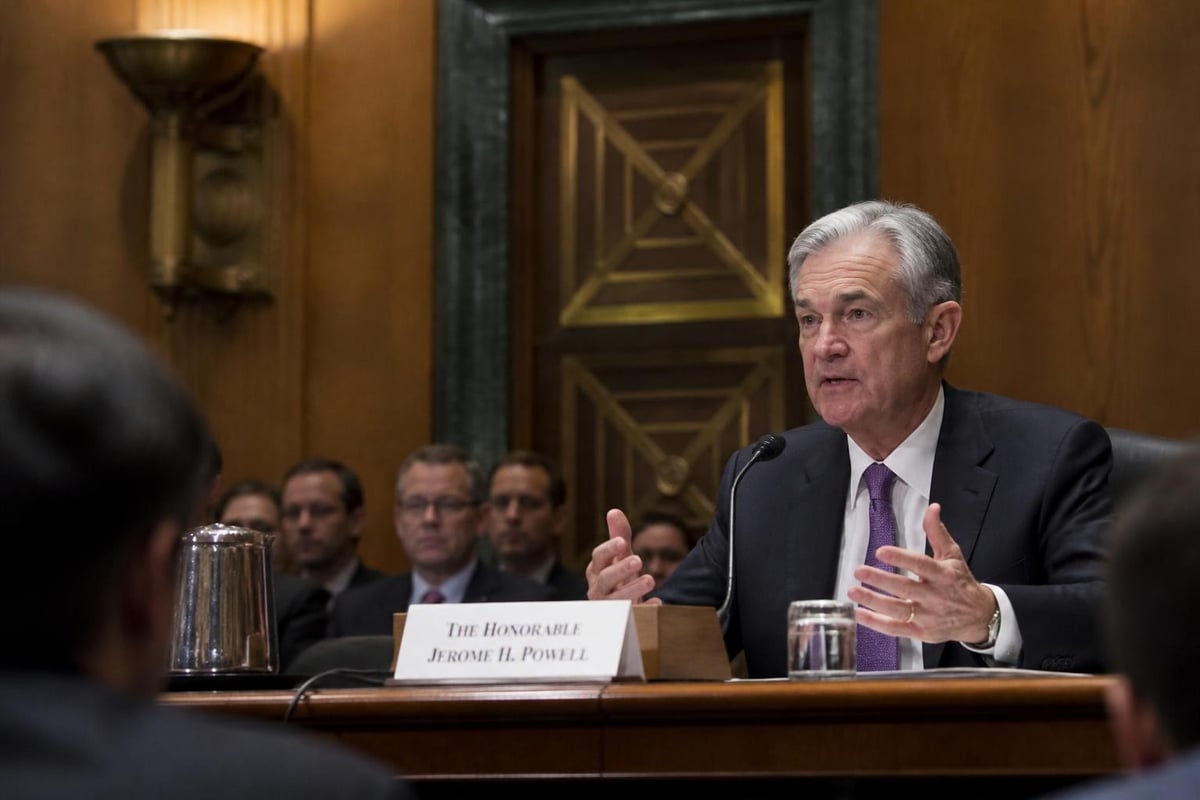
The Federal Reserve operates with statutory independence, yet its decisions carry enormous political weight. When the central bank raises rates to combat inflation, mortgage payments climb, credit card balances become more expensive, and business expansion slows. These tangible effects land squarely on voters' kitchen tables.
Why Central Bank Independence Matters
The Federal Reserve’s monetary policy framework emphasizes transparency and data-driven decision-making, deliberately insulated from short-term political pressures. This institutional design serves a crucial purpose: preventing elected officials from manipulating borrowing costs for electoral gain.
Key principles of Fed independence include:
- Staggered terms for Board governors extending beyond presidential cycles
- Statutory dual mandate focusing on maximum employment and price stability
- Regular congressional testimony maintaining democratic accountability
- Public communication of policy rationale and economic projections
Despite this institutional insulation, presidents routinely face voter backlash when monetary tightening slows economic growth. The political consequences of interest rate policy transcend the Fed's technical independence.
Voter Perception and Economic Reality
Research consistently demonstrates that voters punish incumbent parties during periods of economic distress, regardless of whether White House policies directly caused the conditions. Interest rates and political consequences intersect most powerfully through this perception gap.
The Inflation-Interest Rate Nexus
When inflation accelerates, the Federal Reserve typically responds by raising rates to cool demand. This creates a political paradox: the medicine necessary to cure inflation often feels worse than the disease to voters experiencing it.
| Economic Condition | Federal Reserve Response | Voter Experience | Political Impact |
|---|---|---|---|
| Rising inflation | Rate increases | Higher borrowing costs | Incumbent pressure |
| Economic slowdown | Rate cuts | Easier credit access | Incumbent advantage |
| Stable prices | Neutral stance | Predictable planning | Minimal political effect |
| Recession fears | Emergency cuts | Mixed signals | Heightened scrutiny |
According to Brookings analysis of voter sentiment, Americans prioritize inflation concerns even when unemployment remains low. This polling reality shapes how presidents communicate economic policy and defend their records during campaign seasons.
Presidential Messaging Challenges
Presidents face a delicate balancing act when discussing monetary policy. They must respect Fed independence while addressing voter concerns about borrowing costs and economic conditions. This tension becomes particularly acute during election years.
Campaign Rhetoric Versus Institutional Norms
Historical patterns reveal that candidates frequently criticize rate policy during campaigns, only to moderate their stance upon taking office. This evolution reflects the constitutional separation between fiscal policy (controlled by the executive and Congress) and monetary policy (delegated to the Federal Reserve).
Common presidential messaging strategies include:
- Emphasizing fiscal policy achievements within executive control
- Highlighting employment gains while acknowledging rate concerns
- Avoiding direct criticism of specific Fed decisions
- Focusing voter attention on legislative priorities
- Framing economic conditions within global context
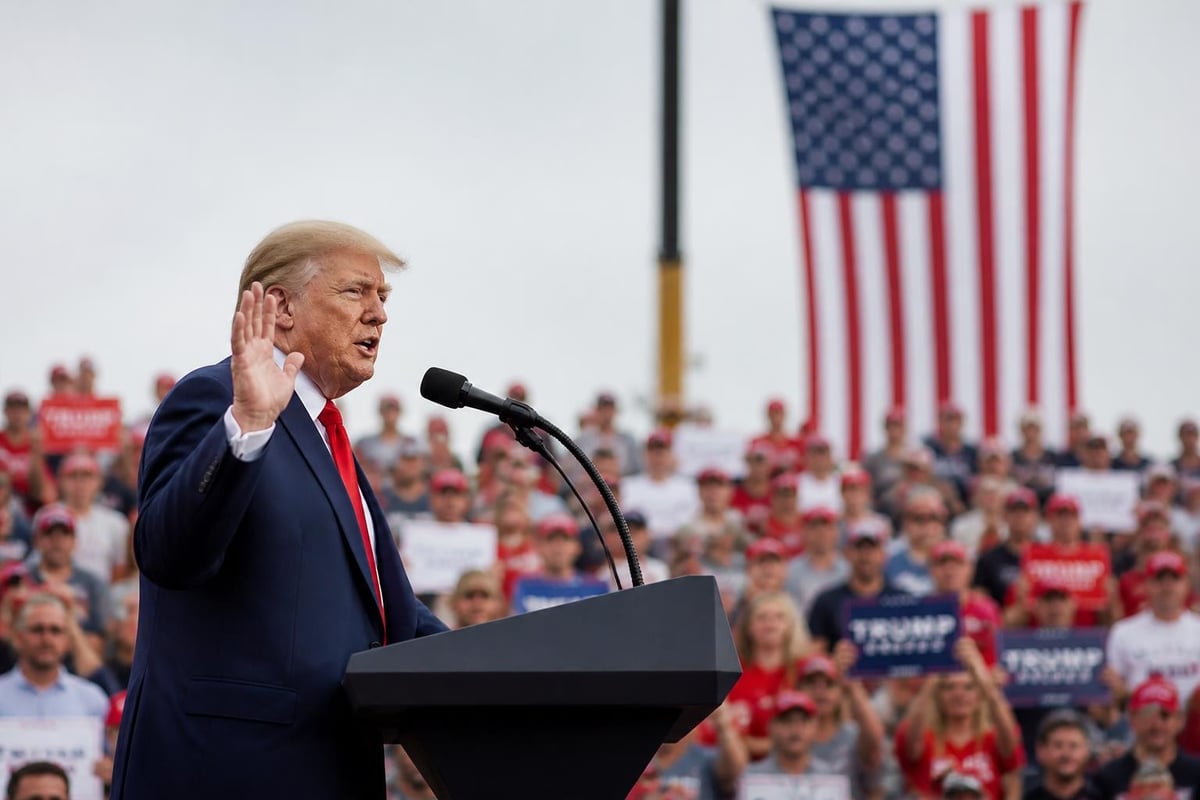
The political consequences of interest rates become especially pronounced when presidents deviate from these norms. Direct attacks on Fed independence risk market instability and institutional credibility, yet generate short-term political attention.
Electoral Cycles and Monetary Timing
Academic research demonstrates correlation between monetary conditions and electoral outcomes. NBER working papers on inflation and elections provide empirical evidence that rate environments influence voter behavior, particularly among economically vulnerable demographics.
The 18-Month Window
Political operatives recognize that economic conditions in the 18 months preceding an election carry disproportionate weight. Voters exhibit recency bias, placing greater emphasis on recent economic experiences than longer-term trends.
This creates strategic pressure on presidents to pursue growth-oriented fiscal policies during this critical window, even as the Federal Reserve may be tightening monetary conditions. The resulting policy dissonance amplifies interest rates and political consequences throughout the electoral cycle.
Congressional Dynamics and Rate Policy
Interest rate environments shape legislative dynamics beyond presidential politics. Congressional majorities face voter accountability for economic conditions, creating pressure to demonstrate responsiveness even in areas outside direct legislative control.
Oversight Hearings as Political Theater
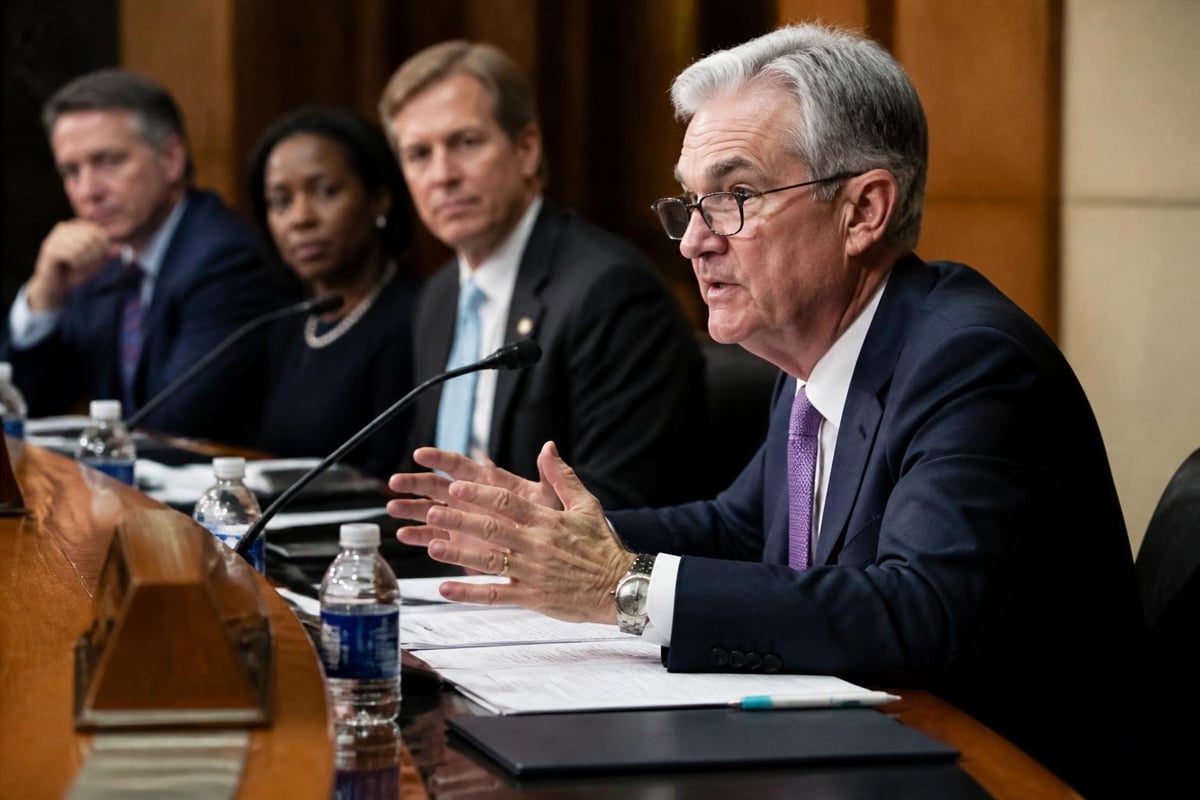
Federal Reserve chairs regularly testify before Congress, facing questions designed as much for constituent consumption as substantive policy dialogue. These hearings reveal how interest rates and political consequences extend into legislative branch dynamics.
Committee questioning typically focuses on:
- Regional economic impacts of rate decisions
- Housing affordability and mortgage costs
- Small business credit access
- Employment effects in specific sectors
- Inflation's burden on working families
Representatives from economically distressed districts face particular pressure to vocally challenge rate policy, even when understanding the macroeconomic rationale. This dynamic illustrates how monetary policy becomes entangled with representational politics.
State and Local Political Ripples
The political consequences of interest rates extend beyond federal elections into state and local governance. Municipal borrowing costs rise with federal rate increases, constraining infrastructure investment and service delivery.
Governor Races and Economic Conditions
Gubernatorial candidates inherit the political consequences of national monetary policy despite lacking control over its direction. State executives must navigate voter frustration over economic conditions while managing budgets constrained by higher borrowing costs.
Research from Brookings Papers on Economic Activity explores how inflation and monetary policy trade-offs cascade through subnational political systems, creating accountability pressures at every governmental level.
Historical Precedents and Pattern Recognition
Examining past presidential administrations reveals consistent patterns linking interest rates and political consequences. The 1980 election, 1992 campaign, and 2008 financial crisis each demonstrate how monetary conditions shape electoral outcomes.
The Carter-Reagan Transition
President Carter faced crushing political headwinds from the Fed's necessary but painful inflation-fighting campaign. Voters punished the incumbent despite understanding intellectually that prior policy mistakes created the crisis requiring monetary tightening.
The 1992 "It's the Economy" Campaign
George H.W. Bush's 1992 defeat occurred partly because the Fed maintained relatively tight policy even as recession lingered. Voter perception of economic weakness overwhelmed Bush's foreign policy successes.
Financial Crisis Electoral Impacts
The 2008 crisis and subsequent emergency rate cuts created complex political dynamics, benefiting the challenging party while requiring unprecedented monetary intervention. These historical episodes underscore enduring patterns of interest rates and political consequences.
International Comparisons and Trade-Offs
The United States' position in global financial markets means domestic rate decisions carry international political implications. The Council on Foreign Relations examines how economic policy intersects with security concerns and geopolitical positioning.
| Country | Central Bank Independence | Electoral Volatility | Rate Sensitivity |
|---|---|---|---|
| United States | High | Moderate | High |
| United Kingdom | High | High | High |
| European Union | Very High | Variable | Moderate |
| Japan | Moderate | Low | Low |
Understanding comparative systems illuminates why American political consequences remain particularly acute. The Fed's dual mandate differs from inflation-only targets elsewhere, creating distinct political pressures.
Future Outlook and Structural Questions
As 2026 unfolds, interest rates and political consequences will continue shaping presidential politics and congressional dynamics. Several structural factors amplify this relationship compared to previous decades.
Demographic and Economic Shifts
Younger voters carry unprecedented debt burdens through student loans and delayed homeownership. Rate policy therefore hits generational cohorts differently, creating new political coalitions around monetary policy preferences. Recent presidential policy decisions reflect awareness of these shifting demographic pressures.
Emerging political factors include:
- Student debt sensitivity among millennial and Gen Z voters
- Housing affordability crises in major metropolitan areas
- Small business formation rates declining with credit constraints
- Retirement security concerns as savings rates fluctuate
- Regional economic divergence creating geographic political divisions
Communication Technology and Fed Transparency
Social media amplifies and distorts monetary policy communication, creating new channels through which interest rates and political consequences flow. Federal Reserve officials now navigate instant global commentary on every policy signal.
Media Coverage and Public Understanding
The complexity of monetary policy creates opportunities for political messaging that oversimplifies or misrepresents causal relationships. Presidents and challengers alike exploit public confusion about Fed independence and policy transmission mechanisms.
Soundbite Economics Versus Technical Reality
Television coverage reduces nuanced policy discussions into simple narratives about winners and losers. This compression shapes how voters assign political blame for rate-driven economic conditions. Coverage of presidential poll numbers frequently attributes movements to economic factors without distinguishing monetary from fiscal policy effects.
The gap between expert understanding and public perception creates political space for candidates to position themselves favorably regardless of actual policy influence. Campaign messaging exploits this knowledge asymmetry.
The 2026 Midterm Landscape
Current monetary conditions will significantly influence the 2026 congressional elections. Incumbent party candidates must defend economic records shaped substantially by Federal Reserve decisions outside their direct control.
Vulnerable Districts and Economic Messaging
Competitive House districts often swing on economic sentiment. Representatives in these districts face particular pressure to distance themselves from unpopular economic conditions while claiming credit for positive developments.
Strategic campaign consultants already incorporate rate forecasts into messaging frameworks, recognizing that borrowing cost trajectories will shape voter mood throughout the campaign cycle. This forward-looking political calculus illustrates how interest rates and political consequences operate through anticipation as much as current conditions.
Presidential Legacy and Economic Records
How historians ultimately assess presidential economic management depends substantially on monetary conditions during their tenure. Presidents lack direct rate-setting authority, yet bear political responsibility for economic outcomes.
The Attribution Problem
Voters and historians alike struggle to properly attribute economic outcomes between presidential fiscal policy and Federal Reserve monetary decisions. This attribution ambiguity shapes how presidential political battles unfold and how legacies form over time.
Successful presidents navigate this challenge by clearly communicating which economic levers they control while building constructive relationships with Fed leadership. Failed presidencies often feature public feuds with central bankers or failed attempts to pressure policy changes.
Strategic Political Calculations
Political operatives incorporate rate forecasts into campaign strategy, resource allocation, and messaging development. The predictive relationship between monetary conditions and electoral outcomes makes interest rate projections valuable intelligence.
Campaign strategy considerations include:
- Timing major economic proposals around rate cycle phases
- Geographic resource allocation based on regional rate sensitivity
- Demographic targeting reflecting debt burden distributions
- Media buying coordinated with economic data releases
- Debate preparation incorporating monetary policy defense
These tactical dimensions reveal how deeply interest rates and political consequences penetrate modern campaign operations beyond simple messaging adjustments.
Institutional Credibility and Political Capital
Presidential relationships with Federal Reserve leadership require balancing public posture with private cooperation. Direct attacks on Fed independence may generate short-term political gains but risk long-term institutional damage and market instability.
The Cost of Politicization
When presidents openly pressure the Federal Reserve for rate cuts or criticize specific decisions, they spend political capital while potentially undermining market confidence. This trade-off becomes particularly acute during reelection campaigns when short-term political incentives clash with long-term institutional health.
Experienced White House economic advisors recognize these dynamics, counseling restraint even when political consultants advocate aggressive positioning. The tension between political strategy and economic governance defines how administrations handle interest rates and political consequences.
Understanding how monetary policy shapes electoral outcomes and presidential fortunes remains essential for anyone following American governance. The intersection of Federal Reserve independence, voter economic perceptions, and political accountability creates enduring tensions that define presidential success and failure. For comprehensive, non-partisan coverage of how these dynamics unfold across presidential administrations, U.S. Presidential Report provides the essential context and analysis readers need to understand the political landscape.