The relationship between the United States and China during Donald Trump's presidency represented one of the most significant shifts in American foreign policy in recent decades. Understanding how trump and china relations explained requires examining trade policies, diplomatic strategies, and the broader geopolitical context that defined this transformative period. The complexities of this bilateral relationship continue to shape American politics and global economics, making it essential for those following presidential news to grasp the fundamental dynamics at play.
The Foundation of Trump's China Policy
Donald Trump campaigned on a platform that identified China as an economic threat to American workers and industries. His administration viewed the U.S.-China relationship through a fundamentally different lens than previous administrations, prioritizing economic competition over cooperative engagement. This shift marked a departure from decades of bipartisan consensus on Chinese integration into the global economy.
The Trump administration's approach centered on several core principles:
- Economic nationalism as a guiding foreign policy doctrine
- Bilateral trade deficit reduction as a measurable objective
- Intellectual property protection for American innovations
- Manufacturing job repatriation to the United States
- Strategic competition across technology and military domains
When trump and china relations explained in the context of domestic policy priorities, the administration consistently emphasized American workers and industries over global cooperation frameworks.
Early Diplomatic Engagement
President Trump initially sought to build a personal relationship with Chinese President Xi Jinping. Their first meeting at Mar-a-Lago in April 2017 established a pattern of direct communication between the two leaders. Trump frequently praised Xi publicly while simultaneously preparing aggressive trade measures.
This dual-track approach confused observers who struggled to reconcile the friendly rhetoric with increasingly confrontational policies. However, analysts at the Brookings Institution noted that this represented a deliberate strategy to maintain dialogue while pursuing policy objectives.
Trade War and Tariff Implementation
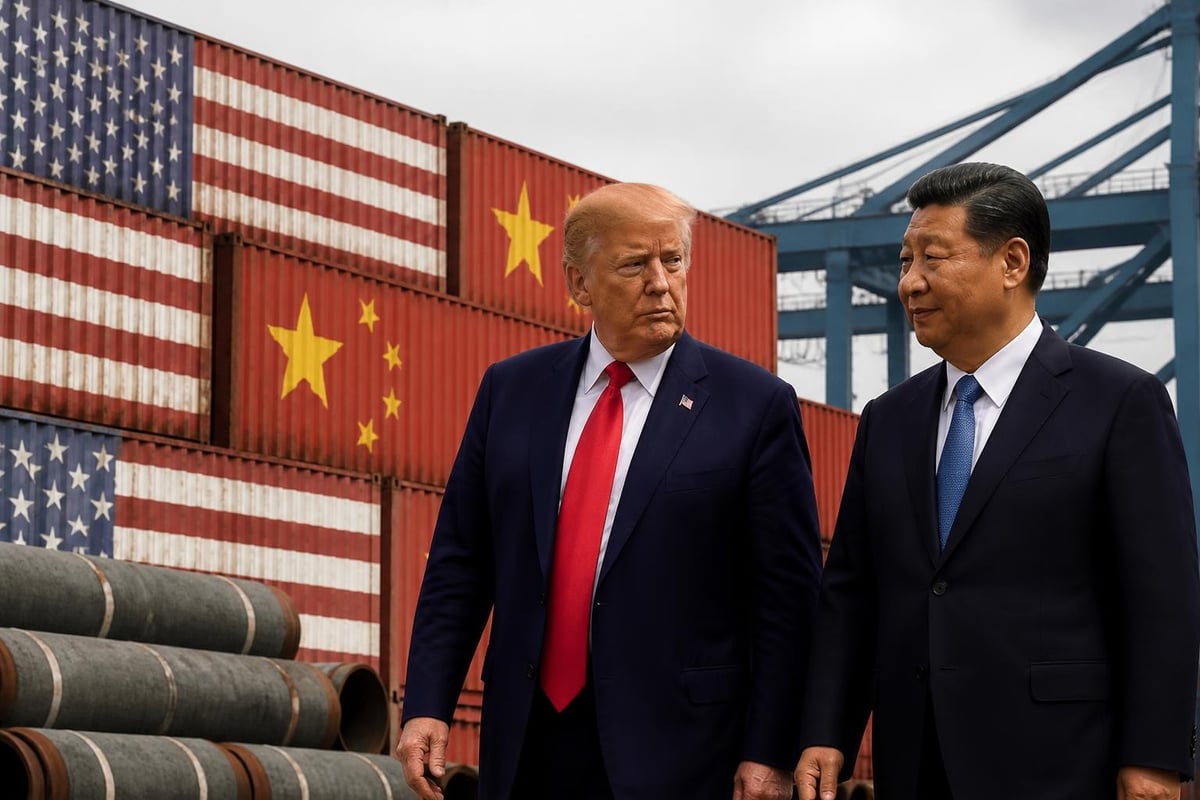
The centerpiece of trump and china relations explained involves the comprehensive trade war that began in 2018. The Trump administration imposed tariffs on hundreds of billions of dollars worth of Chinese imports, fundamentally altering the economic relationship between the world's two largest economies.
Tariff Timeline and Escalation
The trade conflict unfolded in distinct phases, each escalating tensions further:
| Phase | Date | Action | Value |
|---|---|---|---|
| Phase 1 | March 2018 | Steel and aluminum tariffs | $50 billion |
| Phase 2 | July 2018 | Additional tariffs on Chinese goods | $34 billion |
| Phase 3 | September 2018 | Expanded tariff coverage | $200 billion |
| Phase 4 | May 2019 | Tariff rate increases | 25% on existing tariffs |
China responded with retaliatory tariffs targeting American agricultural products, particularly soybeans and pork. This created significant political pressure on Trump from farming states that had strongly supported his election. The administration responded with agricultural subsidies exceeding $28 billion to offset losses from Chinese retaliation.
Economic Consequences
Research examining the impact of Trump’s tariffs on American businesses revealed mixed results. While some manufacturing sectors saw temporary protection from foreign competition, consumers faced higher prices on imported goods. The tariffs functioned as a tax on American importers and consumers rather than directly impacting Chinese producers as Trump frequently claimed.
The Council on Foreign Relations provides comprehensive analysis of the contentious U.S.-China trade relationship, documenting how tariffs disrupted global supply chains and created uncertainty for businesses planning long-term investments.
When trump and china relations explained through economic data, the picture becomes complex. American imports from China did decline, but overall trade deficits remained stubbornly high as imports shifted to other countries rather than returning to domestic production.
Technology and National Security Concerns
Beyond trade, the Trump administration identified Chinese technology companies as national security threats. This security-focused approach to economic policy represented a significant expansion of presidential authority in regulating commerce.
Huawei and ZTE Restrictions
The administration targeted Chinese telecommunications giants Huawei and ZTE through multiple mechanisms:
- Export control restrictions limiting American technology sales
- Entity list designations requiring special licenses for transactions
- Pressure on allies to exclude Huawei from 5G networks
- Criminal indictments against company executives
These actions extended beyond traditional trade policy into security policy, reflecting the administration's view that economic competition and security concerns were inseparable when dealing with China.
TikTok and Social Media Platforms
In 2020, Trump threatened to ban TikTok unless it sold its American operations to a U.S. company. This unprecedented intervention in a private business transaction illustrated how far the administration would go to address perceived Chinese threats. The legal battles surrounding these efforts continued well beyond Trump's presidency, demonstrating the lasting impact of his China policies.
The Phase One Trade Agreement
After nearly two years of escalating tensions, the Trump administration negotiated the Phase One trade agreement signed in January 2020. This agreement represented a partial de-escalation of trade hostilities while maintaining most existing tariffs.
Key Provisions
The agreement included specific commitments from China:
- $200 billion in additional purchases of American goods over two years
- Intellectual property protections for American companies
- Technology transfer restrictions on forced transfers
- Agricultural product commitments targeting farm state concerns
- Financial services market access for American firms
However, the agreement left many structural issues unresolved. The Council on Foreign Relations examined how Trump could redefine U.S.-China economic relations through future negotiations, but the COVID-19 pandemic derailed further progress.
Implementation Challenges
China fell significantly short of its purchase commitments, particularly after the pandemic disrupted global trade. By the end of 2021, China had purchased only about 60% of the committed amounts. This failure raised questions about the agreement's effectiveness and whether trump and china relations explained through this framework would achieve lasting change.
COVID-19 and Relationship Deterioration
The coronavirus pandemic dramatically worsened U.S.-China relations during 2020. Trump consistently blamed China for the virus's spread, using terms like "China virus" and "kung flu" that critics characterized as xenophobic. The administration demanded investigations into the virus's origins and threatened additional consequences.
This rhetoric coincided with concrete policy actions:
- Closure of the Chinese consulate in Houston
- Sanctions on Hong Kong officials over democracy crackdowns
- Restrictions on Chinese graduate students in sensitive fields
- Increased military activities near Taiwan
The pandemic period marked the lowest point in bilateral relations since diplomatic normalization in 1979. When trump and china relations explained to political observers, the combination of trade disputes, technology restrictions, and pandemic blame created a comprehensive confrontation across multiple domains.
Taiwan and Security Issues
Trump's approach to Taiwan represented another significant shift in U.S. policy. While maintaining official adherence to the "One China" policy, the administration dramatically increased arms sales to Taiwan and elevated diplomatic contacts. Trump became the first president-elect since 1979 to speak directly with Taiwan's president, signaling a willingness to challenge Chinese red lines.
Military Posture
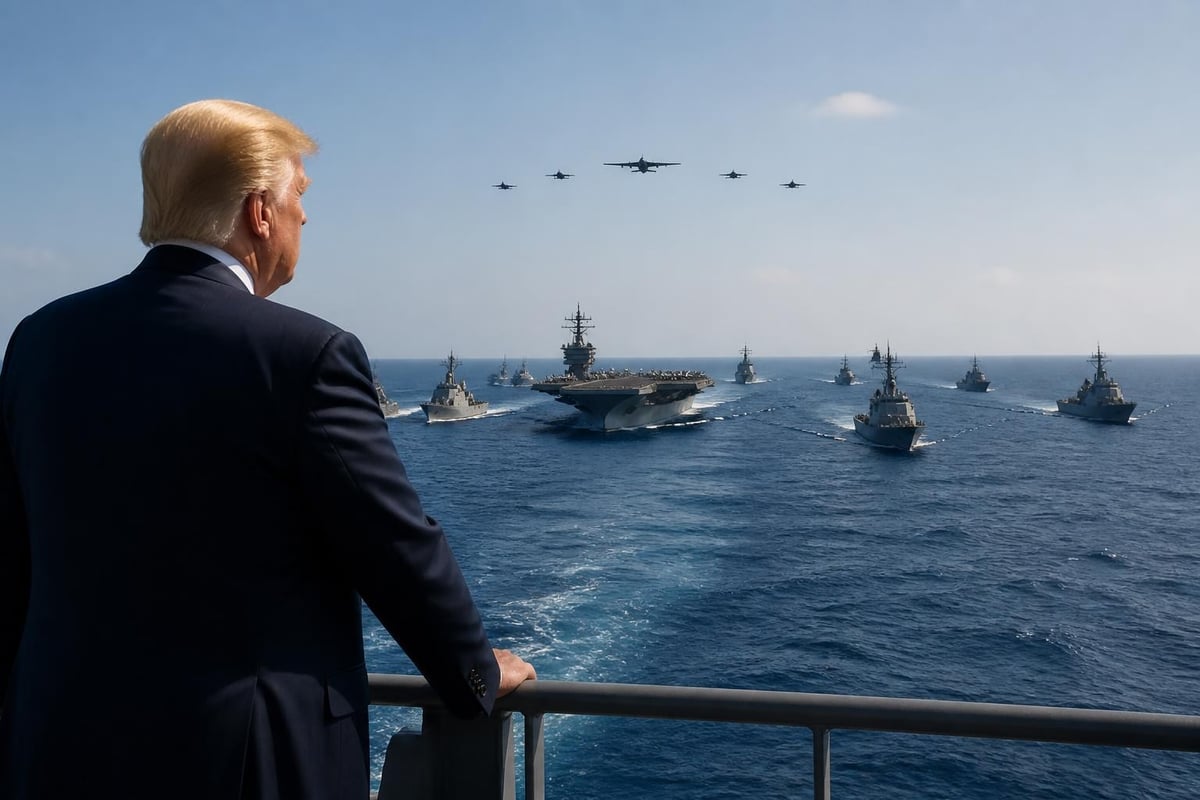
The Trump administration strengthened American military presence in the Indo-Pacific region through several initiatives:
- Freedom of navigation operations in the South China Sea
- Increased naval deployments near Taiwan
- Enhanced military cooperation with regional allies
- New defense agreements with countries surrounding China
These actions reflected a broader "Indo-Pacific Strategy" that positioned China as a strategic competitor requiring military deterrence alongside economic pressure.
Human Rights and Hong Kong
The Trump administration periodically raised human rights concerns regarding China's treatment of Uighur Muslims in Xinjiang and the crackdown on democracy movements in Hong Kong. However, critics noted inconsistency in prioritizing these issues compared to trade concerns. Trump himself reportedly told Xi that building detention camps for Uighurs was "exactly the right thing to do" according to former National Security Advisor John Bolton's memoir.
The administration did implement sanctions targeting Chinese officials involved in Hong Kong's democracy suppression and Xinjiang's detention camps. Congress passed bipartisan legislation requiring annual reviews of Hong Kong's autonomy, which Trump signed despite reportedly preferring to avoid antagonizing China on non-economic issues.
When trump and china relations explained through the human rights lens, the inconsistency reveals tensions between Trump's transactional approach and broader American values traditionally emphasized in foreign policy.
Impact on Global Alliances
Trump's China policy created complications for American alliances. European allies resisted pressure to exclude Huawei from their telecommunications networks, creating transatlantic tensions. Asian allies worried about being caught between their security reliance on America and economic dependence on China.
The administration's simultaneous confrontation with China and traditional allies through tariffs and burden-sharing demands created strategic contradictions. Analysis from the Center for Strategic and International Studies examined how America's policy shifts affected potential cooperation frameworks.
Economic Decoupling and Supply Chains
Trump advocated for "decoupling" the American economy from China, arguing that interdependence created vulnerabilities. The administration promoted reshoring manufacturing and diversifying supply chains away from Chinese production. The pandemic's disruption of medical supply chains seemed to validate these concerns, strengthening political support for reducing Chinese economic dependence.
However, complete decoupling proved impractical given decades of economic integration. American companies remained heavily invested in Chinese markets and production facilities. The complexity of global supply chains made rapid shifts impossible without significant economic disruption.
Legacy and Ongoing Impact
Trump's approach to China created a new bipartisan consensus that China represents a strategic competitor requiring a more confrontational approach. The Biden administration maintained most Trump-era tariffs while adding its own restrictions on technology exports and investment screening. This continuity suggests trump and china relations explained have fundamentally reshaped American foreign policy beyond a single presidency.
The Brookings Institution analyzed whether Trump could seize opportunities to reshape relations, noting that structural changes in how Washington views Beijing will persist regardless of electoral outcomes.
Lasting Policy Changes
Several Trump-era policies remain in effect:
| Policy Area | Trump Action | Current Status |
|---|---|---|
| Tariffs | 25% on $250B goods | Mostly maintained |
| Technology restrictions | Huawei entity list | Expanded further |
| Investment screening | CFIUS expansion | Strengthened |
| Taiwan relations | Arms sales increase | Continued |
These enduring elements demonstrate how trump and china relations explained during 2017-2021 established frameworks that subsequent administrations built upon rather than dismantled.
Congressional Engagement
Trump's China policies enjoyed significant bipartisan support in Congress, contrasting with the partisan divisions characterizing most of his presidency. Legislation targeting Chinese technology companies, Hong Kong autonomy, and Uighur human rights passed with overwhelming majorities. This congressional consensus provided political cover for aggressive executive actions that might otherwise have faced greater resistance.
The legislative branch also pushed Trump to maintain pressure on China when he occasionally signaled willingness to compromise for trade deal progress. This dynamic illustrated how trump and china relations explained required understanding interactions between executive preferences and congressional constraints.
Recent Developments and Future Outlook
As of 2026, the relationship continues evolving through frameworks established during the Trump years. Recent reporting from Time magazine on escalating trade tensions shows how tariff policies and export controls remain central to bilateral relations. The Associated Press covered key takeaways from recent diplomatic meetings, demonstrating ongoing tensions over Taiwan and trade.
Analysts at the Brookings Institution outlined three potential pathways for future relations, ranging from managed competition to open confrontation. The path chosen will depend on leadership decisions, economic conditions, and unforeseen events like the pandemic that reshaped priorities during Trump's first term.
Competing Perspectives
Understanding trump and china relations explained requires acknowledging competing interpretations. Supporters argue Trump finally confronted predatory Chinese economic practices that previous administrations ignored. Critics contend his erratic approach damaged American credibility, weakened alliances, and failed to achieve concrete results justifying economic disruption.
Business communities offered mixed assessments. Some manufacturers appreciated tariff protection, while exporters suffered from Chinese retaliation. Technology companies opposed restrictions limiting their access to Chinese markets and talent. Agricultural producers initially opposed tariffs but supported Trump after receiving substantial subsidies.
Academic researchers continue analyzing the empirical effects of tariff policies on business formation, employment, and economic growth, providing data that will inform future policy debates.
The Council on Foreign Relations examined how recent meetings between Trump and Xi reflect China's growing confidence and how that reshapes diplomatic dynamics. As China's economy and military continue growing, the strategic challenge intensifies regardless of which party controls the White House.
Trade Policy Mechanisms
The Trump administration employed various legal authorities to implement China policies. Section 232 national security tariffs, Section 301 intellectual property investigations, and export control regulations provided the legal framework for economic restrictions. These mechanisms, originally designed for narrow circumstances, were expanded to cover broad swaths of bilateral commerce.
This expansive use of executive authority raised concerns about presidential power and congressional oversight. However, legislators proved unwilling to curtail authorities they might want future presidents to retain. The result was institutional acquiescence to expanded executive control over trade and investment policy.
When trump and china relations explained through constitutional and legal frameworks, questions emerge about checks and balances in foreign economic policy. These issues extend beyond China to fundamental questions about how America makes trade policy in an era of great power competition.
Cultural and Educational Dimensions
Beyond economics and security, the Trump administration's China policies affected cultural and educational exchanges. Visa restrictions on Chinese students in sensitive fields reduced enrollment at American universities. Suspicions about Chinese influence operations led to closures of Confucius Institutes on college campuses. Increased scrutiny of Chinese researchers created chilling effects on scientific collaboration.
These policies reflected genuine security concerns about technology transfer and espionage. However, they also risked undermining America's traditional openness to international talent and ideas. Balancing security requirements against the benefits of exchange programs remains an unresolved challenge.
Media Coverage and Public Opinion
Media coverage of trump and china relations explained significantly influenced public perceptions. Conservative outlets generally supported Trump's tough stance, while liberal media criticized his approach as inconsistent and damaging to alliances. Public opinion polls showed increasing negative views of China across partisan lines, suggesting Trump's rhetoric resonated broadly even when specific policies faced criticism.
The role of presidential communication strategies in shaping foreign policy debates illustrates how media coverage and public opinion interact with policy implementation. Trump's direct communication style through social media allowed him to frame issues without traditional media filters, though it also created confusion about official policy positions.
Understanding the complexities of trump and china relations explained provides essential context for current debates about American foreign policy and great power competition. The Trump presidency fundamentally reshaped how Washington approaches Beijing, creating a bipartisan consensus on strategic competition that continues shaping policy decisions. For comprehensive, non-partisan coverage of how presidential decisions impact domestic and foreign policy, U.S. Presidential Report offers in-depth analysis of current and historical presidential actions. Stay informed about the latest developments in presidential news and their implications for America's role in the world.