The debate surrounding federal corruption hearings vs government transparency reforms has intensified as Americans demand greater accountability from their elected officials and government institutions. While congressional hearings grab headlines and satisfy public outrage in the moment, comprehensive transparency reforms promise lasting structural change to prevent corruption before it occurs. Understanding the strengths and limitations of both approaches reveals critical insights into how the United States can build a government worthy of public trust while addressing the very real instances of misconduct that erode confidence in democratic institutions.
The Role of Congressional Hearings in Exposing Corruption
Congressional hearings serve as one of the most visible mechanisms for investigating alleged wrongdoing within the executive branch and federal agencies. These proceedings bring witnesses under oath, compel testimony, and create public records that journalists and citizens can scrutinize. High-profile hearings generate media coverage that raises awareness about potential corruption, creating political pressure for reforms.
The spectacle of congressional hearings, however, often prioritizes political theater over substantive outcomes. Lawmakers use their allotted question time to deliver sound bites rather than conduct thorough investigations. Research from the American Political Science Review examining congressional oversight efficacy demonstrates that hearings alone rarely produce enforcement actions or meaningful policy changes without complementary institutional reforms.
Limitations of the Hearing-Based Approach
Several structural weaknesses undermine the effectiveness of relying primarily on hearings to combat corruption:
- Partisan polarization transforms fact-finding into political warfare
- Limited enforcement power requires cooperation from executive agencies
- Short attention spans mean investigations lose momentum after initial media coverage
- Resource constraints prevent thorough investigation of complex financial schemes
- Witness stonewalling delays proceedings and frustrates accountability efforts
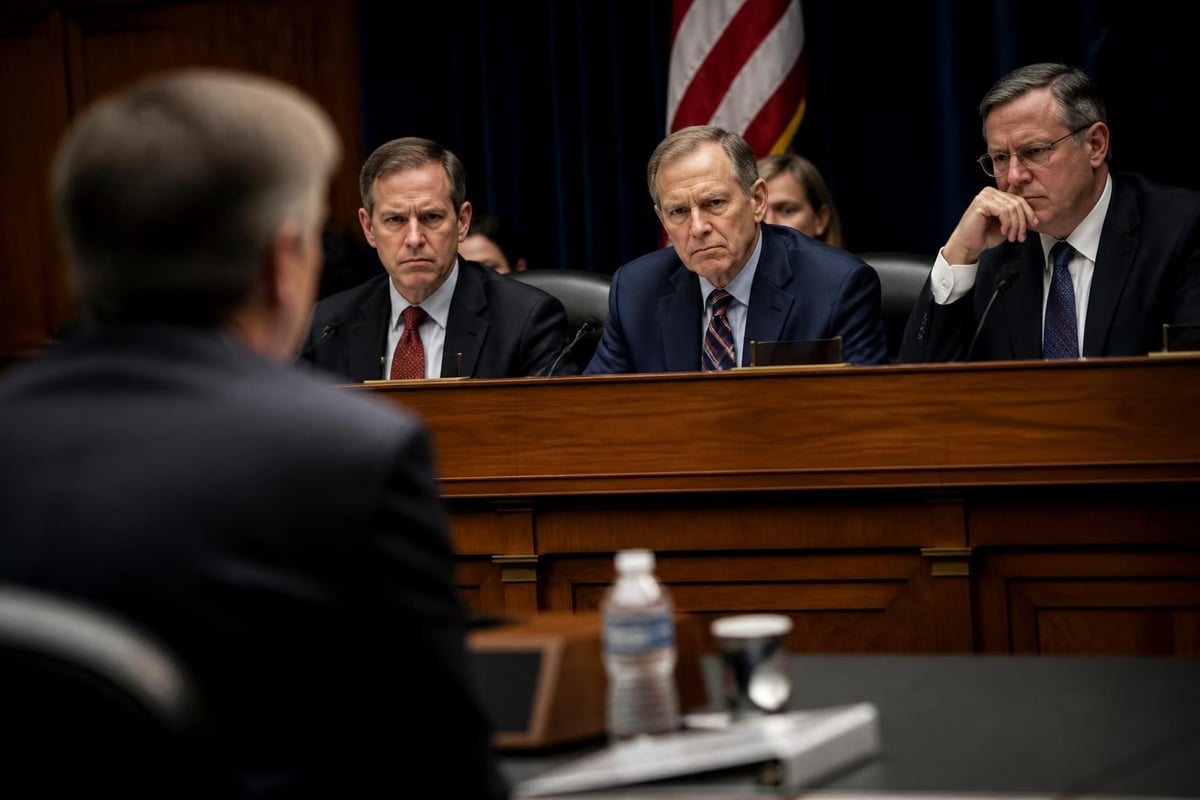
The Brennan Center’s analysis of Department of Justice accountability systems reveals that institutional oversight gaps persist even when hearings identify serious problems. Without robust transparency mechanisms and independent enforcement, hearing findings gather dust while alleged misconduct continues unchecked.
Transparency Reforms as Preventive Medicine
Government transparency reforms take a fundamentally different approach by creating systems that make corruption difficult to hide in the first place. These structural changes include open data initiatives, mandatory disclosure requirements, whistleblower protections, and independent oversight mechanisms that operate continuously rather than episodically.
The preventive nature of transparency reforms offers several advantages over reactive investigations. When government officials know their actions face automatic scrutiny through public databases, procurement tracking systems, and financial disclosure requirements, the calculus of corruption changes dramatically.
Key Transparency Mechanisms
Effective transparency reforms incorporate multiple layers of oversight and accountability:
| Reform Type | Mechanism | Primary Benefit |
|---|---|---|
| Financial Disclosure | Mandatory asset reporting for officials | Identifies conflicts of interest |
| Open Contracting | Public procurement databases | Prevents bid-rigging and favoritism |
| Beneficial Ownership | Corporate transparency registries | Exposes shell company schemes |
| FOIA Enhancement | Strengthened public records access | Enables citizen oversight |
| Inspector General Independence | Protected investigative authority | Ensures internal accountability |
The implementation challenges surrounding these reforms deserve serious attention. The Government Accountability Office’s audit of Corporate Transparency Act implementation illustrates how even well-designed transparency legislation faces enforcement hurdles, resource limitations, and resistance from those who benefit from opacity.
Measuring Effectiveness Through International Comparisons
The tension between federal corruption hearings vs government transparency reforms reflects broader questions about accountability architecture. International comparisons provide valuable context for evaluating which approaches deliver measurable results.
Transparency International's assessments consistently show that countries with robust transparency frameworks score higher on corruption perception indices than those relying primarily on reactive investigations. The 2025 United States country overview demonstrates how transparency gaps continue to undermine American anti-corruption efforts despite frequent high-profile hearings.
Nations that have successfully reduced corruption typically combine multiple strategies:
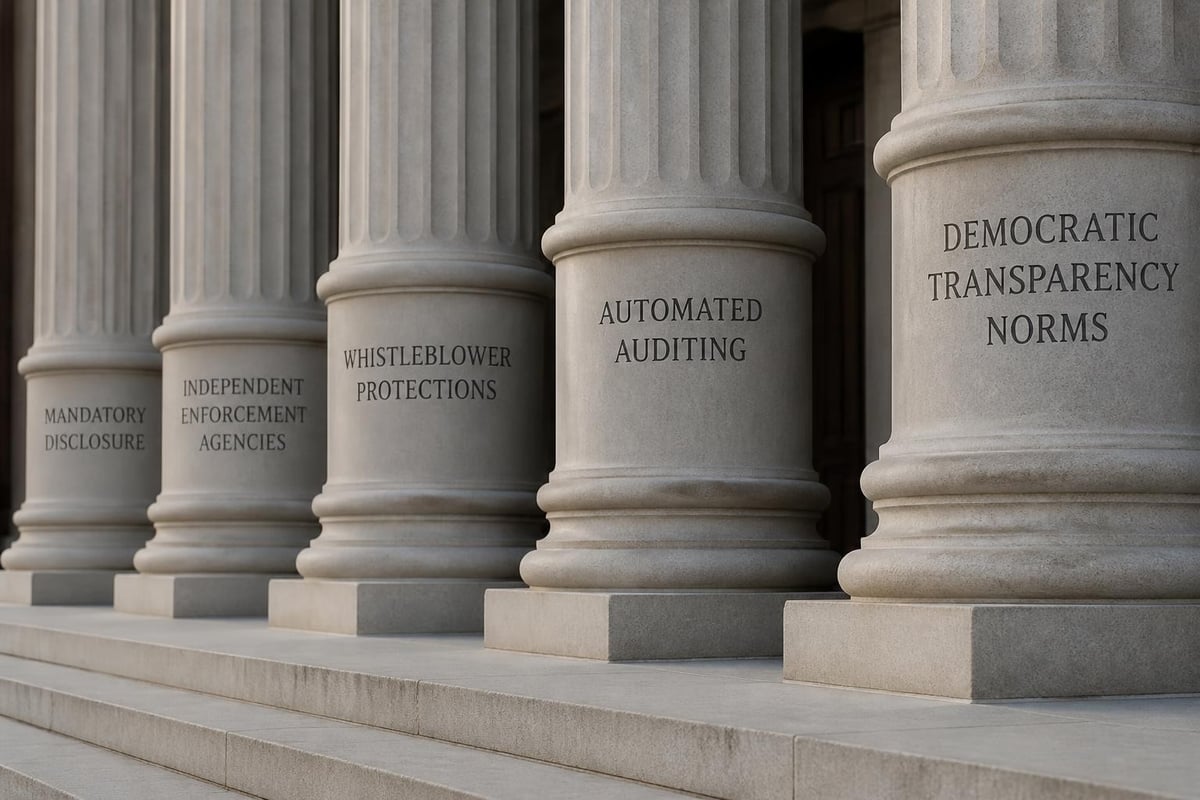
- Proactive disclosure requirements that make government operations visible by default
- Independent anti-corruption agencies with prosecutorial authority separate from political control
- Protected channels for whistleblowers to report misconduct safely
- Automatic auditing systems that flag suspicious transactions without requiring political will to initiate investigations
- Cultural norms that treat transparency as essential to democratic legitimacy
The United States has implemented some of these elements but lacks the comprehensive framework that characterizes top-performing transparency regimes. Coverage of corruption issues reveals recurring patterns where individual scandals receive intense attention while systemic reforms languish.
The Inspector General System as a Hybrid Model
Federal inspectors general represent an important middle ground in the discussion of federal corruption hearings vs government transparency reforms. These independent watchdogs conduct ongoing investigations within their agencies while also contributing to transparency through public reporting.
The Council of Inspectors General 2025 Annual Report documents billions of dollars in questioned costs, thousands of successful prosecutions, and hundreds of recommendations for improved controls. Inspector general investigations combine the investigative depth of congressional hearings with the systematic approach of transparency reforms.
Strengthening IG Independence
Recent proposals to enhance inspector general effectiveness focus on:
- Removal protections that prevent political retaliation
- Expanded jurisdiction over certain cross-agency issues
- Mandatory response timelines for agency heads to address findings
- Increased budgets to match growing federal program complexity
- Public dashboard requirements to improve accessibility of findings
The relationship between presidential administrations and oversight agencies creates inherent tensions. Historical analysis of presidential policy approaches shows varying commitment to transparency depending on partisan affiliation, media pressure, and specific scandal contexts.
Digital Age Challenges and Opportunities
Modern technology has fundamentally altered both the nature of corruption and the tools available to combat it. Cryptocurrency transactions, encrypted communications, and complex international financial networks create new avenues for misconduct that traditional hearing-based oversight struggles to address effectively.
Simultaneously, digital tools enable unprecedented transparency when properly implemented:
- Blockchain-based contracting systems create immutable procurement records
- Machine learning algorithms identify suspicious patterns across massive datasets
- Real-time reporting platforms allow citizens to track government spending as it occurs
- Secure whistleblower portals protect sources while facilitating information flow
- Data visualization tools make complex financial relationships comprehensible to non-experts
The gap between technological possibility and actual implementation remains substantial. Political resistance to transparency often manifests as claims about national security, privacy concerns, or administrative burden-arguments that sometimes have merit but frequently serve as convenient excuses to maintain opacity.
Balancing Reactive and Proactive Approaches
The most effective anti-corruption strategies recognize that federal corruption hearings vs government transparency reforms presents a false choice. Both mechanisms serve important functions within a comprehensive accountability ecosystem.
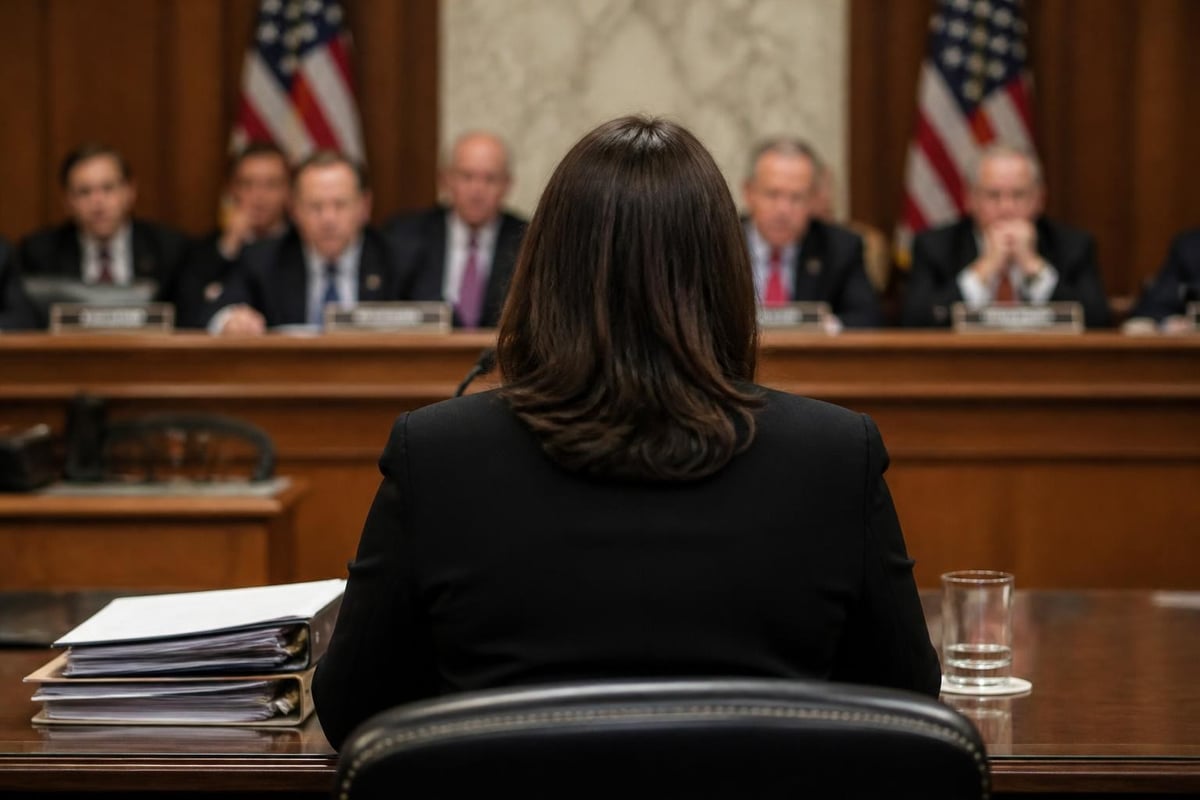
Hearings provide essential moments of public reckoning when corruption occurs despite preventive systems. They create political consequences for misconduct, educate the public about government operations, and generate momentum for structural reforms. The dramatic nature of congressional testimony can cut through public apathy and force action on issues that might otherwise be ignored.
Transparency reforms, meanwhile, reduce the frequency and severity of corruption requiring investigation in the first place. They distribute oversight responsibilities beyond partisan legislative bodies, creating multiple independent check points that make coordinated misconduct more difficult to execute and sustain.
Complementary Strategies in Practice
| Approach | Primary Function | Best Use Case | Typical Outcome |
|---|---|---|---|
| Congressional Hearings | Accountability for specific incidents | High-profile scandals with clear wrongdoing | Political consequences, occasional prosecutions |
| Transparency Reforms | Systematic prevention | Ongoing operations across all agencies | Reduced corruption opportunities, cultural change |
| Inspector General Audits | Internal monitoring | Complex programmatic issues | Recovered funds, improved controls |
| Criminal Prosecution | Legal consequences | Clear statutory violations | Punishment, deterrence |
Understanding these complementary roles helps explain why focusing exclusively on either approach produces suboptimal results. The relationship between democratic governance and accountability mechanisms requires multiple overlapping systems that compensate for each other's weaknesses.
Presidential Leadership and Reform Implementation
Presidential administrations play a decisive role in determining whether transparency reforms receive genuine implementation or become empty symbolic gestures. Executive orders can mandate disclosure requirements, but sustained commitment determines whether agencies comply meaningfully or engage in malicious compliance.
Different presidents have approached transparency with varying levels of seriousness. Some have championed open government initiatives as centerpieces of their administrations, while others have actively resisted disclosure and fought congressional oversight efforts. These divergent approaches reflect broader governing philosophies about executive power and accountability.
The influence of presidential priorities extends beyond policy directives. Appointment decisions for inspector general positions, agency leadership, and judicial nominations shape the accountability infrastructure for years beyond any single administration. Presidents who prioritize political loyalty over independence in these appointments undermine transparency regardless of their stated commitments.
Public Engagement and Civic Technology
Transparency reforms only achieve their full potential when citizens actively use disclosed information to hold government accountable. The existence of public databases matters less than whether journalists, advocacy groups, and ordinary Americans access and analyze the available data.
Civic technology initiatives have emerged to bridge the gap between data availability and public understanding:
- User-friendly platforms that track campaign contributions and lobbying activities
- Watchdog organizations that analyze procurement patterns for favoritism
- Crowdsourced monitoring projects that verify government claims
- Educational resources that teach citizens how to file FOIA requests
- Network analysis tools that map relationships between officials and special interests
The digital divide creates inequalities in who benefits from transparency reforms. Communities with limited internet access, lower digital literacy, or language barriers face obstacles to leveraging disclosed information effectively. Genuine transparency requires not just making data available but ensuring accessibility across demographic groups.
Institutional Resistance and Reform Obstacles
Both federal corruption hearings and government transparency reforms face organized resistance from stakeholders who benefit from the status quo. This opposition takes various forms, from legitimate concerns about operational security to naked self-interest in maintaining corrupt arrangements.
Bureaucratic inertia represents a significant obstacle even when political will exists for reform. Agencies develop established procedures, information systems, and organizational cultures that resist change. Implementing new disclosure requirements requires substantial resources, technical expertise, and sustained management attention that competes with other priorities.
Congressional dysfunction compounds these challenges. The same partisan polarization that limits hearing effectiveness also prevents passage of comprehensive transparency legislation. Reforms that threaten incumbents of both parties struggle to advance regardless of public support.
Common Arguments Against Transparency
- National security concerns about sensitive information disclosure
- Privacy objections regarding personal data in government records
- Administrative burden claims about compliance costs
- Competitive disadvantage arguments from government contractors
- Political weaponization fears about selective use of disclosed information
Some of these concerns have validity and require thoughtful balancing. Others serve primarily as pretexts to preserve beneficial opacity. Distinguishing legitimate limitations from obstructionism remains an ongoing challenge in transparency advocacy.
Future Directions for Accountability Reform
The evolution of federal corruption hearings vs government transparency reforms will likely accelerate as public trust in government institutions continues declining. Younger generations express particularly strong preferences for transparency and accountability, creating demographic pressure for systemic change.
Promising reform proposals currently under consideration include:
- Enhanced beneficial ownership requirements that close corporate structure loopholes
- Real-time lobbying disclosure replacing quarterly reports
- Algorithmic accountability frameworks for automated decision systems
- Strengthened ethics enforcement with independent authorities
- Open data mandates requiring machine-readable formats by default
Technology companies, academic institutions, and civil society organizations continue developing tools that make transparency more effective. The next generation of accountability infrastructure will likely incorporate artificial intelligence to identify patterns, blockchain to ensure record integrity, and user experience design to improve accessibility.
The interplay between foreign policy considerations and domestic accountability creates additional complexity. International anti-corruption efforts require coordination across borders, creating both opportunities for learning from other democracies and challenges in reconciling different transparency standards.
The Path Forward
Achieving meaningful accountability requires sustained commitment to both investigating corruption when it occurs and building systems that prevent it from taking root. The debate around federal corruption hearings vs government transparency reforms has evolved from either-or thinking toward recognition that comprehensive strategies incorporate multiple tools.
Citizens, journalists, and advocacy organizations must continue demanding both aggressive investigation of alleged wrongdoing and implementation of structural reforms that make corruption more difficult. Political pressure remains the essential ingredient transforming good-government rhetoric into actual policy change.
The technical aspects of transparency reform-database architecture, disclosure formats, access protocols-matter tremendously but often receive insufficient attention compared to dramatic hearing moments. Building effective accountability infrastructure requires painstaking work on unglamorous details that rarely generate headlines but create lasting change.
Understanding the relationship between reactive investigations and proactive reforms provides essential context for evaluating government accountability efforts. Both approaches play critical roles in maintaining democratic legitimacy and public trust. For comprehensive, non-partisan coverage of how current and past administrations approach these accountability challenges, U.S. Presidential Report provides in-depth analysis of presidential policies, congressional oversight activities, and ongoing reform efforts affecting American governance.