The debate over foreign aid policies vs domestic spending priorities has shaped presidential administrations for decades, forcing leaders to navigate competing demands for limited federal resources. As the United States maintains its position as the world's largest donor of international assistance while facing substantial domestic challenges, presidents must constantly weigh investments in global development, security partnerships, and humanitarian relief against pressing needs at home. This tension between international obligations and domestic imperatives reveals fundamental questions about America's role in the world and the government's responsibility to its citizens.
The Federal Budget Landscape
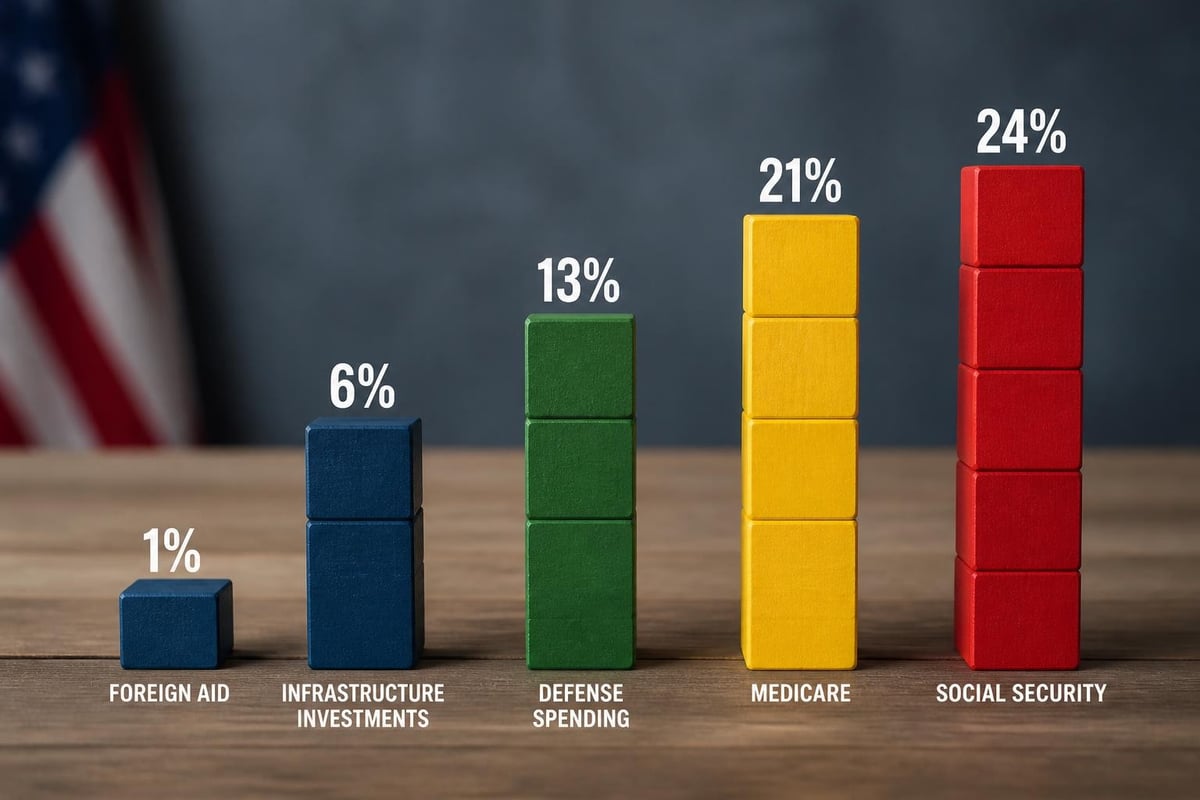
Understanding foreign aid policies vs domestic spending priorities requires examining the actual numbers behind federal allocations. In fiscal year 2026, the U.S. federal budget allocates approximately $60 billion to international affairs, representing roughly 1% of total federal spending. This figure includes foreign aid, diplomacy, and international security assistance.
By contrast, major domestic programs consume far larger portions of the budget. Social Security accounts for nearly $1.4 trillion, Medicare claims approximately $900 billion, and defense spending reaches $850 billion. These figures demonstrate that foreign aid represents a relatively small fraction of federal outlays, yet it generates disproportionate political debate.
Budget Allocation Breakdown
The Congressional Research Service provides detailed analysis of where foreign assistance dollars flow, revealing that U.S. aid serves multiple strategic objectives beyond pure humanitarian concern.
| Program Category | Approximate Annual Allocation | Primary Purpose |
|---|---|---|
| Bilateral Development Aid | $22 billion | Economic growth, health, education |
| Security Assistance | $18 billion | Military aid, counterterrorism |
| Multilateral Aid | $8 billion | UN agencies, World Bank |
| Humanitarian Relief | $9 billion | Disaster response, refugee support |
| Democracy & Governance | $3 billion | Civil society, rule of law |
These categories reflect competing presidential priorities. Some administrations emphasize security partnerships, while others prioritize development and humanitarian objectives. The tension between these approaches influences how presidents balance foreign aid policies vs domestic spending priorities across their terms.
Public Opinion and Political Dynamics
American public sentiment significantly shapes presidential decision-making on foreign aid policies vs domestic spending priorities. Polling data consistently reveals that citizens overestimate foreign aid spending while undervaluing its strategic benefits.
A comprehensive Pew Research survey from 2025 found that most Americans support specific types of foreign aid when presented with concrete examples, yet many believe the government spends "too much" on international assistance in general. This disconnect creates challenges for presidents seeking to maintain bipartisan support for foreign engagement.
Factors Influencing Public Support
- Economic conditions: During recessions or high unemployment, support for foreign aid typically declines
- Threat perception: Security-related aid receives stronger backing when Americans perceive external threats
- Media coverage: Humanitarian crises generate temporary spikes in support for relief funding
- Partisan alignment: Presidential party affiliation influences how supporters view aid spending
- Transparency: Clear communication about aid outcomes strengthens public approval
Presidents who successfully navigate these dynamics typically frame foreign assistance as advancing American interests rather than pure altruism. This strategic communication helps reconcile foreign aid policies vs domestic spending priorities in the public consciousness.
The political landscape surrounding these issues intersects with broader political debates that define presidential agendas and congressional negotiations.
Strategic Justifications for Foreign Aid
Presidential administrations offer several core rationales for maintaining robust foreign assistance despite domestic needs. These arguments attempt to bridge the apparent divide in foreign aid policies vs domestic spending priorities by demonstrating mutual reinforcement.
National Security Benefits
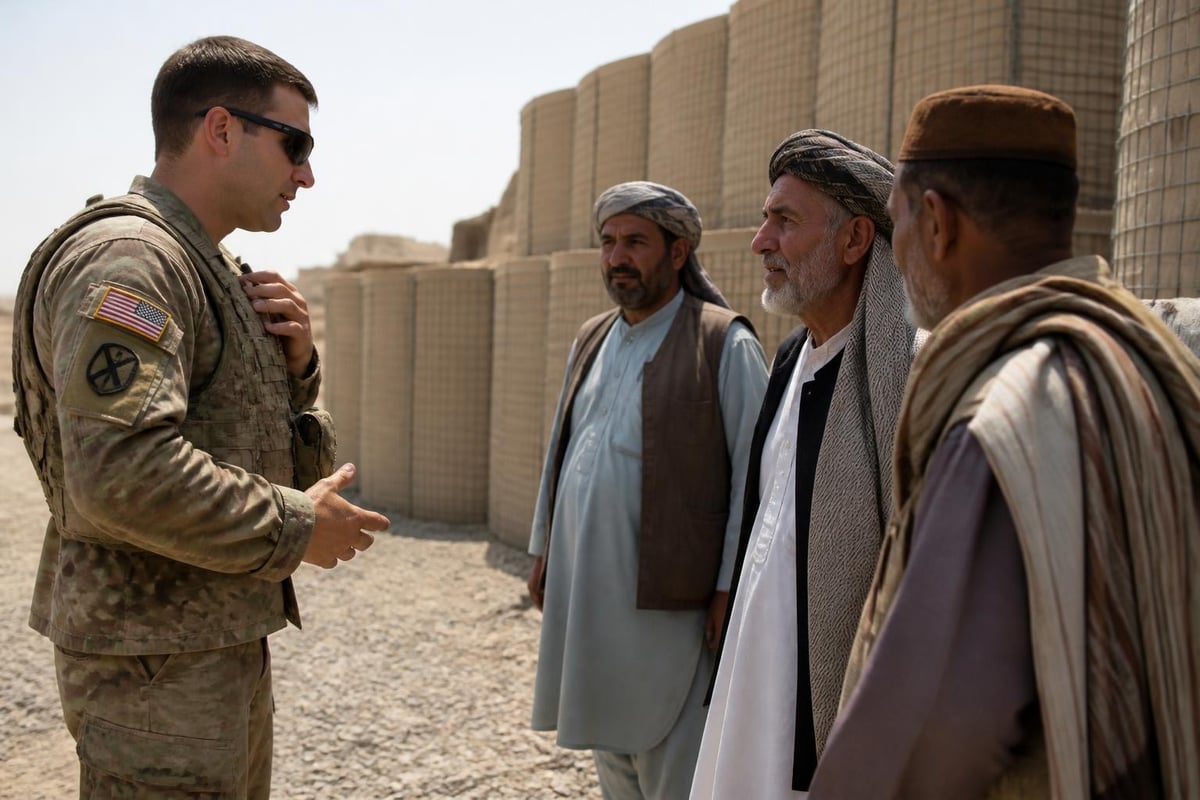
Foreign aid serves as a force multiplier for American security interests. By stabilizing fragile states, supporting allied militaries, and addressing root causes of extremism, assistance programs reduce threats that would otherwise require costlier military interventions. Presidents from both parties have argued that "development is cheaper than deployment", recognizing that prevention through aid costs less than combat operations.
Security assistance to partners like Israel, Jordan, and Egypt totals billions annually but maintains strategic relationships and regional stability. These investments support American military positioning and intelligence gathering while demonstrating commitment to allies.
Economic Returns
Development aid creates markets for American goods and services while fostering economic partnerships. Countries that receive assistance often become trading partners, purchasing U.S. exports and participating in global supply chains that benefit American workers and companies.
Research from institutions like the World Bank demonstrates how effective aid translates into economic outcomes in recipient countries, creating conditions for long-term commercial relationships. Presidents emphasizing economic growth often highlight these multiplier effects when defending foreign assistance budgets.
Humanitarian Leadership
American values include commitments to alleviating suffering and promoting human dignity globally. Presidents invoke these principles when responding to famines, epidemics, natural disasters, and refugee crises. Humanitarian aid represents a small budget fraction but carries significant moral and diplomatic weight.
This values-based approach resonates with many Americans who view foreign assistance as reflecting national character. However, presidents must balance moral imperatives against constituent demands for prioritizing domestic needs, highlighting the ongoing tension in foreign aid policies vs domestic spending priorities.
Domestic Spending Imperatives
Competing with foreign aid are substantial domestic needs that directly affect American citizens. Presidents face pressure to address infrastructure decay, healthcare access, education quality, poverty reduction, and economic opportunity-all requiring significant federal investment.
Infrastructure and Economic Development
The American Society of Civil Engineers consistently grades U.S. infrastructure below acceptable standards, identifying trillions of dollars in deferred maintenance and modernization needs. Roads, bridges, water systems, electrical grids, and broadband networks require investment to maintain economic competitiveness.
Presidents proposing infrastructure initiatives must navigate trade-offs with other priorities, including foreign assistance. While infrastructure spending enjoys broad public support, financing mechanisms and opportunity costs generate debate about whether reducing foreign aid could fund domestic projects.
Healthcare and Social Services
Healthcare represents the fastest-growing component of federal spending, driven by aging demographics and rising costs. Medicare, Medicaid, and Affordable Care Act subsidies consume increasing budget shares, creating pressure to find savings elsewhere.
Some critics of foreign assistance argue these funds could expand domestic healthcare access, reduce prescription drug costs, or strengthen rural hospital networks. Presidents defending aid budgets must explain why international health programs-fighting diseases like HIV/AIDS, malaria, and tuberculosis-complement rather than compete with domestic health priorities.
Education and Workforce Development
American education faces challenges from pre-kindergarten through higher education, including:
- K-12 funding gaps between wealthy and poor districts
- Student debt exceeding $1.7 trillion nationwide
- Skills mismatches between workforce capabilities and employer needs
- Early childhood education access limitations
- Teacher shortages in critical subjects and underserved areas
Education advocates sometimes frame foreign aid policies vs domestic spending priorities as a choice between funding schools abroad versus at home. Presidents counter that global education initiatives promote stability and reduce long-term security costs.
Accounting Complexities and Hidden Costs
The foreign aid policies vs domestic spending priorities debate becomes more nuanced when examining how assistance spending is actually accounted for and delivered. Research from Our World in Data reveals that significant portions of reported "foreign aid" never leave the United States.
Domestic Aid Spending
Refugee resettlement costs within U.S. borders count toward foreign aid totals under international accounting standards. When the United States accepts refugees and provides initial support services, these expenditures appear in foreign assistance budgets despite being spent domestically on American soil.
Administrative costs, contractor payments, and university research grants similarly inflate foreign aid figures while circulating money through the domestic economy. Critics argue this accounting obscures the true nature of spending, while defenders note that these costs remain necessary for effective aid delivery.
| Aid Category | Portion Spent Domestically | Primary Domestic Beneficiaries |
|---|---|---|
| Refugee Support | 85-90% | Resettlement agencies, local services |
| Technical Assistance | 60-70% | U.S. consultants, contractors |
| Food Aid | 40-50% | American farmers, shipping companies |
| Educational Programs | 50-60% | U.S. universities, training institutions |
Tied Aid and Procurement Rules
Many U.S. foreign assistance programs include requirements that recipients purchase American goods or hire American contractors. This "tied aid" creates domestic jobs and supports U.S. businesses while delivering international assistance. The practice blurs distinctions in foreign aid policies vs domestic spending priorities by ensuring aid dollars recirculate through the American economy.
Food aid programs traditionally required purchasing U.S.-grown commodities and transporting them on American-flagged ships, directly benefiting domestic agriculture and maritime industries. Recent reforms have increased flexibility, but significant procurement preferences remain.

Presidential Approaches Across Administrations
Different presidents have navigated foreign aid policies vs domestic spending priorities with varying philosophies and strategies, reflecting their broader governing approaches and political coalitions.
Expansion-Oriented Administrations
Some presidents have championed foreign aid increases as strategic investments. The George W. Bush administration launched the President's Emergency Plan for AIDS Relief (PEPFAR) and the Millennium Challenge Corporation, substantially increasing development assistance despite domestic opposition. Bush framed these initiatives as security investments preventing failed states and pandemics.
The Obama administration maintained high aid levels while emphasizing development effectiveness and innovation. The "Feed the Future" initiative and Power Africa program reflected beliefs that strategic development assistance advanced American interests while addressing humanitarian needs.
Restraint-Focused Approaches
Other presidents have questioned foreign assistance levels, arguing for greater domestic focus. The Trump administration proposed significant foreign aid cuts annually, though Congress largely rejected these reductions. This approach resonated with constituents who viewed foreign spending skeptically during periods of domestic economic anxiety.
These presidents typically emphasize burden-sharing with allies, arguing that wealthy nations should contribute more to global challenges rather than relying on American generosity. This philosophy attempts to redirect resources toward domestic priorities without abandoning international engagement entirely.
Balanced Strategies
Many administrations seek middle ground, maintaining foreign assistance commitments while addressing domestic needs. The Biden administration has pursued this path, sustaining aid programs while proposing substantial domestic investments in infrastructure, healthcare, and climate initiatives.
This approach recognizes that foreign aid policies vs domestic spending priorities need not be zero-sum. By demonstrating aid effectiveness and strategic value while delivering domestic results, presidents can build coalitions supporting both international engagement and homeland investment.
Analysis of policy shifts and their implications from institutions like Brookings helps contextualize how different presidential approaches affect global development and American standing.
Congressional Role and Budget Process
While presidents propose budgets and set policy direction, Congress ultimately controls appropriations, adding complexity to foreign aid policies vs domestic spending priorities. The legislative branch often modifies presidential requests based on constituent pressures, committee priorities, and political dynamics.
Authorization vs. Appropriation
Foreign assistance programs require both authorization (establishing legal authority) and appropriation (providing actual funding). This two-step process creates multiple opportunities for debate and modification. Programs with strong congressional champions often receive funding above presidential requests, while others face cuts regardless of executive branch preferences.
The State Department and USAID must navigate relationships with multiple committees, including Foreign Affairs, Appropriations, and Armed Services panels. Each committee brings distinct perspectives on balancing international engagement with domestic needs.
Earmarks and Specific Allocations
Congress frequently mandates spending for particular countries, programs, or purposes, limiting presidential flexibility. Israel and Egypt receive guaranteed minimum assistance levels by statute, while other allocations reflect congressional priorities that may differ from administration preferences.
These requirements can constrain presidents seeking to reallocate foreign aid toward domestic purposes or redirect assistance to emerging priorities. The result is that foreign aid policies vs domestic spending priorities reflect legislative as well as executive judgments.
Continuing Resolutions and Funding Gaps
When Congress fails to pass regular appropriations, continuing resolutions maintain previous funding levels, preventing strategic shifts. This pattern has become increasingly common, making it difficult for presidents to implement significant policy changes in either foreign aid or domestic spending.
Funding gaps and government shutdowns affect both international commitments and domestic programs, demonstrating the interconnected nature of federal budgeting. Presidents must manage these disruptions while maintaining credibility with foreign partners and delivering services to Americans.
Measuring Effectiveness and Return on Investment
Evaluating foreign aid policies vs domestic spending priorities requires assessing program effectiveness and comparing returns across different investment types. This analysis proves challenging due to measurement difficulties and lengthy timeframes for development outcomes.
Aid Effectiveness Metrics
Modern development assistance increasingly emphasizes results-based management and rigorous evaluation. Metrics include:
- Health outcomes: Lives saved, diseases prevented, maternal mortality reduced
- Economic indicators: Income growth, poverty reduction, job creation
- Governance measures: Corruption levels, democratic participation, rule of law
- Security improvements: Conflict prevention, terrorism reduction, stability indexes
- Education results: Literacy rates, school enrollment, workforce skills
These metrics help presidents demonstrate aid value to skeptical constituents, making the case that international assistance produces measurable benefits justifying continued investment despite domestic needs.
Comparative Analysis Challenges
Comparing foreign aid returns with domestic spending proves methodologically complex. Infrastructure investments generate economic multipliers, but so do stabilization programs preventing conflicts that would disrupt trade. Healthcare spending saves American lives, while disease prevention abroad protects Americans from pandemics.
Presidents rarely attempt direct comparisons, instead arguing that both foreign and domestic investments serve complementary purposes. This framing avoids zero-sum thinking while acknowledging resource constraints requiring prioritization.
Reform Proposals and Future Directions
As debates over foreign aid policies vs domestic spending priorities continue, various reform proposals aim to improve aid effectiveness, increase transparency, and better align international assistance with domestic interests.
Streamlining and Consolidation
Some reformers advocate consolidating the numerous accounts, agencies, and programs delivering foreign assistance. The United States currently disperses aid through State Department bureaus, USAID, the Millennium Challenge Corporation, Treasury Department programs, and various other entities.
Consolidation could reduce overhead costs, improve coordination, and free resources for either more effective aid delivery or redirection toward domestic purposes. However, different agencies bring distinct expertise and relationships, making wholesale restructuring challenging.
Private Sector Partnerships
Increasingly, foreign assistance leverages private capital through public-private partnerships, development finance, and blended finance mechanisms. The U.S. International Development Finance Corporation mobilizes private investment in developing countries, multiplying government contributions.
This approach appeals to fiscal conservatives by generating development impact without proportional budget increases, potentially easing tensions in foreign aid policies vs domestic spending priorities.
Conditionality and Performance
Some presidents have emphasized performance-based aid, rewarding countries demonstrating good governance, economic reform, and corruption reduction. The Millennium Challenge Corporation pioneered this model, providing substantial grants to countries meeting eligibility criteria.
Expanding conditionality could improve aid effectiveness while demonstrating accountability to American taxpayers, potentially strengthening public support for continued international assistance despite competing domestic needs.
Balancing foreign aid policies vs domestic spending priorities remains a defining challenge for presidential leadership, requiring strategic vision that recognizes both American global interests and homeland needs. As fiscal pressures intensify and political polarization deepens, these debates will only grow more complex. For comprehensive, non-partisan analysis of how current and past presidents navigate these critical policy trade-offs, U.S. Presidential Report provides timely coverage that helps citizens understand the decisions shaping America's role in the world and its commitments at home.