The intersection of presidential leadership and energy policy has never been more significant for America's economic and strategic interests. Trump energy policies and oil production have reshaped the domestic energy landscape through executive actions, regulatory rollbacks, and a renewed emphasis on fossil fuel development. Understanding these policy shifts requires examining both their immediate implementation and long-term implications for energy markets, environmental considerations, and national security objectives. As 2026 unfolds, the effects of these decisions continue to influence drilling activity, production levels, and America's position in global energy markets.
Declaring Energy Independence Through Executive Action
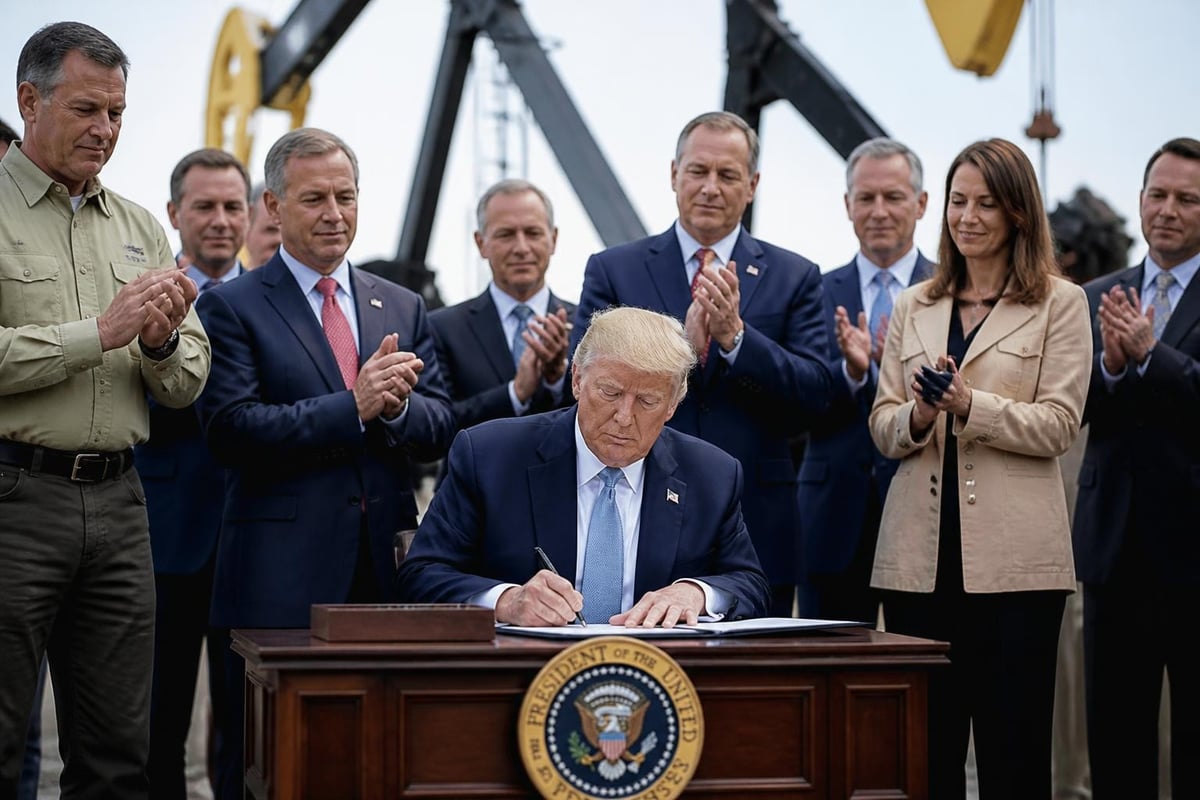
The administration's approach to energy policy centers on the concept of energy dominance rather than mere energy independence. President Trump's declaration of a national energy emergency established a framework for accelerating fossil fuel production across federal lands and offshore areas. This executive action unlocked previously restricted territories for exploration and development.
The national emergency designation carries significant regulatory implications. Federal agencies must prioritize energy infrastructure projects and expedite permitting processes for drilling operations. This shift represents a fundamental departure from previous administrative priorities that emphasized renewable energy transitions and climate change mitigation.
Key Components of the Energy Emergency Declaration
The emergency framework encompasses several strategic objectives:
- Accelerated permitting for oil and gas operations on federal lands
- Streamlined environmental reviews for energy infrastructure projects
- Expanded access to offshore drilling areas in the Atlantic and Pacific
- Reduced regulatory barriers for pipeline construction and transportation
- Enhanced coordination between federal agencies and energy producers
These measures aim to increase domestic production capacity while reducing dependence on foreign oil imports.
Regulatory Rollbacks and Industry Impact
Trump energy policies and oil production gains have been directly linked to systematic regulatory reforms. The administration targeted Obama-era environmental regulations that industry leaders argued imposed unnecessary costs and compliance burdens. These rollbacks addressed methane emission standards, drilling waste disposal requirements, and safety protocols on federal lands.
The Bureau of Land Management revised lease sale procedures to increase the frequency and scope of auctions. Quarterly lease sales replaced annual offerings in several regions, providing more opportunities for companies to secure drilling rights. Minimum bid requirements were reduced to attract smaller operators and encourage competitive bidding.
| Regulatory Change | Previous Standard | Current Standard | Industry Impact |
|---|---|---|---|
| Methane Monitoring | Quarterly inspections | Annual inspections | Reduced compliance costs |
| Lease Sale Frequency | Annual | Quarterly | Increased access opportunities |
| Environmental Review Timeline | 18-24 months | 6-12 months | Faster project approval |
| Offshore Drilling Areas | Limited zones | Expanded zones | Greater production potential |
Environmental Compliance Modifications
The Environmental Protection Agency implemented changes to air quality standards affecting oil and gas operations. New source performance standards were relaxed for drilling equipment, reducing capital expenditure requirements for operators. Water quality regulations governing hydraulic fracturing operations were streamlined to eliminate redundant state and federal oversight.
These modifications sparked debate about long-term environmental consequences versus short-term economic benefits. Industry advocates praised the changes as common-sense reforms, while environmental organizations raised concerns about reduced protections for air and water quality in drilling regions.
Production Trends and Market Dynamics
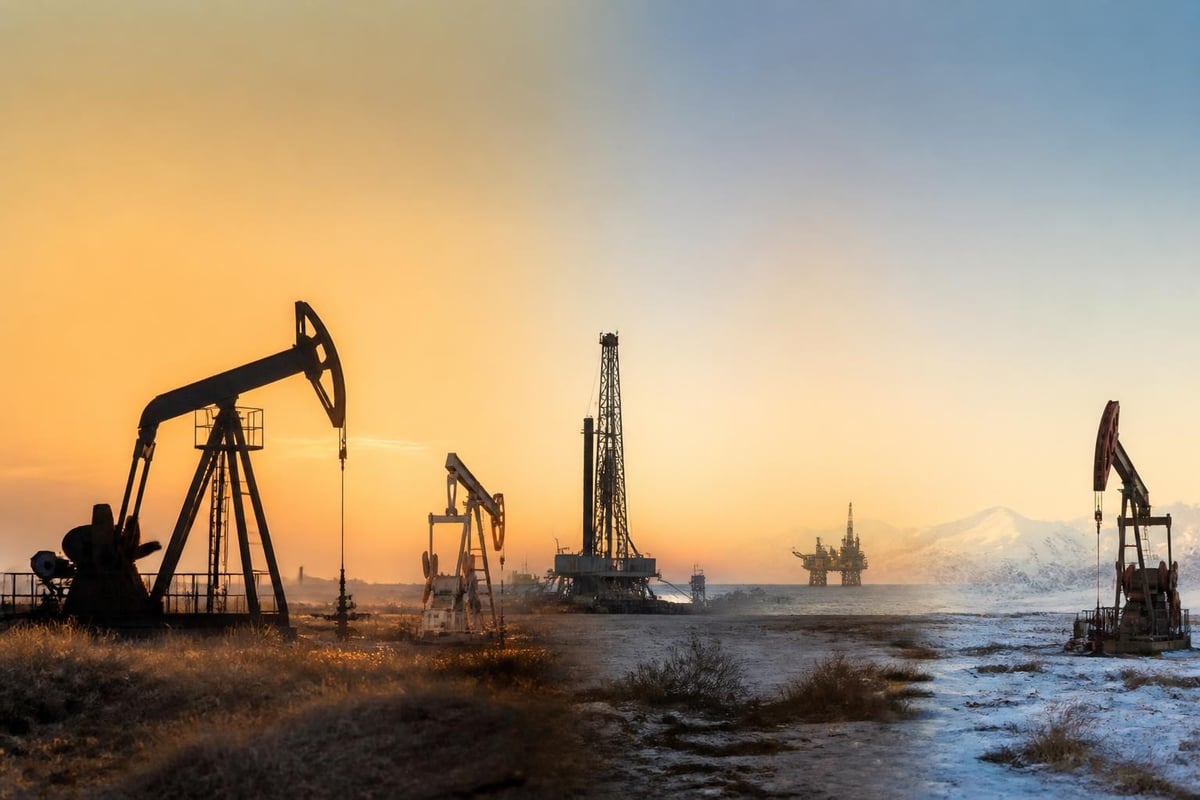
Domestic oil production reached record levels following the implementation of trump energy policies and oil production initiatives. The United States maintained its position as the world's largest crude oil producer throughout 2025 and into 2026. Daily production volumes exceeded 13 million barrels, with projections suggesting continued growth through 2027.
The Permian Basin in Texas and New Mexico accounts for the largest share of increased output. Enhanced drilling efficiency and improved extraction technologies combined with favorable regulatory conditions to boost productivity. Operators deployed advanced horizontal drilling techniques and multi-well pad development to maximize resource recovery from shale formations.
Regional Production Analysis
Different geological regions responded variably to policy changes:
- Permian Basin: Production increased by 18% year-over-year
- Bakken Formation: Output stabilized after previous declines
- Gulf of Mexico: Offshore production expanded with new platform approvals
- Alaska: Long-delayed projects received federal approval
- Appalachian Basin: Natural gas production accelerated alongside oil extraction
The White House energy priorities emphasize maximizing production from these diverse regions to ensure supply security and price stability.
Infrastructure Development and Transportation
Expanding production capacity requires corresponding infrastructure investments. Trump energy policies and oil production goals necessitated new pipeline construction, refinery upgrades, and export terminal development. The administration expedited approval for several major pipeline projects that had faced regulatory delays during previous administrations.
The Keystone XL pipeline received renewed attention despite previous cancellations. Cross-border energy infrastructure became a priority for both economic and diplomatic reasons. Domestic pipeline networks expanded to connect emerging production areas with refineries and export facilities on the Gulf Coast.
Export Capacity Expansion
Liquefied natural gas (LNG) terminals experienced significant growth, positioning the United States as a major energy exporter. Crude oil export facilities expanded to accommodate increased production volumes. Port facilities in Texas and Louisiana underwent modernization to handle larger tankers and greater throughput.
This export infrastructure supports the administration's energy dominance strategy by creating additional market outlets for domestic production. Revenue from energy exports contributes to trade balance improvements and strengthens the dollar's position in global energy markets.
Economic Implications and Employment
The energy sector experienced substantial job growth following policy implementation. Direct employment in oil and gas extraction increased by approximately 75,000 positions between 2025 and 2026. Indirect employment in supporting industries, including manufacturing, transportation, and services, added several hundred thousand additional jobs.
Wage levels in energy-producing regions rose in response to labor demand. Communities in Texas, North Dakota, and Pennsylvania benefited from increased economic activity associated with drilling operations. State and local tax revenues from energy production provided funding for infrastructure improvements and public services.
| Economic Indicator | 2024 | 2025 | 2026 Projection |
|---|---|---|---|
| Direct Energy Jobs | 485,000 | 535,000 | 560,000 |
| Average Industry Wage | $82,500 | $87,200 | $90,100 |
| Federal Lease Revenue | $4.2B | $5.8B | $6.5B |
| Energy Exports Value | $142B | $168B | $185B |
The Department of Energy highlights these economic achievements as evidence of successful policy implementation.
Environmental and Climate Considerations
Critics of trump energy policies and oil production expansion point to potential environmental consequences. Increased fossil fuel extraction and consumption contribute to greenhouse gas emissions that drive climate change. Environmental organizations argue that short-term economic gains come at the expense of long-term ecological stability.
The administration countered these concerns by emphasizing technological improvements in emission control and operational efficiency. Industry representatives noted that American production standards exceed those in many oil-producing nations, suggesting that domestic production represents a cleaner alternative to imports from countries with weaker environmental regulations.
Balancing Economic and Environmental Priorities
The policy debate reflects broader tensions between economic development and environmental protection. Supporters argue that energy abundance enables economic growth that funds future technological innovation, including cleaner energy alternatives. Opponents contend that aggressive fossil fuel development locks in carbon-intensive infrastructure for decades.
Methane capture technologies received increased attention as a compromise approach. Operators implemented systems to reduce fugitive emissions from drilling and production operations. These technologies address environmental concerns while maintaining production growth objectives.
PBS NewsHour analysis explores the tension between expanded drilling and climate policy reversals.
International Energy Relations
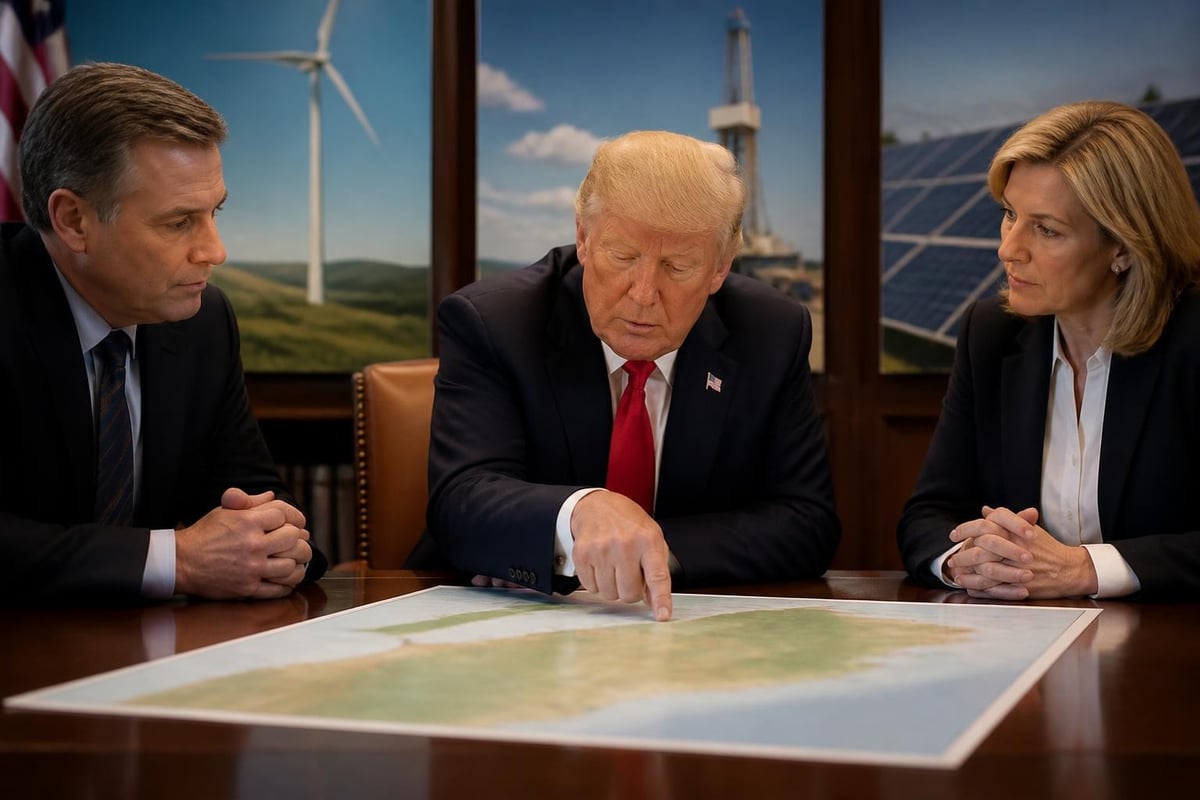
Trump energy policies and oil production levels influence America's relationships with other energy-producing nations. Increased domestic output reduces reliance on Middle Eastern oil imports, shifting diplomatic dynamics in that region. The administration leveraged energy abundance as a tool for strengthening alliances with European nations seeking alternatives to Russian natural gas.
Energy exports to Asia expanded significantly, with Japan, South Korea, and India emerging as major customers for American LNG. These commercial relationships reinforced broader strategic partnerships in the Indo-Pacific region. Energy diplomacy became an integral component of foreign policy strategy.
OPEC Dynamics and Market Competition
Higher American production affected global oil markets and OPEC's ability to influence prices through production quotas. The administration maintained that abundant domestic supply protected American consumers from price manipulation by foreign cartels. This market position enhanced America's geopolitical leverage in international negotiations.
Tensions with traditional allies occasionally emerged when American energy exports competed with their own production in third-party markets. Norway, Canada, and Mexico adjusted their energy policies in response to American market strategies, creating new dynamics in North American energy cooperation.
Technology and Innovation in Production
Advancements in extraction technology enabled production increases beyond what policy changes alone could achieve. Hydraulic fracturing techniques continued evolving, with operators achieving greater resource recovery from existing wells. Enhanced oil recovery methods extended the productive life of mature fields that previously faced declining output.
Artificial intelligence and data analytics transformed operational efficiency. Drilling companies deployed machine learning algorithms to optimize well placement, predict equipment maintenance needs, and improve safety protocols. These technological innovations reduced costs while increasing production volumes.
The administration supported research into carbon capture and storage technologies that could enable continued fossil fuel use while addressing emission concerns. Federal funding for pilot projects increased, though commercial-scale deployment remained limited in 2026.
State and Federal Policy Coordination
Energy policy implementation requires coordination between federal initiatives and state regulations. Trump energy policies and oil production objectives sometimes conflicted with state-level environmental standards, particularly in California and New York. Legal challenges emerged regarding the extent of federal authority over state energy decisions.
States with significant energy production generally supported federal policy directions. Texas, North Dakota, and Wyoming aligned state regulations with federal frameworks to maximize development opportunities. These states streamlined their own permitting processes to complement federal changes.
Tribal Lands and Energy Development
Energy development on tribal lands presented unique policy considerations. Several Native American nations possess substantial oil and gas reserves on their territories. The administration worked to expand production opportunities for tribes while respecting sovereignty and environmental concerns specific to these communities.
Revenue-sharing arrangements from energy development on tribal lands provided economic benefits to historically disadvantaged communities. Some tribes embraced development as an economic development strategy, while others prioritized environmental preservation over extraction revenues.
Political Context and Policy Continuity
The sustainability of trump energy policies and oil production levels depends partly on political continuity. Energy policy has historically shifted with presidential administrations, creating uncertainty for long-term infrastructure investments. Industry leaders sought assurances that regulatory frameworks would remain stable beyond the current administration.
Congressional action could codify certain policy elements, providing greater certainty for investors. However, legislative gridlock often prevented comprehensive energy bills from advancing. Executive actions remained the primary vehicle for policy implementation, creating vulnerability to reversal by future administrations.
For broader context on presidential policy decisions, readers can explore coverage of Donald Trump and other presidents at U.S. Presidential Report.
Market Price Impacts and Consumer Effects
Increased domestic production contributed to relatively stable gasoline prices despite global market volatility. American consumers benefited from abundant supply that moderated price spikes during international disruptions. The administration highlighted affordable energy as a key achievement of its policy approach.
Crude oil inventories remained elevated throughout 2025 and into 2026, providing a buffer against supply disruptions. Strategic petroleum reserve policies shifted toward allowing greater private sector storage rather than maintaining large government stockpiles.
Natural gas prices declined in many regions as production outpaced consumption growth. This price environment benefited industrial users and residential consumers but created challenges for smaller producers operating on thin profit margins. Market consolidation accelerated as larger companies acquired struggling competitors.
Understanding trump energy policies and oil production requires examining the complex interplay between regulatory decisions, market dynamics, technological advancement, and geopolitical considerations. These policies have fundamentally reshaped America's energy landscape with implications extending far beyond the energy sector itself. For comprehensive, non-partisan coverage of presidential policies and their impact on American governance, U.S. Presidential Report provides detailed analysis of current and historical presidential decisions affecting energy, economy, and national security.