The American system of checks and balances places the judiciary and executive branch in a perpetual dance of constitutional interpretation and practical governance. Throughout our nation's history, the relationship between Supreme Court decisions and presidential action has defined the boundaries of executive power. As we navigate 2026, understanding supreme court rulings vs executive authority challenges has become essential for anyone following presidential politics and governance. These legal confrontations reveal fundamental questions about democratic accountability, constitutional limits, and the proper scope of presidential action in a complex modern state.
The Constitutional Framework of Executive Power
The Constitution grants the president significant but not unlimited authority. Article II vests executive power in the president, establishes the commander-in-chief role, and authorizes the execution of federal laws. However, the framers deliberately created a system where no single branch holds absolute power.
The Supreme Court serves as the ultimate arbiter when disputes arise about constitutional boundaries. This judicial review power, established in Marbury v. Madison (1803), enables courts to examine whether executive actions exceed constitutional or statutory authority. When presidents push the envelope of their powers, the Court steps in to referee.
Recent Landmark Decisions Reshaping Executive Authority
The past several years have witnessed unprecedented Supreme Court intervention into executive branch operations. Trump v. United States addressed fundamental questions about presidential immunity from criminal prosecution, establishing important boundaries around conduct performed in official versus private capacity. This 2024 decision reshaped the landscape for presidential accountability and demonstrated how supreme court rulings vs executive authority challenges directly affect governance.
In 2024, Loper Bright v. Raimondo overturned the Chevron deference doctrine that had prevailed for four decades. The Congressional Research Service analysis of this decision explains how courts must now exercise independent judgment when interpreting ambiguous statutes rather than deferring to agency interpretations. This shift fundamentally constrains how presidents can direct administrative agencies to implement policy through regulatory action.
The Major Questions Doctrine and Presidential Policy
One of the most significant developments in supreme court rulings vs executive authority challenges involves the major questions doctrine. This principle requires clear congressional authorization before agencies can make decisions of vast economic and political significance.
The Court has applied this doctrine with increasing frequency to limit executive branch actions:
- Environmental regulation: Blocking EPA climate initiatives without explicit congressional mandate
- Public health measures: Constraining CDC authority during pandemic response
- Student loan forgiveness: Rejecting presidential efforts to cancel debt through administrative action
- Immigration enforcement: Limiting executive discretion in deportation priorities
How the Doctrine Constrains Presidential Initiatives
When presidents attempt sweeping policy changes through executive action, the major questions doctrine creates substantial obstacles. The Court now demands that Congress speak clearly when delegating transformative authority. Presidents cannot claim general statutory language as permission for unprecedented initiatives.
This represents a fundamental shift in the balance between branches. Academic analysis from the University of Illinois Law Review examines whether separation-of-powers principles truly justify this doctrine, raising questions about judicial overreach versus necessary constitutional guardrails.
The practical effect limits presidential flexibility to address emerging crises without congressional cooperation. In an era of legislative gridlock, this constraint significantly reduces executive power to respond quickly to national challenges.
Emergency Powers and Judicial Scrutiny
Presidential emergency declarations have historically expanded executive authority during crises. However, recent supreme court rulings vs executive authority challenges have tightened judicial oversight of these claims. The Court increasingly examines whether genuine emergencies exist and whether presidential responses proportionally address specific threats.
The Harvard Law Review analysis of emergency appropriations decisions reveals how courts now scrutinize executive spending decisions that bypass congressional appropriations. Presidents cannot simply declare emergencies to access funds Congress denied through normal channels.
| Emergency Power Type | Traditional Deference | Current Judicial Approach |
|---|---|---|
| Military deployment | High | Moderate with time limits |
| Budget reallocation | Moderate | Low scrutiny required |
| Regulatory suspension | High | Major questions analysis |
| Border enforcement | High | Fact-intensive review |
Nationwide Injunctions and Executive Policy Implementation
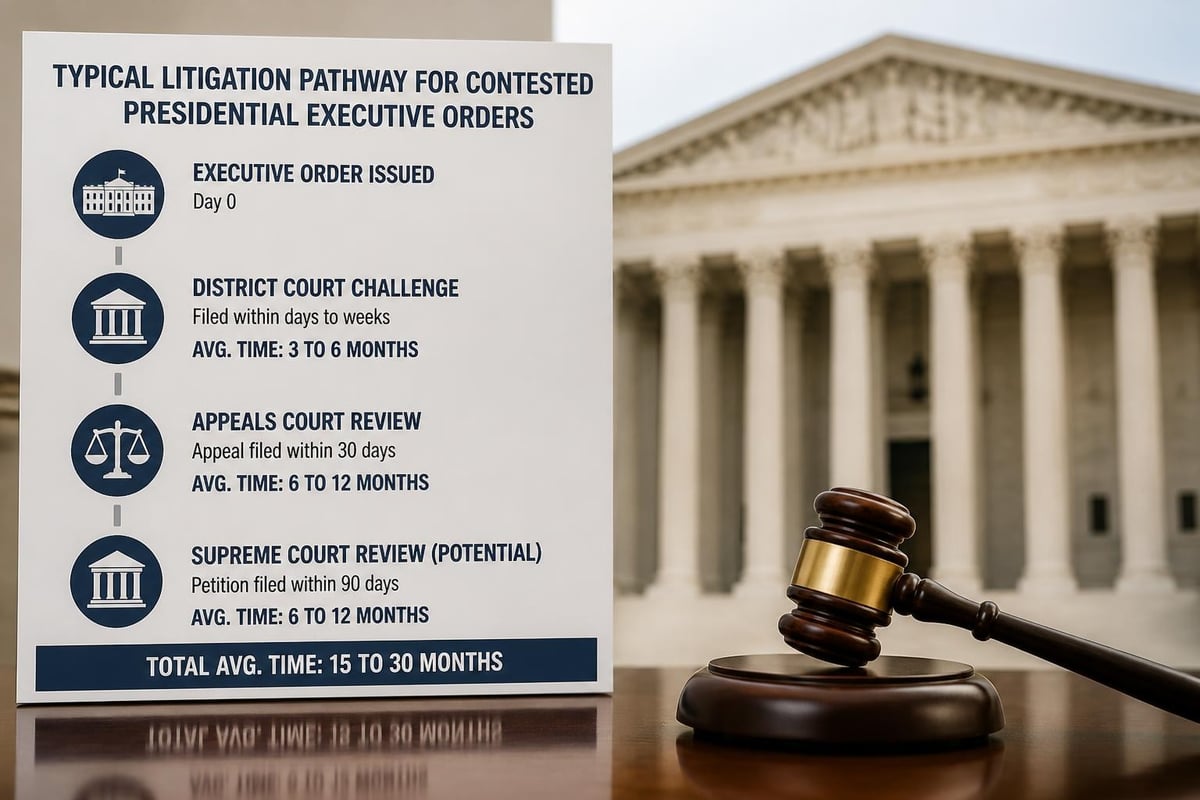
The CRS report on Trump v. CASA, Inc. addresses how courts handle nationwide injunctions against executive policies. These judicial orders can halt presidential initiatives across the entire country based on a single district court decision, creating significant challenges for executive authority.
Supreme Court justices across the ideological spectrum have questioned whether such broad injunctive relief exceeds traditional equity powers. The debate centers on whether courts should limit remedies to parties before them or provide universal relief when constitutional violations occur.
Impact on Presidential Agenda Implementation
Presidents now face the reality that a single judge can freeze major policy initiatives nationwide. This creates strategic litigation opportunities for those opposing executive actions. Advocates carefully select favorable jurisdictions to challenge presidential orders, knowing one sympathetic court can achieve national impact.
The practical consequence slows presidential action and shifts power toward the judiciary. Even when presidents ultimately prevail on appeal, preliminary injunctions can delay implementation for months or years. Some initiatives lose momentum or become moot during extended litigation.
Nondelegation Doctrine Revival
Recent cases signal renewed judicial interest in the nondelegation doctrine, which theoretically limits Congress's ability to delegate legislative power to the executive branch. Though historically dormant, this constitutional principle could dramatically reshape supreme court rulings vs executive authority challenges.
The February 2026 opinion in Learning Resources, Inc. v. Trump provides fresh guidance on when statutory delegations provide insufficient standards to guide executive discretion. The Court's analysis suggests growing skepticism toward broad grants of authority to administrative agencies.
Key elements the Court now examines include:
- Whether statutes provide intelligible principles guiding executive action
- The magnitude of economic and political consequences
- Availability of limiting constructions
- Historical practice and precedent
This revival threatens the modern administrative state's foundation. Since the New Deal, federal governance has relied on Congress delegating detailed policymaking to expert agencies. If courts aggressively enforce nondelegation limits, presidential administrations lose flexibility to address complex regulatory challenges.
Separation of Powers in Modern Governance
The Brookings Institution research on expanding presidential powers documents how executive authority grew throughout the twentieth century. Modern presidents command vast bureaucratic apparatus, deploy military force globally, and shape national policy through executive orders and agency guidance.
Yet the Supreme Court's recent trajectory suggests skepticism toward this expansion. Multiple decisions reflect concern that executive power has encroached on congressional prerogatives. The Court appears committed to enforcing stronger separation-of-powers boundaries even when that limits governmental effectiveness.
Scholarly Perspectives on Constitutional Balance
The Fordham Law Review special issue examines whether current Supreme Court doctrine represents "separation-of-powers Lochnerism." Critics argue the Court imposes its policy preferences under the guise of constitutional interpretation, similar to the discredited Lochner era when courts struck down economic legislation.
Defenders maintain the Court properly checks executive overreach and protects congressional authority. They view recent supreme court rulings vs executive authority challenges as restoring constitutional boundaries eroded through decades of judicial deference.
This scholarly debate reflects deeper questions about judicial role in democratic governance. Should courts defer to elected branches except in clear constitutional violations? Or should they actively police separation-of-powers boundaries even when that frustrates popular presidential initiatives?
Historical Patterns in Executive-Judicial Conflicts
Presidents throughout American history have clashed with the Supreme Court over executive authority. Abraham Lincoln defied Chief Justice Taney's habeas corpus ruling during the Civil War. Franklin Roosevelt proposed court-packing after justices struck down New Deal programs. Richard Nixon lost claims of absolute executive privilege in the Watergate tapes case.
These conflicts often reflect broader political struggles about governmental power and individual rights. Supreme court rulings vs executive authority challenges rarely occur in political vacuums. They emerge when presidents pursue controversial agendas that trigger organized opposition and strategic litigation.
The Federal Judicial Center’s comprehensive guide on judicial review of executive orders provides historical context showing how courts have evolved their approach to presidential actions over time. Earlier courts showed greater deference to executive judgments, particularly in foreign affairs and national security.
Contemporary Applications and Implications
Understanding these legal dynamics matters for anyone following presidential politics through sources like U.S. Presidential Report. Executive authority questions affect virtually every major policy area from immigration to environmental protection to economic regulation.
Current areas where supreme court rulings vs executive authority challenges remain active include:
- Immigration policy: Detention standards, deportation priorities, border construction
- Environmental regulation: Climate initiatives, endangered species protection, energy development
- Healthcare administration: Pandemic response measures, insurance mandates, drug pricing
- Financial oversight: Banking regulation, consumer protection, securities enforcement
- Technology governance: Social media regulation, data privacy, antitrust enforcement
Practical Effects on Presidential Governance
Presidents must now anticipate judicial resistance when planning major initiatives. Legal teams carefully craft executive orders to withstand scrutiny under doctrines like major questions and nondelegation. Policy ambitions often scale back to fit within clearly delegated statutory authority.
This judicial constraint forces presidents toward congressional cooperation even when legislative prospects seem dim. Executive action alone cannot accomplish transformative change if courts stand ready to intervene. Durable policy requires statutory foundations that satisfy increasingly demanding judicial review.
| Presidential Action Type | Pre-2020 Success Rate | Current Environment |
|---|---|---|
| Routine agency guidance | 85-90% upheld | 75-80% upheld |
| Novel statutory interpretations | 70-75% upheld | 45-50% upheld |
| Emergency declarations | 80-85% upheld | 60-65% upheld |
| Major policy initiatives | 65-70% upheld | 35-40% upheld |
The Role of Presidential Appointments
Presidents shape these judicial boundaries through Supreme Court appointments. The Court's current composition reflects appointments by presidents who prioritized judicial philosophies emphasizing textualism and originalism. These interpretive methods generally constrain executive authority compared to approaches emphasizing deference or constitutional flexibility.
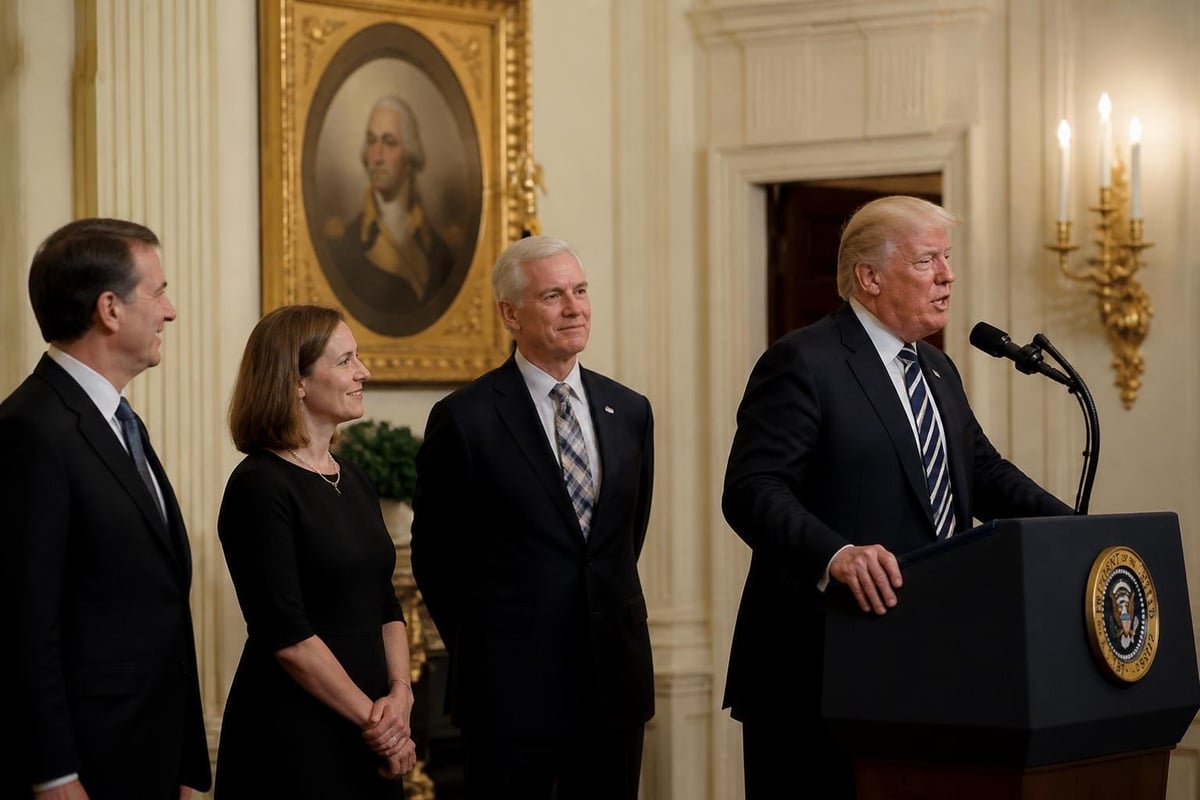
Future appointments will determine whether current trends continue or reverse. Presidents seeking expanded executive latitude must appoint justices sympathetic to broader readings of Article II authority and more deferential review of agency action. Those prioritizing congressional power and stricter separation prefer justices who view executive claims skeptically.
This creates interesting dynamics around confirmation politics. Senate consideration of nominees increasingly focuses on positions regarding executive authority, administrative law, and separation of powers. These once-obscure doctrinal questions now drive political battles over court composition.
Implications for Future Administrations
The trajectory of supreme court rulings vs executive authority challenges suggests presidents will operate under tighter constraints moving forward. Several factors reinforce this trend:
- Doctrinal momentum: Recent decisions create precedents limiting deference and demanding clear congressional authorization
- Institutional dynamics: The Court appears committed to enforcing separation-of-powers boundaries regardless of which party holds the presidency
- Political polarization: Organized opposition to presidential initiatives ensures aggressive litigation challenging executive actions
- Statutory ambiguity: Older statutes delegating broad authority face reinterpretation under modern doctrines
Presidents must adapt to this environment through several strategies. Building congressional coalitions for explicit statutory authorization provides strongest legal foundation. Limiting initiatives to clearly delegated authority reduces litigation risk. Developing careful legal analysis before acting helps anticipate judicial challenges.
Navigating the New Constitutional Landscape
Successful presidential leadership in this environment requires sophisticated legal planning. White House Counsel offices play crucial roles vetting proposals for constitutional vulnerability. Agency general counsels must carefully analyze whether regulatory initiatives fit within statutory bounds under current judicial interpretation.
The alternative-aggressive executive action despite legal uncertainty-risks embarrassing defeats and wasted political capital. While past presidents could rely on judicial deference, contemporary supreme court rulings vs executive authority challenges demand more cautious approaches. Presidents who ignore these realities face serial courtroom losses that undermine their broader agendas.
Understanding these dynamics helps observers make sense of presidential decision-making. When presidents decline to pursue certain policies through executive action despite campaign promises, legal constraints often explain the reluctance. When administrations invest months crafting executive orders, they're building defenses against anticipated litigation.
Public Accountability and Democratic Governance
These legal battles raise fundamental questions about democratic accountability and governance effectiveness. Strong presidential authority enables swift responses to national challenges but concentrates power in a single individual. Robust judicial review protects constitutional boundaries but can frustrate popular mandates.
The tension reflects competing values in American constitutionalism. We want effective government capable of addressing complex problems. We also want limited government that respects constitutional structure and individual rights. Balancing these imperatives requires ongoing dialogue among branches.
Supreme court rulings vs executive authority challenges represent one dimension of that dialogue. Through opinions explaining constitutional limits, courts educate presidents, Congress, and the public about proper governmental roles. Executive branch responses-compliance, legislative requests, or constitutional arguments-continue the conversation.
The evolving relationship between Supreme Court rulings and executive authority fundamentally shapes how presidents govern and implement their policy agendas in 2026 and beyond. These constitutional tensions will continue influencing presidential decision-making across administrations of both parties. For comprehensive, non-partisan coverage of these developments and their impact on current and former presidents, U.S. Presidential Report provides the balanced analysis readers need to understand American governance.