The digital landscape of American politics has undergone a seismic transformation in recent years, with social media platforms becoming central to how candidates communicate, voters engage, and political narratives spread. Among these platforms, TikTok has emerged as a particularly influential force, challenging traditional campaign methods and creating new pathways for political engagement. Understanding TikTok's role in US politics has become essential for anyone following presidential elections, policy debates, and the evolving relationship between technology and governance. As we navigate the 2026 political landscape, the platform's impact on democratic processes, voter outreach, and political discourse continues to expand in ways that demand serious analysis.
The Rise of TikTok as a Political Platform
TikTok's journey from entertainment app to political powerhouse reflects broader shifts in how Americans consume information and engage with civic life. What began as a platform for dance challenges and comedy sketches has evolved into a sophisticated political communication tool. By 2026, the platform hosts millions of politically engaged users who seek news, share opinions, and organize grassroots movements through short-form video content.
The demographics driving this transformation are particularly noteworthy. According to research on TikTok user engagement, approximately 36% of users turn to the platform for political content, despite 95% primarily using it for entertainment. This dual-purpose usage creates unique opportunities for political messaging that blends seamlessly with entertainment content.
Youth Voter Engagement Through Short-Form Video
Presidential candidates now recognize TikTok's unparalleled ability to reach younger demographics. Nearly half of TikTok users aged 18 to 29 utilize the platform for political news and information, making it an indispensable tool for campaigns targeting first-time voters and millennials. This shift has forced political strategists to rethink traditional advertising approaches and embrace the platform's unique format.
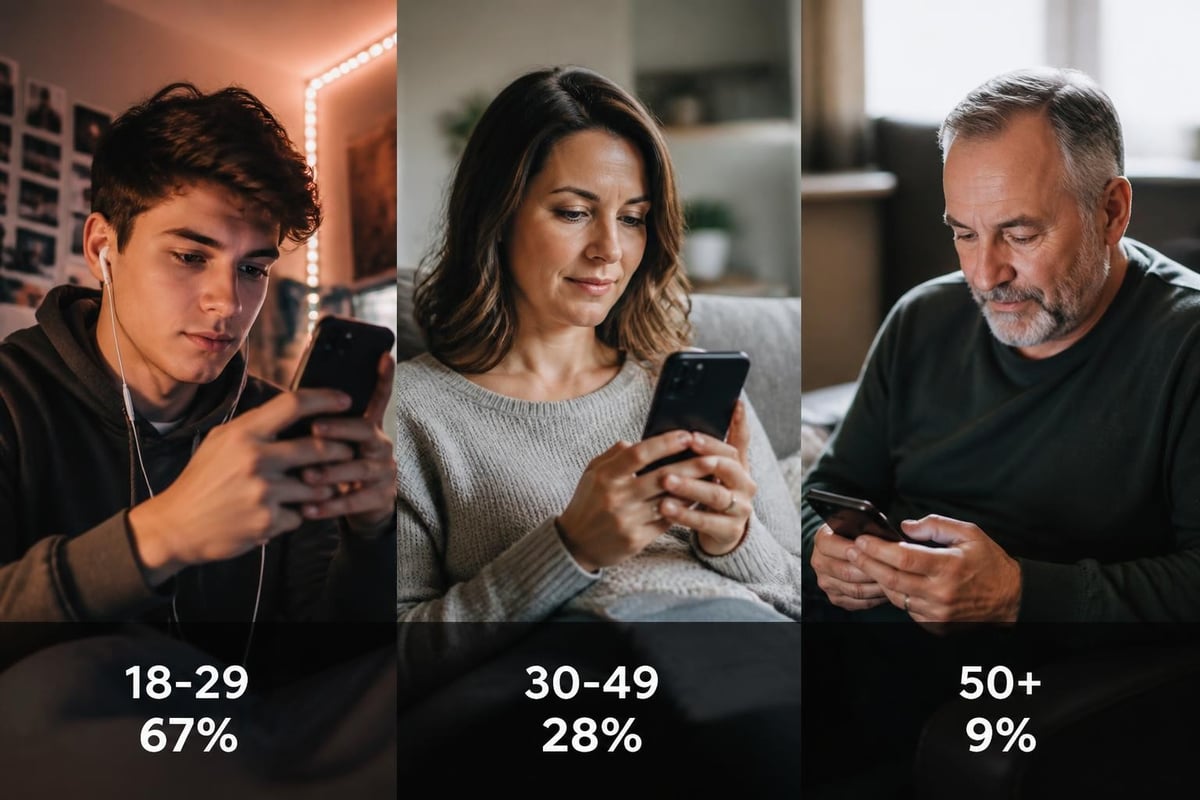
Campaign teams now employ dedicated TikTok content creators who understand the platform's algorithm, trending sounds, and visual language. These specialists craft messages that resonate authentically with younger audiences while maintaining campaign objectives. The results speak for themselves: viral TikTok moments now generate more engagement than traditional television advertisements among key demographics.
Presidential Campaigns Adapt to TikTok's Format
The 2024 election cycle demonstrated how presidential candidates could leverage TikTok's unique features to build momentum and connect with voters. Both major party candidates created accounts, posted regular content, and engaged directly with user comments. This marked a significant departure from the arm's-length approach politicians traditionally maintained with emerging platforms.
Key campaign strategies on TikTok include:
- Behind-the-scenes content showing candidates in informal settings
- Rapid response videos addressing breaking news or opponent claims
- User-generated content challenges encouraging supporter participation
- Strategic collaborations with popular TikTok creators and influencers
- Live streaming town halls and Q&A sessions formatted for mobile viewing
Analysis of the 2024 campaign strategies reveals how candidates adapted their messaging to fit TikTok's algorithm and user expectations. Rather than simply repurposing television ads, successful campaigns created native content that felt organic to the platform while advancing political objectives.
The Authenticity Paradox
TikTok's role in US politics creates an interesting paradox around authenticity. Users gravitate toward content that feels genuine and unscripted, yet presidential campaigns must carefully message every public communication. Successful political TikTok accounts navigate this tension by showing candidates in more casual contexts while maintaining strategic control over the narrative.
| Campaign Element | Traditional Media | TikTok Approach |
|---|---|---|
| Message Length | 30-60 second ads | 15-90 second videos |
| Production Value | High polish, studio quality | Authentic, mobile-friendly |
| Distribution | Purchased airtime | Organic reach + paid promotion |
| Engagement | Passive viewing | Comments, duets, stitches |
| Measurement | Nielsen ratings | Views, shares, completion rates |
This table illustrates the fundamental differences between traditional campaign media and TikTok strategies, highlighting why campaigns must develop platform-specific approaches rather than repurposing existing content.
Algorithmic Influence on Political Discourse
Perhaps the most consequential aspect of TikTok's role in US politics involves its recommendation algorithm. Unlike chronological feeds or friend-based networks, TikTok uses sophisticated machine learning to determine which content appears on each user's "For You" page. This algorithmic curation has profound implications for political messaging and voter information.
Research indicates that TikTok's algorithm may not maintain political neutrality. Studies examining content distribution patterns have found potential biases in how political videos are promoted or suppressed. These findings raise critical questions about platform responsibility, transparency, and the invisible hand shaping political discourse.
Echo Chambers and Political Polarization
The personalization that makes TikTok engaging also creates risks for democratic discourse. As users interact with political content, the algorithm learns their preferences and serves increasingly similar perspectives. This can create echo chambers where users rarely encounter opposing viewpoints or challenging information.
Potential consequences include:
- Reinforcement of existing political beliefs without exposure to counterarguments
- Increased partisan polarization as users consume one-sided content
- Reduced opportunity for productive political dialogue across ideological lines
- Amplification of extreme positions that generate high engagement
- Difficulty distinguishing between credible information and misinformation
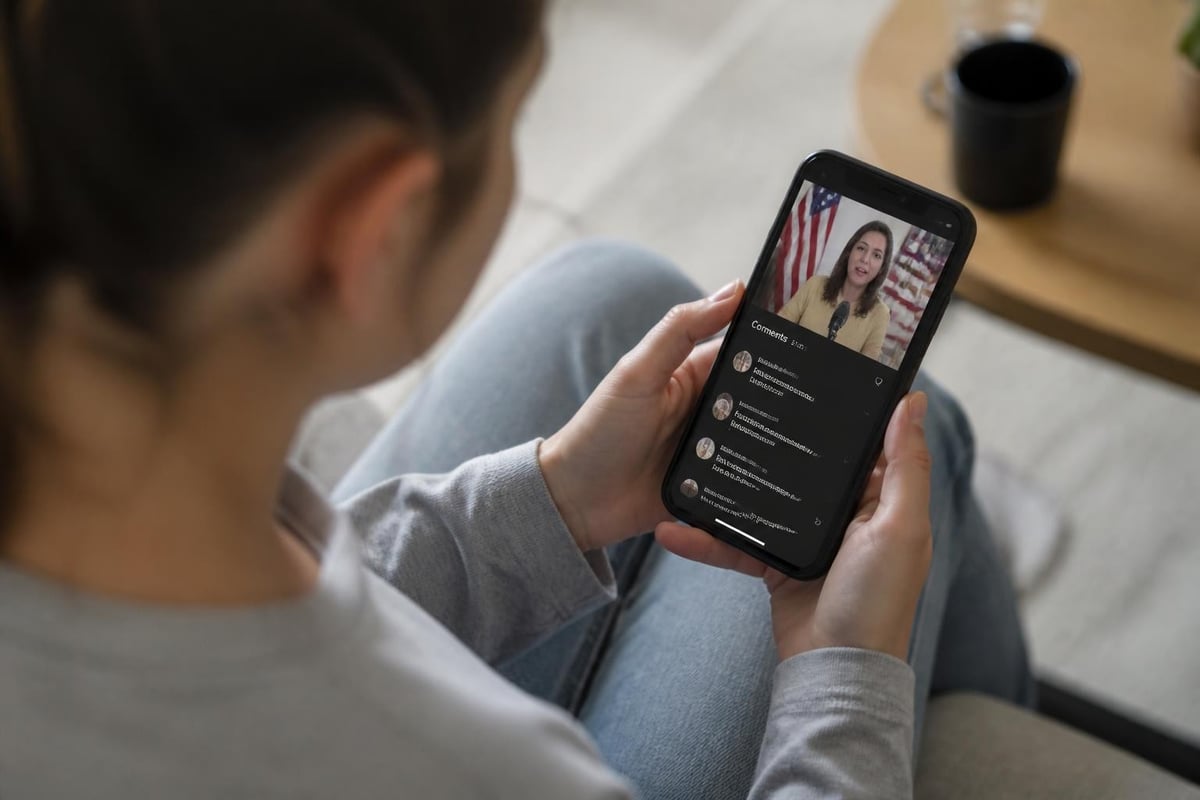
The platform's design rewards content that captures attention and drives engagement. In political contexts, this often means provocative claims, emotional appeals, and divisive messaging perform better than nuanced policy discussions. Understanding these dynamics is crucial for anyone analyzing TikTok's role in US politics.
National Security and Regulatory Debates
Beyond its impact on campaigns and voter engagement, TikTok's role in US politics extends to contentious debates about national security, data privacy, and foreign influence. The platform's Chinese ownership through ByteDance has sparked bipartisan concerns about potential data access by foreign governments and manipulation of content for geopolitical purposes.
Recent Supreme Court deliberations over legislation that could restrict or ban TikTok highlight the complex legal and political considerations at play. Lawmakers must balance legitimate security concerns against First Amendment protections, economic interests, and the political cost of restricting a platform beloved by millions of American voters.
Presidential Positions on TikTok Regulation
Presidential attitudes toward TikTok have evolved significantly over time. Early concerns about data security led to executive actions targeting the platform during previous administrations. However, as TikTok's political utility became apparent, some positions softened. This evolution reflects the tension between security imperatives and political pragmatism.
The regulatory debate surrounding TikTok encompasses several key issues:
- Data privacy: What information TikTok collects and who can access it
- Content moderation: Whether the platform suppresses certain political viewpoints
- Foreign influence: Potential for algorithm manipulation to advance foreign interests
- Economic impact: Jobs, advertising revenue, and creator economy considerations
- Free speech: Constitutional protections for users and content creators
These debates often intersect with broader political narratives about technology regulation, US-China relations, and the appropriate role of government in policing digital platforms. Presidential candidates must navigate these complex issues while maintaining relationships with TikTok's politically active user base.
Political Information and Misinformation Dynamics
TikTok's role in US politics includes serving as both a source of political information and a vector for misinformation. The platform's format presents unique challenges for fact-checking and information verification. Short videos can make compelling claims without providing context or evidence, and the rapid scroll nature of the feed limits critical evaluation.
Research examining campaign dynamics shows that political content on TikTok often prioritizes emotional impact over factual accuracy. While this isn't unique to TikTok, the platform's algorithm amplifies content that generates strong reactions, regardless of veracity.
Grassroots Organizing and Activism
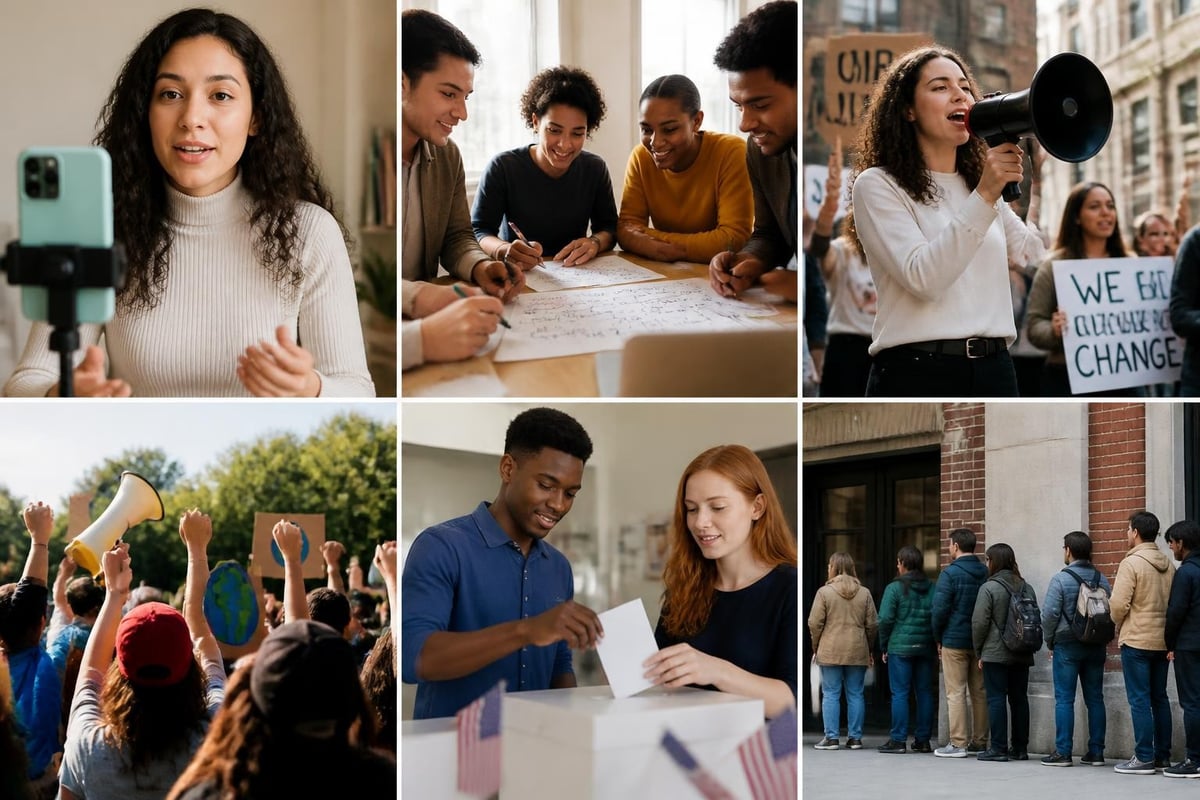
Despite concerns about misinformation, TikTok has also enabled effective grassroots political organizing. Social movements, issue advocacy groups, and voter registration campaigns have found success using the platform's viral potential to mobilize supporters. The low barrier to entry allows ordinary citizens to create politically influential content without traditional gatekeepers or significant resources.
| Organizing Activity | Effectiveness Rating | Key Success Factors |
|---|---|---|
| Voter registration drives | High | Simple clear CTAs, influencer partnerships |
| Issue awareness campaigns | Very High | Emotional storytelling, trending sounds |
| Protest coordination | Moderate | Real-time updates, location-specific targeting |
| Fundraising efforts | Moderate | Creator authenticity, donation link accessibility |
| Policy education | Low to Moderate | Simplified explanations, visual aids |
This organizing potential demonstrates that TikTok's role in US politics extends beyond presidential campaigns to include civic engagement at multiple levels. Understanding both the opportunities and limitations helps organizations maximize their political impact on the platform.
Cross-Generational Political Communication
One of TikTok's most significant contributions to American politics involves bridging generational divides in political communication. While younger users dominate the platform, older demographics increasingly join TikTok to understand youth perspectives and participate in political conversations. This creates opportunities for cross-generational dialogue that rarely occurs on other platforms.
Political figures who successfully navigate TikTok often do so by acknowledging the platform's youth-oriented culture while maintaining credibility with older voters who may see content shared across platforms. Viral moments from recent campaigns demonstrate how TikTok content spreads beyond the platform itself, influencing broader political narratives.
The Evolution of Political Messaging
TikTok's role in US politics has fundamentally altered how political messages are crafted and delivered. Traditional political communication emphasized controlled messaging, carefully vetted statements, and formal presentation styles. TikTok rewards spontaneity, humor, and relatability, forcing political communicators to adopt new approaches.
This evolution affects not just campaigns but also how voters discuss politics among themselves. Political commentary that might have occurred in private conversations or formal opinion pieces now happens through TikTok videos that blend personal perspective with political analysis. This democratization of political commentary creates a more diverse information ecosystem while also introducing new quality control challenges.
Impact on Presidential Communication Strategies
For sitting presidents and former presidents, TikTok presents both opportunities and challenges. The platform offers direct communication channels to millions of Americans, bypassing traditional media filters. However, presidential communication typically requires more formality and careful messaging than TikTok's casual culture typically rewards.
Some former presidents have embraced TikTok more enthusiastically than others, recognizing its value for maintaining political relevance and connecting with younger supporters. Coverage of presidential activities now frequently includes social media strategy as a significant component of political communication analysis.
Presidential TikTok content categories include:
- Policy announcements delivered in accessible formats
- Responses to current events and trending topics
- Historical education about past presidencies and decisions
- Humanizing content showing personal interests and activities
- Calls to action on specific issues or initiatives
The success of these efforts varies based on execution quality, audience receptiveness, and alignment with broader political objectives. Presidents must balance the desire for viral reach against the risk of appearing unpresidential or trivializing important issues.
Looking Forward: TikTok's Continuing Political Evolution
As we progress through 2026, TikTok's role in US politics continues evolving rapidly. The platform regularly updates its algorithm, introduces new features, and responds to regulatory pressures. Political actors must constantly adapt their strategies to remain effective while maintaining authentic connections with users.
Emerging trends suggest several directions for TikTok's political future. Increased integration of e-commerce features may enable direct fundraising within political videos. Enhanced live streaming capabilities could transform how candidates conduct virtual campaign events. Improved verification systems might help combat misinformation while maintaining the platform's accessible nature.
The relationship between TikTok and traditional political institutions will likely remain contentious. Political motivations behind regulatory positions often reflect complex calculations about voter sentiment, national security, and economic interests. Understanding these dynamics requires following both presidential policy developments and broader technological trends.
Preparing for the Next Election Cycle
Political professionals are already planning TikTok strategies for upcoming elections. Lessons learned from previous cycles inform new approaches to content creation, audience targeting, and engagement tactics. The platform's role in US politics will likely expand as more candidates recognize its necessity for competitive campaigns.
Successful future campaigns will need to:
- Build authentic presences months or years before election announcements
- Develop content strategies that balance entertainment value with substantive messaging
- Engage with user-generated content and trending conversations
- Monitor algorithm changes and adapt strategies accordingly
- Integrate TikTok efforts with broader digital and traditional campaign components
These requirements represent significant investments of time, resources, and strategic thinking, underscoring how central TikTok has become to modern American politics.
TikTok's role in US politics reflects the ongoing transformation of democratic engagement in the digital age, creating new opportunities for political communication while raising important questions about information quality, algorithmic influence, and platform accountability. For readers seeking comprehensive, non-partisan coverage of how presidents navigate these evolving digital landscapes and their impact on American governance, U.S. Presidential Report provides in-depth analysis of presidential activities, campaign strategies, and policy developments. Stay informed about the intersection of technology and presidential politics by exploring our latest coverage and expert insights.