The political censorship debate in America has reached unprecedented intensity in 2026, as concerns about free expression collide with efforts to combat misinformation and regulate online platforms. This complex issue touches every aspect of political discourse, from presidential communications to everyday social media interactions. Understanding the nuances of this debate is essential for anyone following U.S. presidential news and the evolution of democratic institutions. The question of where to draw the line between protecting public discourse and preventing harmful speech remains one of the most contentious issues facing policymakers, technology companies, and citizens alike.
The Historical Context of Political Speech Regulation
American political speech has always occupied a protected position under the First Amendment, yet the boundaries of that protection have continuously evolved. The Founding Fathers established free speech protections to prevent government overreach, recognizing that political discourse forms the foundation of democratic governance. Throughout U.S. history, various attempts to regulate political speech have tested these constitutional limits.
The modern political censorship debate in America draws parallels to earlier controversies, including the Sedition Act of 1798 and the Red Scare era restrictions. Each generation has grappled with balancing national security, public safety, and free expression. What distinguishes the current debate is the unprecedented role of digital platforms in shaping political conversations.
The Digital Transformation of Political Discourse
Social media platforms have fundamentally changed how Americans engage with political content. These private companies now serve as the primary venues for political debate, creating complex questions about their responsibility to moderate content. The platforms argue they must remove harmful misinformation, while critics contend such actions constitute political censorship.
Key factors driving the current debate include:
- The spread of election-related misinformation
- Coordination between government agencies and tech platforms
- Allegations of political bias in content moderation
- International pressure to regulate online speech
- Growing concerns about surveillance and data privacy
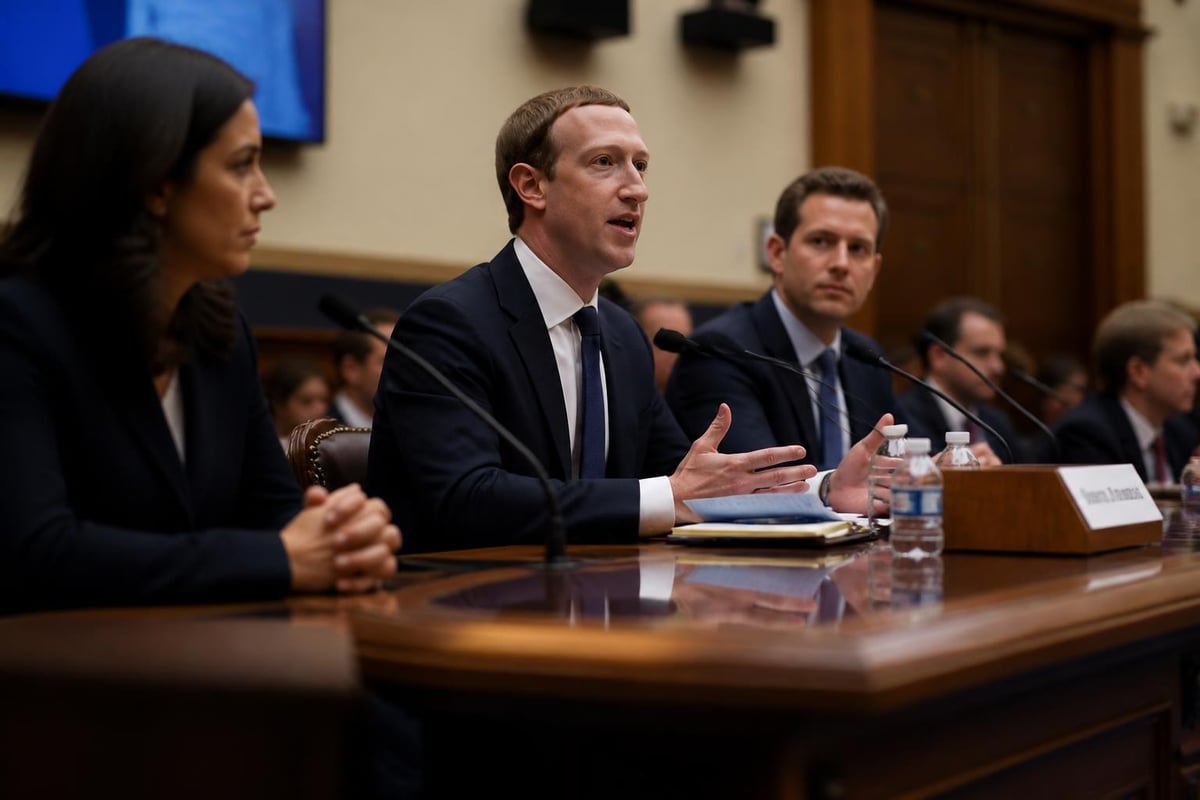
The problem with censoring political speech online extends beyond individual cases to affect the overall health of democratic discourse. When platforms remove content from political figures, including presidents and presidential candidates, they exercise significant influence over public debate.
Government Pressure and Jawboning Tactics
One of the most significant dimensions of the political censorship debate in America involves government officials pressuring private companies to restrict speech. This practice, known as "jawboning," raises serious constitutional concerns. When government actors use their authority to coerce private entities into suppressing speech, they may violate the First Amendment's prohibition on government censorship.
Research on jawboning against speech reveals how officials from various administrations have contacted social media companies to flag content they consider problematic. These interactions range from formal requests to informal suggestions, creating a gray area where the line between persuasion and coercion becomes blurred.
Presidential Communications and Platform Policies
Presidential statements have become focal points in censorship debates. When platforms label, restrict, or remove content from sitting or former presidents, they make editorial decisions with far-reaching political implications. The U.S. Presidential Report has covered numerous instances where presidential communications faced content moderation, highlighting the tension between platform policies and political speech protections.
| Platform Action | Constitutional Concern | Political Impact |
|---|---|---|
| Content removal | Indirect government censorship | Limits political reach |
| Warning labels | Editorial interference | Shapes public perception |
| Account suspension | Access to public forum | Silences elected officials |
| Algorithmic suppression | Hidden censorship | Reduces visibility |
The debate intensifies when considering that these platforms have become essential for political communication. Presidential candidates, sitting presidents, and former presidents all rely on social media to reach voters directly, bypassing traditional media filters.
The Spiral of Silence and Self-Censorship
Beyond explicit content moderation, the political censorship debate in America encompasses subtler forms of speech restriction. Research on censorship and the spiral of silence demonstrates that Americans increasingly self-censor their political opinions due to fear of social or professional repercussions.
This phenomenon affects political discourse in ways that formal censorship cannot. When citizens believe expressing certain views will result in negative consequences, they withdraw from public conversations. The cumulative effect creates echo chambers where only certain perspectives receive amplification.
Toxic Discourse and Chilling Effects
Studies examining how toxic behavior leads to self-censorship reveal that hostile online environments discourage participation from those with minority viewpoints. This dynamic particularly affects political discussions related to presidential policies and governance issues.
Consequences of self-censorship include:
- Reduced diversity of viewpoints in public forums
- Inaccurate polling and public opinion measurement
- Decreased civic engagement and political participation
- Creation of false consensus around controversial issues
- Erosion of trust in democratic institutions
The chilling effect extends beyond individual social media users to journalists, academics, and commentators who fear professional repercussions for expressing unpopular political positions. This creates a feedback loop where the boundaries of acceptable discourse continuously narrow.

Regulatory Proposals and the Fairness Doctrine Revival
Policymakers across the political spectrum have proposed various regulatory frameworks to address concerns about political bias and censorship on digital platforms. Some advocate for treating social media companies as common carriers or public utilities, while others propose content neutrality requirements similar to the defunct Fairness Doctrine.
The push to regulate social media under fairness principles raises questions about whether such measures would reduce censorship or simply shift control from private companies to government agencies. Critics argue that government-mandated content policies could create more severe restrictions on political speech than currently exist.
Legislative Approaches and Presidential Positions
Different presidential administrations have taken varying stances on platform regulation. Some presidents have called for repealing Section 230 protections, which shield platforms from liability for user-generated content. Others have emphasized antitrust enforcement or algorithmic transparency requirements.
The political censorship debate in America reflects broader disagreements about the proper role of government in mediating private speech platforms. Conservative critics often argue that platforms suppress right-leaning content, while progressive voices contend that insufficient moderation allows dangerous misinformation to spread.
Competing regulatory philosophies include:
- Free market approaches relying on competition and user choice
- Transparency mandates requiring disclosure of moderation practices
- Content neutrality rules prohibiting viewpoint-based decisions
- Enhanced liability for platforms that moderate content
- Public utility frameworks treating platforms as essential services
International Comparisons and Surveillance Concerns
The United States faces unique challenges in the political censorship debate in America due to its strong constitutional free speech protections. Other democracies have adopted more restrictive approaches to online speech, including laws criminalizing certain political expressions or requiring platforms to rapidly remove flagged content.
Research on regional surveillance and censorship battlegrounds reveals how different jurisdictions create "censorship chokepoints" that affect information flow across borders. For Americans, this raises concerns about whether international regulatory trends could influence domestic platform policies.
Presidential Foreign Policy and Speech Standards
Presidential foreign policy decisions increasingly intersect with questions about speech regulation and censorship. When U.S. platforms operate globally, they must navigate conflicting legal requirements. This creates situations where content permitted under American free speech principles faces restriction in other markets, potentially affecting how platforms develop their policies.
Following top U.S. president news reveals how international agreements and diplomatic relationships influence domestic debates about acceptable speech standards. Presidential statements on human rights and internet freedom sometimes contrast with domestic platform practices.
Technology and Detection Tools
Advanced technologies are reshaping the political censorship debate in America by enabling more sophisticated content analysis and moderation. Artificial intelligence systems can now identify political speech patterns, detect potential misinformation, and flag content for review at unprecedented scale.
Development of political text classifiers demonstrates how machine learning tools can analyze political discourse with increasing accuracy. While these technologies offer potential benefits for studying political communication, they also raise concerns about automated censorship and bias in algorithmic decision-making.
Algorithmic Amplification and Suppression
The algorithms that determine content visibility on social media platforms exercise significant influence over political discourse. These systems can amplify certain messages while suppressing others, creating de facto editorial control without explicit censorship. The opacity of these algorithmic processes makes it difficult to assess whether political bias affects content distribution.
| Technology Type | Censorship Application | Transparency Issue |
|---|---|---|
| Content classifiers | Automated flagging | Unknown training data |
| Sentiment analysis | Toxicity detection | Subjective definitions |
| Network analysis | Coordinated behavior detection | False positives |
| Fact-checking AI | Misinformation labeling | Source selection bias |
Presidential campaigns and administrations increasingly scrutinize these algorithmic systems, recognizing their power to shape electoral outcomes and public opinion. The political censorship debate in America now encompasses not just what content is removed, but what content receives algorithmic promotion.
The Role of Fact-Checking and Misinformation Labels
Fact-checking initiatives represent another dimension of the political censorship debate in America. While proponents argue that labeling false claims protects democratic discourse, critics contend that such systems amount to editorial control over political speech. The question of who determines factual accuracy carries significant political implications.
When platforms apply warning labels to presidential statements or campaign claims, they make judgments that can affect electoral outcomes. The recent free speech debate surrounding government crackdown on critics illustrates how enforcement actions against alleged misinformation can raise First Amendment concerns.
Challenges in fact-checking political speech:
- Determining objective truth in contested policy debates
- Addressing differences between factual errors and opinion
- Maintaining consistency across political viewpoints
- Balancing speed with accuracy in rapidly evolving situations
- Managing conflicts of interest in fact-checker selection
The intersection of fact-checking and political censorship becomes particularly sensitive during presidential elections, when claims about candidates, policies, and voting processes receive intense scrutiny. Platforms face pressure from all sides to either remove more content or restrict fact-checking efforts.
Free Speech Rights and Platform Responsibilities
The fundamental tension in the political censorship debate in America stems from competing understandings of free speech in the digital age. The First Amendment protects against government censorship but does not prevent private companies from moderating content on their platforms. This distinction becomes problematic when government officials pressure platforms to restrict speech or when platforms effectively control access to the modern public square.
Courts have begun addressing these issues, with varying results. Some rulings emphasize platform editorial discretion as its own form of protected speech, while others recognize the quasi-governmental role these platforms play in facilitating public discourse. The legal landscape remains unsettled as cases work through the judicial system.
Presidential Perspectives on Platform Liability
Different presidential administrations have proposed conflicting approaches to platform accountability. Some argue that Section 230 protections should only apply to truly neutral platforms that refrain from content moderation beyond illegal material. Others contend that platforms need liability protections precisely because they actively moderate harmful content.
These competing visions reflect broader disagreements about the nature of online speech platforms and their obligations to users. The U.S. Presidential Report blog provides ongoing coverage of how presidential positions on these issues evolve and affect policy development.
Impact on Democratic Participation
The political censorship debate in America ultimately concerns the health of democratic institutions and processes. When citizens cannot freely express political opinions without fear of suppression or retaliation, the marketplace of ideas essential to self-governance suffers. When platforms remove content from political figures, they potentially interfere with voters' access to information necessary for informed decision-making.
Research indicates that perceptions of censorship, whether accurate or not, affect political engagement and trust in institutions. Americans who believe their viewpoints face suppression may withdraw from civic participation or seek alternative platforms with less content moderation. This fragmentation of political discourse creates challenges for building democratic consensus.
Democratic participation concerns include:
- Reduced exposure to diverse political viewpoints
- Difficulty distinguishing legitimate moderation from censorship
- Erosion of shared information spaces for political debate
- Increased polarization as users migrate to echo chambers
- Declining trust in both platforms and government institutions
The role of presidential leadership in navigating these challenges remains critical. How presidents approach questions of speech regulation, platform accountability, and digital rights shapes both policy development and public attitudes toward these contentious issues.
Future Trajectories and Unresolved Questions
As the political censorship debate in America continues into 2026 and beyond, several unresolved questions will shape its evolution. Will courts develop clearer standards for when platform content moderation constitutes state action? Can technological solutions enable greater speech protection while addressing genuine harms? Will international regulatory approaches influence American practices?
The answers to these questions will affect not just social media platforms, but the fundamental character of American political discourse. Presidential elections, policy debates, and civic engagement all depend on maintaining robust protections for political speech while preventing the spread of genuinely harmful content.
The tension between these competing goals ensures that the political censorship debate in America will remain a central concern for policymakers, platforms, citizens, and anyone following presidential politics. As new technologies emerge and political dynamics shift, the specific manifestations of this debate will evolve, but its core questions about free expression in a democratic society will endure.
The political censorship debate in America encompasses fundamental questions about free speech, government power, and democratic participation that will continue shaping political discourse for years to come. For comprehensive, non-partisan coverage of how current and former presidents navigate these complex issues, U.S. Presidential Report delivers the balanced analysis you need to stay informed about this critical aspect of American governance and the ongoing evolution of political communication in the digital age.