Economic conditions have consistently ranked among the most powerful predictors of electoral success in American politics. Among economic factors, inflation stands out as particularly influential because it directly affects every household's purchasing power and daily financial decisions. When voters experience rising prices at the grocery store, gas pump, and in their monthly bills, they often hold the sitting president and their party accountable. Understanding how inflation impacts presidential elections requires examining both historical patterns and the psychological mechanisms that connect economic pain to political choices.
The Historical Connection Between Inflation and Electoral Outcomes
Presidential elections throughout American history demonstrate a clear pattern: high inflation correlates with incumbent party losses. The 1980 election provides perhaps the most striking example, when double-digit inflation helped Ronald Reagan defeat Jimmy Carter. Voters frustrated by rising prices and economic stagnation delivered a decisive verdict against the incumbent administration.
Similarly, the 1976 election saw Gerald Ford struggle against perceptions of economic mismanagement during a period of elevated inflation. Though Ford had not served a full term, voters associated him with the economic policies of the Nixon-Ford years.
Measuring Inflation's Electoral Impact
Political scientists have developed sophisticated models to quantify economic voting. Research on inflation and incumbent support demonstrates that voters respond more strongly to price increases than to other economic indicators like unemployment or GDP growth. This asymmetry matters because inflation creates visible, frequent reminders of economic conditions every time consumers make purchases.
The relationship between inflation rates and vote share follows predictable patterns:
| Inflation Rate | Typical Incumbent Party Vote Loss |
|---|---|
| 0-2% annually | Minimal impact |
| 2-4% annually | 1-2 percentage points |
| 4-6% annually | 3-4 percentage points |
| Above 6% annually | 5+ percentage points |
These estimates vary based on other economic conditions, but the directional relationship remains consistent across election cycles.
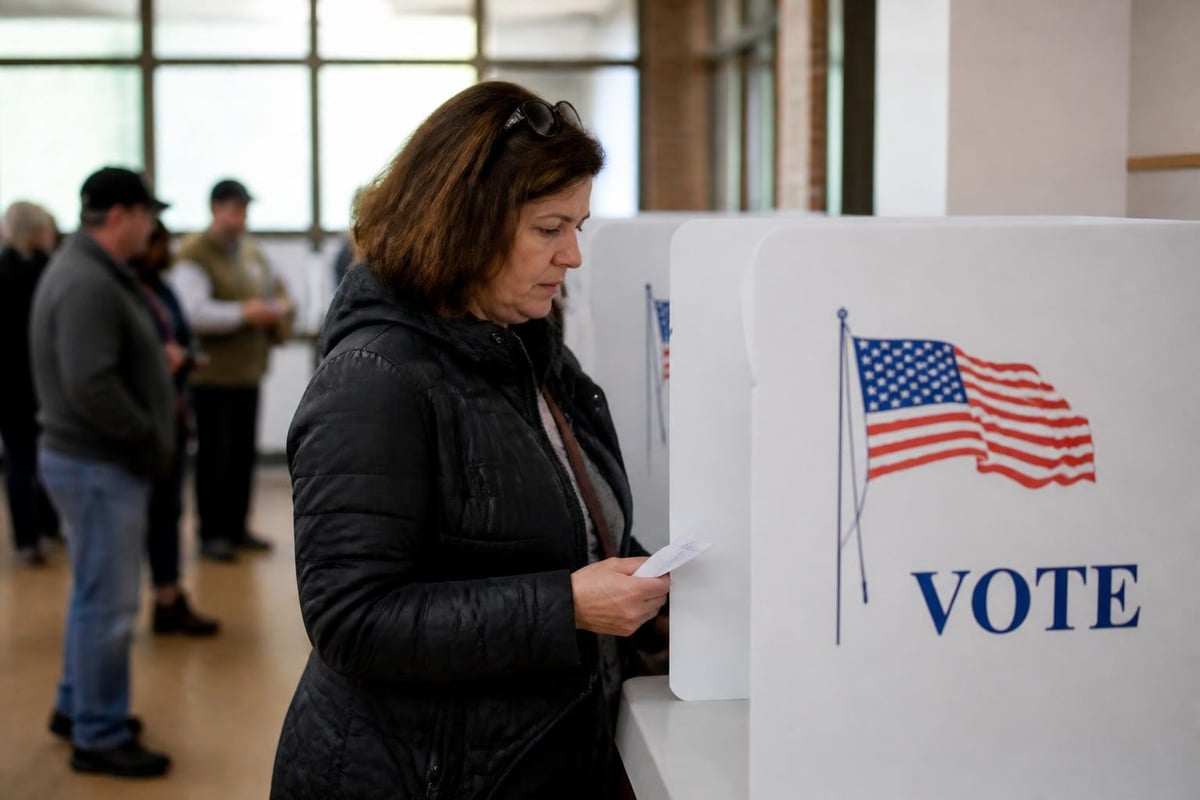
Why Inflation Influences Voters More Than Other Economic Indicators
Several psychological and practical factors explain why inflation impacts presidential elections with particular force. First, inflation affects everyone simultaneously, unlike unemployment which directly impacts a smaller percentage of the population. A voter with a secure job still experiences inflation every day through higher prices.
Visibility and frequency create constant reminders of economic conditions. Voters encounter price information multiple times weekly when shopping, filling gas tanks, or paying bills. This repeated exposure reinforces perceptions of economic decline or improvement.
Retrospective voting theory suggests that voters evaluate incumbent performance based on recent economic experiences. When household budgets stretch thinner due to inflation, voters attribute this pain to current leadership regardless of underlying causes. The complexity of monetary policy and global economic forces matters less than the simple question: "Am I better off than I was four years ago?"
Perception Versus Reality
Voters' inflation perceptions often diverge from official statistics. Consumer inflation expectations vary significantly across different measurement approaches, creating challenges for campaigns trying to communicate economic achievements.
A president might point to declining inflation rates, but if prices remain elevated compared to previous years, voters still feel financially squeezed. The rate of change matters less to households than absolute price levels for essential goods.
Partisan Differences in Economic Perception
How inflation impacts presidential elections varies significantly by partisan affiliation. Supporters of the incumbent party consistently rate economic conditions more favorably than opposition party members, even when facing identical price increases. This partisan gap has widened in recent election cycles as political polarization intensifies.
According to detailed findings on voter priorities, inflation ranks among the top issues for both parties, but the emphasis and proposed solutions differ sharply. Republicans typically emphasize government spending as an inflation driver, while Democrats focus on corporate pricing power and supply chain disruptions.
Key partisan differences include:
- Trust in different economic messengers and experts
- Attribution of blame for price increases
- Preferred policy responses (fiscal restraint versus market regulation)
- Weighting of inflation against other priorities like healthcare or climate policy
Despite these differences, swing voters and independents tend to react most strongly to economic conditions, making them crucial targets for campaigns during inflationary periods.
Presidential Communication Strategies During Inflationary Periods
Incumbent presidents facing high inflation must navigate treacherous political terrain. Acknowledging economic pain risks appearing ineffective, while dismissing voter concerns breeds resentment and accusations of being out of touch.
Successful Response Patterns
Presidents who successfully manage inflation's political fallout typically employ several strategies:
- Acknowledge struggles while emphasizing progress and comparative advantages
- Attribute blame to external factors (pandemic, war, global supply chains) while highlighting responsive actions
- Highlight targeted relief through tax credits, subsidies, or direct payments
- Emphasize forward-looking solutions rather than dwelling on current difficulties
The Federal Reserve plays a central role in inflation management, but monetary policy decisions operate independently of presidential control. This creates political complications when Fed rate increases slow the economy while fighting inflation.
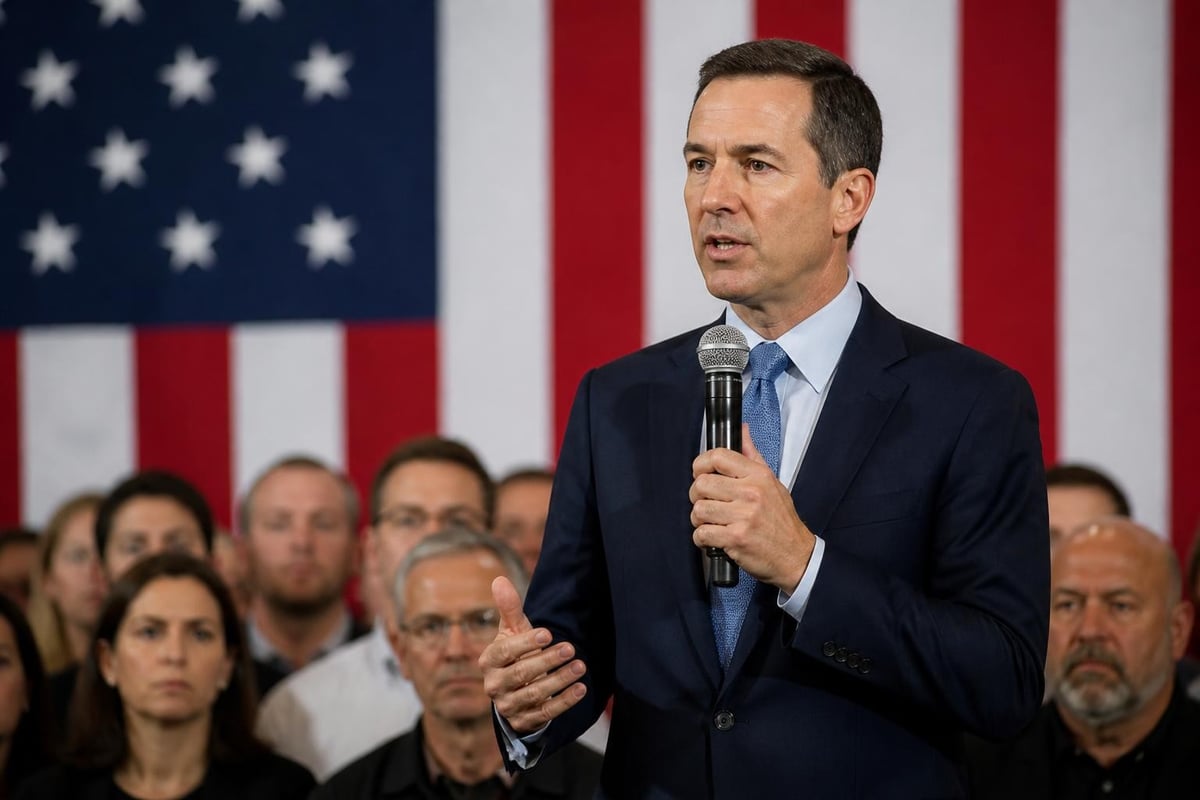
The Challenger's Advantage During Inflation
Opposition candidates benefit from inflation without needing detailed policy alternatives. The economic discomfort itself becomes the campaign message, requiring less specificity about solutions. This asymmetry explains why how inflation impacts presidential elections often favors challengers over incumbents.
Successful challenger campaigns during inflationary periods share common elements:
- Constant repetition of price increase examples (gas, groceries, housing)
- Personal stories from struggling families and small businesses
- Simple causation narratives linking current policies to price increases
- Future-oriented messaging promising relief and competent management
Challengers can criticize without bearing responsibility for policy tradeoffs. They need not explain how to reduce inflation without triggering recession or how to balance competing economic priorities.
| Incumbent Challenges | Challenger Advantages |
|---|---|
| Must defend policy record | Can critique without responsibility |
| Limited tools to quickly reduce prices | No need for immediate solutions |
| Fed independence constrains options | Can promise aggressive action |
| Complex causation difficult to explain | Simple narratives resonate |
Demographic Variations in Inflation's Political Impact
Different voter groups experience and respond to inflation in distinct ways, creating opportunities for targeted messaging and coalition-building. Lower-income households typically spend higher percentages of income on essentials like food and energy, making them more vulnerable to price increases in these categories.
Senior citizens react particularly strongly to inflation due to fixed incomes and higher healthcare spending. Social Security cost-of-living adjustments lag actual price increases, creating financial pressure that translates into electoral consequences.
Suburban voters often prioritize economic stability and demonstrate swing behavior based on financial conditions. Their mortgage payments, education costs, and family budgets make them sensitive to purchasing power changes.
Young voters face distinct inflationary pressures through student debt, entry-level wages, and housing affordability. Rising rents and home prices particularly affect this demographic's economic outlook and political engagement.
Understanding these demographic patterns helps explain why inflation doesn't impact all electoral constituencies equally, allowing campaigns to tailor economic messaging by region and voter profile. Coverage of these dynamics appears regularly in U.S. Presidential Report’s election analysis.
Recent Presidential Elections and Inflation Dynamics
The 2020 and 2024 election cycles demonstrate evolving inflation politics. The 2020 contest occurred during relatively low inflation, with pandemic response dominating economic discussions. By 2024, however, post-pandemic inflation had become central to campaign narratives.
President Biden faced sustained criticism over rising prices despite strong employment numbers and wage growth. The disconnect between macroeconomic indicators and household sentiment illustrated how inflation impacts presidential elections through perceived rather than statistical realities.
Lessons from Recent Cycles
- Timing matters significantly – inflation's political impact peaks when prices rise rapidly, diminishing somewhat as increases slow even if absolute levels remain elevated
- Geographic variation creates electoral college complications as housing and energy costs affect swing states differently
- Media coverage amplifies economic concerns, with inflation stories generating sustained news cycles
- Social media enables rapid spread of price comparison content, making economic conditions more visible
The economic impact of presidential policies receives continuous analysis as voters evaluate administrative performance against their financial realities.

Inflation Expectations and Forward-Looking Voting
Voter decisions reflect not only current inflation but also expectations about future price trends. If voters believe inflation will worsen under the incumbent or improve under a challenger, these projections influence electoral choices independently of present conditions.
Understanding inflation drivers helps campaigns craft narratives about future economic trajectories. Presidents seeking re-election must convince voters that inflation has peaked and relief approaches, while challengers argue that only leadership change can restore price stability.
Campaign strategies around expectations include:
- Highlighting declining inflation rates as evidence of successful policies
- Projecting credibility through specific, detailed economic plans
- Using expert endorsements to validate economic competence claims
- Warning about opposition policies that might trigger renewed inflation
The interplay between current conditions and future expectations creates complex campaign dynamics where messaging must address both retrospective judgments and prospective promises.
Electoral College Implications of Regional Inflation Variations
How inflation impacts presidential elections extends beyond national popular vote considerations to Electoral College mathematics. Different states experience varying inflation rates based on local economic conditions, housing markets, and energy costs.
Swing states with manufacturing bases may prioritize different inflation components than service-economy states. Energy-producing regions view fuel prices differently than states dependent on imported energy. These variations require geographically tailored campaign strategies.
Housing inflation particularly affects Electoral College outcomes in states like Arizona, Nevada, and Georgia, where rapid population growth strains housing supply. Voters in these markets experience acute affordability challenges that shape presidential preferences.
Presidential election coverage tracks these regional variations and their potential electoral consequences across battleground states.
The Role of Media Coverage in Amplifying Inflation's Political Impact
News media attention to inflation creates feedback loops that magnify its electoral significance. When networks lead with inflation stories, voter awareness and concern intensify, regardless of whether individual households experience severe financial strain.
Media dynamics include:
- Negativity bias favoring coverage of economic problems over improvements
- Comparative framing highlighting price increases from previous years
- Expert disagreement creating confusion about inflation causes and solutions
- Political spin from both parties shaping coverage narratives
Presidential campaigns must navigate this media environment while attempting to frame inflation discussions favorably. Opposition parties gain coverage by criticizing economic conditions, while incumbents struggle to generate positive economic news that overcomes inflation concerns.
Research from MIT’s Election Data and Science Lab demonstrates correlations between media coverage intensity and voter issue prioritization, showing how sustained inflation reporting elevates its electoral salience.
Long-Term Political Consequences Beyond Single Elections
Inflationary periods reshape political coalitions and party positioning that persists beyond individual election cycles. The 1970s inflation crisis helped establish Republican identity around fiscal conservatism and Democratic vulnerability on economic management that influenced decades of subsequent elections.
Current inflation episodes may similarly realign voter coalitions based on economic experiences and policy responses. Young voters experiencing their first serious inflation may develop lasting political attitudes shaped by this formative economic event.
Potential long-term effects include:
- Generational shifts in economic policy preferences
- Changed voter trust in institutions like the Federal Reserve
- Realignment of business community political support
- Evolution of party platforms on spending and monetary policy
These downstream consequences mean how inflation impacts presidential elections extends beyond immediate vote tallies to fundamental shifts in American political competition.
Understanding how economic conditions shape political outcomes remains essential for anyone following U.S. presidential politics and policy. The relationship between household budgets and ballot box decisions creates accountability mechanisms that define democratic governance.
Inflation's impact on presidential elections reflects voters' fundamental tendency to hold leaders accountable for economic conditions that affect daily life. Whether this accountability mechanism operates fairly given the complexity of inflation causation remains debatable, but its political power persists across election cycles. For comprehensive, non-partisan coverage of how economic issues shape presidential politics and election outcomes, U.S. Presidential Report provides in-depth analysis of the forces driving American governance and electoral competition.