The relationship between independent journalism and elections has never been more critical to American democracy. As voters navigate an increasingly complex media landscape filled with partisan outlets, sponsored content, and social media echo chambers, the need for nonpartisan, fact-based election reporting continues to grow. Independent journalists and news organizations play an essential role in providing the accurate, unbiased information citizens need to make informed decisions at the ballot box. Understanding how independent journalism operates during election cycles helps readers identify credible sources and appreciate the vital watchdog function these reporters serve.
The Foundation of Independent Election Reporting
Independent journalism and elections intersect at the fundamental level of democratic accountability. Unlike media outlets owned by large corporations or political entities, independent news organizations operate without external pressures that might compromise their reporting integrity. This independence allows journalists to investigate candidates, scrutinize policy positions, and fact-check claims without fear of advertiser backlash or ownership interference.
The financial model supporting independent journalism varies considerably across organizations. Some outlets rely on nonprofit funding, while others use membership programs, small-donor contributions, or foundation grants. This diversified funding approach helps maintain editorial independence during election seasons when political pressures intensify.
Key characteristics of independent election journalism include:
- Editorial decisions made by journalists rather than corporate executives
- Transparent funding sources disclosed to readers
- Commitment to factual accuracy over partisan narratives
- Investigation of all candidates regardless of political affiliation
- Correction policies that acknowledge and fix errors promptly
Building Trust Through Nonpartisan Coverage
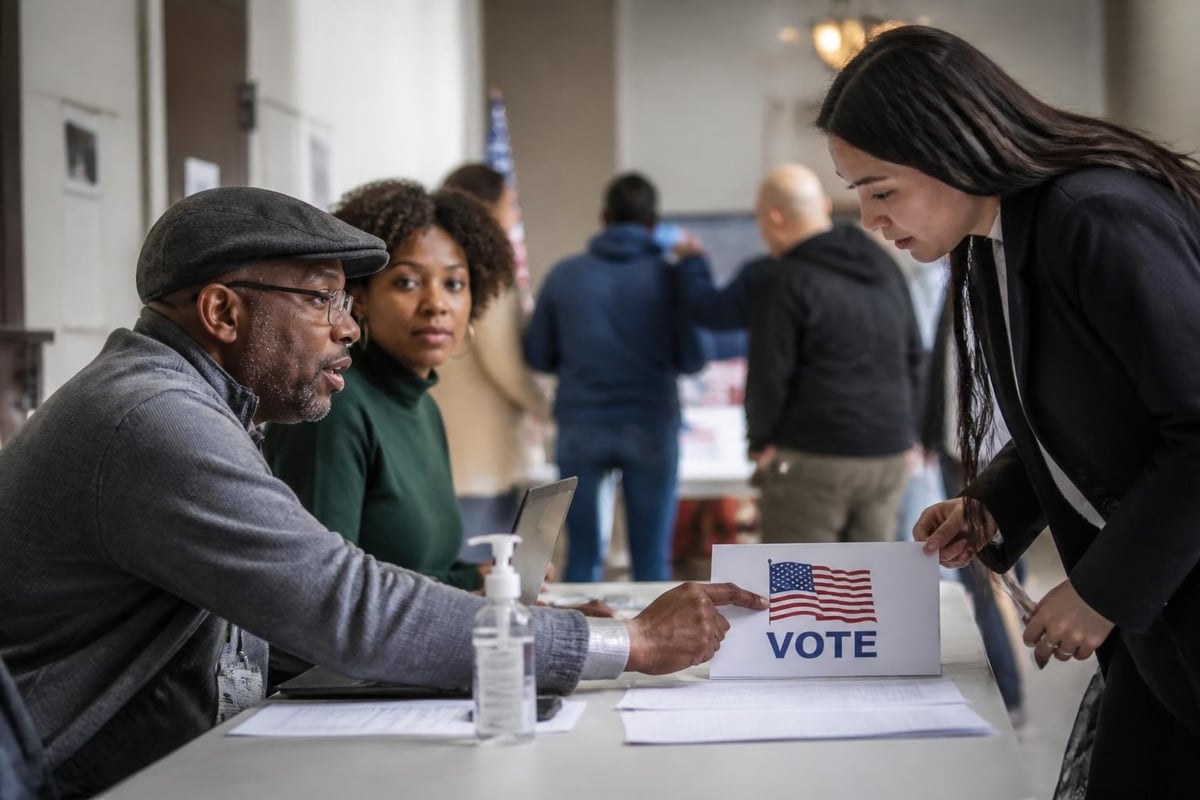
Maintaining nonpartisan standards requires constant vigilance and clear editorial guidelines. Independent journalists covering elections establish credibility by applying the same rigorous standards to all candidates and parties. This balanced approach differs markedly from partisan outlets that selectively report information favoring particular ideological positions.
Organizations like Election Desk demonstrate how independent platforms can provide clear, nonpartisan coverage of election rules, outcomes, and accountability. Their explainer-focused approach helps voters understand complex electoral processes without advocating for specific candidates or parties.
The Associated Press’s longstanding commitment to delivering accurate election results since 1848 showcases how independent news organizations build institutional trust over generations. This historical perspective matters because consistent, reliable performance during elections reinforces public confidence in democratic processes.
Investigative Reporting During Campaign Seasons
Campaign cycles create unique opportunities and challenges for independent journalism and elections coverage. Candidates make countless claims, promises, and accusations that require verification. Independent journalists serve as essential fact-checkers, investigating campaign finance, policy proposals, candidate backgrounds, and attack advertisements.
Research Methods and Verification Standards
Professional independent journalists employ systematic research methods to verify campaign claims:
- Document review of public records, financial disclosures, and legislative voting histories
- Expert consultation with nonpartisan policy analysts and academic researchers
- Original reporting through interviews with multiple sources representing diverse perspectives
- Data analysis of polling, demographic trends, and historical election patterns
- Cross-reference verification comparing claims against established facts and primary sources
These methodological standards separate professional independent journalism from opinion-based commentary or advocacy. The distinction matters enormously during election seasons when voters need reliable information to evaluate candidates.
| Reporting Type | Primary Goal | Verification Standard | Editorial Independence |
|---|---|---|---|
| Independent News | Inform voters with facts | Multiple source confirmation | No partisan affiliation |
| Partisan Media | Advance political agenda | Selective fact presentation | Aligned with party/ideology |
| Advocacy Journalism | Promote specific causes | Facts supporting position | Mission-driven bias |
| Opinion Commentary | Express viewpoints | Personal interpretation | Individual perspective |
The Rise of Solo Independent Journalists
The media landscape has witnessed remarkable growth in individual reporters building independent platforms. The impact of independent journalists like Marisa Kabas, who broke significant news from her Brooklyn apartment, illustrates how solo reporters increasingly influence election coverage. These journalists often focus on underreported stories or communities overlooked by traditional media outlets.
Solo independent journalists bring several advantages to election reporting. Their smaller operations allow quick pivots to developing stories without bureaucratic approval processes. Many develop deep expertise in specific communities, policy areas, or political beats that larger organizations cannot sustain.

Challenges Facing Independent Election Reporters
Financial sustainability remains the primary challenge for independent journalism and elections coverage. Campaign seasons generate heightened reader interest, but maintaining operations during off-cycle periods requires stable funding models. Many independent journalists struggle with:
- Limited resources for travel to multiple campaign events
- Inability to match the staff size of major news organizations
- Difficulty accessing candidates who prioritize large media outlets
- Burnout from covering multiple stories without institutional support
- Competition with well-funded partisan media for audience attention
Despite these obstacles, independent journalists continue finding innovative approaches to election coverage. Collaboration networks allow reporters to share resources, coordinate coverage of major events, and cross-publish investigations that benefit multiple outlets.
Local Election Coverage and Community Impact
While national presidential races attract intense media attention, local and state elections often receive inadequate coverage from major news outlets. Independent journalism fills this critical gap by providing detailed reporting on mayoral contests, state legislative races, school board elections, and ballot initiatives that directly impact community life.
Organizations like Mission Local demonstrate how independent news sites can provide high-impact reporting on local governance, corruption, and policy issues. This neighborhood-focused approach to independent journalism and elections ensures voters receive information about races that major media organizations might ignore.
Benefits of local independent election journalism:
- Detailed candidate profiles beyond surface-level biographies
- Investigation of local campaign finance and donor influence
- Coverage of candidate forums and community debates
- Analysis of how state and local policies affect residents
- Accountability reporting on elected officials seeking reelection
The connection between local independent journalism and presidential elections also matters significantly. Understanding how candidates perform in primary states, their local policy records, and grassroots campaign organization requires reporters embedded in communities rather than parachuting in from national outlets. Platforms like U.S. Presidential Report aggregate this coverage to provide comprehensive perspectives on presidential candidates.
Fact-Checking and Misinformation Mitigation
The proliferation of false information during election cycles makes fact-checking a cornerstone of independent journalism and elections coverage. Independent journalists approach fact-checking systematically, evaluating claims from all political perspectives using consistent standards.
Effective Fact-Checking Protocols
Professional fact-checkers follow structured processes that separate opinion from verifiable facts:
- Identify specific factual claims made by candidates or campaigns
- Research the claim using authoritative primary sources
- Consult subject matter experts for context and analysis
- Assign accuracy ratings based on evidence
- Publish findings with transparent sourcing
- Update articles as new information emerges
This methodical approach helps readers distinguish between legitimate policy disagreements and objectively false statements. During the 2026 election cycle, independent fact-checkers play particularly important roles in debunking viral misinformation spreading through social media platforms.
| Misinformation Type | Election Impact | Independent Journalism Response |
|---|---|---|
| False voting procedures | Reduced turnout, confusion | Publish accurate voting guides |
| Fabricated candidate quotes | Distorted public perception | Verify all quotes with original sources |
| Manipulated statistics | Misleading policy debates | Provide context and accurate data |
| Deepfake videos | Undermined candidate credibility | Digital forensics and verification |
Nonpartisan Analysis and Context
Beyond reporting discrete facts, independent journalism and elections coverage includes analytical work that helps voters understand complex policy positions, political strategies, and potential governance implications. This analysis differs from partisan commentary by maintaining objectivity and presenting multiple perspectives.
Platforms like Independent Voter News focus specifically on nonpartisan coverage of election rules, primary systems, and ballot access issues. This institutional focus helps voters understand how electoral systems function beyond individual candidate races.
Explaining Electoral Systems and Processes
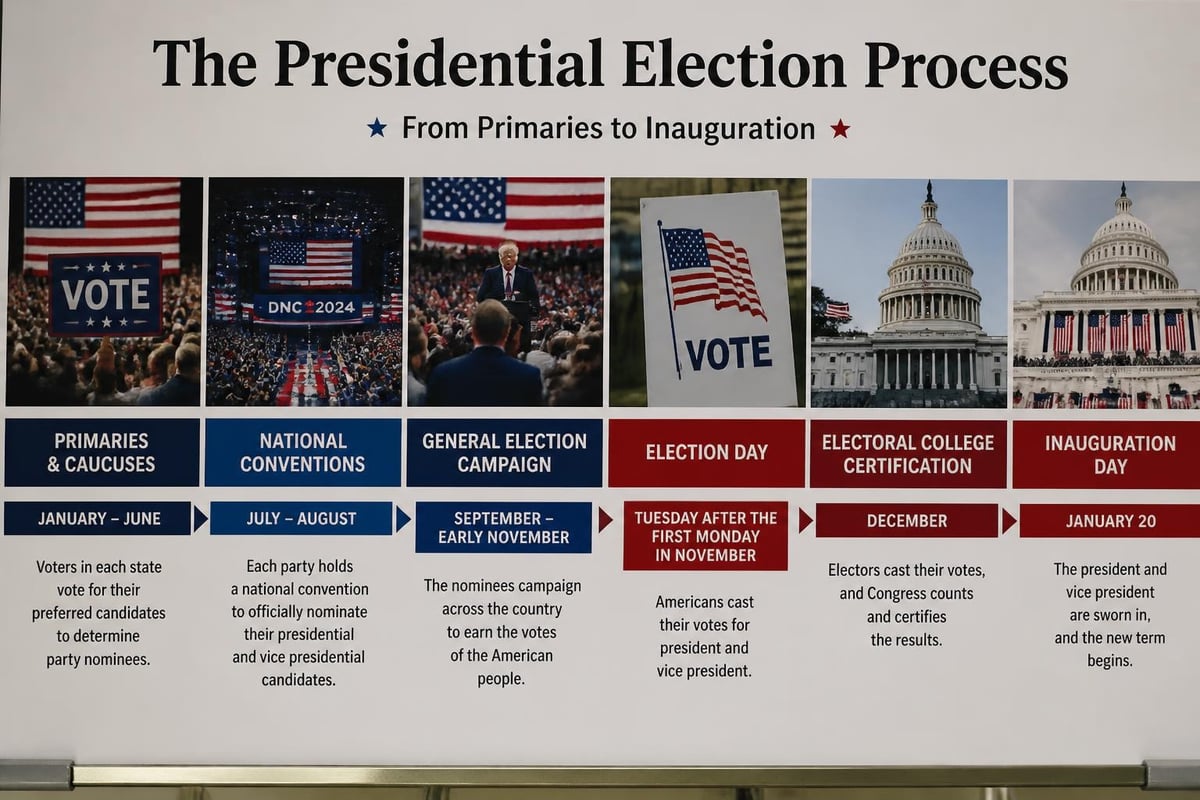
Many voters lack detailed understanding of electoral processes, delegate allocation, primary scheduling, and campaign finance regulations. Independent journalists provide essential civic education by explaining:
- How presidential primaries allocate delegates in each state
- Differences between caucus and primary voting systems
- Electoral College mechanics and historical controversies
- Campaign finance laws and disclosure requirements
- Ballot access requirements for third-party candidates
- Recount procedures and election certification processes
This explanatory journalism serves democracy by creating informed citizens capable of participating effectively in electoral processes. The complexity of American elections requires patient, thorough reporting that partisan outlets often sacrifice for advocacy messaging.
Digital Tools and Data Journalism
Modern independent journalism and elections coverage increasingly relies on sophisticated data analysis and digital tools. Independent reporters use publicly available datasets to investigate campaign finance patterns, demographic voting trends, and policy impact projections.
Organizations like Truthout combine traditional reporting with data-driven investigations to hold powerful institutions accountable. This methodological diversity strengthens election coverage by providing evidence-based reporting alongside narrative journalism.
Essential digital tools for independent election journalists:
- Campaign finance databases tracking donations and expenditures
- Voter registration data revealing demographic trends
- Polling aggregators synthesizing multiple surveys
- Legislative tracking systems monitoring policy positions
- Social media monitoring platforms identifying emerging narratives
- Geographic information systems mapping electoral patterns
These technological capabilities allow independent journalists to compete with larger news organizations despite limited resources. A single reporter with strong data analysis skills can produce investigations that previously required teams of researchers.
International Perspectives on Election Independence
While American independent journalism and elections coverage operates within specific constitutional and cultural contexts, international examples provide valuable perspectives. The Independent Journalism Center in Moldova demonstrates how independent media promotes press freedom and democratic participation in challenging political environments.
Comparative analysis reveals common challenges facing independent election journalists globally: government pressure, economic instability, digital misinformation, and audience polarization. These shared obstacles also inspire collaborative solutions, including cross-border investigations, shared technology platforms, and mutual support networks.
Audience Engagement and Reader Support
The relationship between independent journalism and elections extends beyond one-directional information delivery. Successful independent outlets cultivate engaged communities that contribute story ideas, provide local expertise, and financially support coverage through memberships or donations.
This reader-supported model creates accountability mechanisms different from advertising-based journalism. When readers directly fund election coverage, journalists answer to citizen interests rather than corporate advertisers or political parties. The model also encourages transparency about editorial decisions, funding sources, and reporting methodologies.
Building Sustainable Reader Relationships
Independent news organizations employ several strategies to maintain reader engagement during and between election cycles:
- Regular newsletters providing behind-the-scenes reporting insights
- Community events and candidate forums increasing local connections
- Transparent explanations of how reader contributions fund specific coverage
- Interactive tools allowing readers to explore election data independently
- Responsive corrections and reader feedback mechanisms
Staying informed about presidential matters requires reliable, nonpartisan sources dedicated to factual accuracy. Resources like the top US president news for 2026 help readers track major developments without partisan filtering.
Ethical Standards and Professional Integrity
Professional ethics form the foundation of credible independent journalism and elections coverage. Leading independent journalists adhere to established codes requiring accuracy, fairness, independence, and accountability. These standards prevent conflicts of interest and ensure editorial decisions serve public interest rather than private agendas.
Transparency about potential conflicts represents a critical ethical practice. Independent journalists disclose personal political activities, financial interests in companies affected by election outcomes, and relationships with sources that might compromise objectivity. This radical transparency builds trust with audiences skeptical of media motives.
| Ethical Principle | Election Application | Reader Benefit |
|---|---|---|
| Accuracy | Verify all candidate claims | Trustworthy information for voting decisions |
| Independence | No partisan affiliations | Balanced coverage of all candidates |
| Accountability | Publish corrections promptly | Reliable news source over time |
| Fairness | Equal scrutiny of all parties | Complete picture of electoral choices |
| Transparency | Disclose funding sources | Understanding potential biases |
The Future of Independent Election Journalism
The trajectory of independent journalism and elections coverage continues evolving as technology, economics, and politics shift. Emerging trends include increased collaboration among independent outlets, sophisticated audience analytics informing coverage decisions, and innovative funding models combining multiple revenue streams.
Younger audiences particularly value independent journalism, showing willingness to financially support outlets aligned with their information needs. This generational shift suggests sustainable futures for independent election coverage despite ongoing challenges from declining advertising revenue and social media platform changes.
The blog section of nonpartisan news sites demonstrates how independent platforms adapt to reader preferences while maintaining editorial standards. Mixing long-form investigations with quick analysis pieces helps independent journalists serve diverse audience needs during fast-moving election cycles.
Independent journalism and elections remain inseparable elements of functioning democracy, providing voters with the accurate, nonpartisan information necessary for informed civic participation. As the 2026 election cycle progresses, identifying credible independent sources becomes increasingly important for understanding candidates, policies, and electoral processes without partisan distortion. U.S. Presidential Report delivers exactly this type of nonpartisan, fact-based coverage of presidential elections, domestic policy, foreign affairs, and governance matters, helping readers stay informed about current and past U.S. Presidents through reliable, independent reporting.