Understanding how US presidential elections really work requires examining a complex system that combines popular voting, state-level contests, and constitutional procedures developed over more than two centuries. While Americans cast ballots every four years, the actual mechanics of electing a president involve multiple stages, legal frameworks, and institutional players that many voters never fully grasp. This comprehensive guide explains each phase of the presidential election process, from candidate emergence through inauguration day.
The Constitutional Framework Behind Presidential Elections
The United States Constitution establishes the foundation for how US presidential elections really work through Article II and subsequent amendments. The framers created an indirect election system that balances popular sovereignty with federalist principles, giving states significant authority over electoral procedures.
The constitutional and legal frameworks governing U.S. elections specify that presidents serve four-year terms and can be elected to no more than two terms, as established by the 22nd Amendment. The Constitution originally left many election details to state discretion, creating variations in voting procedures across the country.
Candidate Eligibility Requirements
Presidential candidates must meet three constitutional requirements:
- Must be a natural-born citizen of the United States
- Must be at least 35 years old
- Must have been a U.S. resident for at least 14 years
These basic qualifications allow a wide range of Americans to seek the presidency, though practical political considerations typically narrow the field to individuals with substantial political experience, financial resources, or both.
Primary Elections and Caucuses: The Nomination Process
The nomination phase represents the first major stage in understanding how US presidential elections really work. Political parties select their presidential candidates through state-level primaries and caucuses held between February and June of election years.
Primary elections function like regular elections where registered voters cast secret ballots for their preferred candidate. States may hold closed primaries (only registered party members vote), open primaries (any registered voter participates), or semi-closed variations. The U.S. presidential election process varies significantly by state, creating a patchwork of different rules and procedures.
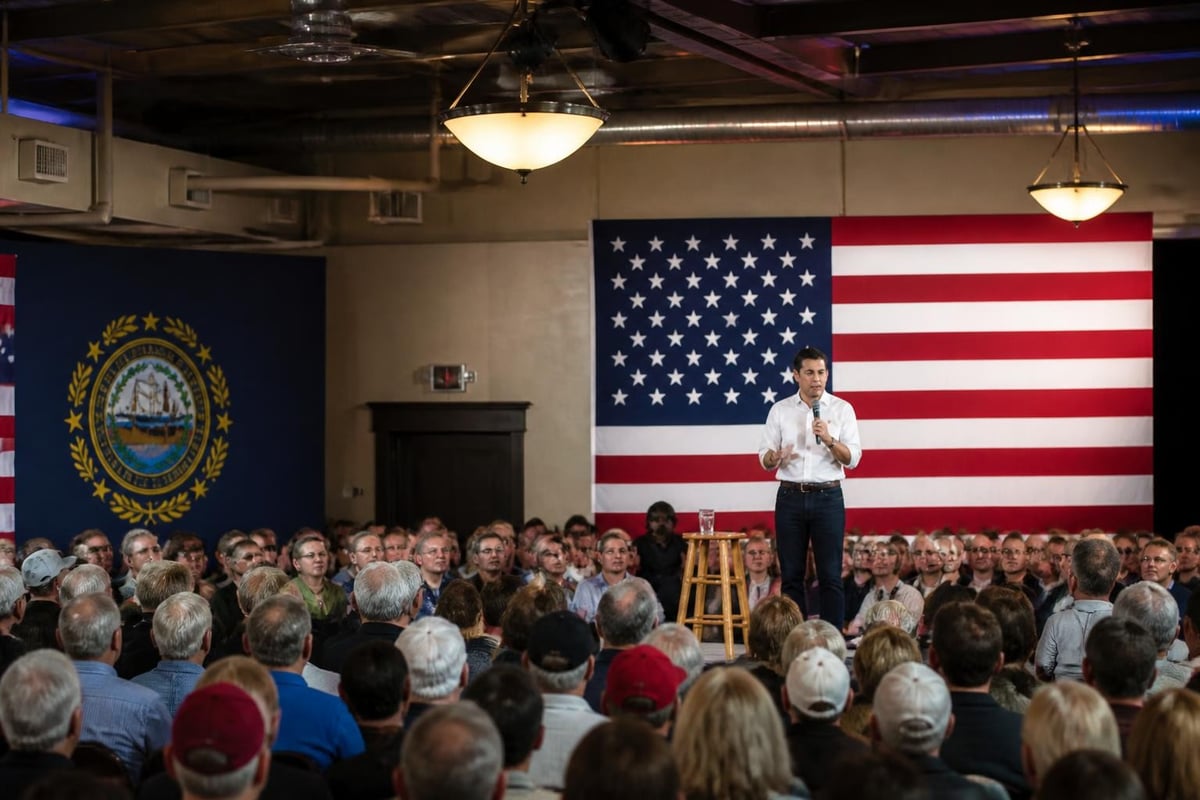
Caucuses involve local party meetings where voters gather, discuss candidates, and physically group themselves by preference. This public process takes more time and effort than standard voting, typically resulting in lower participation rates. Iowa traditionally holds the first caucus, while New Hampshire conducts the first primary, giving these states outsized influence despite their small populations.
Delegate Allocation and Convention Nominations
Primary and caucus results determine how states allocate delegates to the national party conventions. Democrats and Republicans use different allocation formulas:
| Party | Allocation Method | Threshold |
|---|---|---|
| Democratic | Proportional | 15% minimum |
| Republican | Varies by state | State-determined |
| Both | Bonus delegates | For winning states |
The national conventions, held in summer, formally nominate each party's presidential candidate. Though conventions once involved genuine deliberation and multiple ballots, modern conventions primarily serve as televised celebrations where the outcome is predetermined by primary results. Candidates also announce their vice presidential running mates during this period, completing the ticket voters will see in November.
The General Election Campaign
Following the conventions, presidential campaigns enter the general election phase, which runs from late summer through early November. This period showcases how US presidential elections really work at the national level, with candidates focusing resources on competitive swing states rather than pursuing every vote equally.
Campaign strategy centers on the Electoral College system rather than the national popular vote. Candidates concentrate their advertising spending, rallies, and ground operations in states where polling shows close contests. Meanwhile, safely Democratic or Republican states receive minimal attention.
Campaign Finance Regulations
The Federal Election Commission oversees public funding of presidential elections and enforces contribution limits. Presidential candidates can accept public financing for primary and general election campaigns, though most major candidates now decline public funds to avoid spending restrictions.
Individual donors can contribute up to $3,300 per candidate per election in 2026. Political action committees, super PACs, and party committees operate under different rules, creating multiple channels for campaign funding. Total spending in competitive presidential races often exceeds $1 billion per candidate when including outside groups.
The Electoral College System
The Electoral College represents the most distinctive and frequently misunderstood aspect of how US presidential elections really work. Rather than directly electing the president, American voters choose electors who then cast the official votes for president.
Each state receives electoral votes equal to its total congressional representation: House members plus two senators. This system currently allocates 538 total electoral votes, requiring 270 to win the presidency. The Electoral College system and federal role ensures that less populous states retain meaningful influence in presidential contests.
State-by-State Winner-Take-All Rules
Forty-eight states use winner-take-all systems where the candidate winning the most popular votes claims all of that state's electoral votes. Maine and Nebraska instead award two electoral votes to the statewide winner and one electoral vote to the winner of each congressional district.
This winner-take-all approach creates scenarios where candidates can win the presidency while losing the national popular vote, as occurred in 2000 and 2016. The system incentivizes candidates to build geographically diverse coalitions rather than simply maximizing vote totals in friendly regions.
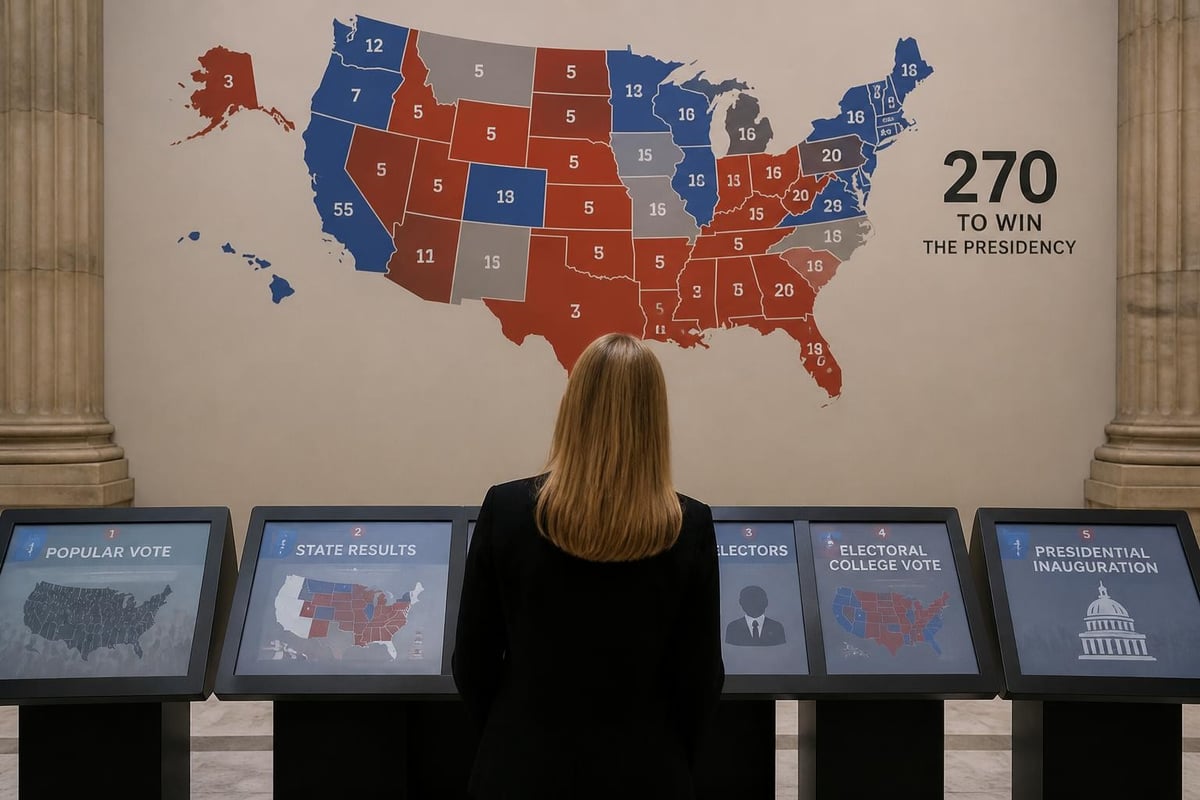
Election Day Procedures and Vote Counting
Election Day occurs on the Tuesday following the first Monday in November, though early voting and mail-in ballots mean many Americans cast votes weeks earlier. Understanding how US presidential elections really work on Election Day requires recognizing that states control most voting procedures.
States determine:
- Voting equipment and ballot design
- Polling place locations and hours
- Early voting and mail-in ballot rules
- Voter identification requirements
- Provisional ballot procedures
The voting procedures and candidate selection process varies substantially across jurisdictions, reflecting America's decentralized election administration. County and municipal officials typically manage the actual voting operations under state law frameworks.
Vote Certification and the Safe Harbor Deadline
After Election Day, states begin canvassing and certifying results. Each state faces a "safe harbor" deadline in early December by which certified results receive protection from congressional challenge. This deadline creates time pressure for recounts, legal challenges, and administrative processes.
State executive officials, typically governors or secretaries of state, certify the official results and transmit them to Congress. This certification identifies the slate of electors who will cast the official Electoral College votes.
The Electoral College Vote and Congressional Certification
Electors meet in their respective state capitals on the first Tuesday after the second Wednesday in December to cast their official votes. Though electors are generally expected to vote for their party's candidate, some states allow "faithless electors" who vote differently, though this rarely affects outcomes.
The electoral process and vote certification culminates when Congress meets in joint session on January 6 to count electoral votes. The vice president, serving as Senate president, presides over this ceremonial proceeding.
Congressional Role in Disputed Elections
If no candidate receives 270 electoral votes, the House of Representatives elects the president through a contingent election process. Each state delegation receives one vote, requiring a majority of states (26) to elect a president. The Senate separately elects the vice president if no candidate achieves a majority.
Congress can also object to electoral votes from specific states, though such objections require written support from both a House member and a senator. Both chambers then debate the objection separately, and both must vote to sustain it for electoral votes to be rejected-a high bar that protects state election results from partisan interference.
| Stage | Date | Key Players |
|---|---|---|
| Electors Vote | First Tuesday after second Wednesday in December | State electors |
| Congress Counts | January 6 | House, Senate, Vice President |
| Inauguration | January 20 | President-elect, Chief Justice |
State and Local Election Administration
While national attention focuses on the presidency, thousands of state and local officials actually implement elections. County clerks, election boards, and precinct workers manage the logistics that determine how US presidential elections really work in practice.
These officials handle voter registration databases, train poll workers, maintain voting equipment, design ballots that include presidential and down-ballot races, and process absentee and early votes. Their decisions about polling place locations, equipment allocation, and staffing levels directly affect voter access and experience.
Recent elections have highlighted how administrative choices impact participation. Long lines in some jurisdictions result from insufficient polling places or voting machines, while robust early voting in other states provides flexible options. The broader context for understanding presidential elections includes these state and local variations in election administration.
Campaign Dynamics and Swing States
Presidential campaigns dedicate enormous resources to understanding how US presidential elections really work in competitive states. Modern campaigns employ data scientists, pollsters, and field organizers to identify persuadable voters and maximize turnout among supporters.
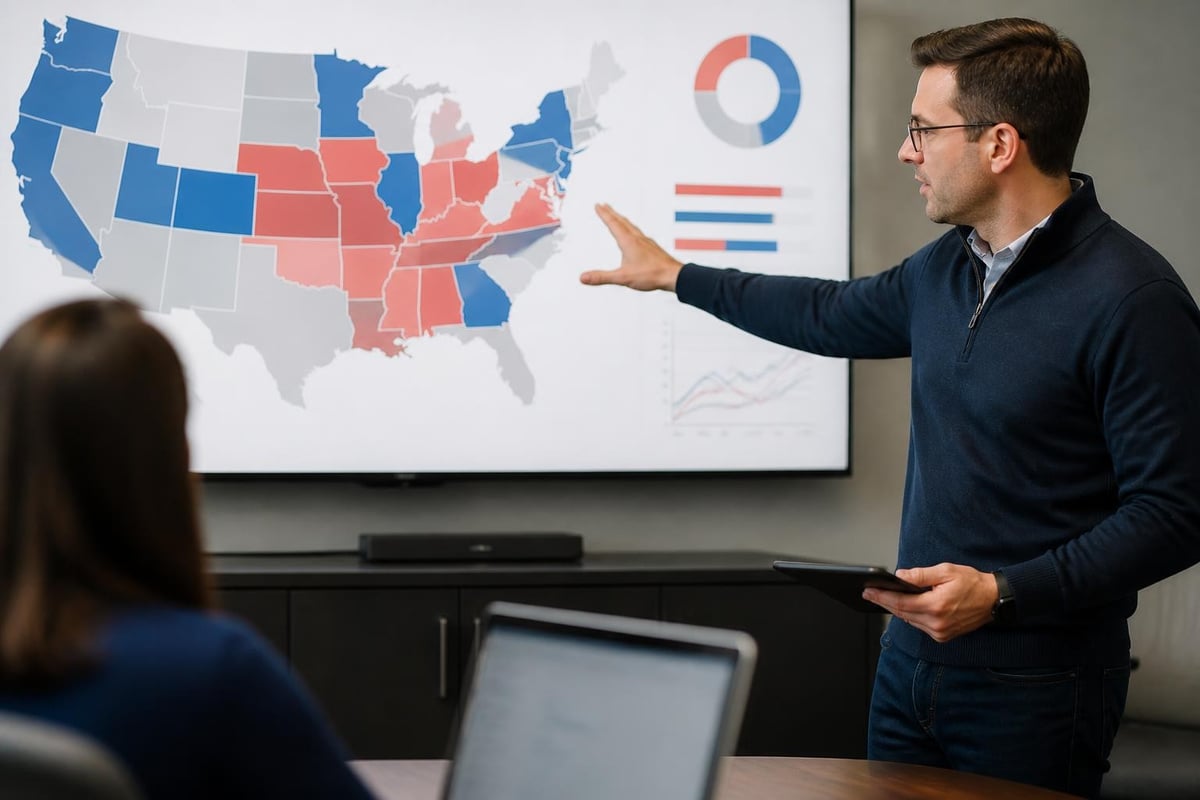
Battleground states change over time as demographics and political preferences shift. States like Virginia and Colorado, once reliably Republican, became competitive and then Democratic-leaning in recent cycles. Meanwhile, traditionally Democratic states in the industrial Midwest have become more competitive.
This geographic evolution affects campaign strategy and policy emphasis. Candidates craft messages and policy proposals that resonate in swing states, potentially overlooking issues important to voters in non-competitive regions. The system rewards coalition-building across diverse states rather than maximizing support in any single region.
Media Coverage and Debate Impact
Presidential debates, typically held in September and October, provide crucial opportunities for candidates to reach persuadable voters. The nonpartisan Commission on Presidential Debates has traditionally organized these events, though its role has faced challenges in recent cycles.
Media coverage shapes public perception of candidates and campaigns, with journalists serving as interpreters and fact-checkers. Readers seeking comprehensive presidential coverage can explore detailed analysis at U.S. Presidential Report for ongoing updates about campaign developments and policy positions.
The Transition Period and Inauguration
After the election results become clear, typically on Election Night or shortly thereafter, the president-elect begins transition planning. The formal transition period runs from the November election through the January 20 inauguration, when the new president takes the oath of office.
During this period, the incoming administration vets cabinet nominees, develops policy priorities, and prepares to assume executive responsibilities. The outgoing administration traditionally cooperates to ensure continuity of government operations, particularly regarding national security and crisis response capabilities.
Understanding how US presidential elections really work includes recognizing that the transition represents a vulnerable period when institutional knowledge transfers and new officials prepare to govern. Effective transitions require cooperation between outgoing and incoming teams despite potential political differences.
Legal Challenges and Election Disputes
Election disputes occasionally arise when margins are narrow or procedural questions emerge. State courts typically handle challenges first, applying state election law to resolve ballot counting questions, recount procedures, or eligibility disputes.
Federal courts may also intervene when constitutional questions arise or state procedures allegedly violate federal law. The Supreme Court has shaped presidential elections through decisions on recounts, ballot access, and campaign finance, demonstrating the judiciary's significant role in electoral processes.
The political landscape continues evolving as issues of democracy and electoral integrity receive increased attention from voters, candidates, and media outlets covering presidential race developments.
Voter Participation and Turnout Patterns
Turnout in presidential elections typically exceeds participation in midterm congressional elections, reflecting the heightened attention and perceived stakes of presidential contests. Recent presidential elections have seen turnout rates between 60-67% of eligible voters, though rates vary substantially by state and demographic group.
Factors affecting turnout include:
- Voter registration requirements and deadlines
- Early voting and mail-in ballot availability
- Polling place accessibility and wait times
- Voter identification laws
- Campaign mobilization efforts
- Perceived competitiveness of the race
Higher turnout generally benefits candidates who successfully mobilize their base supporters while also appealing to occasional voters who participate only in presidential elections. Understanding how US presidential elections really work requires recognizing that the electorate composition changes between high-turnout and low-turnout cycles.
The Role of Political Parties
Political parties provide essential infrastructure for presidential campaigns despite not being mentioned in the Constitution. National party committees raise funds, organize conventions, and coordinate general election efforts. State and local party organizations recruit volunteers, register voters, and provide ground support.
The Democratic and Republican parties dominate presidential politics due to institutional advantages, including automatic ballot access, debate participation thresholds, and public financing eligibility. Third parties face substantial barriers, though independent or third-party candidates occasionally influence outcomes by affecting vote margins in competitive states.
Party platforms, adopted at national conventions, outline policy positions on issues ranging from economy and tax policy to health care and foreign relations. These platforms guide campaign messaging and signal priorities to voters, though candidates maintain flexibility to emphasize particular issues or diverge from platform language.
Understanding the complete presidential election process-from primaries through inauguration-reveals a system far more complex than simply counting votes on Election Day. For readers seeking ongoing, non-partisan coverage of presidential elections, policy developments, and historical context, U.S. Presidential Report provides comprehensive analysis and up-to-date information about both current campaigns and past administrations. Stay informed about the leaders who shape American governance and the electoral processes that determine who reaches the Oval Office.