Determining the most powerful U.S. presidents requires examining more than popularity or electoral success. Presidential power manifests through crisis leadership, legislative achievements, executive authority expansion, and lasting impact on American governance. Historians and political scientists have developed sophisticated methodologies to evaluate presidential effectiveness, considering factors like wartime leadership, economic management, constitutional interpretation, and the ability to shape national policy. These rankings provide valuable insights into how executive power has evolved throughout American history and which leaders maximized their influence during critical moments.
Understanding Presidential Power Metrics
Presidential power extends far beyond constitutional authority. The most effective presidents understood how to leverage formal powers while building informal influence through public persuasion, coalition building, and strategic political maneuvering.
Key Evaluation Criteria
Historians assess presidential power through multiple dimensions that reveal leadership effectiveness. Crisis management stands as perhaps the most crucial test, as national emergencies demand decisive action and strategic vision. Presidents who successfully navigated wars, economic depressions, or constitutional crises typically rank among the most powerful.
Legislative achievement measures a president's ability to advance policy agendas through Congress. This requires political skill, negotiation ability, and the capacity to build coalitions across party lines. Presidents who transformed American society through landmark legislation demonstrate exceptional power projection.
The expansion of executive authority represents another critical metric. Some presidents redefined the office's scope, establishing precedents that permanently altered the balance of power between branches. These institutional changes often outlasted their administrations, cementing their influence on future governance.
Top-Tier Presidents in Power Rankings
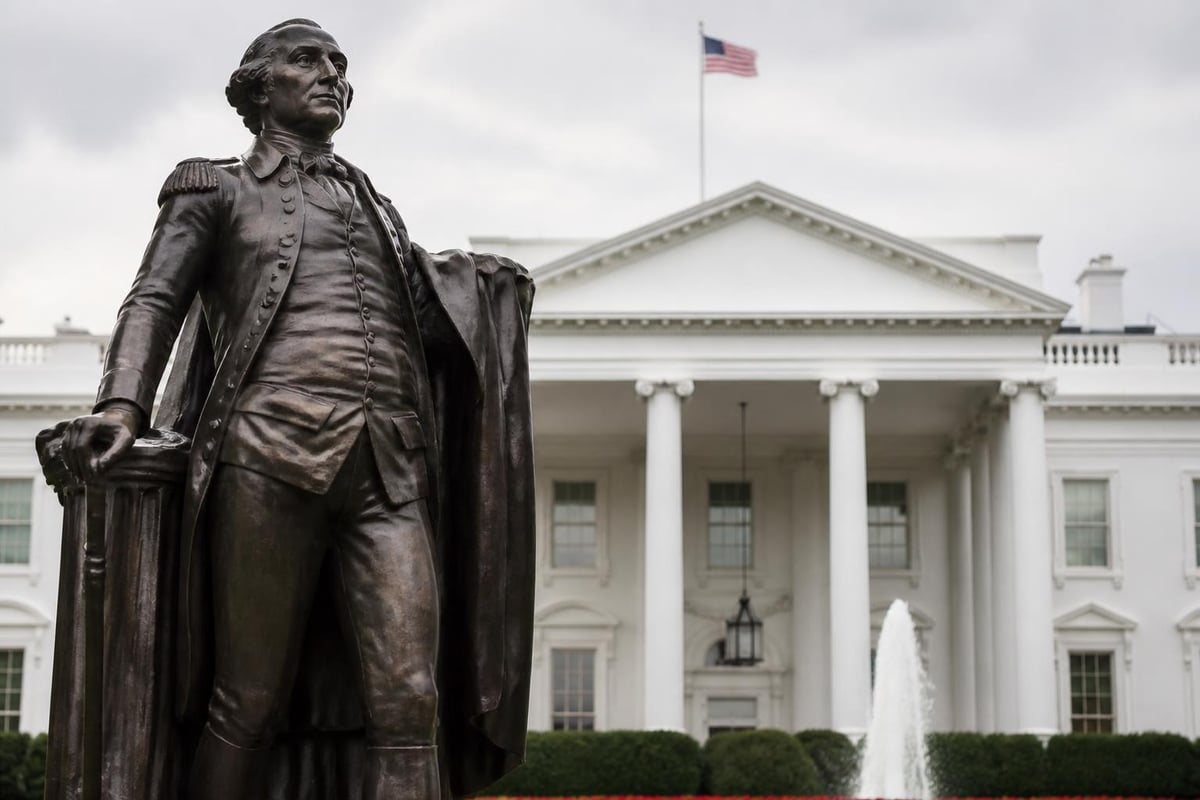
When examining the most powerful US presidents ranked by historians, three names consistently dominate the top positions. These leaders transformed the presidency during America's most challenging periods.
Abraham Lincoln (1861-1865)
Abraham Lincoln regularly tops scholarly rankings for his unprecedented exercise of executive power during the Civil War. He suspended habeas corpus, issued the Emancipation Proclamation through executive authority, and preserved the Union against existential threat. Lincoln's leadership established critical precedents for emergency presidential powers that continue shaping executive authority today.
His ability to maintain Northern support while managing military strategy, diplomatic relations, and constitutional questions simultaneously demonstrated extraordinary political skill. Scholars consistently rank Lincoln at the top of presidential greatness surveys for his moral leadership and political acumen during America's darkest hour.
Franklin D. Roosevelt (1933-1945)
Franklin D. Roosevelt fundamentally transformed the federal government's role in American life. His New Deal programs expanded executive power over the economy, establishing regulatory agencies and social programs that persist today. FDR's four-term presidency (before the 22nd Amendment) gave him unmatched time to implement his vision.
During World War II, Roosevelt wielded extensive wartime powers while building the international architecture for postwar global leadership. His fireside chats pioneered direct presidential communication with citizens, creating new channels for executive influence. The Siena College Research Institute consistently places FDR among the top three presidents for his domestic and foreign policy achievements.
George Washington (1789-1797)
George Washington's power derived from establishing foundational precedents that shaped the presidency's nature. As the first president, every decision created templates for future administrations. His restraint in exercising power proved as influential as his actions-refusing a third term established a tradition that lasted until FDR.
Washington's leadership during the nation's formative years stabilized the new republic, balanced competing factions, and demonstrated how executive authority could coexist with republican governance. His neutral foreign policy and cabinet system established frameworks that guided subsequent presidents.
Mid-Range Power Influencers
Several presidents exercised significant power without reaching the top tier, often due to shorter tenures or more limited crises requiring intervention.
| President | Term | Key Power Achievement | Limitation |
|---|---|---|---|
| Theodore Roosevelt | 1901-1909 | Progressive regulation, Panama Canal | Limited by party opposition |
| Harry Truman | 1945-1953 | Marshall Plan, NATO, Korean War decisions | Controversial military actions |
| Thomas Jefferson | 1801-1809 | Louisiana Purchase | Constitutional interpretation debates |
| Dwight Eisenhower | 1953-1961 | Interstate Highway System, military-industrial complex warning | Domestic civil rights hesitation |
Theodore Roosevelt and Executive Activism
Theodore Roosevelt pioneered the "bully pulpit" concept, using presidential visibility to shape public opinion and pressure Congress. His trust-busting activities expanded regulatory power over corporations, while his conservation efforts established federal land management authority. Roosevelt's activist interpretation of executive power influenced progressive presidents throughout the 20th century.
His intervention in the 1902 coal strike demonstrated unprecedented presidential involvement in labor disputes. By threatening to seize mines, Roosevelt forced arbitration, establishing the president as a mediator in economic conflicts. This expansion of informal power complemented his formal constitutional authority.
Harry Truman's Consequential Decisions
Harry Truman made several decisions with lasting global impact. The atomic bombing of Japan, the Marshall Plan's implementation, NATO's creation, and intervention in Korea all demonstrated decisive executive action. Truman's willingness to make unpopular decisions, including firing General Douglas MacArthur, showed independence from political pressure.
His desegregation of the military through executive order demonstrated how presidential power could advance civil rights despite congressional opposition. Truman's containment doctrine shaped American foreign policy for decades, illustrating how presidential vision can establish long-term strategic frameworks.
Modern Presidents and Evolving Power
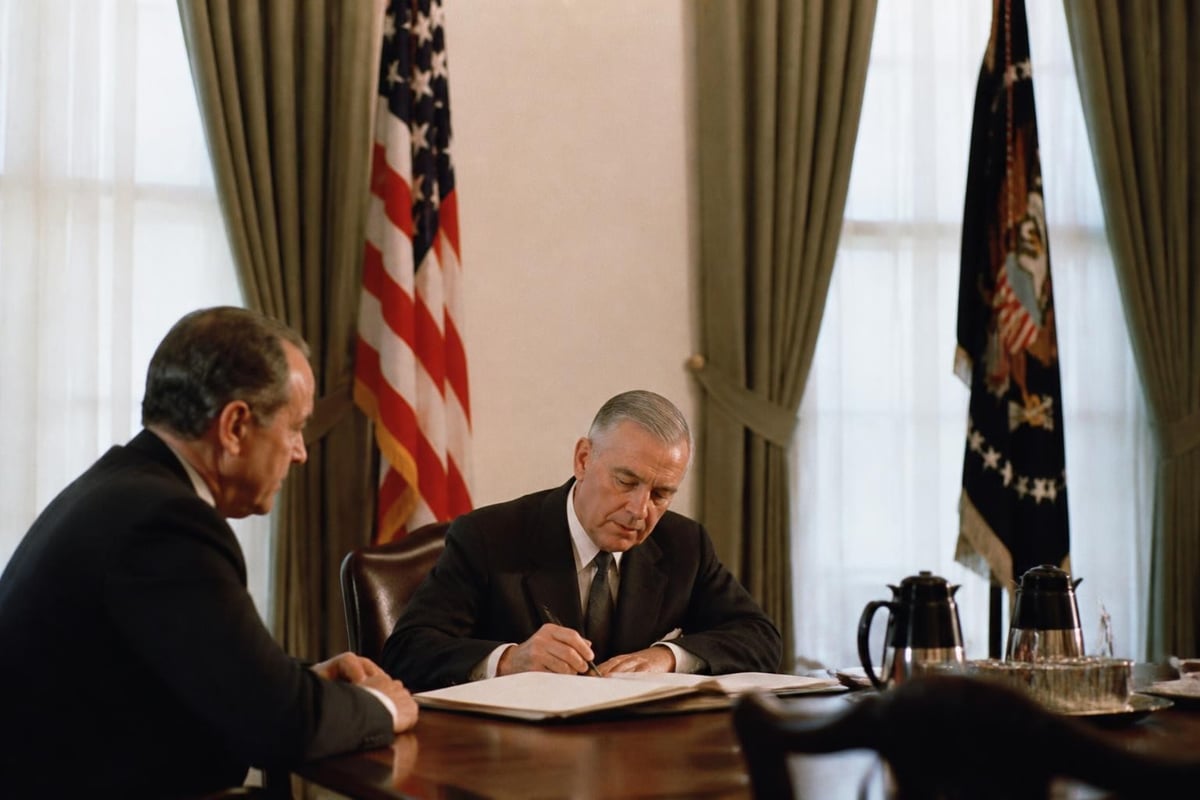
Contemporary presidents navigate a more complex political environment with 24-hour media scrutiny, partisan polarization, and globalized challenges. Their power manifests differently than their historical counterparts.
Lyndon B. Johnson's Legislative Mastery
Lyndon Johnson's legislative achievements rival any president's domestic policy record. The Civil Rights Act of 1964, Voting Rights Act of 1965, Medicare, Medicaid, and Great Society programs fundamentally transformed American society. Johnson's legendary persuasion skills and Senate experience enabled him to navigate complex legislative processes effectively.
However, the Vietnam War significantly undermined his power and legacy. This demonstrates how foreign policy failures can diminish even the most legislatively successful presidents. Johnson's experience illustrates that the most powerful US presidents ranked by historians must succeed across multiple domains to achieve top-tier status.
Ronald Reagan's Ideological Influence
Ronald Reagan shifted American political discourse rightward, demonstrating how presidential power includes ideological influence beyond specific policies. His communication skills earned him the "Great Communicator" title, showing how media mastery enhances presidential effectiveness in the television age.
Reagan's economic policies, defense buildup, and engagement with Soviet leadership during the Cold War's final years demonstrated strategic vision. Whether historians credit him with ending the Cold War remains debated, but his influence on conservative politics proves enduring. His presidency shows how ideological realignment represents a form of presidential power.
Factors That Diminish Presidential Power
Understanding presidential power requires examining constraints and failures alongside successes. Several factors consistently limit executive effectiveness.
Congressional Opposition
Presidents facing hostile Congresses struggle to implement agendas. The separation of powers constrains executive action, requiring negotiation and compromise. Presidents who fail to build legislative coalitions find their power severely limited, regardless of electoral mandates.
- Divided government forces bipartisan cooperation or leads to gridlock
- Impeachment threats reduce political capital and distract from policy goals
- Appropriations control gives Congress leverage over executive branch priorities
- Confirmation power allows Senate to block judicial and cabinet appointments
Supreme Court Constraints
Judicial review provides a constitutional check on presidential overreach. Presidents who push executive authority too far face court challenges that can permanently restrict presidential power. Franklin Roosevelt's court-packing plan failed precisely because it threatened this balance, damaging his political standing despite his overall power.
Public Opinion and Media
Modern presidents operate under constant media scrutiny that can rapidly erode public support. Unlike historical presidents who communicated through limited channels, contemporary leaders face immediate fact-checking and criticism. This transparency constrains certain power exercises while creating new opportunities for direct public engagement.
The relationship between presidential performance and economic indicators shows how external factors beyond presidential control influence public perception and political power.
Scholarly Assessment Methodologies
Academic rankings of presidential power employ rigorous methodologies that balance quantitative and qualitative analysis. Understanding these approaches reveals how historians reach consensus on presidential effectiveness.
C-SPAN Presidential Historians Surveys
The C-SPAN survey methodology involves historians rating presidents across ten leadership categories: public persuasion, crisis leadership, economic management, moral authority, international relations, administrative skills, relations with Congress, vision, pursuit of equal justice, and performance within context of times.
This comprehensive approach produces rankings that emphasize leadership qualities over partisan preferences. The consistency of top-ranked presidents across multiple surveys suggests genuine consensus on presidential greatness rather than ideological bias.
American Political Science Association Surveys
The APSA Presidential Greatness Survey incorporates political scientists' perspectives on executive power and effectiveness. This academic rigor ensures evaluations consider constitutional questions, institutional impacts, and long-term governance consequences beyond immediate popularity.
Political scientists examine how presidents balanced competing demands, managed bureaucracies, and exercised constitutional powers. These technical assessments complement historians' broader narrative evaluations.
Power Versus Popularity
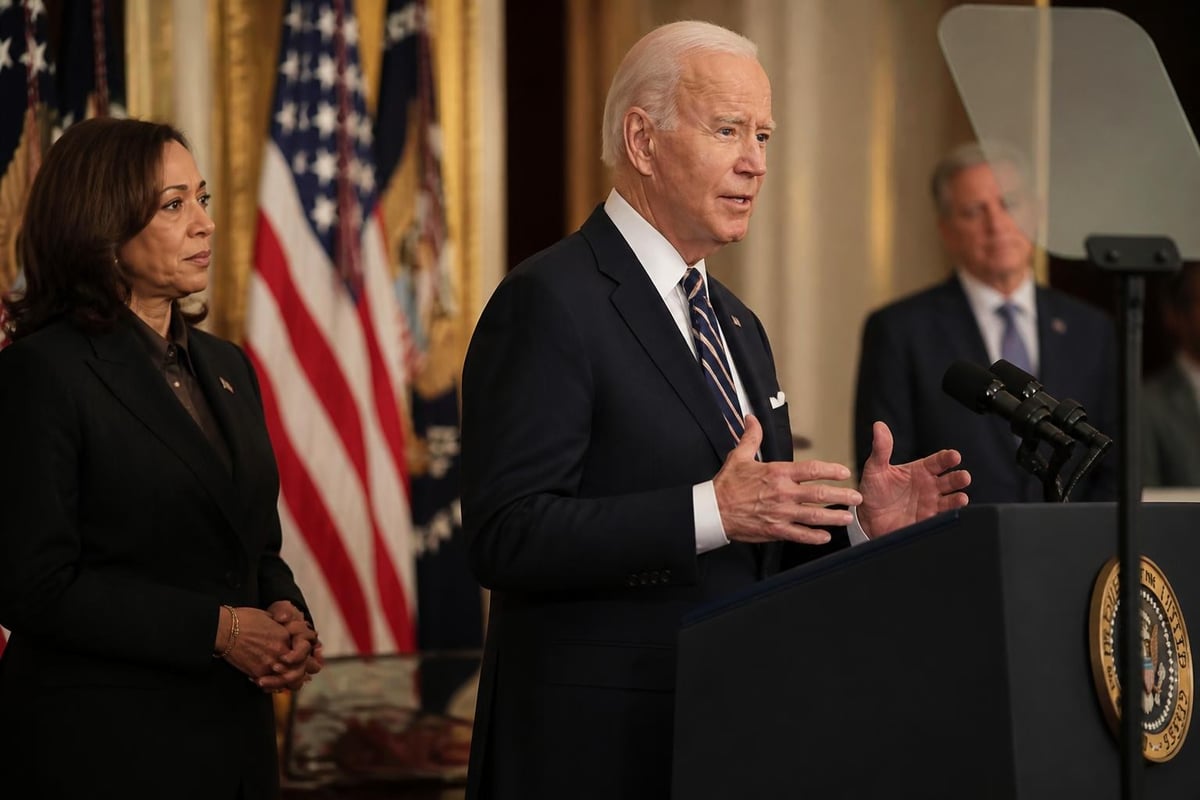
The most powerful US presidents ranked by scholars often differ from public popularity polls. Power requires effectiveness in advancing agendas and shaping history, while popularity reflects public approval during or after presidencies.
Controversial Power Exercises
Some powerful presidential actions proved deeply controversial. Lincoln's suspension of habeas corpus, FDR's court-packing attempt, Truman's Korean War intervention without congressional declaration, and Johnson's Vietnam escalation all demonstrated significant power while generating substantial opposition.
These examples illustrate that presidential power and democratic accountability exist in tension. The most effective presidents often made unpopular decisions that historians later validated as necessary or correct, though this pattern doesn't justify all controversial executive actions.
Historical Reevaluation
Presidential rankings shift as historical perspectives evolve. Recent surveys show increased appreciation for presidents who advanced civil rights and equality, reflecting contemporary values. Conversely, presidents previously celebrated for territorial expansion face criticism for indigenous peoples' treatment and slavery's expansion.
Voice of America’s analysis of presidential rankings demonstrates how scholarly consensus evolves while maintaining remarkable stability regarding top and bottom tiers. This stability suggests certain leadership qualities transcend changing historical interpretations.
Contemporary Relevance for Political Analysis
Understanding historical presidential power provides crucial context for analyzing current politics. Modern challenges require executive leadership similar to past crises, making historical precedents increasingly relevant.
Crisis Leadership Lessons
The COVID-19 pandemic, like previous national emergencies, tested presidential crisis management. Historical examples of effective crisis response-FDR's Depression leadership, Lincoln's Civil War management, Washington's rebellion handling-offer frameworks for evaluating contemporary executive performance. Readers interested in pandemic response analysis can explore how these historical patterns apply to recent challenges.
Executive Power Debates
Contemporary debates about executive orders, emergency declarations, and unilateral action echo historical controversies. Whether presidents overstep constitutional bounds or appropriately exercise executive authority remains contested, just as it was during Lincoln's, FDR's, and other powerful presidents' administrations.
Institutional Legacy Considerations
Today's presidents make decisions with lasting institutional consequences. Supreme Court appointments, regulatory frameworks, international agreements, and precedent-setting actions influence governance long after administrations end. Understanding how historical presidents' choices shaped modern governance helps evaluate current executive decisions.
The evolution of domestic policy reflects cumulative presidential influence over decades, showing how individual administrations contribute to longer policy trajectories.
Geographic and Regional Power Considerations
Presidential power manifests differently across America's diverse regions. Some presidents effectively balanced regional interests, while others favored particular areas, affecting their overall effectiveness and historical standing.
Presidents from different eras faced varying regional challenges-slavery and Civil War for 19th-century leaders, urban-rural divides for 20th-century presidents, and coastal-interior tensions for contemporary administrations. Successfully managing these geographic tensions represents a critical component of presidential power.
National Unity Versus Regional Interests
The most powerful presidents built national coalitions that transcended regional divisions. Lincoln preserved the Union despite sectional conflict. FDR constructed a coalition spanning diverse geographic and economic interests. Their ability to unite disparate regions amplified their power and enabled transformative policy achievements.
Conversely, presidents who exacerbated regional tensions or failed to build geographically diverse support found their power constrained. Regional polarization limits presidential effectiveness, as congressional opposition coalesces around geographic lines.
The most powerful US presidents ranked throughout history demonstrate that executive effectiveness requires crisis leadership, legislative skill, strategic vision, and the ability to expand institutional capacity while respecting constitutional limits. From Lincoln's preservation of the Union to FDR's transformation of federal governance, powerful presidents shaped America during pivotal moments. For readers seeking comprehensive, non-partisan coverage of presidential leadership past and present, U.S. Presidential Report provides in-depth analysis of how executive power evolves and influences American governance. Stay informed about presidential news, policy developments, and historical context that shapes contemporary political understanding.