The American presidential election system creates a unique political landscape where a handful of competitive states wield outsized influence over national outcomes. Understanding how swing states shape US elections requires examining the Electoral College framework, campaign resource allocation, and the demographic factors that keep certain states competitive cycle after cycle. These battleground territories determine not only who wins the presidency but also which issues dominate the national conversation and how candidates craft their messages to appeal to crucial voting blocs.
The Electoral College Framework and Swing State Emergence
The United States elects presidents through the Electoral College rather than a national popular vote, fundamentally changing campaign dynamics. Each state receives electoral votes equal to its congressional representation, creating a winner-take-all system in most states where the candidate who wins the popular vote claims all electoral votes.
This structure makes how swing states shape US elections particularly significant. Safe states-those reliably voting for one party-receive minimal attention from campaigns because their outcomes are predictable. Swing states, by contrast, could plausibly vote for either major party candidate, making them the primary focus of presidential campaigns.
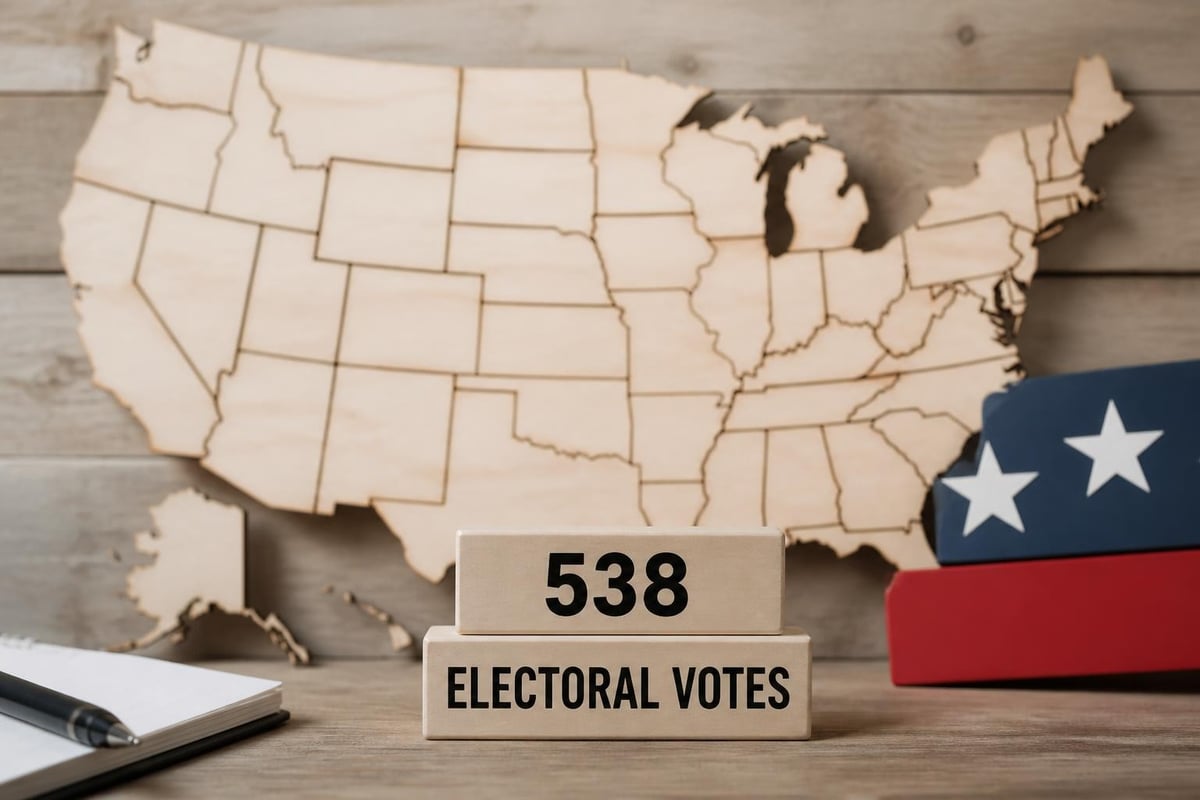
The Electoral College system allocates 538 total votes across all states and the District of Columbia, with 270 needed to win. This mathematical reality means campaigns must build state-by-state pathways to victory rather than pursuing a uniform national strategy.
Demographic Diversity Creates Competitiveness
Several factors determine whether a state becomes a swing state:
- Balanced partisan registration with neither party holding a dominant advantage
- Diverse demographic composition that prevents single-issue dominance
- Urban-rural splits that create competing power centers
- Changing population patterns through migration and generational shifts
- Economic diversity that prevents uniform voting based on single industries
States like Pennsylvania, Wisconsin, and Michigan exemplify these characteristics. Their mix of urban centers, suburban communities, and rural areas creates natural political tension that keeps elections competitive.
Campaign Resource Allocation and Strategic Focus
Presidential campaigns operate with finite resources-time, money, and organizational capacity. How swing states shape US elections becomes evident when examining where these resources flow during campaign season.
Television advertising spending provides clear evidence of swing state influence. In the 2024 cycle, approximately 75-80% of all presidential campaign advertising dollars were spent in just seven to ten swing states, while the remaining 40+ states received minimal attention.
| Resource Type | Swing States | Safe States | Ratio |
|---|---|---|---|
| Ad Spending | $2.1 billion | $300 million | 7:1 |
| Candidate Visits | 280+ events | 40 events | 7:1 |
| Field Offices | 450+ locations | 60 locations | 7.5:1 |
| Volunteer Hours | 4.5 million | 600,000 | 7.5:1 |
This concentration reflects rational campaign strategy. A dollar spent persuading voters in Pennsylvania directly impacts electoral votes that could determine the outcome, while the same dollar in California or Alabama changes nothing about those states' predetermined electoral outcomes.
The Ground Game Advantage
Swing states receive unprecedented levels of grassroots organization. Field offices, volunteer recruitment, voter registration drives, and get-out-the-vote operations concentrate heavily in competitive states. This infrastructure creates ongoing political engagement that safe states rarely experience.
The Brennan Center’s research on voting law changes demonstrates how battleground states also become focal points for election administration debates. Changes to early voting periods, mail ballot procedures, and registration deadlines receive intense scrutiny in swing states while similar changes in safe states attract minimal national attention.
Policy Priorities and Issue Selection
How swing states shape US elections extends beyond simple electoral math into substantive policy discussions. Candidates tailor their platforms to address issues particularly salient in competitive states, sometimes at the expense of concerns more pressing in safe states.
Manufacturing policy dominates presidential campaigns because of its importance to Rust Belt swing states like Michigan, Wisconsin, and Pennsylvania. Candidates develop detailed positions on trade agreements, tariff policy, and domestic manufacturing incentives specifically to appeal to voters in these states.
Agricultural policy receives similar treatment due to competitive states in the Farm Belt. Issues that might otherwise receive minimal attention in a nationalized campaign become major talking points because they matter to swing state constituencies.
The Swing State Issue Matrix
Different swing states prioritize different concerns, forcing candidates to develop nuanced positions:
- Arizona: Immigration policy, border security, water rights
- Florida (historically competitive): Hurricane preparedness, Medicare, retirement security
- Georgia: Voting access, economic development, transportation infrastructure
- Michigan: Automotive industry, Great Lakes protection, labor unions
- Nevada: Gaming industry, public lands, housing affordability
- North Carolina: Education funding, military installations, healthcare access
- Pennsylvania: Energy policy, steel industry, infrastructure investment
- Wisconsin: Dairy farming, manufacturing, environmental regulations
This geographic diversity in swing state concerns forces presidential candidates to develop comprehensive policy portfolios that address regional variations rather than pursuing singular national messages.

Voter Turnout Dynamics and Mobilization
The influence of how swing states shape US elections manifests powerfully in turnout patterns. Competitive races drive higher participation rates, creating a feedback loop where engaged voters receive more attention, which further increases engagement.
Turnout differentials between swing states and safe states have grown in recent cycles. In 2024, the average swing state saw voter turnout rates 6-8 percentage points higher than comparable safe states with similar demographic profiles.
This gap reflects both increased voter motivation in states where individual votes carry more weight and intensive mobilization efforts by campaigns, parties, and advocacy organizations. When voters understand their state could determine the national outcome, participation increases measurably.
Demographic Mobilization Strategies
Presidential campaigns invest heavily in understanding and mobilizing specific demographic groups within swing states:
- Suburban women receive targeted outreach on education, healthcare, and economic security
- Working-class men hear focused messaging on manufacturing, wages, and trade
- Young voters encounter digital campaigns emphasizing student debt, climate, and social issues
- Senior citizens receive communications about Medicare, Social Security, and prescription drugs
- Minority communities experience culturally tailored outreach on criminal justice, economic opportunity, and representation
These sophisticated targeting operations exist primarily in swing states, while voters in safe states receive generic national messaging with minimal personalization.
Media Coverage and National Narrative
How swing states shape US elections influences not just campaigns but also media coverage and political journalism. National news organizations deploy reporters, establish bureaus, and commission polling almost exclusively in competitive states during campaign season.
This coverage pattern affects which voters' concerns enter the national conversation. A manufacturing plant closure in Ohio generates extensive national media attention because Ohio's status as a swing state makes the story relevant to election outcomes. An identical closure in Oregon or Mississippi receives only local coverage.
Polling saturation in swing states creates another dimension of influence. High-quality public polling occurs weekly or even daily in major battlegrounds during campaign season, while many safe states receive no independent polling whatsoever. This disparity shapes perceptions of campaign momentum and voter sentiment nationwide based on data from a small subset of states.
Recent analysis from Brookings examined how state-by-state voting patterns in closely divided swing states shaped broader interpretations of the 2024 outcome, demonstrating how competitive state results influence national political narratives beyond their direct electoral impact.
Digital Campaigns and Information Ecosystems
Modern presidential campaigns increasingly emphasize digital strategy, and how swing states shape US elections appears clearly in online advertising, social media targeting, and information operations. Digital advertising allows unprecedented precision in geographic and demographic targeting, amplifying the swing state focus that characterized traditional media.
Social media campaigns can target users based on location, interests, demographics, and behavior with remarkable specificity. Presidential campaigns build detailed voter files combining public records, consumer data, and online behavior to identify persuadable voters in swing states and deliver customized messaging through digital platforms.
Academic research on disinformation campaigns reveals how misinformation and attention manipulation disproportionately target swing states compared to safe states. Bad actors recognize that influencing opinions in competitive states offers the highest return on effort, creating information security challenges concentrated in battleground territories.
The Swing State Digital Advantage
Voters in swing states encounter dramatically different online political environments than their counterparts in safe states:
| Digital Metric | Pennsylvania (Swing) | Massachusetts (Safe) | Alabama (Safe) |
|---|---|---|---|
| Campaign Ads Served Per User | 340 | 45 | 38 |
| Unique Ad Creatives | 180 | 22 | 19 |
| Targeted Email Volume | 85 messages | 12 messages | 10 messages |
| SMS Outreach | 47 texts | 6 texts | 5 texts |
This intensity creates both opportunities and challenges. Swing state voters receive extensive information enabling informed decisions, but they also face higher risks of misinformation, manipulation, and digital fatigue.
Legal and Administrative Scrutiny
The Electoral College system means how swing states shape US elections extends into election administration, legal frameworks, and voting procedures. Competitive states face intense scrutiny of their election laws, registration systems, ballot counting procedures, and certification processes.
Following close elections, swing states often become focal points for recounts, legal challenges, and procedural disputes. The Congressional Research Service provides detailed documentation of Electoral College procedures and how state-level processes connect to the federal constitutional framework, highlighting the critical role state administration plays in national outcomes.
Election infrastructure investment reflects swing state status. State legislatures in competitive states often appropriate additional funding for election equipment, security measures, and staffing specifically because of the national attention their results receive.
Voting Access Debates
Swing states become battlegrounds for voting policy debates:
- Early voting periods and locations
- Mail ballot application and return procedures
- Voter identification requirements
- Registration deadlines and processes
- Polling place distribution and hours
- Provisional ballot standards
- Cure procedures for ballot defects
These administrative details receive minimal attention in safe states but generate intense controversy in swing states where small changes might influence close outcomes. Partisan battles over election administration concentrate in competitive states precisely because the stakes are highest there.
Historical Patterns and Swing State Evolution
The specific states that function as swing states change over time, reflecting demographic shifts, economic transformations, and political realignments. Understanding how swing states shape US elections requires recognizing this evolution and the factors that move states between competitive and safe categories.
Generational change affects swing state status as younger voters with different political preferences replace older cohorts. Migration patterns alter state demographics when people relocate from other states or countries, bringing different political orientations. Economic restructuring can shift voter priorities and partisan alignments as industries rise and decline.
States like Colorado and Virginia transformed from Republican-leaning to swing states and then to Democratic-leaning over recent decades due to population growth in urban and suburban areas. Florida's status has shifted multiple times based on migration patterns from other states, generational turnover among retirees, and changing Latino voting patterns.
For those interested in exploring how past presidents navigated swing state dynamics, the presidential history archives provide valuable context on electoral strategies across different eras.
Future Trends and Emerging Battlegrounds
As America's demographic and economic landscape continues evolving, how swing states shape US elections will shift accordingly. States currently considered safe may become competitive, while current swing states might trend decisively toward one party.
Sunbelt states like Georgia, Arizona, and North Carolina have recently joined or rejoined the swing state category after years as Republican strongholds. Their diversifying populations, growing metropolitan areas, and changing economic bases have created new competitive dynamics.
Rust Belt states that swung toward Republicans in certain recent cycles may trend differently as economic conditions, generational change, and party positioning evolve. The future competitiveness of Michigan, Wisconsin, and Pennsylvania depends partly on how national parties address manufacturing, labor, and regional economic concerns.
Demographic Projections and Political Implications
Population trends suggest several states could join the swing state category by 2030:
- Texas: Continued Hispanic population growth and urban expansion may create competitiveness
- Florida: Ongoing migration and generational change could maintain or restore swing state status
- North Carolina: Sustained growth in the Research Triangle and Charlotte metro areas
- Georgia: Continued expansion of the Atlanta metropolitan region
- Arizona: Phoenix area growth and changing Latino voter patterns
These shifts will redistribute how swing states shape US elections across different geographic regions, potentially altering which policy issues receive national attention and how campaigns allocate resources.
Campaign Strategy Innovation in Swing States
Presidential campaigns test innovative tactics primarily in swing states, where the return on strategic experimentation justifies the investment. Microtargeting techniques, persuasion testing, and turnout modeling receive their most sophisticated applications in competitive states.
Swing states serve as laboratories for campaign innovation. Successful tactics developed and tested in one competitive state quickly spread to others, while failed experiments are abandoned before being deployed nationally. This creates a cycle where how swing states shape US elections includes not just determining outcomes but also advancing campaign technology and methodology.
The concentration of campaign resources enables swing state operations to employ cutting-edge data analytics, behavioral science insights, and communications technology. These advances eventually influence campaigns at all levels nationwide, but swing states receive first-generation deployment of emerging techniques.
Those tracking the evolution of political strategy and electoral dynamics can observe how battleground state campaigns drive innovation across the political landscape.
Swing states exert influence far beyond their population share, shaping presidential policy platforms, campaign strategies, media coverage, and ultimately election outcomes through the Electoral College system. Understanding these dynamics provides essential context for interpreting American presidential politics and the strategic calculations that drive national campaigns. For comprehensive, non-partisan coverage of how presidential elections unfold and the factors that determine their outcomes, U.S. Presidential Report delivers the context and analysis you need to stay informed about America's evolving electoral landscape.