Understanding presidential power requires grasping one of the most powerful tools at a chief executive's disposal. When citizens wonder how presidents can make significant policy changes without passing through Congress, the answer often involves executive orders. These directives have shaped everything from civil rights to national security, yet many Americans remain unclear about their scope, limitations, and constitutional basis. Getting executive orders explained simply helps voters better understand how modern presidents govern and the checks that balance this authority.
What Are Executive Orders and How Do They Work
Executive orders are official directives issued by the President of the United States to manage federal government operations. These written instructions carry the force of law and direct how executive branch agencies and officials conduct their duties. The Legal Information Institute defines executive orders as legally binding commands that help presidents implement statutory or constitutional responsibilities.
The constitutional foundation for executive orders stems from Article II of the Constitution, which vests executive power in the president. While the Constitution doesn't explicitly mention executive orders by name, it grants the president authority to execute laws faithfully and act as commander-in-chief. This implied power has evolved over more than two centuries of presidential practice.
The Legal Framework Behind Presidential Directives
Presidential directives operate within a complex legal framework that balances executive authority against legislative and judicial oversight. When a president signs an executive order, that document becomes part of the Federal Register and is assigned a sequential number. This numbering system, which began in 1907, helps track and reference these presidential actions throughout history.
Key characteristics of executive orders include:
- They apply only to federal agencies and officials, not private citizens directly
- They must cite constitutional or statutory authority as their legal basis
- They undergo review by the Office of Management and Budget and White House Counsel
- They can be challenged in federal courts if they exceed presidential authority
- They remain in effect until revoked, modified, or ruled unconstitutional
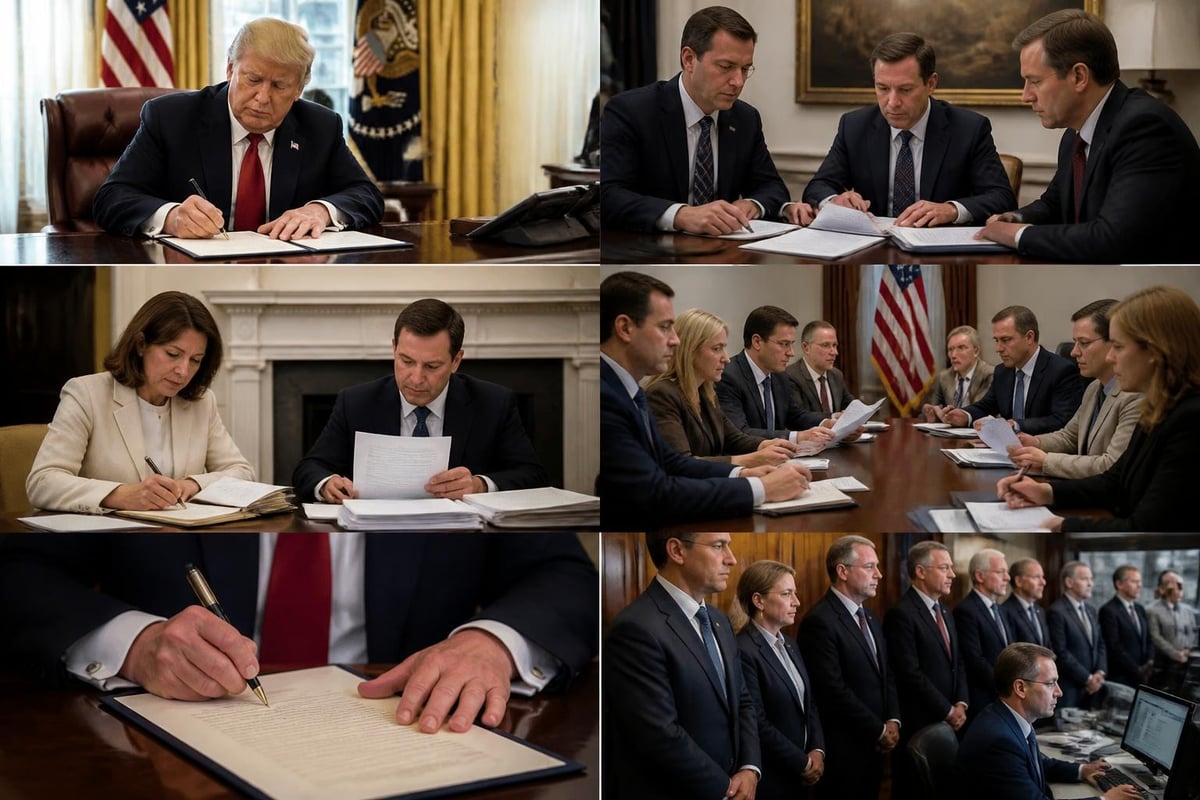
The drafting process typically involves multiple White House offices, including policy councils, legal advisors, and relevant Cabinet departments. This collaborative approach ensures orders align with existing law and administration priorities. Harvard Kennedy School’s analysis shows how this governing tool has become increasingly important as congressional gridlock has intensified.
Historical Context and Notable Examples
Executive orders have shaped American history since George Washington's presidency, though early presidents used them sparingly. Washington issued just eight executive orders during his two terms, while modern presidents have averaged dozens per year. Historical records from HISTORY.com demonstrate how this presidential tool has evolved alongside expanding federal government responsibilities.
Landmark Executive Orders That Changed America
Some executive orders have fundamentally altered the American landscape. Abraham Lincoln's Emancipation Proclamation, issued in 1863, freed enslaved people in Confederate states and shifted the Civil War's moral framework. Franklin D. Roosevelt holds the record with 3,721 executive orders during his presidency, including the controversial order establishing Japanese internment camps during World War II.
Harry Truman's Executive Order 9981 desegregated the armed forces in 1948, years before the Civil Rights Act. John F. Kennedy created the Peace Corps through executive order in 1961. More recently, presidents have used executive orders to address immigration policy, environmental regulations, and national security concerns.
| President | Notable Order | Year | Impact |
|---|---|---|---|
| Abraham Lincoln | Emancipation Proclamation | 1863 | Freed enslaved people in rebel states |
| Franklin D. Roosevelt | Executive Order 9066 | 1942 | Japanese internment (later apologized for) |
| Harry Truman | Executive Order 9981 | 1948 | Desegregated military |
| Lyndon B. Johnson | Executive Order 11246 | 1965 | Affirmative action in federal contracting |
| Barack Obama | DACA | 2012 | Protected certain undocumented immigrants |
Presidential transitions often bring waves of executive orders as new administrations reverse or modify their predecessors' policies. This pattern reflects the temporary nature of orders not grounded in congressional legislation. The U.S. Presidential Report regularly covers these policy shifts during administration changes.
The Scope and Limitations of Executive Authority
Getting executive orders explained simply requires understanding what presidents can and cannot do through this mechanism. Presidential authority extends only to areas where the Constitution or Congress has granted the executive branch power. Orders cannot create new laws, appropriate funds, or override existing statutes passed by Congress.
Constitutional limits on executive orders:
- Cannot violate the Constitution or existing federal law
- Cannot appropriate federal funds without congressional authorization
- Cannot regulate private citizens directly (only through federal agency action)
- Cannot override Supreme Court decisions
- Must relate to executive branch operations or presidential responsibilities
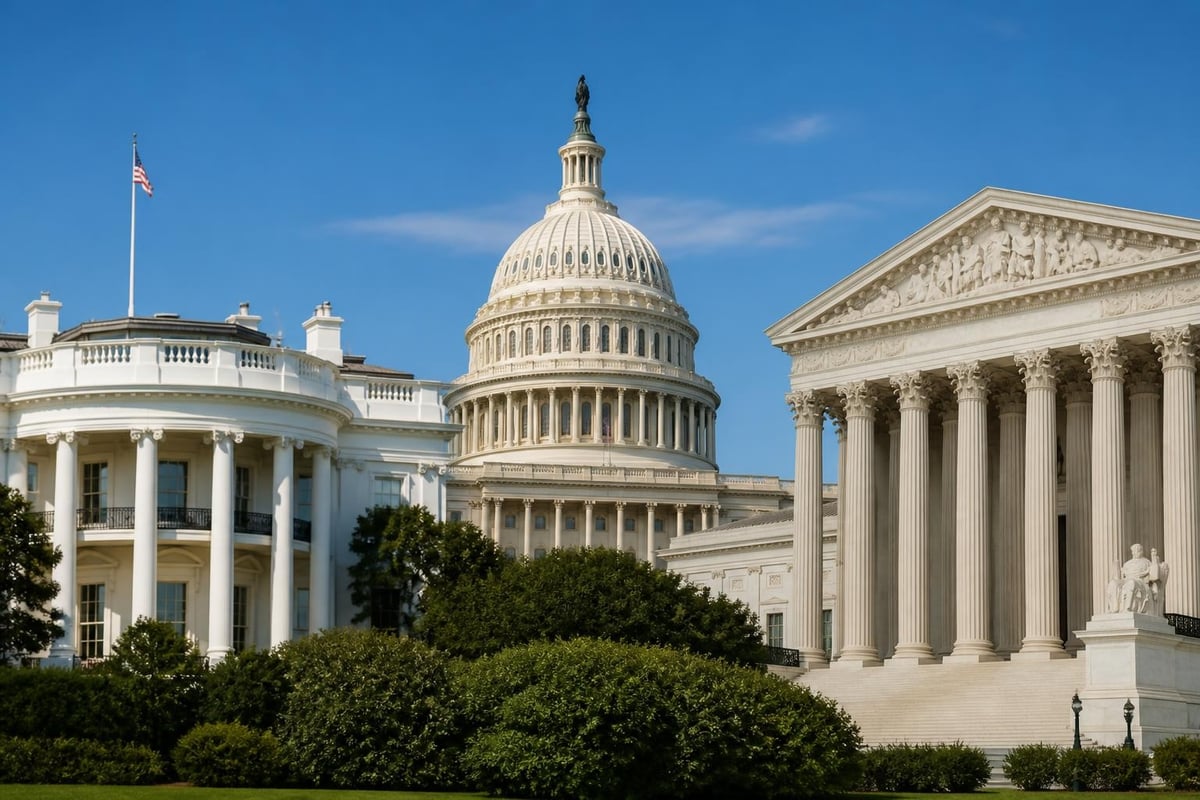
Federal courts serve as the primary check on executive overreach. When presidents issue orders exceeding their authority, affected parties can file lawsuits challenging those directives. Courts have struck down numerous executive orders throughout history, reinforcing the separation of powers doctrine.
Congressional Oversight and the Power of the Purse
Congress maintains several tools to check executive orders. Legislators can pass bills specifically overturning orders, though this requires the president's signature or a veto override. More commonly, Congress uses appropriations authority to defund implementation of orders they oppose. The analysis from GovFacts explains these power dynamics in detail.
The Congressional Review Act allows Congress to disapprove regulations stemming from executive orders within a specific timeframe. This mechanism gives legislators a streamlined process to reject executive branch actions without facing a filibuster in the Senate.
Public opinion also constrains presidential use of executive orders. Presidents who rely too heavily on unilateral action risk political backlash and accusations of executive overreach. This informal check becomes particularly important during divided government when the opposing party controls Congress.
Modern Uses and Contemporary Controversies
Presidents in recent decades have increasingly relied on executive orders to advance their policy agendas. This trend reflects growing partisan polarization and congressional gridlock that makes legislation difficult to pass. Both Democratic and Republican administrations have faced criticism for governing through executive action rather than building legislative coalitions.
Immigration Policy and Executive Action
Immigration has become a flashpoint for executive order controversies. President Obama's Deferred Action for Childhood Arrivals (DACA) program, created through executive action, protected certain undocumented immigrants brought to America as children. Subsequent administrations have battled over DACA's legality and continuation in federal courts.
Border security measures, refugee admission numbers, and visa restrictions have all been subjects of executive orders from multiple presidents. These orders often trigger immediate legal challenges and heated political debate. The back-and-forth pattern of orders being issued and then reversed by successor administrations demonstrates the fragility of policy changes not codified in legislation.
Environmental and Energy Regulations
Climate policy represents another area where presidents have wielded executive orders extensively. Orders directing federal agencies to prioritize emissions reductions, protect public lands, or approve energy infrastructure projects significantly impact environmental policy. The Environmental Protection Agency derives much of its regulatory direction from presidential orders interpreting congressional statutes.
Recent executive order topics include:
- Rejoining or withdrawing from international climate agreements
- Establishing or eliminating national monuments
- Regulating greenhouse gas emissions from federal operations
- Directing federal procurement to favor renewable energy
- Setting fuel efficiency standards for government vehicles
These environmental orders often face legal challenges from states, industry groups, or environmental organizations depending on their direction. Resources like LegalClarity’s comprehensive overview help citizens understand the legal arguments surrounding these disputes.
The Process of Issuing and Revoking Executive Orders
Understanding executive orders explained simply includes knowing how presidents actually create and cancel these directives. The process involves coordination across multiple White House offices and executive branch agencies to ensure legal compliance and practical implementation.
Drafting and Review Procedures
Executive orders typically originate from policy priorities identified during campaigns or developed through White House policy councils. Staff attorneys draft preliminary versions that undergo rigorous legal review by the White House Counsel's office. The Office of Management and Budget examines budgetary implications and regulatory impacts.
Affected Cabinet departments and agencies provide input during the drafting process. This consultation ensures orders are administratively feasible and align with existing departmental regulations. The final document must include citations to constitutional or statutory authority justifying the presidential action.
The typical timeline for issuing an executive order:
- Policy proposal development (weeks to months)
- Legal research and initial drafting (days to weeks)
- Interagency review and comment (one to two weeks)
- White House Counsel legal clearance (several days)
- OMB regulatory review (variable timeline)
- Presidential review and signature (finalized on president's schedule)
- Federal Register publication (within three days)
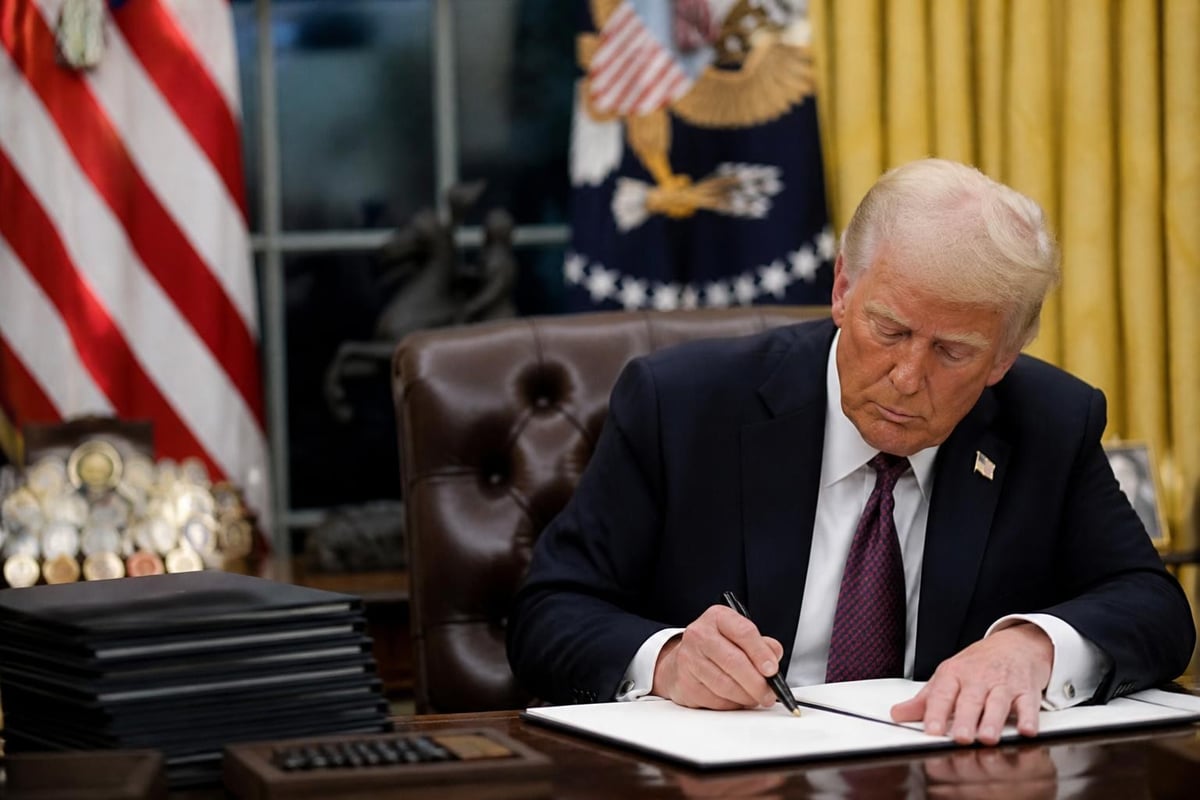
Once signed, executive orders take effect immediately unless they specify a different implementation date. Federal agencies must then adjust their operations, issue guidance documents, and potentially create new regulations to implement the presidential directive.
Revocation and Modification
Subsequent presidents can revoke or modify their predecessors' executive orders with new orders. This authority allows each administration to reshape executive branch priorities without congressional approval. The ease of revocation means orders not backed by legislation remain vulnerable to policy reversals.
Presidents occasionally revoke their own orders when circumstances change or implementation proves problematic. Orders can also become obsolete when Congress passes legislation addressing the same topic or when court decisions render them unenforceable. Details about these mechanisms clarify the lifecycle of executive directives.
Comparing Executive Orders to Other Presidential Actions
Executive orders represent just one type of presidential directive. Presidents also issue presidential memoranda, proclamations, administrative orders, and national security directives. Understanding these distinctions helps clarify the executive order landscape.
Presidential Memoranda and Proclamations
Presidential memoranda serve similar functions to executive orders but traditionally addressed less significant policy matters. Recent administrations have blurred this distinction, using memoranda for major policy initiatives. Unlike executive orders, memoranda aren't required to cite legal authority explicitly, though they still must operate within constitutional bounds.
Proclamations typically address ceremonial matters like declaring National Pet Day or recognizing historical events. However, some proclamations carry legal weight, such as those declaring national emergencies or establishing trade policies under statutory authority granted by Congress.
| Document Type | Legal Force | Requires Legal Citation | Numbered System | Common Uses |
|---|---|---|---|---|
| Executive Order | Yes | Yes | Sequential numbering | Major policy directives |
| Presidential Memorandum | Yes | Not always | No official numbering | Policy guidance, studies |
| Proclamation | Sometimes | When legally binding | Numbered annually | Ceremonies, emergencies |
| Administrative Order | Limited | No | Internal numbering | White House operations |
The detailed explanation at LegalClarity breaks down these distinctions further for readers seeking comprehensive understanding.
Impact on Federal Agencies and Implementation
Federal agencies bear the responsibility of implementing executive orders within their jurisdictions. When a president issues an order directing environmental action, the EPA must translate that broad directive into specific regulations, compliance requirements, and enforcement mechanisms.
Agency Response and Regulatory Action
Agencies typically establish working groups to coordinate order implementation. These teams review existing regulations, identify necessary changes, and develop implementation timelines. Major orders may require agencies to initiate formal rulemaking processes that include public comment periods and regulatory impact analyses.
The Administrative Procedure Act governs how agencies translate executive orders into binding regulations. This process ensures public participation and creates records that courts can review if regulations face legal challenges. Implementation timelines vary significantly based on order complexity and available agency resources.
Challenges agencies face when implementing executive orders:
- Limited budgets for new initiatives without congressional appropriations
- Conflicting statutory obligations that may supersede order directives
- Technical complexity requiring extensive research and stakeholder consultation
- Tight deadlines set by White House demanding rapid action
- Legal uncertainty about order's scope requiring careful interpretation
Career civil servants must implement orders even when administrations change direction frequently. This challenge has intensified as partisan divisions lead to more dramatic policy reversals between administrations. Agencies require flexibility to pivot while maintaining continuity in their core missions.
Executive Orders in Times of Crisis
National emergencies amplify presidential reliance on executive orders. During crises, presidents claim broader authority to act unilaterally when rapid response outpaces congressional deliberation. Wars, pandemics, economic collapses, and natural disasters have all triggered significant executive orders throughout American history.
Emergency Powers and National Security
The National Emergencies Act grants presidents specific powers during declared emergencies, though it also imposes congressional oversight requirements. Presidents have declared dozens of national emergencies since 1976, many remaining in effect for years or decades. These declarations unlock statutory authorities that enable more expansive executive orders.
National security orders often receive less public scrutiny because they involve classified information and sensitive diplomatic relationships. Presidents issue national security directives that shape military operations, intelligence activities, and foreign policy without the transparency applied to domestic policy orders. This secrecy raises accountability concerns that periodically spark congressional investigations.
The COVID-19 pandemic demonstrated both the power and limitations of executive orders during health crises. Federal emergency declarations enabled orders directing medical supply production, eviction moratoriums, and vaccination requirements for federal workers. However, courts struck down several ambitious orders as exceeding presidential authority, including broad eviction protections and vaccine mandates for private employers.
Previous coverage on U.S. Presidential Report’s blog has examined how different presidents have exercised emergency powers during crises ranging from terrorist attacks to economic recessions.
The Future of Executive Orders in American Governance
Political scientists debate whether increased reliance on executive orders strengthens or weakens American democracy. Proponents argue orders enable decisive action when Congress remains gridlocked. Critics contend they concentrate too much power in the executive branch and create unstable policies that shift with each administration.
Trends and Predictions for Presidential Power
Recent decades show presidents from both parties issuing more executive orders on controversial topics previously resolved through legislation. This trend reflects deeper structural challenges in American politics, including geographic polarization, narrowly divided legislatures, and weakened norms around bipartisan cooperation.
Technology and social media have changed how executive orders function politically. Presidents now announce orders through digital platforms, framing them for maximum political impact. Opponents mobilize instantly through social networks to organize legal challenges and public pressure campaigns. This accelerated political cycle may influence how future presidents approach executive action.
Potential developments in executive order usage:
- Increased judicial scrutiny requiring more detailed legal justifications
- Congressional efforts to limit specific order authorities through legislation
- Greater public engagement in notice-and-comment periods for implementing regulations
- International coordination as global challenges require cross-border policy alignment
- Technological tools enabling more sophisticated impact analysis before order issuance
Constitutional scholars continue debating potential reforms to clarify executive order authority. Proposals include requiring sunset provisions, mandating congressional review periods, or establishing independent legal reviews before implementation. Whether such reforms gain political traction remains uncertain given the advantages incumbent presidents gain from flexible executive authority.
The balance between efficient governance and democratic accountability will continue shaping how Americans view executive orders. As voters become more educated about these presidential tools, they can better evaluate whether their elected leaders use them appropriately within constitutional bounds. Resources that provide executive orders explained simply empower citizens to engage meaningfully in these important democratic debates about presidential power and governance in 2026 and beyond.
Understanding how presidents use executive orders to govern provides essential context for evaluating presidential actions and their lasting impact on American policy. For comprehensive, non-partisan coverage of how current and past presidents have wielded executive authority, U.S. Presidential Report delivers the context you need to stay informed about presidential power and its constitutional limits.