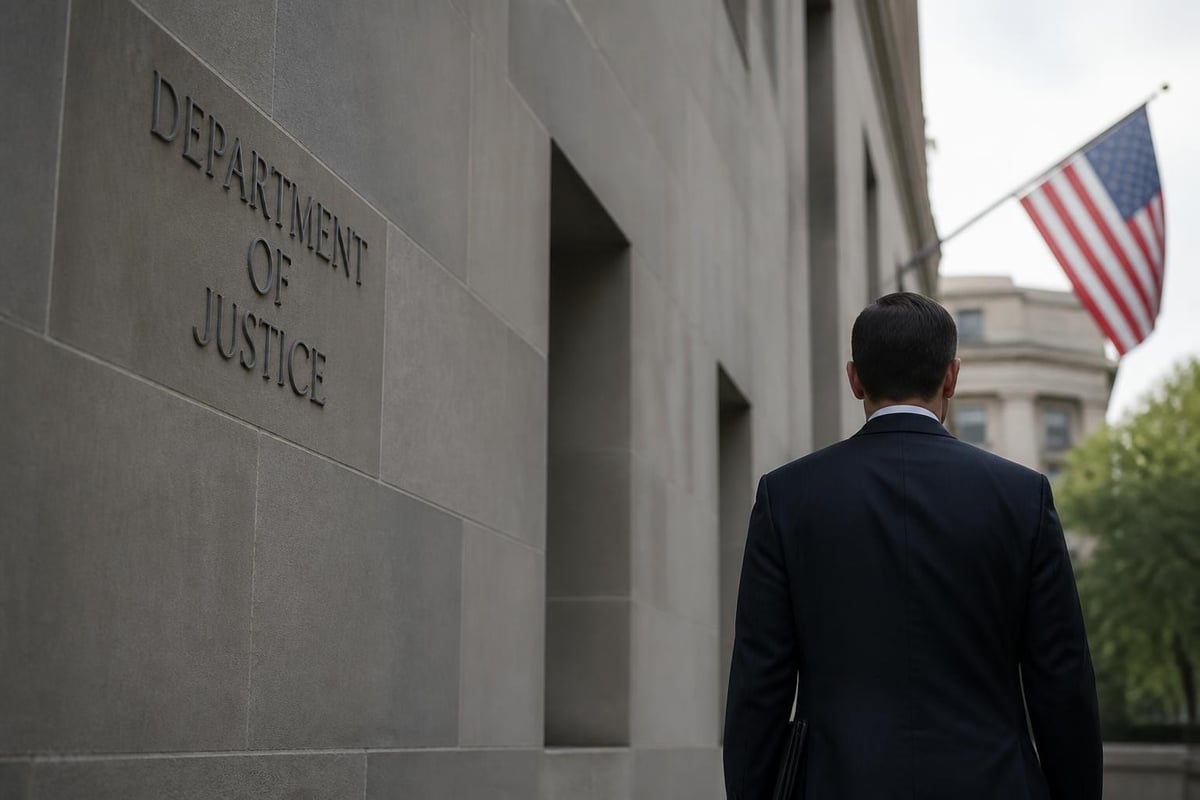
The Department of Justice stands as one of America's most critical institutions, tasked with enforcing federal law and ensuring justice across the nation. Yet throughout modern history, the agency has faced persistent challenges regarding its political independence. Department of justice political controversies have intensified in recent years as administrations from both parties navigate the delicate balance between executive authority and prosecutorial autonomy. These tensions raise fundamental questions about the rule of law, institutional integrity, and the proper relationship between elected officials and federal law enforcement.
Historical Context of Political Independence
The Department of Justice was established in 1870, designed to operate with a degree of independence from direct political pressure. This foundational principle emerged from the understanding that law enforcement decisions should be based on legal merit rather than partisan considerations.
Throughout the twentieth century, various administrations tested these boundaries. The Watergate scandal during the Nixon presidency revealed how political interference could undermine justice, leading to reforms intended to strengthen institutional independence. The Saturday Night Massacre, when President Nixon ordered the firing of Special Prosecutor Archibald Cox, became a defining moment that shaped public expectations about DOJ autonomy.
Modern Challenges to Institutional Norms
Recent decades have witnessed escalating tensions over federal investigations that touch presidential administrations. Department of justice political controversies now regularly dominate news cycles, reflecting deeper partisan divisions across American society.
Several factors contribute to this intensification:
- 24-hour news coverage amplifying every departmental decision
- Social media platforms enabling rapid mobilization around controversial cases
- Polarized political environment reducing trust in institutional neutrality
- High-stakes investigations involving senior officials and elected leaders
- Transparency demands conflicting with prosecutorial discretion
The Department's dual role creates inherent tension. As part of the executive branch, the Attorney General serves at the president's pleasure. Yet the DOJ must also function as an independent arbiter of justice, making decisions free from political calculation.
Leadership Transitions and Policy Shifts
Attorney General appointments often signal policy direction changes that generate significant controversy. The appointment of Harmeet Dhillon to lead the Civil Rights Division exemplifies how leadership changes reshape departmental priorities and enforcement strategies.
Each administration brings different enforcement philosophies. These variations affect everything from antitrust enforcement to civil rights protections, immigration policy implementation, and white-collar crime prosecution.
Recent Leadership Controversies
The Attorney General position has become increasingly contentious. Confirmation hearings now feature intense partisan scrutiny, with senators from both parties questioning nominees about potential conflicts and independence pledges.
Recent examples highlight the scrutiny facing DOJ leadership:
| Administration Period | Controversy Type | Primary Issue |
|---|---|---|
| 2021-2024 | Prosecutorial discretion | Treatment of specific case categories |
| 2017-2020 | Executive loyalty questions | Investigations touching the White House |
| 2009-2016 | Fast and Furious investigation | Congressional oversight conflicts |
| 2001-2008 | Attorney dismissals | Political motivation allegations |
The Justice Department has faced internal turmoil including high-profile resignations and allegations of bias that undermine public confidence. These departures often coincide with controversial decisions, feeding perceptions of political interference.
Immigration Enforcement Disputes
Immigration policy represents one of the most contentious areas where department of justice political controversies emerge. The federal-state dynamic creates ongoing friction, particularly when state governments resist federal enforcement priorities.
The Justice Department’s lawsuit against New Jersey for interfering with federal immigration laws illustrates how DOJ enforcement decisions become political flashpoints. Sanctuary city policies, state cooperation with federal authorities, and resource allocation for immigration cases all generate heated debate.
Federalism and Enforcement Priorities
Different presidential administrations emphasize varying aspects of immigration law. These shifts create whiplash effects for state and local officials attempting to navigate compliance.
Key tension points include:
- State versus federal authority over immigration enforcement
- Cooperation requirements for local law enforcement agencies
- Funding contingencies tied to compliance with federal priorities
- Constitutional limits on federal commandeering of state resources
The Department's immigration enforcement decisions ripple through communities nationwide, affecting millions of residents. Critics from different political perspectives accuse administrations of either overreach or neglect, depending on their policy preferences.
Civil Rights Enforcement and Allegations
Civil rights enforcement historically serves as a barometer for the Department's commitment to equal justice. The civil rights investigation into prosecutorial practices demonstrates ongoing concerns about racial equity in the justice system.
Department of justice political controversies intensify when enforcement priorities appear to shift along ideological lines. Decisions about which cases to pursue, which settlements to accept, and which policies to defend in court all carry political implications.
Prosecutorial Decision-Making Under Scrutiny
Justice Department attorneys have claimed political interference in prosecutorial decisions, raising alarms about institutional integrity. Career prosecutors expect to make charging decisions based on evidence and legal standards, not political considerations.
When attorneys perceive pressure to alter recommendations or change course for political reasons, institutional morale suffers. These concerns occasionally become public through resignations, whistleblower complaints, or congressional testimony.
The challenge lies in distinguishing legitimate policy direction from inappropriate interference. Attorneys General naturally set priorities that reflect administrative philosophies. However, intervention in individual case decisions crosses traditional boundaries that protect prosecutorial independence.
Weaponization Allegations Across Administrations
Perhaps the most serious accusations involve claims that administrations use the Justice Department as a weapon against political opponents. The Justice Department’s findings on alleged weaponization of federal law against pro-life individuals represents one perspective on this controversy.
These allegations flow from multiple directions. Supporters of various administrations claim their opponents misuse prosecutorial power, while their own enforcement priorities represent faithful execution of the law.
Defining Improper Politicization
Not all political awareness constitutes improper politicization. The Attorney General serves as a political appointee who naturally considers policy implications. The critical distinction involves whether cases proceed based on legal merit or political benefit.
Warning signs of improper politicization include:
- Timing decisions to maximize political impact
- Applying different standards to ideologically aligned defendants
- Overriding career prosecutor recommendations without legal justification
- Using criminal investigations to harass political opponents
- Declining to prosecute clear violations for political reasons
Public trust erodes when citizens perceive a two-tiered justice system. Department of justice political controversies persist partly because partisans on each side believe their opponents escape accountability while allies face selective prosecution.
Internal Management Challenges
The top management and performance challenges report identifies public trust and political influence among the Department's most pressing concerns. These internal challenges compound external pressures.
Managing over 100,000 employees across diverse functions creates inherent difficulties. Career civil servants, political appointees, and law enforcement personnel all operate under different expectations and incentive structures.
Cultural Divisions Within the Department
Department of justice political controversies sometimes reflect internal cultural tensions between career professionals and political leadership. Career attorneys may resist policy changes they view as legally questionable or normatively undesirable.
These dynamics create difficult situations where leadership must balance respect for institutional expertise with executing the elected administration's lawful priorities. When disputes over corruption cases or other sensitive matters become public, they damage the Department's reputation for unity and professionalism.
| Challenge Area | Impact on Operations | Mitigation Strategy |
|---|---|---|
| Morale issues | Reduced productivity, talent loss | Clear communication, respect for expertise |
| Conflicting priorities | Resource allocation disputes | Transparent priority-setting processes |
| External criticism | Defensive posture, risk aversion | Principled decision-making, public engagement |
| Whistleblower concerns | Internal investigations, media attention | Robust protection mechanisms, accountability |
Oversight Mechanisms and Accountability
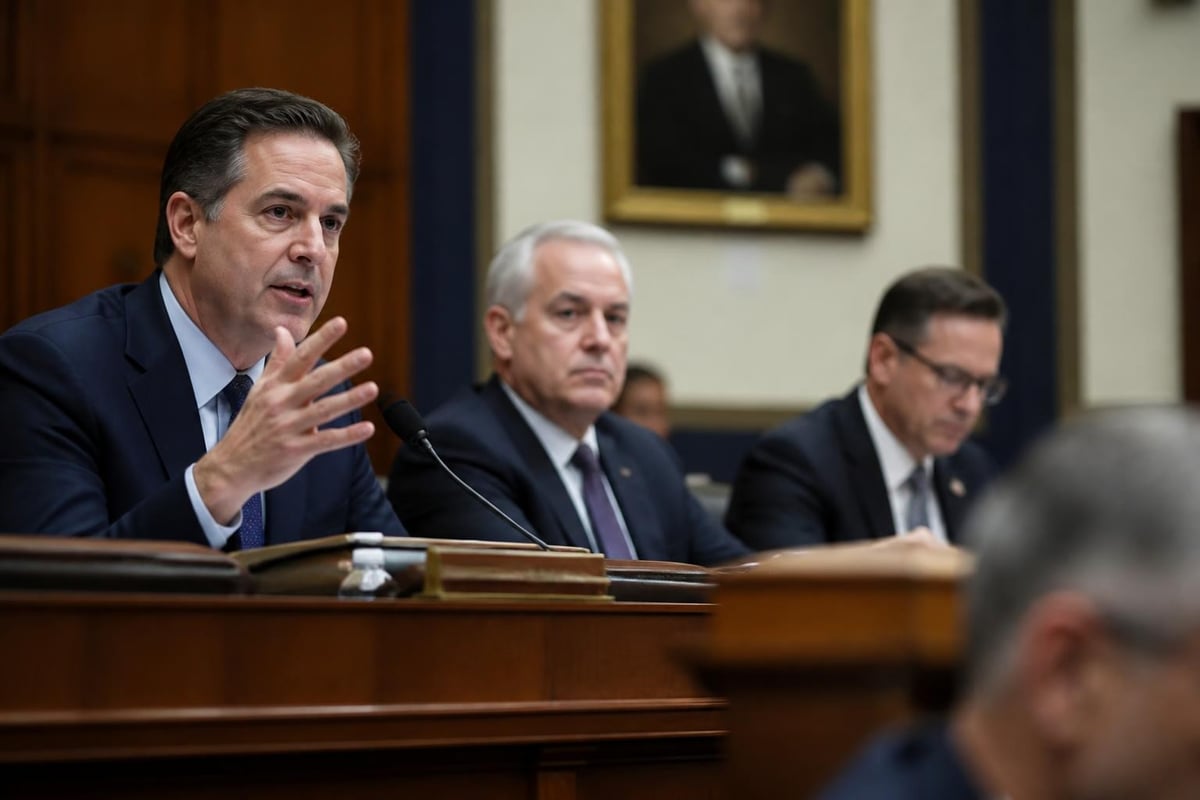
Congressional oversight represents a primary check on Department activities. Committees regularly summon officials to testify about controversial decisions, resource allocation, and enforcement priorities.
This oversight itself generates controversy when perceived as either insufficiently rigorous or politically motivated. Partisan committee leadership affects hearing focus, witness selection, and follow-up investigations.
Inspector General Investigations
The Office of Inspector General provides internal accountability through independent investigations. These examinations can validate concerns about improper conduct or exonerate officials from unfounded allegations.
Recent IG reports have addressed topics ranging from specific case handling to broader policy implementation questions. Their findings sometimes satisfy critics from multiple perspectives, though controversial cases rarely achieve universal acceptance of conclusions.
Alternative dispute resolution mechanisms like those provided by Expedited Arbitration Services demonstrate how structured processes can resolve conflicts efficiently. While criminal justice matters require different approaches, the principle of transparent procedures applies across contexts.
Media Coverage and Public Perception
Media treatment of department of justice political controversies significantly shapes public understanding. Coverage decisions about which developments merit attention, how to frame complex legal issues, and which sources to privilege all influence perception.
NPR’s examination of politicization concerns under Attorney General Pam Bondi illustrates how reporting can highlight gaps between promises and performance. Critical journalism serves essential accountability functions, though it can also amplify partisan narratives.
Information Ecosystems and Trust
Different media consumers inhabit distinct information environments. Partisan outlets emphasize controversies that support their ideological perspectives while downplaying others. This fragmentation makes achieving consensus about departmental conduct increasingly difficult.
Social media accelerates this dynamic, enabling rapid dissemination of both accurate information and misleading claims. Department officials face challenges responding effectively without appearing defensive or political themselves.
The erosion of shared factual foundations complicates efforts to rebuild institutional trust. When citizens fundamentally disagree about what occurred in specific cases, finding common ground about appropriate DOJ conduct becomes nearly impossible.
Structural Reforms and Future Considerations
Various proposals aim to reduce department of justice political controversies through structural changes. These suggestions range from modest procedural adjustments to fundamental reorganization.
Common reform proposals include:
- Fixed terms for the Attorney General to span electoral cycles
- Enhanced protections for career prosecutors from political interference
- Stricter recusal requirements for politically sensitive cases
- Greater transparency in charging decisions and case prioritization
- Independent prosecutorial authorities for certain case categories
Each proposal involves tradeoffs between competing values. Increased independence might reduce political interference but could also diminish democratic accountability. Greater transparency serves public interest but may compromise prosecutorial effectiveness.
Balancing Competing Interests
The fundamental challenge involves reconciling the Department's roles within a democratic system. As U.S. Presidential Report extensively covers, presidential administrations legitimately establish law enforcement priorities reflecting their electoral mandates.
Simultaneously, the rule of law requires consistent application regardless of political considerations. This tension cannot be entirely eliminated through structural changes alone. Cultural norms, professional ethics, and sustained public engagement remain essential components of any solution.
Studying historical patterns helps contextualize current controversies. The issues facing the Department in 2026 echo challenges from previous eras, though contemporary polarization and media dynamics amplify their intensity. Understanding this continuity provides perspective on what reforms might realistically achieve.
Impact on Democratic Governance
Department of justice political controversies affect governance quality beyond the specific cases involved. When significant portions of the population distrust law enforcement institutions, civic health suffers.
This distrust manifests in various ways. Jury pools may bring skepticism to criminal trials. Witnesses might hesitate to cooperate with investigations. Career professionals may avoid DOJ employment, reducing talent pools. International partners may question American commitments to rule of law principles.
Restoring Institutional Legitimacy
Rebuilding trust requires sustained commitment from multiple stakeholders. Political leaders must respect institutional boundaries even when frustrated by specific decisions. Department officials must demonstrate fidelity to professional standards above partisan loyalty. Media outlets should provide context that helps audiences understand complex legal issues. Citizens need realistic expectations about what justice systems can deliver.
The relationship between democracy and law enforcement remains perpetually dynamic. No perfect equilibrium exists, only ongoing negotiation of appropriate boundaries. Department of justice political controversies will continue emerging as new technologies, social movements, and political configurations create novel challenges.
Department of justice political controversies reflect fundamental tensions within democratic governance, raising critical questions about independence, accountability, and the rule of law. These challenges require ongoing attention from engaged citizens who understand both the Department's essential functions and the threats posed by excessive politicization. For comprehensive, non-partisan coverage of how presidential administrations navigate these complex issues, U.S. Presidential Report provides balanced analysis that helps readers understand the evolving relationship between politics and justice in America.