The Federal Bureau of Investigation serves as America's premier domestic intelligence and law enforcement agency, with authority that extends to investigating matters of national security, public corruption, and potential criminal activity involving political figures. When FBI political investigations explained become headline news, they often spark intense debate about the proper balance between law enforcement duties and the protection of democratic processes. Understanding how these investigations function, what legal frameworks govern them, and what safeguards exist helps citizens evaluate the Bureau's role in American governance.
Legal Authority and Framework for Political Probes
The FBI derives its investigative authority from multiple sources, including the Constitution, federal statutes, and executive orders. The Bureau operates under Title 28, Section 533 of the United States Code, which authorizes the Attorney General to appoint officials to detect and prosecute crimes against the United States. This broad mandate includes investigating federal crimes regardless of who commits them, whether ordinary citizens or high-ranking government officials.
Key legal foundations include:
- Federal criminal statutes covering corruption, fraud, espionage, and obstruction
- Foreign Intelligence Surveillance Act (FISA) governing surveillance of foreign powers
- Attorney General Guidelines establishing standards for investigations
- Inspector General oversight ensuring compliance with regulations
- Congressional authorization through appropriations and statutory mandates
The Department of Justice maintains strict policies regarding investigations involving political figures. These guidelines, updated periodically, require heightened approval levels and documentation when probes involve candidates for federal office, elected officials, or politically sensitive matters. The goal is preventing both actual impropriety and the appearance that the FBI operates with political bias.
Independence and Political Neutrality
Federal law protects FBI employees from political interference through civil service protections and specific statutory provisions. The FBI Director serves a ten-year term designed to span multiple presidential administrations, promoting continuity and independence. Presidents can remove directors but must demonstrate cause, creating a buffer against purely political dismissals.
The Hatch Act restricts most FBI employees from engaging in partisan political activities while on duty or using their official positions for political purposes. Violations can result in disciplinary action, including termination. These restrictions acknowledge that investigative decisions must rest on evidence and legal standards rather than political considerations.
Types of Political Investigations Conducted
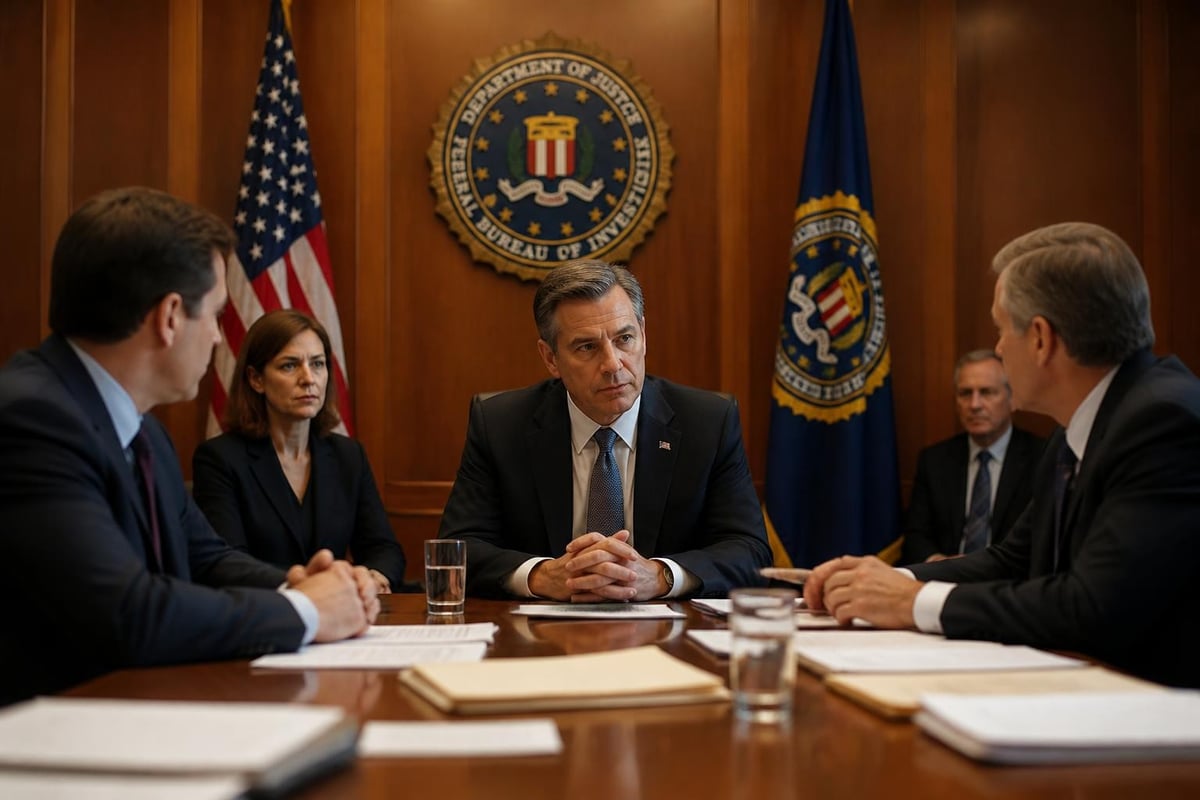
FBI political investigations explained typically fall into several distinct categories, each governed by specific protocols and legal requirements. Understanding these categories helps clarify when and why the Bureau becomes involved in matters touching on political figures or activities.
Public Corruption Cases
Public corruption represents the FBI's most common intersection with politics. The Bureau investigates federal, state, and local officials suspected of bribery, embezzlement, fraud, extortion, and other crimes involving abuse of public office. These investigations may target sitting officials, candidates, or former officeholders.
| Investigation Type | Common Charges | Recent Examples |
|---|---|---|
| Bribery | Honest services fraud, gratuities | Congressional members, mayors |
| Campaign Finance | Illegal contributions, coordination | Presidential campaigns, PACs |
| Obstruction | Witness tampering, evidence destruction | Various administrations |
| Foreign Influence | FARA violations, espionage | Congressional staff, advisors |
The evidence surrounding business dealings and political figures illustrates how these investigations can involve complex financial transactions spanning years.
Counterintelligence Investigations
Counterintelligence operations focus on identifying foreign intelligence threats to U.S. interests. When these investigations intersect with political campaigns or government officials, they generate particular controversy. The FBI must determine whether individuals with political connections pose security risks through witting or unwitting contact with foreign intelligence services.
These investigations can include:
- Surveillance of foreign agents attempting to influence American politics
- Background investigations for security clearances and political appointments
- Assessment of potential recruitment by foreign intelligence services
- Monitoring of foreign influence operations targeting campaigns or officials
- Investigation of unauthorized disclosure of classified information
The FBI’s background check process for presidential nominees demonstrates how counterintelligence concerns integrate with political vetting procedures.
Election Security Investigations
The FBI plays a significant role in protecting election infrastructure and investigating crimes that threaten electoral integrity. This includes voter fraud allegations, election system hacking, disinformation campaigns coordinated by foreign actors, and threats against election officials. These investigations require careful handling to avoid influencing electoral outcomes while still enforcing federal law.
Historical Context and Controversies
Understanding FBI political investigations explained requires examining historical episodes that shaped current practices and raised persistent questions about appropriate boundaries.
COINTELPRO and Its Legacy
From 1956 to 1971, the FBI conducted the Counter Intelligence Program, which targeted domestic political organizations through surveillance, infiltration, and disruption operations. COINTELPRO’s tactics and targets included civil rights leaders, anti-war activists, and various political groups, often without adequate legal justification.
The program's exposure led to comprehensive reforms:
- Creation of the Foreign Intelligence Surveillance Court
- Implementation of Attorney General Guidelines
- Enhanced congressional oversight through intelligence committees
- Establishment of DOJ Office of Professional Responsibility
- Strengthened protections for First Amendment activities
These reforms attempted to prevent future abuses while preserving legitimate investigative capabilities. The balance remains contested, particularly when politically sensitive investigations generate controversy.
Recent High-Profile Cases
The 2016 presidential election generated multiple investigations that continue influencing debates about FBI political investigations explained. The Crossfire Hurricane investigation examined potential coordination between the Trump campaign and Russian officials, eventually transitioning to Special Counsel Robert Mueller's probe. Subsequently, Special Counsel John Durham investigated the FBI's conduct in initiating and pursuing that investigation.
The Russiagate controversy evolution demonstrates how these investigations can become politically divisive regardless of their factual basis or outcomes. Critics across the political spectrum have accused the FBI of bias, overreach, or insufficient action depending on their perspectives.
The Durham investigation found that the FBI proceeded with insufficient evidence in certain aspects of the Russia investigation, while defenders argued the Bureau faced genuine counterintelligence concerns requiring investigation. This episode highlighted ongoing tensions about when political investigations should commence and how they should be conducted.
Oversight Mechanisms and Accountability
Multiple institutions provide oversight of FBI political investigations, creating checks against abuse while allowing legitimate law enforcement activities.
Congressional Oversight
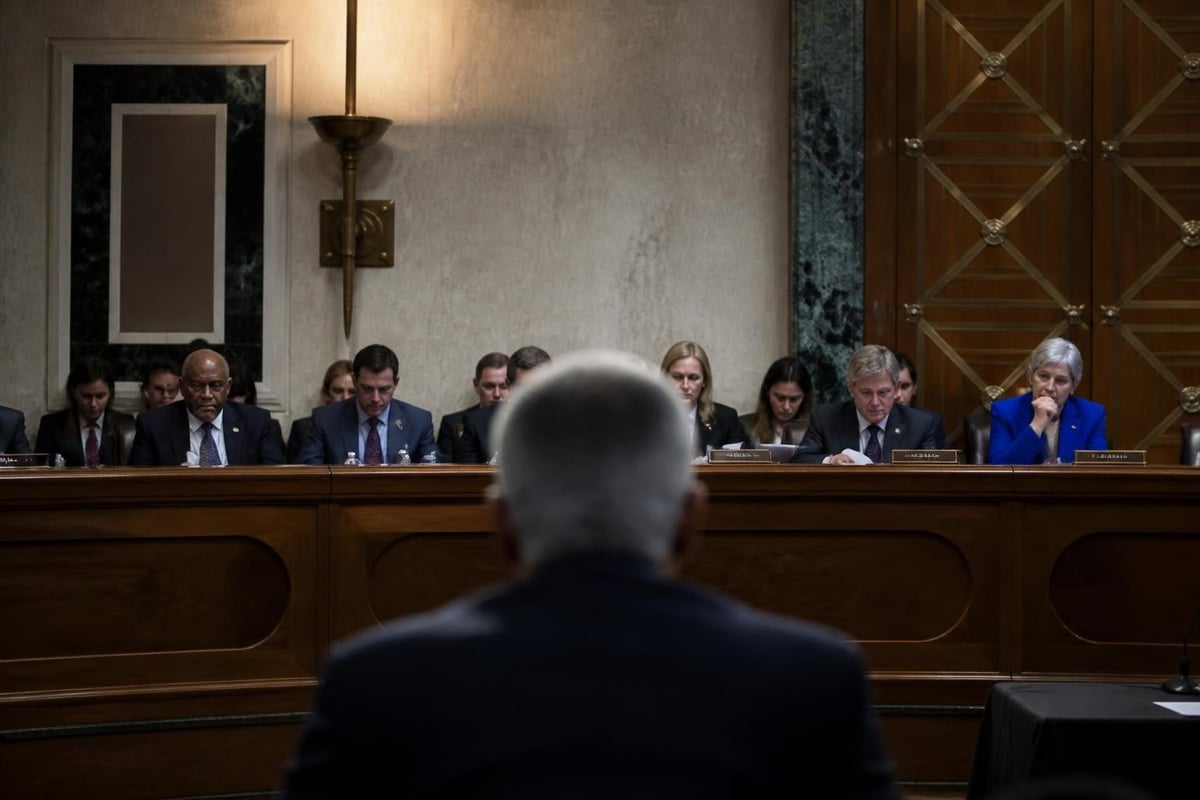
The House and Senate Judiciary Committees maintain general oversight of the FBI and Department of Justice. The intelligence committees oversee counterintelligence and foreign intelligence activities. These committees can demand testimony, documents, and briefings, though executive privilege claims sometimes limit access to sensitive information.
Congressional oversight tools include:
- Authorization and appropriations control
- Confirmation hearings for FBI Directors and senior officials
- Regular briefings on sensitive investigations
- Investigative hearings when controversies arise
- Legislative reforms mandating new procedures or restrictions
Internal and Inspector General Review
The Department of Justice Office of Inspector General conducts independent reviews of FBI operations, including politically sensitive investigations. The IG can investigate allegations of misconduct, examine compliance with policies, and recommend reforms. Recent IG reports have criticized aspects of FISA applications, record-keeping, and decision-making processes in high-profile cases.
The FBI's Inspection Division conducts internal compliance reviews, while the Office of Professional Responsibility investigates alleged misconduct by FBI employees. These mechanisms provide multiple layers of scrutiny beyond external oversight.
Judicial Oversight
Federal courts provide oversight through several mechanisms. Magistrate judges and district courts review search warrant applications and other investigative tools. The Foreign Intelligence Surveillance Court reviews applications for electronic surveillance and physical searches in national security investigations. Appeals courts and ultimately the Supreme Court can review FBI actions challenged as unconstitutional or illegal.
Challenges in Investigating Political Figures
FBI political investigations explained must address unique challenges when targets or subjects hold political positions or campaign for office. These investigations face heightened scrutiny and create risks of appearing politically motivated regardless of actual basis.
Timing Considerations
The Justice Department traditionally avoids overt investigative steps that could influence elections, particularly within 60 days of an election. This policy aims to prevent FBI actions from affecting electoral outcomes. However, this creates dilemmas when legitimate investigative needs conflict with political calendars.
Investigators must balance:
- Law enforcement imperatives requiring timely action
- Avoiding appearance of election interference
- Protecting both investigative integrity and democratic processes
- Managing information leaks that could influence public perception
- Coordinating with prosecutors on charging decisions
Managing Classified Information
Many political investigations involve classified information, creating tensions between transparency and national security. Courts must sometimes review evidence in camera, limiting public understanding of investigative basis and findings. This secrecy can fuel suspicions of impropriety even when investigations proceed appropriately.
The controversies over FBI political bias allegations illustrate how classified aspects of investigations can complicate public assessment of FBI conduct.
Standards and Procedures for Opening Investigations
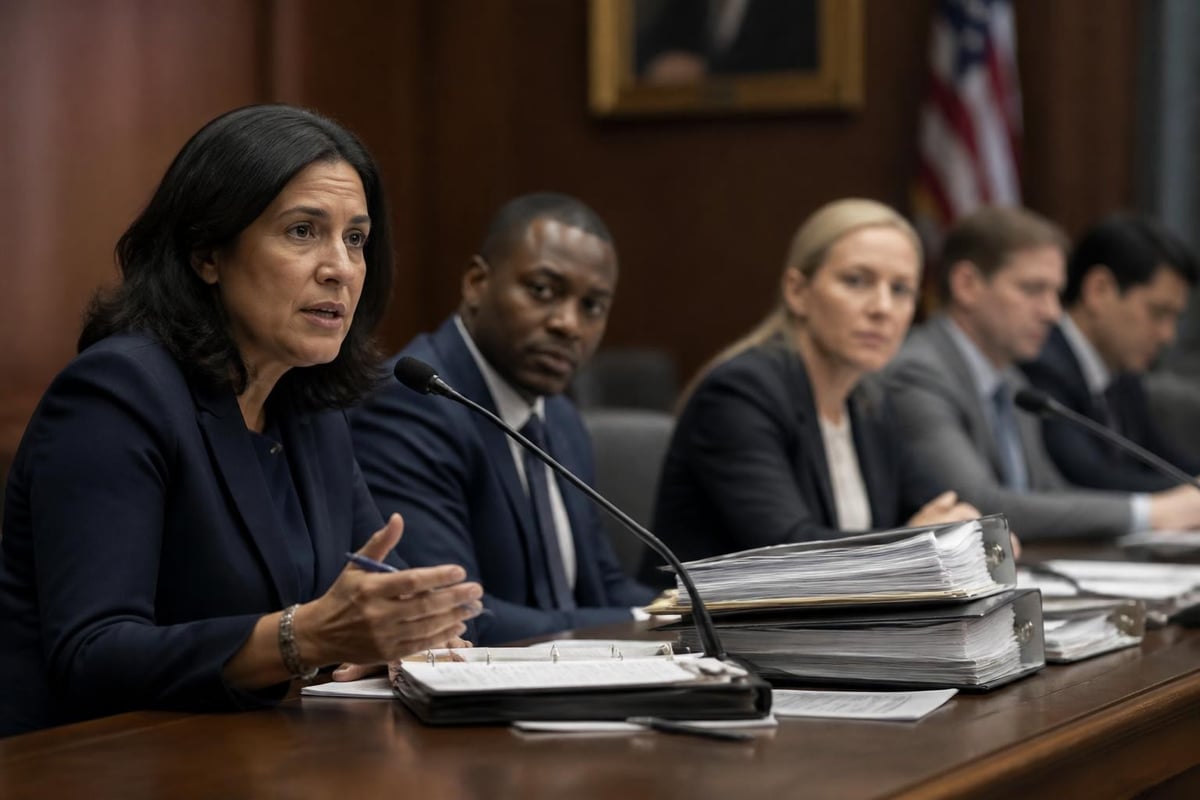
The FBI follows specific standards for initiating investigations, with heightened requirements for politically sensitive matters. Understanding these standards helps evaluate whether particular investigations had adequate justification.
Predicating Investigations
Federal guidelines require "predication" before opening investigations. This means specific facts or circumstances indicating possible criminal activity or threats to national security. The level of predication required varies by investigation type:
| Investigation Level | Predication Required | Authorized Activities | Duration Limits |
|---|---|---|---|
| Assessment | Authorized purpose | Limited techniques | Time-bound |
| Preliminary Investigation | Reasonable factual basis | Broader tools allowed | Up to 180 days |
| Full Investigation | Reasonable indication | All lawful techniques | Ongoing review |
Political sensitivity doesn't exempt investigations from these requirements but does trigger additional approval levels and documentation.
Special Approvals for Sensitive Matters
Investigations involving candidates for federal office, elected officials, religious or political organizations, or media entities require approval from FBI headquarters and often Justice Department leadership. These approvals ensure consistency, prevent rogue operations, and create accountability for sensitive decisions.
The approval process includes:
- Field office recommendation with detailed justification
- Review by FBI headquarters specialized units
- Assessment by Office of the General Counsel
- Briefing to FBI Director for most sensitive matters
- Notification to Attorney General or Deputy Attorney General
- Documented rationale preserving decision-making record
Public Perception and Institutional Credibility
FBI political investigations explained cannot ignore the impact these probes have on public trust in both the Bureau and democratic institutions. Polling consistently shows partisan divisions in FBI approval, with support often correlating to whether recent investigations targeted political allies or opponents.
The Bureau faces a paradox: aggressive investigation of political corruption builds trust that no one stands above the law, while those same investigations generate accusations of politicization from targets and their supporters. This dynamic makes maintaining institutional credibility challenging regardless of investigative outcomes.
Transparency Versus Confidentiality
The FBI traditionally maintains confidentiality about ongoing investigations, confirming or denying their existence only in exceptional circumstances. This protects subjects who may never face charges and preserves investigative integrity. However, this secrecy frustrates public desire for information about politically significant matters.
Recent years have seen departures from traditional confidentiality, including public statements about investigations involving presidential candidates. Critics argue these departures created harmful precedents, while defenders contend extraordinary circumstances justified transparency. The Mueller and Durham investigations demonstrate continuing debates about appropriate disclosure standards.
Reform Proposals and Ongoing Debates
Various stakeholders have proposed reforms to FBI political investigations, reflecting different priorities and concerns about current practices.
Common reform proposals include:
- Requiring special counsels for all investigations of presidents or major candidates
- Shortening or eliminating FBI Director terms to increase accountability
- Expanding congressional notification requirements
- Creating independent review panels for politically sensitive investigations
- Increasing transparency through regular public reporting
- Strengthening whistleblower protections for agents reporting misconduct
Each proposal involves tradeoffs between accountability and operational flexibility, transparency and confidentiality, independence and responsiveness to democratic control. No consensus exists on optimal reforms, reflecting fundamental disagreements about FBI's proper role and appropriate constraints.
The Future of Political Investigations
FBI political investigations explained will continue evolving as technology, foreign threats, and political dynamics change. Emerging challenges include:
Digital evidence and encryption complicating investigations while raising privacy concerns. The FBI increasingly encounters encrypted communications and data storage that can delay or prevent evidence collection.
Foreign influence operations using social media and cyber capabilities to affect American politics. The Bureau must identify and counter these threats while respecting First Amendment protections for political speech.
Polarization intensifying scrutiny of FBI actions and increasing likelihood that investigations will be perceived through partisan lenses. This environment makes maintaining credibility across political divides increasingly difficult.
Jurisdictional questions about state versus federal authority in election-related matters. The FBI's role in investigating state and local election issues remains contested, with some arguing for expanded federal involvement and others preferring state primacy.
The Bureau's handling of these challenges will shape American democracy and public trust in law enforcement institutions. Understanding FBI political investigations explained helps citizens evaluate whether the Bureau operates within appropriate boundaries and serves the public interest rather than partisan agendas. The relationship between oversight and presidential governance remains essential to maintaining this balance.
FBI political investigations explained represent a complex intersection of law enforcement necessity, constitutional protections, and democratic accountability. When the Bureau navigates these sensitive matters appropriately, it strengthens the rule of law; when it falters, it damages public trust and democratic norms. For comprehensive, non-partisan coverage of how these investigations affect presidential administrations and American governance, U.S. Presidential Report provides balanced analysis of current developments and historical context that helps readers understand these critical issues.