Arizona has transformed from a Republican stronghold into one of America's most competitive battleground states, fundamentally reshaping presidential electoral maps and campaign strategies. Understanding arizona election trends explained requires examining demographic shifts, voting behavior changes, and the unique characteristics that make the Grand Canyon State a critical presidential battleground. This transformation affects not only national politics but also serves as a case study for how rapidly evolving states influence presidential campaigns and governance decisions.
Demographic Transformation Driving Arizona's Political Shift
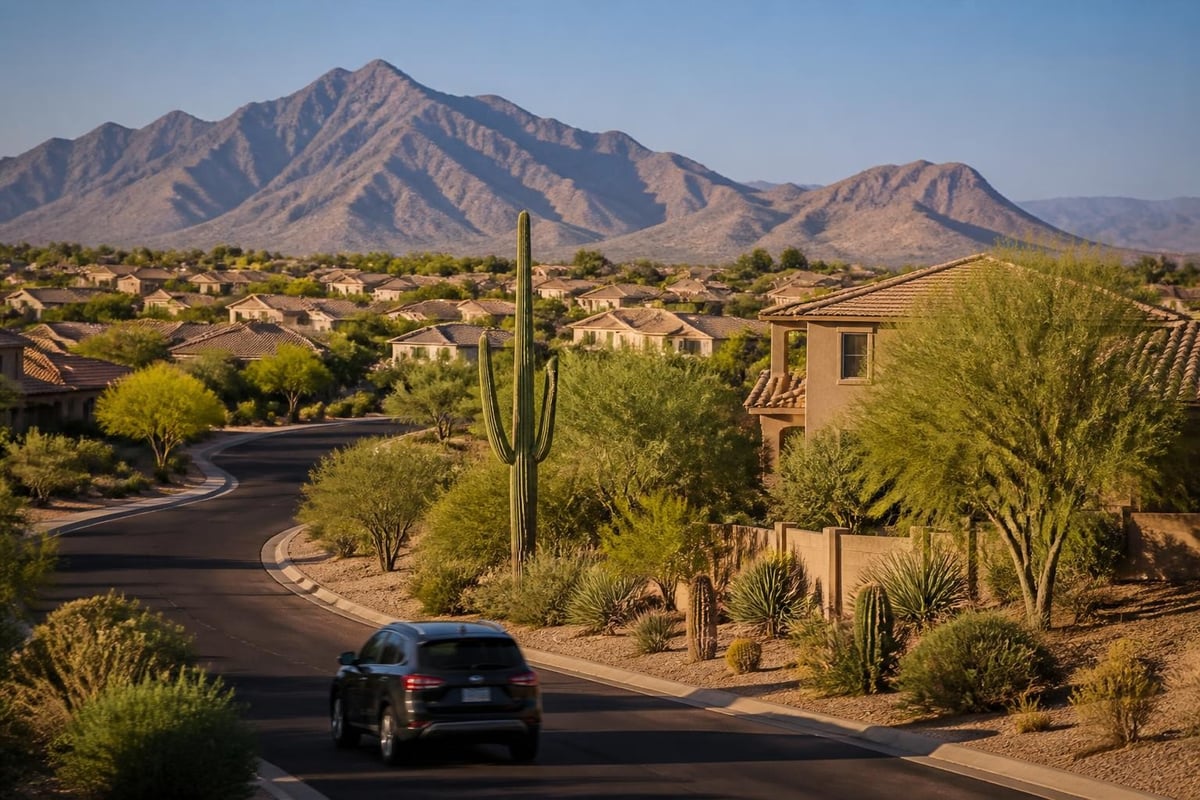
Arizona's population has grown by more than 13 percent since 2010, with much of this growth concentrated in Maricopa County, home to Phoenix and nearly 63 percent of the state's voters. This expansion has brought younger, more diverse, and college-educated residents who vote differently from the state's traditional electorate.
The Latino population now represents approximately 32 percent of Arizona residents, though their share of the actual electorate remains smaller due to age demographics and citizenship status. This growing demographic has steadily increased its electoral participation, particularly in presidential cycles where turnout efforts intensify.
Key demographic factors reshaping Arizona politics include:
- College-educated suburban voters moving to communities like Chandler, Gilbert, and Scottsdale
- Retirees from other states bringing varied political perspectives
- Native American communities with distinct voting patterns and access challenges
- Younger voters under 35 showing increased engagement in presidential elections
The Brookings Institution’s analysis of Arizona’s swing state status highlights how suburban Maricopa County has become the decisive battleground, with affluent neighborhoods that once voted reliably Republican now demonstrating competitive margins or Democratic leans.
Mail Voting Patterns and Election Administration
Arizona has maintained robust mail voting infrastructure for decades, making it one of the few states where both parties have historically embraced voting by mail. Approximately 80 percent of Arizona voters cast ballots by mail in recent presidential elections, creating unique logistical and political dynamics.
The Permanent Early Voting List System
Arizona's Permanent Early Voting List (PEVL) allows voters to automatically receive mail ballots for every election. As of 2026, more than 3.2 million Arizonans remain enrolled on this list, though recent legislative changes have introduced removal mechanisms for voters who don't participate across multiple election cycles.
This system has proven particularly advantageous for consistent voters and older demographics who prefer the convenience of mail voting. Presidential campaigns have adapted their strategies accordingly, focusing significant resources on early ballot collection and voter contact programs that encourage prompt ballot return.
| Voting Method | 2020 Share | 2024 Share | 2026 Projected |
|---|---|---|---|
| Mail/Early | 88% | 82% | 79% |
| Election Day | 12% | 18% | 21% |
The changes to Arizona’s voting laws since 2020 have introduced new requirements for ballot drop-off procedures and signature verification processes that affect how voters interact with the mail voting system.
Signature Verification and Cure Processes
Election officials must verify that signatures on mail ballot envelopes match signatures on file. When discrepancies arise, voters receive opportunities to "cure" their ballots by confirming their identity. The cure window and notification procedures have become contentious political issues, with debates centering on accessibility versus security.
Presidential campaigns now employ teams specifically dedicated to identifying voters whose ballots require curing and providing assistance throughout the cure process. This operational focus reflects how arizona election trends explained now include not just winning votes but ensuring those votes count through administrative follow-through.
Maricopa County as the Electoral Epicenter
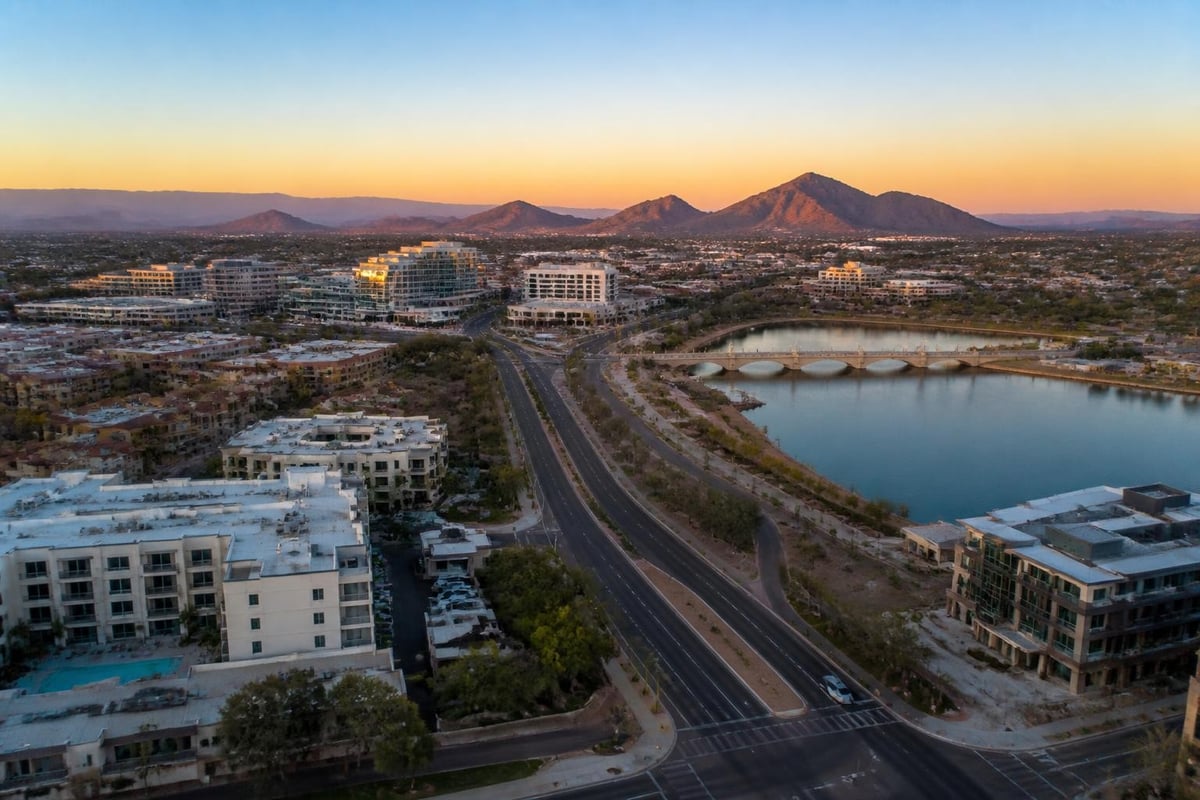
Maricopa County's dominance in Arizona elections cannot be overstated. With approximately 2.5 million registered voters, the county's results essentially determine statewide outcomes in competitive presidential races.
The county has experienced significant political volatility, swinging from supporting Republican presidential candidates by comfortable margins to narrowly backing Democrats in recent cycles. This shift primarily occurred in suburban communities rather than Phoenix proper.
Suburban communities showing the most dramatic shifts include:
- North Scottsdale and Fountain Hills (upscale, educated voters)
- Tempe and parts of Mesa (younger demographics, university influence)
- West Valley communities like Surprise and Goodyear (growing family populations)
- Chandler and Gilbert (tech sector growth, transplant communities)
Presidential candidates now invest disproportionate campaign resources in Maricopa County, recognizing that winning Arizona requires either carrying the county or losing it by minimal margins while compensating in other regions. For context on how presidential politics shapes these dynamics, readers can explore additional coverage at U.S. Presidential Report’s politics section.
Rural Arizona and the Republican Base
While urban and suburban trends receive significant attention, arizona election trends explained must also account for rural counties that remain Republican strongholds. Counties like Mohave, Yavapai, and Yuma consistently deliver Republican margins, though demographic changes and economic shifts gradually affect even these regions.
Rural turnout rates significantly impact statewide competitiveness. When rural voters mobilize at high levels, they can offset urban and suburban trends favoring Democrats. Presidential campaigns consequently invest in rural turnout operations, though these efforts receive less media attention than suburban persuasion campaigns.
The Interstate 17 Corridor
Communities along Interstate 17 north of Phoenix, including Prescott Valley, Camp Verde, and Flagstaff, represent a microcosm of Arizona's political diversity. These areas blend retirees, university communities, and traditional rural populations, creating competitive local races even as the region leans Republican overall.
Flagstaff, home to Northern Arizona University, stands out as a Democratic-leaning community in an otherwise conservative region, demonstrating how educational institutions influence local voting patterns regardless of surrounding political geography.
Native American Voting Patterns and Access
Arizona's 22 federally recognized tribes represent both a significant voting bloc and persistent election access challenges. Native American communities have historically faced obstacles including limited polling locations, long distances to ballot drop boxes, and inadequate voter registration services.
The Arizona State University research on voter attitudes reveals that tribal communities demonstrate strong civic engagement when access barriers are addressed, with some reservations showing turnout rates comparable to or exceeding state averages in presidential elections.
Presidential campaigns have increasingly prioritized tribal outreach, recognizing that Native voters can provide decisive margins in close statewide races. These efforts include culturally appropriate messaging, hiring tribal liaisons, and supporting increased polling location access on reservations.
| County with Major Tribal Lands | Registered Voters | Typical Turnout | Presidential Lean |
|---|---|---|---|
| Apache County | 47,000 | 62-68% | Democratic +25 |
| Navajo County | 65,000 | 58-64% | Democratic +12 |
| Coconino County | 89,000 | 66-72% | Democratic +8 |
Independent Voters and the Persuasion Battleground
Arizona's registered independent voters now outnumber registered Republicans in several key counties, fundamentally changing how presidential campaigns approach the state. These independents do not simply split evenly between parties; they demonstrate distinct voting patterns influenced by candidate quality, issue salience, and campaign messaging.
Issue Priorities Driving Independent Voters
Independent Arizona voters prioritize different issues than strong partisans, creating opportunities for presidential candidates who successfully address cross-cutting concerns. Economic issues, particularly inflation and job growth, consistently rank as top priorities regardless of partisan affiliation.
Water resources and environmental sustainability resonate particularly strongly in Arizona, where drought conditions and Colorado River allocations affect daily life. Presidential candidates who demonstrate understanding of western water issues gain credibility with independent voters skeptical of national politicians.
Immigration policy remains complex in Arizona, with voters holding nuanced views that don't align neatly with partisan positions. Border security concerns coexist with recognition of immigration's economic and cultural importance, creating persuasion opportunities for candidates who avoid ideological extremes. Additional perspectives on how immigration shapes presidential politics can be found at U.S. Presidential Report’s immigration coverage.
Election Administration and Voter Confidence
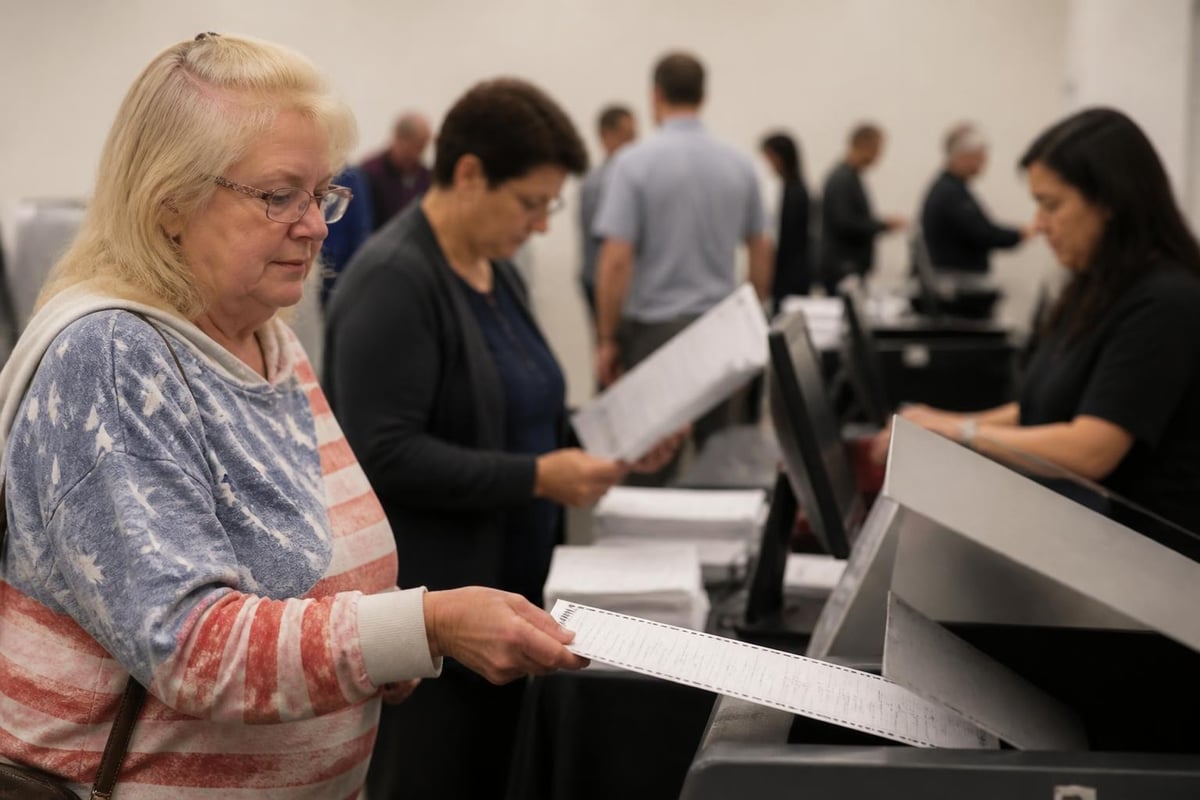
The integrity and efficiency of Arizona's election administration has become a political flashpoint, affecting voter confidence and participation. Maricopa County’s detailed reports on election equipment and auditing provide transparency into procedures, yet political controversies persist.
Election officials face the dual challenge of maintaining secure, accurate elections while building public trust amid misinformation and partisan criticism. Presidential elections intensify these pressures, as national attention scrutinizes every administrative decision and occasional procedural error.
Key administration factors affecting voter experience include:
- Ballot processing timelines and result reporting schedules
- Polling location distribution and wait times
- Ballot design and voting equipment reliability
- Voter education and misinformation counteraction efforts
The Stanford-MIT Healthy Elections Project report on Arizona examined how pandemic-era procedural changes affected voter access and confidence, providing frameworks for understanding ongoing administrative evolution.
Early Voting Trends and Campaign Strategy
Arizona's extended early voting period, combined with high mail ballot usage, means presidential campaigns must maintain sustained operations rather than concentrating resources on a single Election Day push. This dynamic affects resource allocation, messaging timing, and volunteer deployment.
Campaigns track early vote returns daily, adjusting strategies based on which demographics have already voted and which require additional mobilization efforts. This data-driven approach has intensified in recent cycles, with sophisticated modeling predicting outcomes before Election Day arrives.
The "Ballot Chase" Operation
Arizona campaigns employ "ballot chase" programs specifically targeting voters who received mail ballots but haven't returned them. These operations involve phone calls, door knocking, and text messages reminding voters to complete and submit ballots before the deadline.
The effectiveness of ballot chase programs often determines close presidential races in Arizona. Campaigns that successfully identify and mobilize their supporters who hold unreturned ballots gain measurable advantages in final tallies.
County-Level Variations and Regional Patterns
Arizona election trends explained at the state level can obscure significant county-level variations that presidential campaigns must navigate. Pima County (Tucson) consistently leans Democratic but with smaller margins than its population might suggest, while counties along the Mexican border show distinct voting patterns influenced by local economic conditions and immigration policy views.
The Arizona Center for Investigative Reporting’s precinct-level mapping reveals granular patterns that aggregate county data conceals, showing how specific neighborhoods and communities shift between election cycles.
Smaller counties like Graham, Greenlee, and La Paz receive minimal campaign attention but can provide surprising insights into broader trends. Presidential campaign strategists monitor these counties for early signals of enthusiasm or disengagement among rural voters.
| Region | Population % | Turnout Rate | Swing Potential |
|---|---|---|---|
| Maricopa County | 63% | 72-76% | High |
| Pima County | 16% | 68-73% | Moderate |
| Rural Counties | 21% | 65-70% | Low |
Generational Divides and Age-Based Voting Patterns
Arizona demonstrates pronounced generational voting differences, with voters over 65 showing distinct preferences from those under 35. Retirees, particularly those who relocated from other states, bring established political identities that Arizona campaigns attempt to reinforce rather than change.
Younger voters, including college students and recent graduates, demonstrate less party loyalty and more issue-based voting, creating persuasion opportunities for presidential candidates who effectively communicate on topics like student debt, climate policy, and economic opportunity.
The generational divide extends beyond candidate preference to voting method preference, with older voters embracing mail ballots at higher rates while younger voters show more variation in their voting method choices. Presidential campaigns adjust their get-out-the-vote operations to account for these generational differences in voting behavior.
Media Markets and Campaign Communication
Arizona's media landscape influences how presidential campaigns communicate with voters. The Phoenix media market dominates, but Tucson maintains a distinct market requiring separate advertising buys and messaging strategies.
Spanish-language media plays an increasingly important role, with campaigns investing in radio, television, and digital advertising targeting Latino voters. The effectiveness of Spanish-language outreach affects not just vote share but also turnout levels among communities that presidential candidates must mobilize to win statewide.
Digital advertising has grown substantially, with campaigns using sophisticated targeting to reach specific voter segments based on demographics, online behavior, and consumer data. This precision allows presidential campaigns to deliver customized messages to suburban moderates, rural conservatives, and urban progressives simultaneously.
Looking Ahead: Arizona's Evolving Electoral Landscape
Arizona election trends explained through 2026 data suggest continued competitiveness in presidential races, with neither party holding decisive structural advantages. The state's growth continues, bringing new voters whose political preferences remain uncertain and subject to campaign influence.
Climate and water issues may gain increased salience as drought conditions persist and policy debates intensify. Presidential candidates who develop credible positions on Colorado River management and sustainable growth will likely gain favor among Arizona voters concerned about long-term viability.
The state's election administration debates show no signs of resolution, meaning voter confidence and turnout may continue fluctuating based on political messaging around election integrity. How presidential campaigns navigate these controversies while maintaining focus on substantive policy issues will influence their Arizona performance.
Understanding these complex dynamics provides essential context for following presidential campaigns and their strategic decisions in Arizona. As demographic shifts continue and political coalitions evolve, staying informed about arizona election trends explained helps citizens engage more effectively with the democratic process. For comprehensive, non-partisan coverage of presidential elections and how candidates approach critical battleground states like Arizona, U.S. Presidential Report delivers the analysis and context you need to understand the forces shaping American presidential politics.