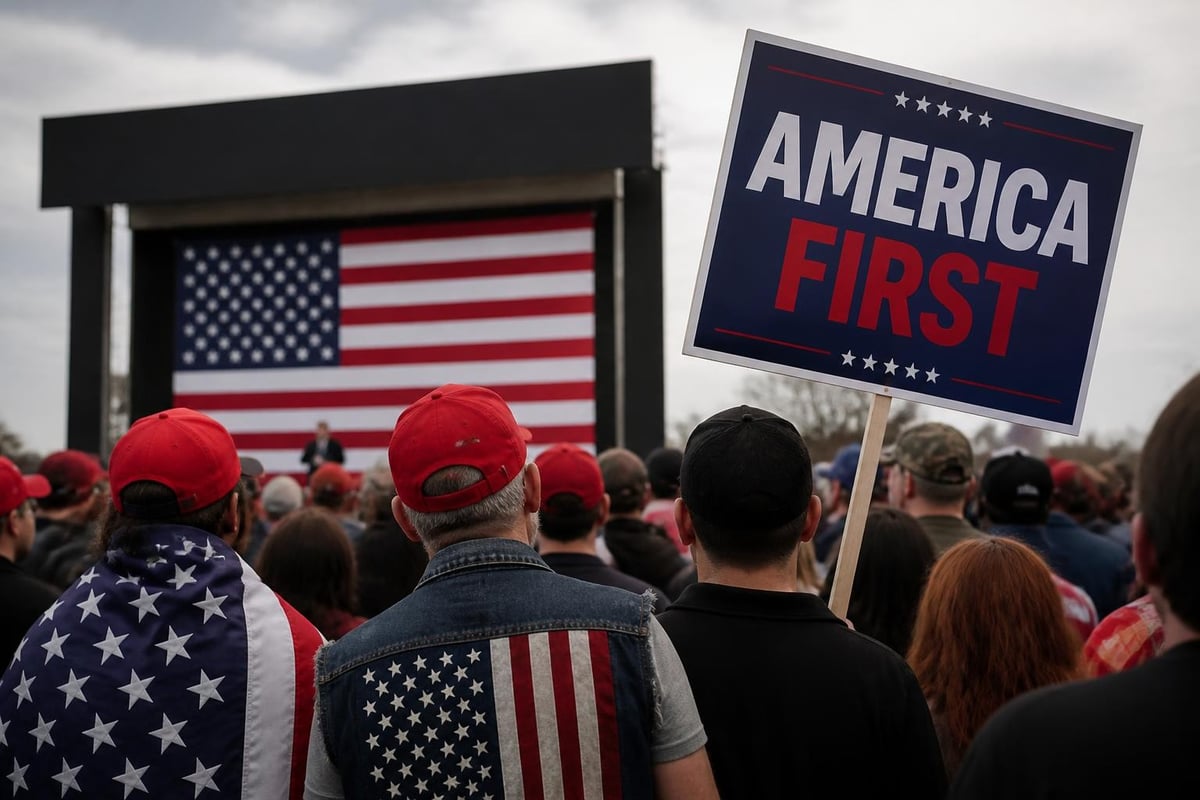
The term "America First" has become one of the most defining phrases in contemporary Republican politics, representing a significant shift in the party's approach to trade, immigration, and foreign policy. Understanding America First Republicans explained requires examining both the historical context of this movement and its modern manifestation within the GOP. This faction has reshaped traditional Republican positions on international alliances, free trade agreements, and military intervention, creating a new political paradigm that prioritizes national sovereignty and economic protectionism over the globalist consensus that dominated both parties for decades.
Origins and Historical Context of America First
The phrase "America First" carries historical weight dating back to the pre-World War II isolationist movement, but its modern Republican incarnation emerged during the 2016 presidential campaign. This contemporary version represents a deliberate break from the post-Cold War Republican establishment that championed free trade, military intervention, and international institution-building.
The movement gained institutional legitimacy when official White House policy directives formally established America First principles as the guiding framework for U.S. foreign policy in January 2025. This marked a transition from campaign rhetoric to codified government doctrine.
Key Philosophical Tenets
America First Republicans explained involves understanding several core beliefs that distinguish this faction from traditional conservatives:
- Economic nationalism over free-market globalism
- Border security as a primary national security concern
- Skepticism of multilateral institutions like NATO and the United Nations
- Transactional foreign policy that demands measurable returns on American investment
- Manufacturing revival through protective tariffs and reshoring initiatives
These principles represent a fundamental reorientation of Republican ideology away from the Reagan-era consensus that emphasized American leadership of the international liberal order.
Trade Policy and Economic Nationalism
Economic nationalism stands as perhaps the most distinctive feature when America First Republicans explained their policy agenda. This approach represents a sharp departure from decades of Republican support for free trade agreements.
Tariff Strategy and Implementation
The America First tariff policies implemented between 2018 and 2024 targeted imports from China, Europe, and other trading partners with duties ranging from 10% to 25%. Proponents argued these measures would protect American manufacturing jobs and reduce the trade deficit.
| Trade Policy Element | Traditional GOP Position | America First Position |
|---|---|---|
| Tariffs | Generally opposed | Strategic tool for leverage |
| Trade agreements | Support multilateral deals | Prefer bilateral negotiations |
| China policy | Engagement and integration | Economic decoupling |
| Supply chains | Global efficiency focus | Domestic resilience priority |
The comprehensive trade agenda broke with postwar norms by viewing trade deficits as inherently problematic and treating allies and adversaries with similar skepticism regarding trade practices.
Manufacturing and Industrial Policy
America First Republicans advocate for government intervention to revive domestic manufacturing, particularly in strategic sectors like semiconductors, pharmaceuticals, and critical minerals. This interventionist approach contrasts sharply with traditional Republican free-market principles.
The movement has pushed for tax incentives, regulatory relief, and direct subsidies to companies that manufacture in the United States. This represents a form of industrial policy more commonly associated with Democratic progressives than conservative Republicans.
Immigration and Border Security
When America First Republicans explained their immigration stance, border security emerges as both a practical policy priority and a symbolic representation of national sovereignty. This issue has become perhaps the most emotionally resonant aspect of the movement.
Policy Positions and Enforcement
America First immigration policy emphasizes:
- Physical border barriers including walls and fencing along the southern border
- Enhanced interior enforcement with increased deportations
- Restrictions on legal immigration including limits on asylum and refugee admissions
- E-Verify mandates requiring employers to verify worker eligibility
- End to sanctuary city policies through federal funding restrictions
According to recent polling data, Republican voters consistently rank immigration among their top concerns, with significant majorities supporting more restrictive policies. This public opinion data demonstrates the political resonance of America First messaging on this issue.
The immigration policy coverage at U.S. Presidential Report tracks how these proposals have evolved across different presidential administrations and their implementation challenges.

Foreign Policy Transformation
The foreign policy dimension of America First Republicans explained reveals perhaps the most dramatic break with previous Republican orthodoxy. This shift has created significant tensions within the GOP between traditional hawks and the new nationalist wing.
Alliance Skepticism and Transactionalism
America First Republicans question the value of traditional alliances, particularly NATO, arguing that allies have failed to meet their defense spending commitments while benefiting from American protection. This skepticism extends to international institutions generally.
Foreign policy analysis has documented how America First thinking has reshaped Republican attitudes toward Ukraine aid, with younger and more nationalist Republicans opposing continued military assistance while traditional defense hawks maintain support.
Non-Interventionist Tendencies
The movement advocates ending "endless wars" and avoiding new military commitments abroad. This position represents a return to earlier Republican isolationist traditions but conflicts with the party's post-9/11 interventionist consensus.
The Council on Foreign Relations assessment examines how these principles have influenced recent national security documents, creating tension between America First political rhetoric and institutional defense planning.
| Foreign Policy Issue | Traditional Hawks | America First Position |
|---|---|---|
| NATO | Essential alliance | Outdated burden |
| Russia | Primary adversary | Potential partner |
| China | Economic competitor | Existential threat |
| Middle East | Active engagement | Minimize involvement |
| Ukraine support | Vital for democracy | European problem |
Intra-Party Divisions and Factionalism
Understanding America First Republicans explained requires recognizing this is not a monolithic movement but rather a coalition with internal tensions. The faction competes with other Republican tendencies for influence over party direction.
Establishment vs. Populist Wings
Traditional Republican donors, consultants, and elected officials from the Bush era often clash with America First populists over trade, immigration, and foreign policy. These establishment figures maintain influence in corporate boardrooms and think tanks even as they've lost ground in primary elections.
The Hoover Institution analysis explores alternative conservative foreign policy traditions that compete with America First nationalism, including Reaganite internationalism and libertarian non-intervention.
Regional and Demographic Variations
America First strength varies by geography and demographics:
- Strongest: Rural areas, Rust Belt states, working-class voters
- Contested: Suburban districts, Sun Belt growth areas
- Weakest: Urban areas, college-educated professionals, coastal regions
This geographic and demographic distribution shapes primary contests and general election strategy, with candidates calibrating their America First rhetoric based on district composition.
Electoral Impact and Political Strategy
The electoral success of America First Republicans explained much of the movement's growing influence within the GOP. Candidates who embrace these positions have won numerous primary contests against establishment-backed opponents.
Primary Election Dynamics
Since 2016, America First-aligned candidates have demonstrated consistent success in Republican primaries, particularly in safe GOP districts where the primary effectively determines the general election outcome. This has created strong incentives for ambitious Republicans to adopt America First positions regardless of personal conviction.
Key factors driving primary success include:
- Media attention from controversial statements
- Grassroots enthusiasm and small-dollar donations
- Social media engagement bypassing traditional media gatekeepers
- Anti-establishment credibility with base voters
- Alignment with presidential leadership when applicable
General Election Considerations
General election performance presents a more mixed picture. America First candidates often struggle in competitive suburban districts where college-educated voters have trended Democratic, but perform well in working-class areas that previously supported Democrats.
Policy Implementation and Governance Challenges
When America First Republicans explained their agenda on the campaign trail, implementation proved more complex than rhetoric suggested. Governing requires navigating constitutional constraints, bureaucratic resistance, and international realities.
Executive Branch Actions
America First policy has been implemented primarily through executive authority:
- Trade tariffs under national security provisions
- Immigration enforcement through regulatory changes
- Foreign policy via presidential discretion
- Agency reorientation through personnel changes
- Budget priorities within executive control
Legislative achievements have proven more elusive, as comprehensive immigration reform and infrastructure investment require congressional cooperation that has often proved difficult to obtain.
Institutional Resistance
Career bureaucrats, federal judges, and international partners have all, at various times, resisted or constrained America First initiatives. This resistance has forced the movement to develop more sophisticated implementation strategies and legal frameworks.
The political coverage section examines ongoing battles over policy implementation across different branches of government.
Media and Communication Strategy
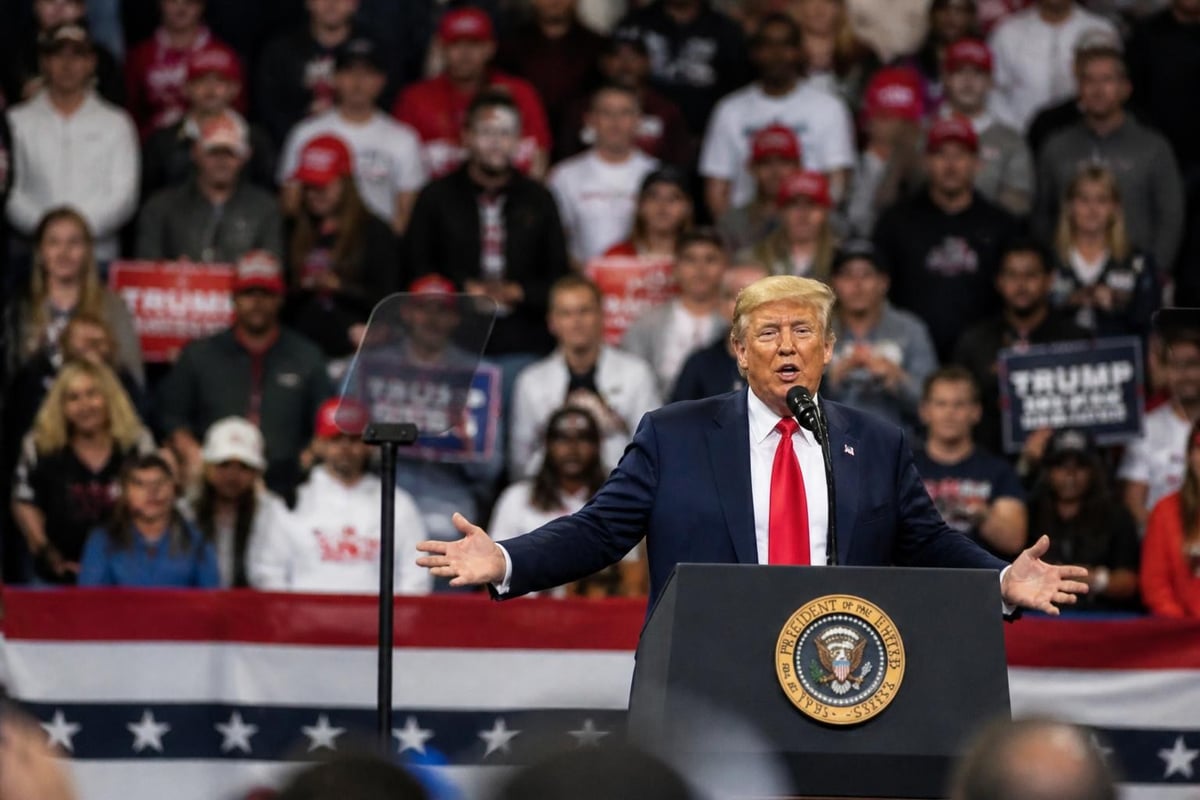
America First Republicans explained their positions through communication strategies that bypass traditional media gatekeepers and speak directly to supporters. This approach has become a defining characteristic of the movement.
Direct Communication Channels
The movement pioneered the use of social media platforms, email lists, and alternative media outlets to communicate directly with supporters. This strategy reduces dependence on mainstream media coverage while building loyalty through unfiltered messaging.
Rally speeches, podcasts, and conservative media appearances allow America First Republicans to frame issues on their own terms and maintain constant engagement with the base between election cycles.
Confrontational Messaging
America First communication style tends toward confrontation rather than consensus-building. This approach energizes supporters but often alienates potential swing voters and makes bipartisan cooperation difficult.
Economic Performance and Policy Results
Evaluating the economic outcomes of America First policies remains contested, with supporters and critics drawing different conclusions from the same data. Employment, wage growth, trade balances, and manufacturing output all figure in these debates.
Manufacturing and Employment
Supporters point to manufacturing job growth during America First governance periods and rising wages for workers without college degrees. Critics note these trends began before America First policies took effect and question whether tariffs accelerated or hindered progress.
Trade Deficit Reality
Despite aggressive tariff policies, the overall trade deficit has not significantly declined during America First governance. This reality has complicated the movement's economic narrative but has not significantly eroded political support among base voters who prioritize the symbolic assertion of sovereignty over statistical outcomes.
Future Trajectory and Evolution
The future of America First Republicans explained involves questions about whether this represents a temporary deviation or permanent transformation of Republican ideology. Several factors will determine the movement's long-term influence.
Generational Succession
Younger Republican voters and politicians show mixed attitudes toward America First principles. Some embrace economic nationalism and immigration restriction enthusiastically, while others prioritize different issues like climate technology or criminal justice reform.
The presidential list tracks how different presidential candidates have positioned themselves relative to America First ideology.
Policy Adaptation
As global conditions evolve, America First positions may need to adapt. Climate change, artificial intelligence, and emerging technologies present challenges that don't fit neatly into the existing America First framework.
The movement's ability to develop coherent positions on these new issues will partly determine whether it remains politically viable or becomes associated solely with a specific historical moment.
America First Republicans represent a significant ideological shift within the GOP, prioritizing economic nationalism, border security, and foreign policy restraint over traditional conservative internationalism. For readers seeking comprehensive, non-partisan coverage of how presidential administrations navigate these policy debates, U.S. Presidential Report provides balanced analysis of both current and historical presidential approaches to trade, immigration, and foreign policy. Stay informed about how these evolving political factions shape presidential decision-making and American governance.