The us energy independence debate has become one of the most contentious issues in American presidential politics, influencing everything from campaign promises to executive orders. This discussion extends far beyond simple production numbers, touching on national security, economic competitiveness, environmental concerns, and international relations. As presidential candidates outline their energy visions for the nation's future, understanding the nuances of this debate becomes essential for voters and policy analysts alike.
Defining Energy Independence in Political Context
Energy independence means different things to different political stakeholders. At its core, the concept refers to producing enough energy domestically to meet national consumption needs without relying on foreign imports.
However, the reality is far more complex than this simple definition suggests. The United States operates within a global energy market where prices, supply chains, and demand fluctuate constantly. Even when domestic production exceeds consumption, American companies continue to import and export energy products based on market dynamics, refinery capabilities, and transportation logistics.
The Measurement Challenge
Presidential administrations have historically measured energy independence using different metrics:
- Net energy trade balance (exports minus imports)
- Crude oil production levels compared to consumption
- Total energy production including all sources
- Import dependency ratios by fuel type
- Strategic petroleum reserve holdings
According to analysis from FactCheck.org examining energy independence claims, these varying metrics allow different administrations to present conflicting narratives about their energy achievements. This measurement inconsistency fuels partisan debates about which president deserves credit for advances in domestic energy production.
Historical Presidential Approaches to Energy Policy
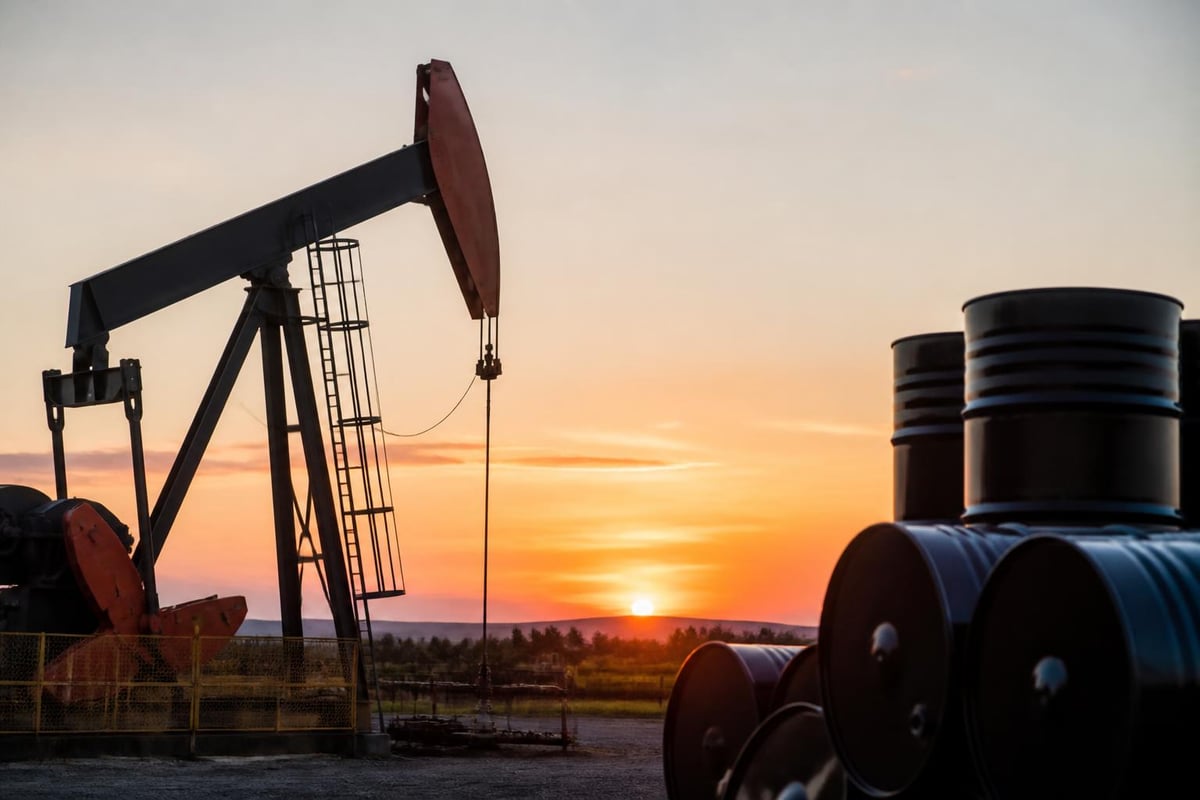
Every president since Richard Nixon has addressed energy security, though their strategies have differed dramatically. The us energy independence debate gained momentum during the 1973 oil crisis when Middle Eastern nations imposed an embargo that crippled the American economy.
Presidents from both parties have pursued various pathways toward reduced energy dependence. Jimmy Carter championed conservation and alternative energy research while installing solar panels on the White House. Ronald Reagan removed those panels and emphasized market-driven solutions. Bill Clinton balanced environmental concerns with domestic production, while George W. Bush promoted both fossil fuel development and early renewable energy initiatives.
| President | Primary Energy Strategy | Key Achievements |
|---|---|---|
| Obama | Clean energy transition | Doubled renewable capacity, CAFE standards |
| Trump | Energy dominance | Lifted drilling restrictions, pipeline approvals |
| Biden | Climate-focused transition | Rejoined Paris Agreement, renewable investments |
Barack Obama's administration oversaw a shale revolution that dramatically increased domestic oil and gas production through hydraulic fracturing, even while promoting renewable energy development. The comprehensive overview of how the U.S. oil and gas industry operates demonstrates how technological advances during this period transformed American energy capabilities.
The Shale Revolution's Political Impact
The technological breakthrough in hydraulic fracturing and horizontal drilling reshaped the entire us energy independence debate. Previously inaccessible oil and gas reserves became economically viable, transforming the United States from a declining producer into a global energy powerhouse.
This shift created unexpected political alliances and divisions. Some environmentalists who supported reduced foreign oil dependence found themselves opposing the very technologies making that independence possible. Meanwhile, traditional energy security advocates embraced fracking despite environmental concerns.
Current Production Realities and Political Rhetoric
As of 2026, the United States continues producing record amounts of crude oil and natural gas. The nation regularly exports more energy than it imports, a position unthinkable just two decades ago. Yet the us energy independence debate remains intensely polarized.
Presidential candidates leverage energy statistics selectively to support their narratives:
- Pro-drilling advocates emphasize crude oil production records and reduced import dependency
- Climate-focused politicians highlight growing renewable energy capacity and declining coal consumption
- Economic populists point to gasoline prices as evidence of policy success or failure
- National security experts debate strategic reserve levels and supply chain vulnerabilities
The Export Paradox
One frequently misunderstood aspect of the us energy independence debate involves the continued importation of foreign oil despite domestic production surpluses. American refineries are configured to process specific crude oil grades, sometimes making it economically advantageous to export light domestic crude while importing heavier grades from Canada, Mexico, or overseas suppliers.
Forbes reporting on U.S. energy independence reaching record levels explains how net export status doesn't eliminate market interconnections or price volatility. Presidential policies affecting drilling permits, pipeline infrastructure, or export terminals directly impact these complex trade flows.
National Security Dimensions in Presidential Decisions
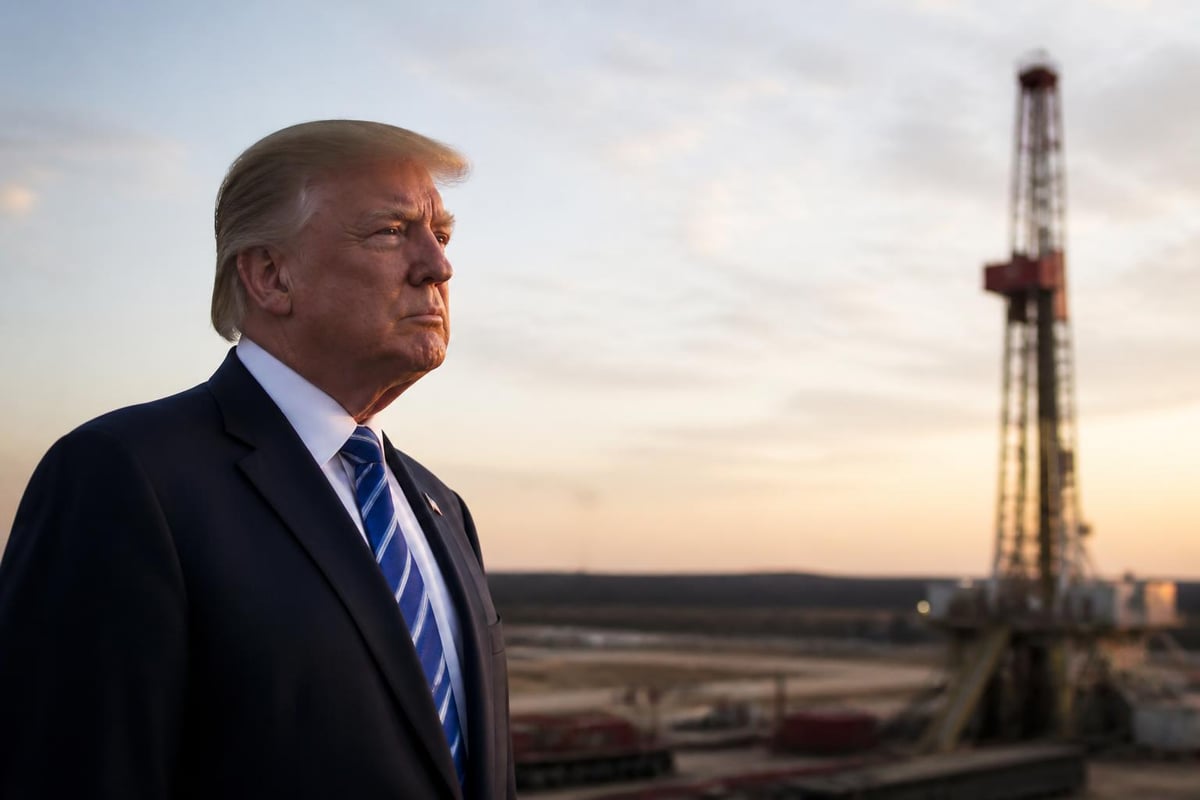
The national security argument forms a cornerstone of the us energy independence debate across administrations. Dependence on foreign energy sources, particularly from politically unstable regions, presents strategic vulnerabilities that presidents must address.
Military operations require reliable fuel supplies. Economic sanctions lose effectiveness when adversaries control energy markets. Allied nations look to America for energy security support, creating diplomatic obligations that shape presidential foreign policy decisions.
Different administrations have interpreted these security concerns through varying lenses:
- Maximum production approach: Prioritize domestic fossil fuel extraction to minimize foreign supply reliance
- Diversification strategy: Develop multiple energy sources including renewables to reduce single-point vulnerabilities
- Strategic alliance model: Strengthen energy partnerships with stable allies while reducing dependence on adversarial nations
- Market resilience focus: Build flexible energy infrastructure capable of adapting to supply disruptions
The Brookings Institution’s analysis of rethinking energy independence questions whether complete independence should even be a policy goal, suggesting that energy security through diversified international partnerships might prove more practical than isolation.
Military and Strategic Considerations
Presidential decisions about energy leasing on federal lands, offshore drilling permissions, and pipeline approvals carry military implications. The Department of Defense is simultaneously the nation's largest energy consumer and a driving force behind renewable energy adoption for operational advantages.
Recent presidents have navigated tensions between maximizing domestic fossil fuel production for economic and security benefits while investing in renewable technologies that reduce military supply chain vulnerabilities and enhance battlefield capabilities.
Economic Implications Across Presidential Administrations
The us energy independence debate fundamentally centers on economic prosperity. Energy costs affect every sector of the American economy, from manufacturing competitiveness to household budgets, making presidential energy policies politically consequential.
Presidents face competing economic pressures:
- Job creation in energy sectors versus employment transitions during industry shifts
- Consumer prices for gasoline, electricity, and home heating
- Export revenues from energy products boosting trade balances
- Investment capital flowing toward or away from energy infrastructure
- Regional economic disparities between energy-producing and energy-consuming states
Energy Prices and Electoral Politics
Nothing damages a president's approval rating faster than rising gasoline prices, regardless of whether presidential policies actually caused the increase. The global oil market determines prices based on worldwide supply and demand, geopolitical events, and currency fluctuations largely beyond any single administration's control.
Yet voters consistently hold presidents accountable for pump prices, creating intense political pressure to be seen "doing something" about energy costs. This dynamic drives presidential decisions to release strategic petroleum reserves, pressure OPEC+ nations, or fast-track drilling permits-actions with limited actual price impact but significant political symbolism.
Presidential election outcomes have historically correlated with energy price trends. Coverage of presidential policy development demonstrates how foreign policy decisions affecting global oil markets become electoral issues.
Environmental and Climate Considerations
Modern discussions of the us energy independence debate cannot ignore climate change. The burning of fossil fuels drives global warming, creating an inherent tension between maximizing domestic hydrocarbon production and meeting international climate commitments.
Presidential approaches to this tension vary dramatically by administration:
| Approach | Fossil Fuel Policy | Renewable Policy | Climate Priority |
|---|---|---|---|
| Production-focused | Maximize extraction | Limited support | Subordinate to energy dominance |
| Balanced transition | Gradual reduction | Substantial investment | Important alongside economics |
| Climate-first | Rapid phaseout | Aggressive expansion | Primary driver of energy policy |
The relationship between presidential policy and climate change has become increasingly central to energy debates as extreme weather events intensify and scientific consensus strengthens regarding human-caused warming.
The Transition Timeline Debate
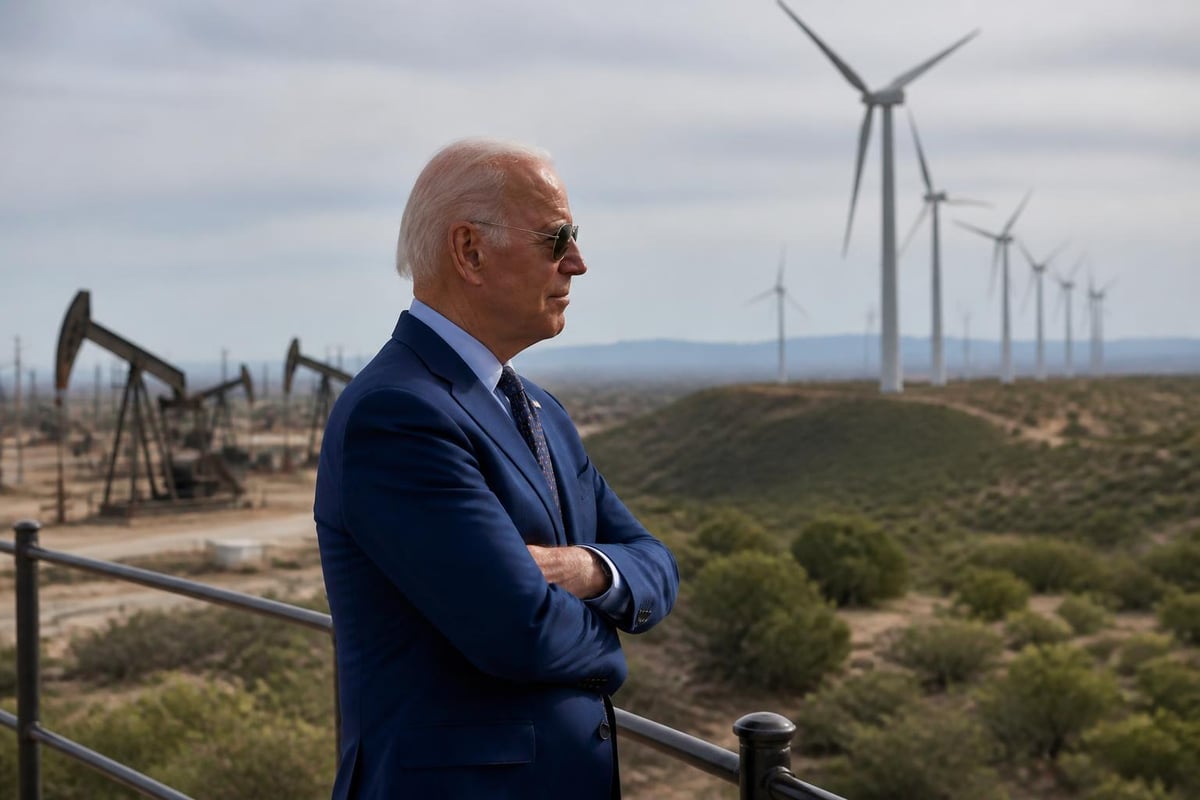
Perhaps no aspect of the us energy independence debate generates more disagreement than the appropriate pace for transitioning from fossil fuels to renewable energy sources. Presidents must balance multiple considerations:
- Existing energy infrastructure representing trillions in invested capital
- Worker livelihoods in traditional energy sectors requiring retraining programs
- Grid reliability during the transition period
- Technological readiness of renewable alternatives
- International competitiveness if America moves faster or slower than other nations
- Climate science timelines for necessary emissions reductions
Presidential candidates often promise energy transitions that sound straightforward on the campaign trail but prove enormously complex in execution. The us energy independence debate increasingly revolves around whether independence should be achieved through fossil fuels, renewables, or some combination thereof.
State Versus Federal Authority Issues
Presidential energy policies consistently encounter state-level resistance or enhancement. Energy development occurs on both federal and state lands, with states exercising substantial regulatory authority over drilling, transmission lines, and renewable projects within their borders.
Some states have aggressively pursued energy independence at the state level, implementing renewable portfolio standards, vehicle emission regulations, and building codes that exceed federal requirements. Other states have welcomed expanded fossil fuel development, offering tax incentives and streamlined permitting.
Presidential executive orders affecting federal lands have immediate impacts in Western states where federal ownership dominates, while having minimal effect in states with primarily private land ownership. This geographic variation shapes how the us energy independence debate plays out across different regions.
The Pipeline Controversy
Presidential decisions regarding interstate pipeline permits exemplify federal-state tensions in energy policy. The Keystone XL pipeline became a political symbol, with supporters viewing it as essential energy infrastructure and opponents seeing it as climate policy capitulation.
When presidents approve or reject such projects, they face criticism from governors, senators, and economic interests on both sides. These decisions ripple through the us energy independence debate, affecting domestic production economics, Canadian relations, and environmental coalition politics.
Technological Innovation and Presidential Leadership
Breakthrough technologies have repeatedly reshaped the us energy independence debate. Presidential leadership in fostering innovation-or creating barriers to it-significantly impacts which technologies succeed.
Federal research funding, tax incentives, regulatory frameworks, and procurement decisions all influence technological development. Presidents who champion particular energy technologies through the bully pulpit, budget priorities, and executive actions help determine which innovations achieve commercial scale.
Recent technological shifts affecting the debate include:
- Hydraulic fracturing unlocking previously inaccessible oil and gas reserves
- Solar and wind cost reductions making renewables economically competitive
- Battery storage advances addressing renewable intermittency challenges
- Electric vehicle development potentially transforming transportation fuel demand
- Carbon capture systems offering potential fossil fuel emissions mitigation
- Small modular nuclear reactors promising safer, more flexible nuclear power
The research from UC Berkeley examining energy independence myths highlights how technological realities often differ from political rhetoric about energy capabilities and timelines.
International Trade and Diplomatic Considerations
Energy has always intersected with foreign policy, but the us energy independence debate has transformed America's global energy role. From net importer to net exporter, the United States now wields energy as both an economic commodity and a geopolitical tool.
Presidential administrations leverage energy exports to support allies, impose sanctions on adversaries, and enhance diplomatic influence. Natural gas exports to Europe reduce Russian leverage. Oil production capacity allows presidents to influence global prices through strategic reserve releases or production guidance.
The debate extends to questions about whether energy independence should mean energy isolation or engagement. Some argue that participating in global energy markets provides more security than attempting complete self-sufficiency in an interconnected world.
OPEC+ Relations and Presidential Diplomacy
Presidents regularly engage with oil-producing nations to influence global supply levels and prices. These diplomatic efforts reveal the limits of domestic energy independence-even as a net exporter, the United States remains affected by decisions made in Riyadh, Moscow, and other energy capitals.
The us energy independence debate includes whether presidents should focus primarily on maximizing domestic production or on maintaining diplomatic relationships that stabilize international markets. Different administrations have prioritized these approaches differently, with varying results.
Future Trajectories and Presidential Campaign Promises
As 2026 presidential campaigns intensify, energy independence remains a central theme. Candidates offer competing visions ranging from maximizing fossil fuel extraction to achieving carbon neutrality through renewable energy transitions.
Campaign promises typically include:
- Specific production targets for oil, gas, or renewable energy
- Infrastructure investments in pipelines, transmission lines, or charging networks
- Regulatory reforms to accelerate or restrict particular energy development
- Tax policy changes affecting energy companies and consumers
- International agreements or withdrawals related to climate and trade
The us energy independence debate in presidential campaigns often oversimplifies complex realities. Candidates promise lower prices, more jobs, enhanced security, and environmental protection simultaneously-goals that frequently conflict when translated into actual policy.
Voters evaluating these promises benefit from understanding that presidents face significant constraints. Global markets, existing infrastructure, private sector decisions, congressional cooperation, and court challenges all limit what any administration can achieve regardless of campaign rhetoric.
The us energy independence debate will continue shaping presidential elections and policies for decades to come, balancing economic prosperity, national security, and environmental responsibility in an increasingly complex global landscape. For comprehensive, non-partisan coverage of how current and past presidents navigate these critical energy policy decisions, U.S. Presidential Report provides ongoing analysis and historical context to help you understand the policies affecting America's energy future.