Manufacturing employment has consistently served as a cornerstone of presidential campaign rhetoric and policy formation throughout American history. The relationship between industrial job growth and electoral success creates a complex dynamic where economic policy intersects with political ambition. Understanding manufacturing jobs and political strategy requires examining how presidential administrations navigate workforce transitions, technological disruption, and regional economic disparities while maintaining competitive advantages in global markets.
The Historical Foundation of Manufacturing Employment in Presidential Politics
Presidential candidates have long recognized that manufacturing workers represent a crucial voting bloc concentrated in states with significant electoral power. The industrial Midwest, often termed the Rust Belt, demonstrates how manufacturing jobs and political strategy converge in practical electoral mathematics.
From Franklin Roosevelt's New Deal initiatives through contemporary economic platforms, presidents have shaped manufacturing policy to address both economic necessity and political opportunity. The decline of American manufacturing employment from approximately 19 million workers in 1979 to roughly 12.8 million in 2026 has fundamentally altered political messaging strategies.
Regional Concentration and Electoral Impact
Manufacturing employment clusters in specific geographic regions create disproportionate political influence:
- Pennsylvania: 550,000 manufacturing jobs concentrated in machinery and fabricated metals
- Ohio: 665,000 workers in automotive and industrial equipment sectors
- Michigan: 595,000 employees primarily in automotive manufacturing
- Wisconsin: 475,000 positions across diverse manufacturing categories
These states collectively hold substantial electoral votes, making manufacturing employment a strategic priority for presidential campaigns regardless of broader economic trends.

Trade Policy as Political Strategy
Trade agreements have emerged as flashpoints where manufacturing jobs and political strategy intersect most visibly. Presidential administrations must balance competing interests between corporate globalization, consumer pricing, and domestic employment protection.
The economic policies implemented during the first Trump administration illustrate how trade policy became central to manufacturing employment strategy. Tariffs on steel, aluminum, and Chinese imports aimed to protect domestic industries while reshaping international trade relationships.
| Trade Agreement | Manufacturing Impact | Political Positioning | Electoral Consequences |
|---|---|---|---|
| NAFTA (1994) | Estimated 682,000 job displacement | Criticized by labor unions | Long-term resentment in industrial states |
| USMCA (2020) | Moderate reshoring incentives | Bipartisan support claims | Limited immediate electoral effect |
| China Tariffs (2018-2020) | Mixed sector results | Strong protectionist messaging | Mobilized base support |
Presidents must calculate whether short-term economic disruption from protectionist policies generates sufficient political capital among manufacturing workers to offset opposition from business interests and consumer groups.
Automation and the Political Narrative Challenge
Technological advancement presents a fundamental challenge for manufacturing jobs and political strategy. Research on technological change’s impact on employment demonstrates that automation drives more manufacturing job losses than trade agreements, yet politicians rarely emphasize this reality in campaign messaging.
The Messaging Dilemma
Presidential candidates face difficult choices when addressing manufacturing decline:
- Acknowledge automation's role and risk appearing defeatist about job recovery
- Emphasize trade policy solutions while knowing they address only partial causes
- Promise retraining programs that historically show limited success rates
- Focus on advanced manufacturing requiring skills many displaced workers lack
The political calculation typically favors tangible policy promises over complex economic explanations. Voters respond more favorably to pledges of tariff protection than to discussions of robotic process automation and artificial intelligence integration.
Manufacturing productivity has increased substantially even as employment declined, creating a narrative disconnect between economic success metrics and worker prosperity. Presidents must reconcile these contradictory trends when developing both policy and political messaging.
Regional Economic Development and Federal Investment
Presidential administrations deploy federal resources to strengthen manufacturing capacity in politically strategic regions. These investments serve dual purposes: stimulating economic growth while building electoral coalitions.
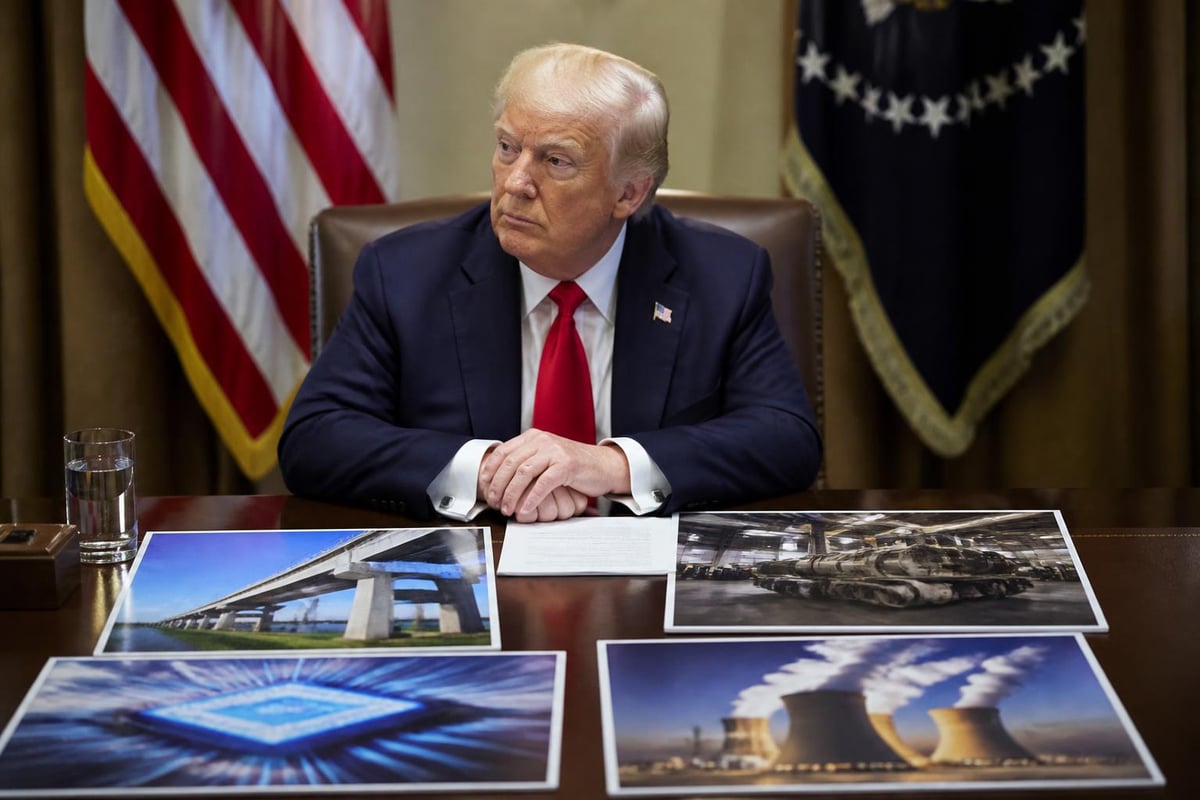
Infrastructure legislation provides opportunities to direct manufacturing-related spending toward specific congressional districts and states. The allocation of funds for semiconductor production, electric vehicle manufacturing, and renewable energy equipment demonstrates how manufacturing jobs and political strategy guide federal investment decisions.
Strategic Investment Categories
- Defense manufacturing: Maintains employment while enhancing national security
- Clean energy production: Addresses climate policy while creating industrial jobs
- Infrastructure materials: Generates demand for domestic steel, concrete, and equipment
- Semiconductor fabrication: Reduces foreign dependence while employing skilled workers
Each category allows presidents to claim credit for job creation while advancing broader policy objectives. The geographic distribution of these investments invariably reflects electoral considerations alongside economic efficiency.
Labor Union Relationships and Manufacturing Strategy
Labor unions historically representing manufacturing workers maintain significant political influence despite declining membership. Presidential candidates must navigate complex relationships with union leadership while appealing to rank-and-file workers whose political preferences increasingly diverge from institutional positions.
Manufacturing employment peaked when union membership approached 35% of the workforce. By 2026, union density has fallen to approximately 10%, yet unions retain substantial campaign funding capacity and organizational infrastructure in key states.
| Union Sector | 2026 Membership | Political Influence | Presidential Priorities |
|---|---|---|---|
| Auto Workers | 385,000 | High in Michigan, Ohio | EV transition support |
| Steelworkers | 860,000 | Moderate across Rust Belt | Trade protections |
| Machinists | 600,000 | Concentrated regionally | Defense contracts |
| Electrical Workers | 775,000 | Growing influence | Infrastructure investment |
Presidents from both parties have struggled to maintain unified support from manufacturing unions. Economic policies favoring business flexibility often conflict with union priorities for job security and wage protection. This tension requires careful political balancing, particularly in primary campaigns where union endorsements carry substantial weight.
Campaign Rhetoric Versus Governing Reality
The gap between campaign promises and governing outcomes regarding manufacturing jobs creates persistent political challenges. Presidential candidates routinely pledge to restore manufacturing employment to previous levels, yet structural economic forces limit achievable results.
Successful political strategy requires managing expectations while claiming credit for marginal improvements. Presidents highlight individual plant openings and company announcements while deflecting responsibility for broader employment trends beyond executive control.
Measuring Success in Political Terms
- Absolute job numbers: Total manufacturing employment levels
- Trend direction: Whether losses are slowing or reversing
- Regional concentration: Job growth in politically significant areas
- Wage growth: Average compensation increases for manufacturing workers
- Symbolic victories: High-profile company relocations or expansions
Political strategy focuses on metrics showing favorable trends, regardless of whether improvements stem from presidential policies or independent economic forces. The coverage of presidential economic achievements often reflects this selective emphasis on positive indicators.
Immigration Policy and Manufacturing Labor Markets
Immigration policy intersects with manufacturing jobs and political strategy through labor supply dynamics and wage competition narratives. Presidential positions on immigration enforcement directly impact manufacturing workforce availability while influencing voter perceptions about job protection.
Manufacturing industries face contradictory pressures: requiring sufficient labor supply while responding to political demands for restrictive immigration policies. Some sectors experiencing worker shortages benefit from immigrant labor, yet political strategy often emphasizes protection against wage suppression.
The political messaging around immigration and manufacturing employment typically prioritizes symbolic enforcement measures over comprehensive workforce planning. Presidents must balance business community requests for adequate labor supply against populist demands for strict immigration limitations.
Education and Workforce Development Initiatives
Presidential administrations address manufacturing employment transitions through education and retraining programs, though political incentives favor announcement of new initiatives over sustained implementation funding.
Manufacturing jobs and political strategy converge around workforce development because programs demonstrate presidential attention to worker concerns while requiring minimal immediate federal expenditure. States and community colleges shoulder primary implementation responsibilities, allowing presidents to claim credit without substantial federal budget impact.
Common Presidential Workforce Proposals
- Apprenticeship expansion: Partnerships between manufacturers and educational institutions
- Community college funding: Targeted programs for advanced manufacturing skills
- Tax incentives: Credits for companies providing worker training
- Credential recognition: Standardizing certifications across state boundaries
These initiatives generate positive media coverage and demonstrate presidential engagement with manufacturing employment challenges. However, long-term effectiveness often falls short of political rhetoric, as funding cycles end and administrative priorities shift.
Global Competition and National Security Arguments
Framing manufacturing employment as a national security imperative provides political cover for interventionist economic policies that might otherwise face opposition. Presidents increasingly justify manufacturing subsidies and protections through security arguments rather than purely economic rationales.
Critical supply chain vulnerabilities exposed during recent global disruptions have strengthened political arguments for domestic manufacturing capacity. Presidential strategies now emphasize resilience and independence alongside traditional employment concerns.
The semiconductor industry exemplifies how manufacturing jobs and political strategy align through security justifications. Federal subsidies for domestic chip production address both employment goals and strategic technology independence, creating bipartisan policy support rarely achieved through economic arguments alone.
State-Level Coordination and Federal-State Partnerships
Presidential manufacturing strategies require coordination with governors and state economic development agencies. The federal system creates opportunities for presidents to leverage state resources while claiming credit for collaborative successes.
Governors in manufacturing-heavy states often pursue aggressive incentive packages to attract or retain industrial facilities. Presidential involvement in high-profile negotiations demonstrates executive leadership while spreading implementation responsibilities across governmental levels.
| Coordination Type | Federal Role | State Role | Political Benefit |
|---|---|---|---|
| Tax incentives | Tax code modifications | Direct subsidies | Shared credit claiming |
| Infrastructure | Highway and rail funding | Site preparation | Ribbon-cutting opportunities |
| Workforce training | Grant programs | Program administration | Multiple announcement events |
| Regulatory relief | Federal exemptions | Streamlined permitting | Business community goodwill |
This partnership structure allows presidents to multiply visible interventions while limiting direct federal expenditure. Each collaborative success provides campaign material demonstrating presidential effectiveness.
Media Strategy and Manufacturing Job Announcements
Presidential communications teams strategically time and frame manufacturing employment announcements to maximize political impact. Individual plant openings receive disproportionate attention relative to their actual employment effects, yet these events provide valuable imagery and messaging opportunities.
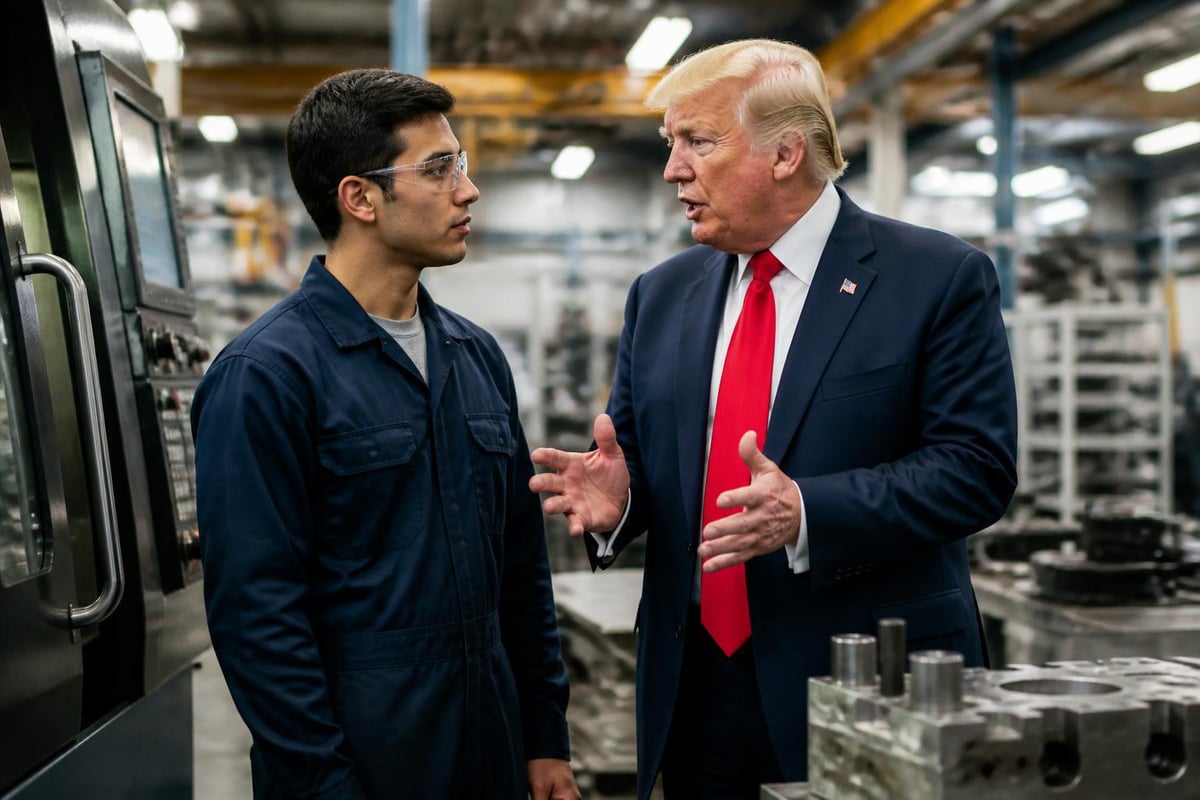
Factory visits and worker interactions generate media coverage emphasizing presidential concern for manufacturing communities. These symbolic gestures often prove more politically valuable than policy substance, as they create emotional connections with voters beyond statistical employment data.
The relationship between manufacturing jobs and political strategy extends to how presidents respond to plant closures and layoffs. Rapid federal response to manufacturing crises demonstrates presidential engagement, even when substantive intervention capacity remains limited.
Economic Data Interpretation and Political Spin
Manufacturing employment statistics receive constant political reinterpretation as administrations emphasize favorable trends while dismissing negative indicators. The complexity of economic data creates opportunities for competing narratives about presidential manufacturing success.
Presidents compare employment levels against various baselines: previous administration performance, recession troughs, or historical peaks. Each comparison framework produces different conclusions about policy effectiveness, allowing political strategists to select the most favorable presentation.
Seasonal adjustments, survey methodologies, and regional variations provide additional opportunities for selective data emphasis. Political strategy requires translating technical economic indicators into accessible narratives about presidential impact on manufacturing workers' lives.
Manufacturing employment will remain central to presidential political strategy as long as industrial workers constitute significant voting blocs in electorally important states. The intersection of economic policy, regional development, and campaign messaging creates complex dynamics where governing effectiveness and political positioning often diverge. For comprehensive, non-partisan coverage of how current and past presidents navigate these challenges, U.S. Presidential Report provides detailed analysis of presidential policies and their real-world impacts on American workers and communities. Our coverage helps readers understand both the political calculations and substantive policy outcomes shaping manufacturing employment across different administrations.