The second Trump administration has entered a critical phase in 2026, with foreign policy priorities taking center stage as the president navigates an increasingly complex global landscape. After more than a year back in office, the administration has clarified its approach to international relations through a combination of traditional America First principles and pragmatic strategic adjustments. Understanding trump foreign policy priorities in 2026 requires examining both the continuities from his first term and the new challenges facing the United States in an evolving geopolitical environment.
America First Arms Transfer Strategy
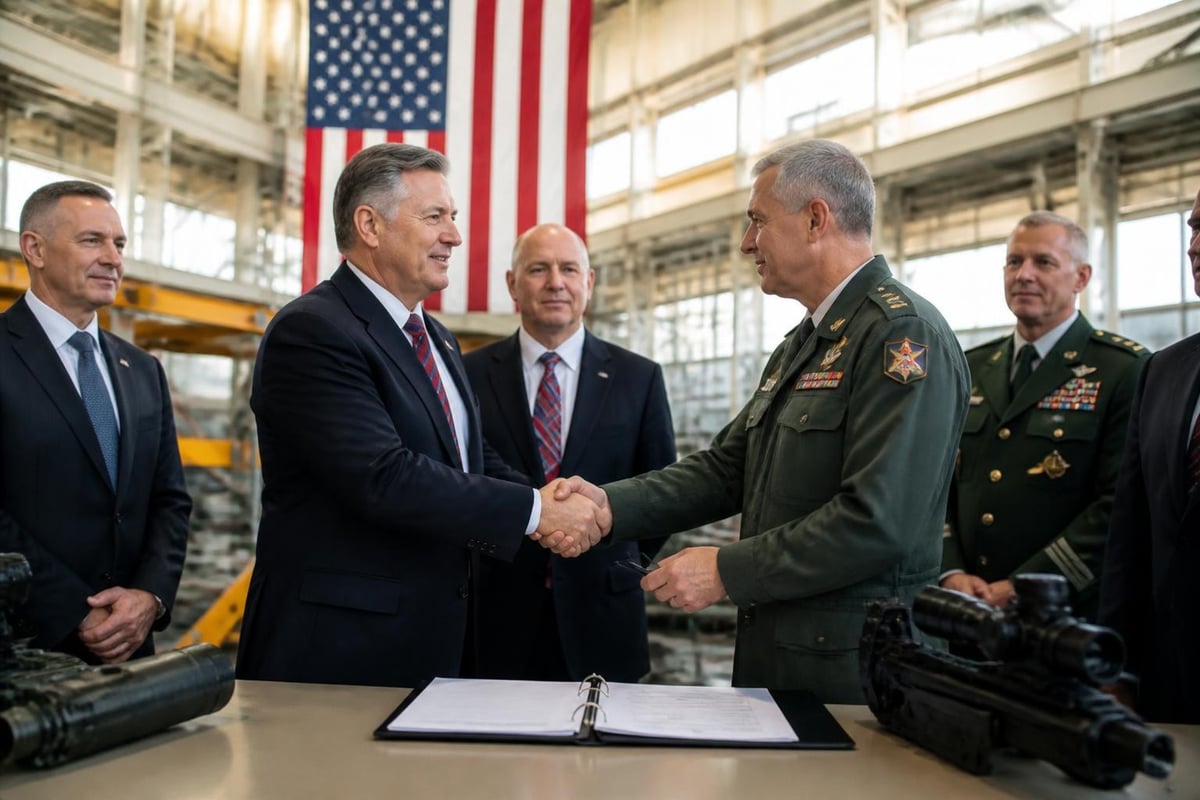
The cornerstone of trump foreign policy priorities in 2026 centers on the newly established America First Arms Transfer Strategy, which represents a fundamental shift in how the United States approaches military sales and defense cooperation. The America First Arms Transfer Strategy emphasizes reindustrializing America through strategic defense partnerships while maintaining strict controls on weapons proliferation.
Reindustrialization Through Defense Sales
This approach transforms arms transfers from simple transactions into comprehensive economic development opportunities for American manufacturing. The strategy prioritizes:
- Domestic production expansion in critical defense sectors
- Job creation in manufacturing-heavy states across the Midwest and South
- Supply chain security by reducing dependence on foreign components
- Technology retention ensuring advanced capabilities remain under U.S. control
The administration views defense sales as dual-purpose instruments that simultaneously strengthen allies while rebuilding American industrial capacity. This represents a departure from previous frameworks that emphasized pure strategic considerations without explicit economic development goals.
Strategic Partnerships and Regional Stability
Beyond economic benefits, the arms transfer strategy serves broader geopolitical objectives. The administration has strengthened national security by modernizing defense capabilities and securing critical supply chains through these partnerships. Key regional priorities include:
| Region | Priority Partners | Strategic Objective |
|---|---|---|
| Middle East | Saudi Arabia, UAE, Israel | Counter Iranian influence |
| Indo-Pacific | Japan, Australia, Taiwan | Balance Chinese power |
| Eastern Europe | Poland, Romania, Baltic States | Deter Russian aggression |
| Latin America | Colombia, Brazil | Combat transnational threats |
The administration argues that well-armed allies reduce the burden on American forces while maintaining regional stability favorable to U.S. interests. Critics contend this approach risks fueling arms races and empowering authoritarian regimes.
Nuclear Diplomacy and Controversial Agreements
Among trump foreign policy priorities in 2026, nuclear diplomacy has generated significant debate, particularly regarding agreements with nations seeking civilian nuclear capabilities. The administration's approach balances nonproliferation concerns against strategic partnership considerations.
The Saudi Nuclear Agreement Controversy
The U.S.-Saudi civilian nuclear agreement exemplifies the complexities inherent in current nuclear diplomacy. As detailed in The Atlantic’s analysis, this agreement has sparked diplomatic fallout among traditional allies while raising proliferation concerns among nonproliferation advocates.
The deal's supporters argue it provides:
- Strategic alignment with a key regional partner
- Economic opportunities for American nuclear technology companies
- Monitoring capabilities through embedded safeguards and inspections
- Competitive advantage over Chinese and Russian nuclear offerings
However, critics highlight potential risks including technology diversion, regional destabilization through nuclear capability proliferation, and precedent-setting implications for other aspiring nuclear states. The agreement reveals the administration's willingness to accept calculated risks in pursuit of strategic partnerships, a hallmark of trump foreign policy priorities in 2026.
Regional Intervention and the Monroe Doctrine Revival
The administration has revived historical doctrines to justify contemporary interventions, most notably in Latin America. This represents a significant evolution in trump foreign policy priorities in 2026, moving beyond rhetorical positioning toward concrete action.
The "Donroe Doctrine" and Venezuela
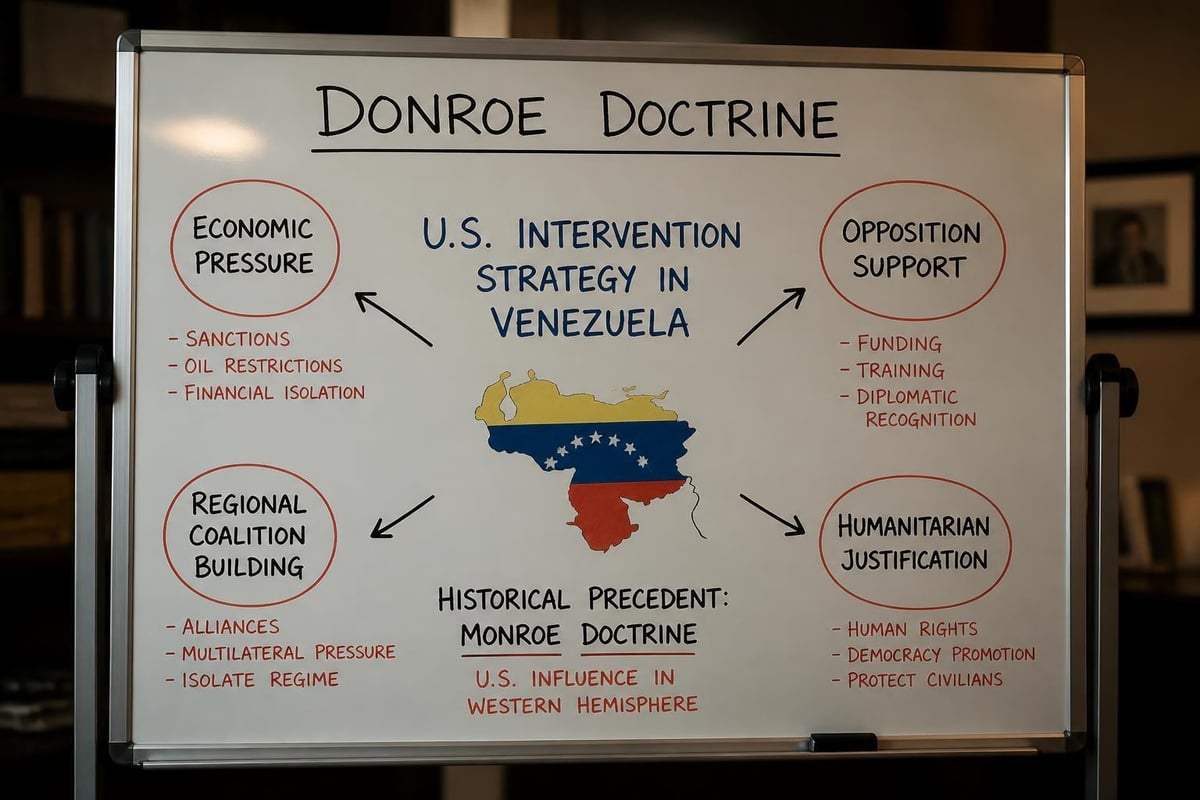
President Trump's invocation of what some analysts call the "Donroe Doctrine" signals heightened U.S. intervention in the Western Hemisphere. Time magazine’s analysis traces how this policy shift justifies increased American involvement in Venezuela's political crisis.
The doctrine's key elements include:
- Asserting hemispheric primacy against external power influence
- Economic pressure campaigns targeting authoritarian regimes
- Support for opposition movements through diplomatic and material assistance
- Regional coalition building with like-minded governments
- Humanitarian intervention justifications for potential military options
This approach has generated mixed reactions across Latin America, with some governments welcoming American leadership while others view it as unwelcome interference. The administration frames these policies as defending democracy and human rights, though geopolitical calculations clearly influence decision-making. For those tracking presidential foreign policy developments, this represents a notable expansion of interventionist tendencies.
Broader Latin American Engagement
Beyond Venezuela, the administration has expanded engagement across Latin America focusing on migration control, counter-narcotics cooperation, and economic partnerships that counter Chinese Belt and Road initiatives. These efforts reflect recognition that Western Hemisphere stability directly impacts American security interests.
Indo-Pacific Strategy and China Containment
Containing Chinese expansion remains central to trump foreign policy priorities in 2026, with the Indo-Pacific region receiving sustained attention and resources. The administration has maintained and expanded frameworks established during the first term while adapting to Beijing's evolving strategies.
Military Modernization and Presence
The Council on Foreign Relations’ podcast examining the administration's foreign policy agenda highlights military modernization as a critical component of China strategy. Key initiatives include:
- Naval expansion to maintain superiority in the South China Sea
- Missile defense systems deployed throughout allied nations
- Joint exercises demonstrating operational readiness and alliance cohesion
- Technology restrictions preventing advanced capabilities transfer to China
These efforts aim to create credible deterrence against potential Chinese military action while reassuring allies of American commitment to regional security.
Economic Competition and Technology Restrictions
Beyond military dimensions, the administration views economic competition with China as existential. Trade policies, technology transfer restrictions, and investment screening mechanisms form an integrated approach to maintaining American technological leadership. The administration has particularly focused on:
Semiconductor supply chains ensuring domestic production capacity for critical components, artificial intelligence development maintaining advantages in dual-use technologies, telecommunications infrastructure excluding Chinese companies from allied networks, and rare earth processing reducing dependence on Chinese-controlled resources.
European Relations and NATO Dynamics
Relations with European allies have evolved under trump foreign policy priorities in 2026, with burden-sharing remaining a persistent theme while practical cooperation has expanded in response to Russian aggression and shared threats.
Defense Spending and Alliance Commitments
The administration continues pressing NATO allies to meet defense spending commitments, arguing that American taxpayers should not subsidize European security indefinitely. This pressure has yielded results:
| Country | 2024 Defense Spending | 2026 Defense Spending | Change |
|---|---|---|---|
| Germany | 1.8% GDP | 2.3% GDP | +0.5% |
| Poland | 3.1% GDP | 3.8% GDP | +0.7% |
| France | 2.1% GDP | 2.4% GDP | +0.3% |
| Italy | 1.6% GDP | 1.9% GDP | +0.3% |
These increases strengthen NATO's collective capabilities while addressing long-standing American complaints about unfair burden distribution. The administration credits its tough negotiating stance for these improvements, though European leaders emphasize their independent security assessments drove decision-making.
Ukraine Support and Russian Deterrence
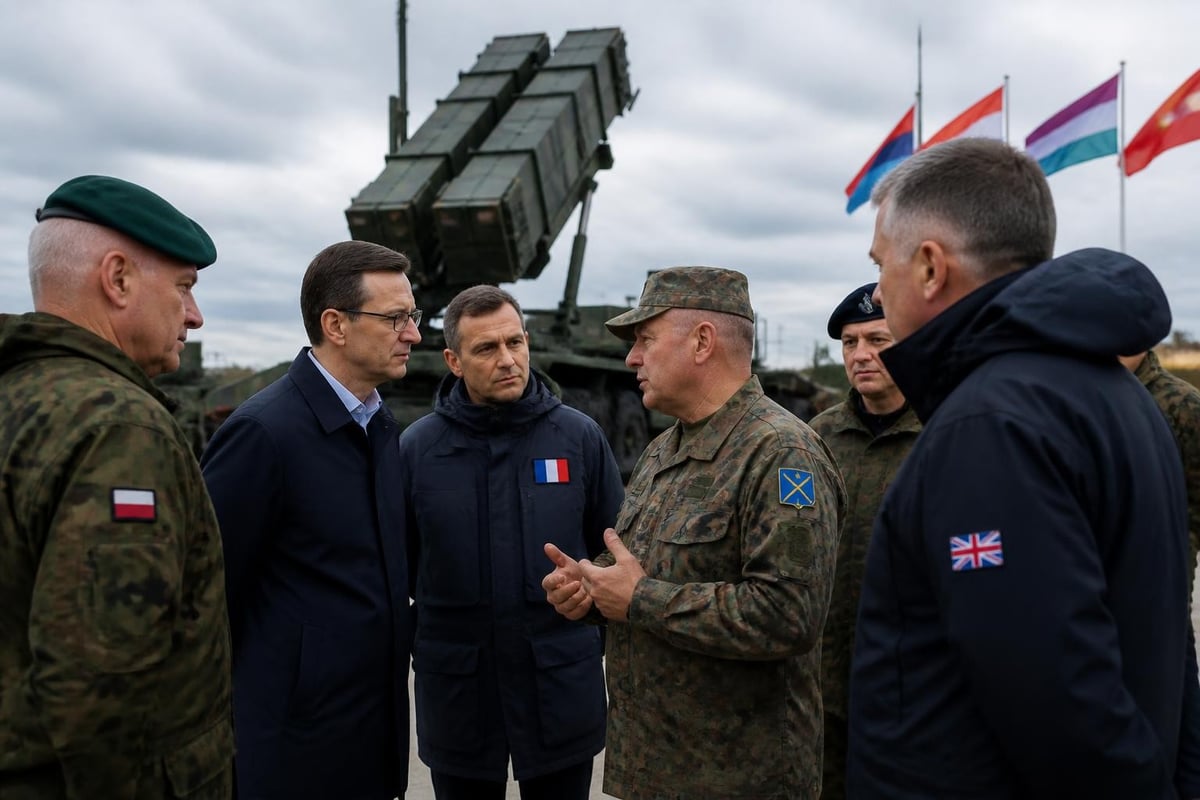
Support for Ukraine continues as a contested element of trump foreign policy priorities in 2026, with the administration balancing aid commitments against pressure to negotiate settlement. The approach combines military assistance with diplomatic initiatives aimed at reaching negotiated resolution.
This strategy reflects the administration's transactional foreign policy orientation, viewing continued conflict as costly without clear American interests at stake. However, concerns about Russian expansionism and alliance credibility have prevented complete disengagement. Those following Trump’s responses to Russian actions will note evolution from earlier positioning.
Middle East Realignment and Abraham Accords Expansion
The Middle East occupies a distinctive place in trump foreign policy priorities in 2026, with efforts focused on expanding the Abraham Accords framework while managing Iranian threats and maintaining energy security.
Normalization Agreements and Regional Integration
The administration has pursued additional normalization agreements between Israel and Arab states, viewing regional integration as the path to sustainable stability. Recent successes include:
- Enhanced economic cooperation creating interdependence through trade and investment
- Security coordination against shared threats from Iran and terrorist organizations
- Technology partnerships particularly in water management and agricultural innovation
- Tourism development leveraging historical and religious sites across the region
These agreements serve multiple administration objectives: strengthening Israel's regional position, containing Iranian influence, reducing American military commitments, and creating economic opportunities for participating nations.
Iran Policy and Maximum Pressure Continuation
The maximum pressure campaign against Iran remains foundational to trump foreign policy priorities in 2026, though its effectiveness generates ongoing debate. The administration maintains comprehensive sanctions while supporting opposition movements and conducting intelligence operations aimed at disrupting Iranian nuclear development.
Recent developments include intensified enforcement of oil export restrictions, secondary sanctions targeting countries purchasing Iranian petroleum, cyber operations against nuclear facilities, and covert support for internal dissent movements. The administration argues patience will eventually force Iranian capitulation, while critics contend the approach has failed to change fundamental Iranian behavior.
Trade Policy as Foreign Policy Tool
Economic statecraft features prominently in trump foreign policy priorities in 2026, with trade agreements and tariff policies serving strategic objectives beyond pure economic considerations. The administration views trade relationships as leverage for advancing security and diplomatic goals.
Strategic Trade Agreements
Recent trade agreements incorporate security provisions requiring partners to adopt positions on Chinese technology, support American positions in international organizations, maintain defense spending commitments, and cooperate on immigration and border security. This integrated approach recognizes the interconnection between economic and security interests.
Tariffs and Economic Pressure
Tariff policies continue serving as negotiating tools, with the administration willing to impose economic pain to achieve policy objectives. Recent applications include pressuring Mexico on migration enforcement, convincing European allies to increase defense spending, countering Chinese industrial subsidies, and protecting American manufacturing sectors deemed strategically critical.
Intelligence Cooperation and Information Sharing
Behind-the-scenes intelligence cooperation remains crucial to trump foreign policy priorities in 2026, with enhanced information sharing among allies creating operational advantages against shared adversaries. The administration has expanded Five Eyes cooperation while developing new intelligence partnerships in key regions.
These partnerships enable coordinated responses to terrorism, cyber threats, and state-sponsored espionage while maintaining American leadership in global intelligence networks. The administration emphasizes protecting intelligence sources and methods while sharing actionable information with trusted partners.
Challenges and Contradictions
Implementing trump foreign policy priorities in 2026 involves navigating inherent contradictions between stated principles and practical necessities. The Council on Foreign Relations’ analysis of the State of the Union address highlights these tensions, including reconciling America First rhetoric with alliance commitments, balancing human rights concerns against strategic partnerships, managing trade protectionism alongside global economic integration, and coordinating unilateral actions with multilateral frameworks.
These contradictions create uncertainty among allies and adversaries alike, though the administration argues strategic ambiguity provides negotiating flexibility. Critics contend inconsistency undermines American credibility and complicates long-term planning.
Understanding trump foreign policy priorities in 2026 requires recognizing both strategic continuity and tactical adaptation as the administration responds to evolving global challenges. For comprehensive, non-partisan coverage of presidential foreign policy developments and their implications for American governance, U.S. Presidential Report provides the analysis and context necessary to understand how these priorities shape America's role in the world. Stay informed about the decisions affecting national security and international relations through our dedicated coverage of current and past presidential administrations.