The question of whether a sitting or former president can be prosecuted for actions taken while in office has emerged as one of the most consequential constitutional debates in modern American history. This presidential immunity debate explained reveals deep tensions between executive power, democratic accountability, and the rule of law. As recent Supreme Court decisions reshape the legal landscape, understanding the foundations, arguments, and implications of presidential immunity has never been more critical for citizens invested in governance and constitutional principles.
Constitutional Origins and Historical Context
The United States Constitution does not explicitly grant presidents immunity from criminal prosecution. This absence has created decades of legal interpretation and scholarly debate about the extent to which executive privilege protects sitting and former presidents. The framers designed a system of checks and balances specifically to prevent any single branch from accumulating unchecked power, yet they also recognized the need for a strong executive branch capable of decisive action.
The Impeachment Clause and Its Limitations
The Constitution provides one clear mechanism for holding presidents accountable: impeachment by the House of Representatives and conviction by the Senate. This process can remove a president from office for "treason, bribery, or other high crimes and misdemeanors." However, the presidential immunity debate explained hinges partly on whether impeachment represents the only accountability mechanism available or if criminal prosecution remains a viable option.
Historical precedents suggest the framers intended impeachment as a political remedy, not a replacement for criminal justice. The Constitution explicitly states that impeachment does not prevent subsequent criminal prosecution, indicating the founders envisioned scenarios where both processes might apply. This distinction becomes crucial when examining whether immunity should extend beyond a president's term in office.
The Supreme Court's Landmark Decisions
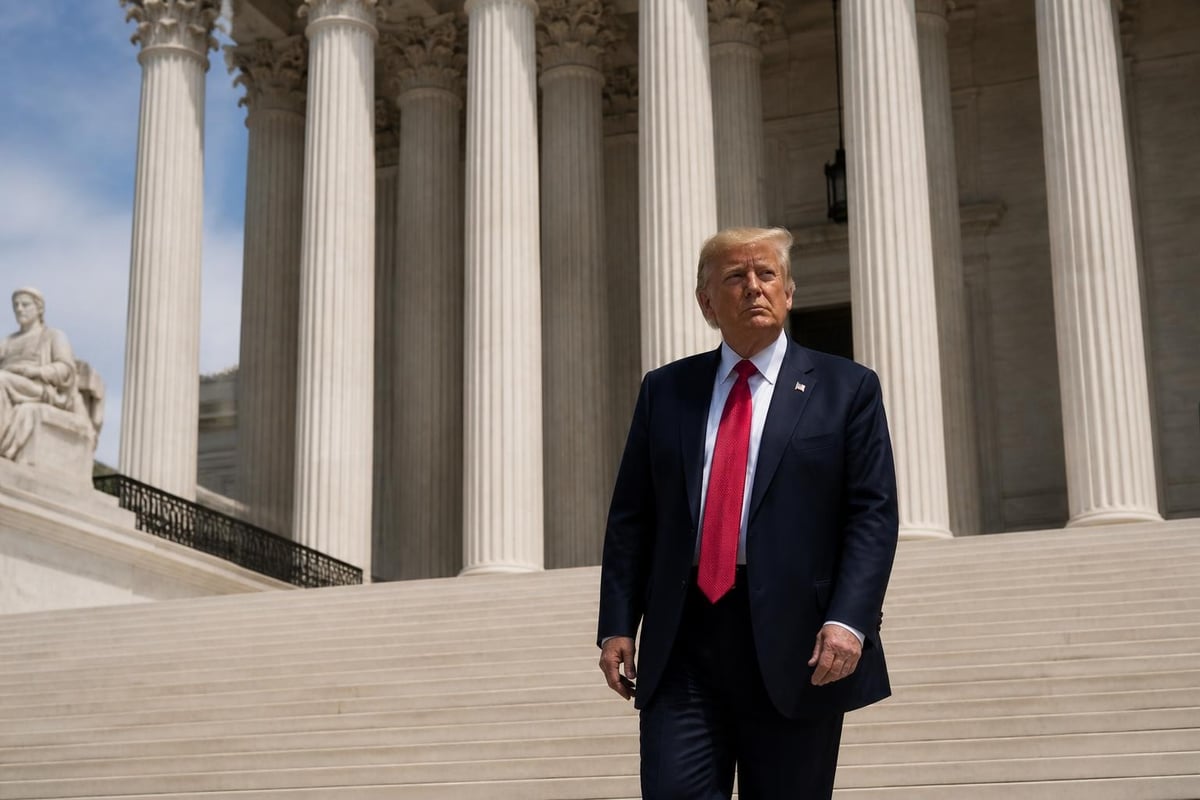
Recent Supreme Court rulings have fundamentally altered the presidential immunity debate explained through contemporary legal frameworks. The 2024 decision in Trump v. United States established that former presidents possess significant immunity from criminal prosecution for official acts performed while in office, marking a watershed moment in executive power jurisprudence.
The Three-Tier Immunity Framework
The Supreme Court created a nuanced three-tier system to determine presidential immunity:
- Absolute immunity applies to actions within the president's core constitutional responsibilities
- Presumptive immunity covers official acts outside core constitutional functions
- No immunity protects unofficial or personal conduct unrelated to presidential duties
This framework requires courts to carefully analyze each alleged action to determine which category applies. The decision has sparked intense debate about where specific presidential actions fall within these categories and who makes those determinations.
| Immunity Type | Scope | Example Actions | Prosecution Possible? |
|---|---|---|---|
| Absolute | Core constitutional powers | Commander-in-chief decisions, pardons | No |
| Presumptive | Official executive acts | Policy directives, appointments | Only if prosecution overcomes presumption |
| None | Unofficial conduct | Personal business, campaign activities | Yes |
Arguments Supporting Presidential Immunity
Proponents of broad presidential immunity advance several compelling arguments grounded in constitutional interpretation and practical governance considerations. Understanding these perspectives is essential for comprehending the presidential immunity debate explained from all angles.
Preserving Executive Function
Advocates argue that presidents must make difficult, often unpopular decisions without fear of subsequent criminal prosecution by political opponents. The prospect of criminal liability could paralyze decision-making, particularly in national security contexts where split-second judgments carry enormous consequences. This "chilling effect" could undermine the presidency's effectiveness as an institution.
The separation of powers doctrine supports immunity by preventing one branch from using criminal prosecution as a weapon against another. If prosecutors could charge former presidents based on policy disagreements, the executive branch would effectively become subordinate to the judicial branch, disrupting the constitutional balance.
Protecting Presidential Deliberation
Immunity supporters emphasize that presidents require candid advice from subordinates and advisors. The Supreme Court’s approach to presidential immunity recognizes that fear of prosecution could stifle frank discussions necessary for informed decision-making. This rationale extends beyond the president to protect the entire executive deliberative process.
- Presidents face unprecedented scrutiny and criticism during their tenure
- Criminal prosecution could become a partisan tool after administrations change
- The impeachment process already provides political accountability
- Immunity preserves the dignity and effectiveness of the office itself
Arguments Against Expansive Immunity
Critics of broad presidential immunity raise fundamental concerns about democratic accountability and the principle that no one should be above the law. The presidential immunity debate explained from this perspective emphasizes the dangers of unchecked executive power.
The "No One Above the Law" Principle
As Justice Sonia Sotomayor emphasized in her public critique of the immunity decision, the fundamental American principle holds that all individuals, regardless of position, remain subject to the law. Granting extensive immunity to presidents potentially creates a privileged class exempt from legal consequences that ordinary citizens face for similar conduct.
This philosophical concern carries practical implications. If presidents know they cannot face prosecution for official acts, what prevents abuse of power? The impeachment process, while valuable, faces political obstacles that make conviction extremely difficult, as evidenced by the rarity of successful impeachments throughout American history.
Risks of Authoritarian Behavior
Legal scholars examining presidential immunity warn that extensive immunity could encourage authoritarian tendencies. Presidents might feel emboldened to violate laws if they believe immunity shields them from consequences. This concern intensifies when considering actions that, while clothed in official capacity, serve personal or political interests rather than national welfare.
The dissenting opinions in recent Supreme Court cases highlight these dangers. They argue that immunity should be narrowly construed, applying only when absolutely necessary to preserve executive function, not as a blanket shield against accountability.
Official Acts Versus Private Conduct
The distinction between official acts and private conduct represents the most challenging aspect of the presidential immunity debate explained through practical application. Courts must determine which actions qualify as "official" and deserve immunity protection versus which constitute private behavior subject to prosecution.
Defining Official Capacity
Several factors help courts distinguish official from unofficial conduct:
- Whether the action relates to constitutional or statutory presidential duties
- If the action occurred during working hours or official events
- Whether government resources or personnel were involved
- The president's stated intent when taking the action
- Connection to legitimate policy objectives
However, these factors rarely provide clear-cut answers. Presidents often blend official and personal activities, making separation difficult. Campaign activities, for instance, may involve official resources even while serving political rather than governmental purposes.
The Problem of Motivated Reasoning
Critics worry that presidents can characterize virtually any action as "official" to claim immunity. If presidents control the narrative around their own actions, immunity becomes nearly absolute in practice. This concern underlies much of the skepticism about the Supreme Court's framework, particularly regarding who bears the burden of proving whether conduct was official.
The Supreme Court’s recent decision places significant power in judicial hands to make these determinations, but critics argue judges lack the tools and information to accurately categorize presidential conduct, especially regarding national security matters.
Impact on Presidential Prosecutions
The practical implications of presidential immunity extend far beyond theoretical constitutional debates. Real investigations and prosecutions have been delayed, dismissed, or fundamentally altered based on immunity questions, directly affecting accountability for alleged presidential misconduct.
Current and Historical Cases
The presidential immunity debate explained through specific cases demonstrates how legal theory translates into real-world consequences. Former presidents facing various investigations have invoked immunity claims to challenge subpoenas, delay proceedings, and seek case dismissals. These legal battles can extend for years, potentially outlasting statutes of limitations.
The Nixon era established some immunity boundaries when the Supreme Court ruled that executive privilege could not block criminal investigations, though Nixon received a pardon before facing prosecution. More recent cases have tested whether these precedents apply equally to former presidents or if leaving office changes immunity calculations.
Comparative International Perspectives
Understanding how other democracies handle executive immunity provides valuable context for the presidential immunity debate explained within a global framework. Different countries have adopted varying approaches based on their constitutional structures and historical experiences.
Parliamentary Systems
Many parliamentary democracies afford their prime ministers less immunity than American presidents enjoy. In these systems, prime ministers can face criminal charges more readily because they remain members of parliament and subject to parliamentary accountability mechanisms. The fusion of executive and legislative powers in parliamentary systems creates different immunity considerations than America's strict separation of powers.
Hybrid Approaches
Some nations employ hybrid models where heads of state receive immunity during their tenure but face prosecution after leaving office. Experts examining international justice implications note that expansive American immunity doctrines could complicate international cooperation on accountability for serious crimes, potentially setting problematic precedents for authoritarian leaders worldwide.
The Role of Special Counsels and Prosecutors
Independent prosecutors and special counsels occupy a unique position within the presidential immunity debate explained through enforcement mechanisms. These officials investigate potential presidential wrongdoing while navigating complex immunity questions that regular prosecutors rarely encounter.
The Department of Justice has maintained long-standing policies against indicting sitting presidents, based partly on immunity reasoning and partly on practical concerns about disrupting executive functions. However, these policies remain internal guidance rather than constitutional requirements, leaving room for future reconsideration.
- Special counsels can investigate sitting presidents even if they cannot indict
- Reports and referrals to Congress preserve accountability options
- State prosecutors face different immunity considerations than federal authorities
- The timing of investigations relative to presidential terms affects strategic decisions
Implications for Future Administrations
The current state of the presidential immunity debate explained through forward-looking analysis reveals significant consequences for future presidents and American governance. Decisions made today establish precedents that will shape executive power for generations.
Incentive Structures
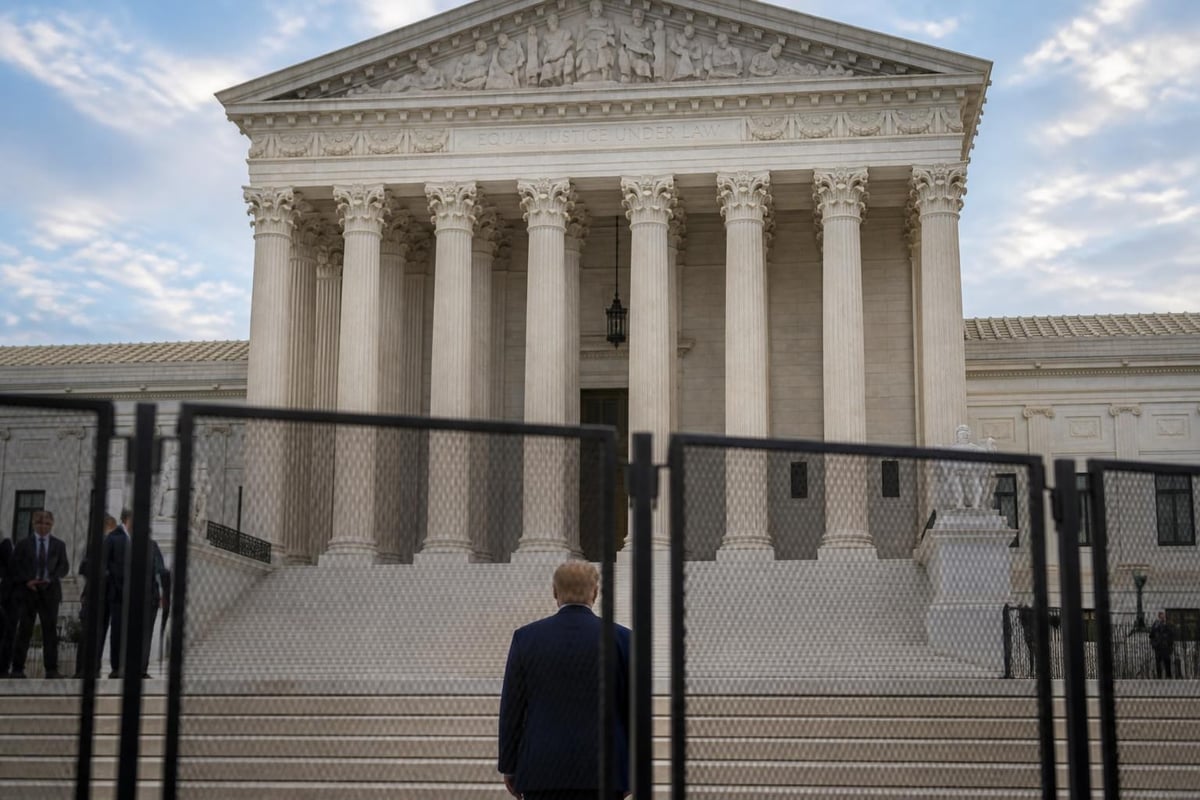
Broad immunity creates incentives for presidents to characterize controversial actions as official duties rather than personal conduct. Future presidents may interpret expanded immunity as permission to push legal boundaries, knowing prosecution remains unlikely. This dynamic could gradually erode norms that previously constrained presidential behavior even absent legal enforcement.
Conversely, if immunity narrows through subsequent court decisions or legislation, future presidents might exercise greater caution, potentially improving governance or creating the paralysis immunity advocates fear. The balance remains elusive and contested.
Congressional Response Options
Congress possesses several tools to address presidential immunity concerns, though political divisions make legislative action difficult. Potential responses include:
- Clarifying statutes to explicitly apply to presidential conduct
- Strengthening ethics and accountability mechanisms
- Defining official versus unofficial acts through legislation
- Reforming impeachment processes to improve effectiveness
- Creating independent oversight bodies with enhanced powers
Whether Congress will exercise these options depends largely on political will and whether both parties perceive shared interests in constraining executive power, which often depends on which party controls the presidency.
Public Opinion and Democratic Norms
The presidential immunity debate explained must account for public perception and democratic legitimacy. Most Americans believe in equal application of laws, yet opinions diverge sharply along partisan lines when specific cases involve particular presidents.
This partisan divide poses risks for institutional legitimacy. If citizens view immunity doctrines as politically motivated rather than principled, respect for both the presidency and the judicial system may erode. Maintaining public confidence requires transparent reasoning and consistent application regardless of which president faces scrutiny.
Analysis from legal experts demonstrates that the immunity debate touches fundamental questions about American identity: whether the nation truly operates under rule of law or whether power confers privilege.
State Versus Federal Prosecutions
An underexplored dimension of the presidential immunity debate explained involves the interaction between federal immunity doctrines and state prosecutorial authority. While federal immunity stems from constitutional separation of powers concerns, those same concerns may not prevent state prosecutions of federal officials.
The Supremacy Clause theoretically limits state interference with federal functions, but whether this prevents prosecuting former presidents for state law violations remains contentious. Some argue that state prosecutions could uniquely threaten federal interests by subjecting presidents to fifty different legal jurisdictions with varying standards and political climates.
Practical Considerations
State prosecutions face practical obstacles beyond immunity questions. Presidents rarely commit state crimes unconnected to federal duties, and state prosecutors may lack resources for complex investigations. Nevertheless, the possibility of state charges adds another layer to immunity analysis that could produce unexpected legal developments.
The Evolution of Executive Power
Viewing the presidential immunity debate explained through historical evolution reveals how modern immunity claims diverge from original constitutional understandings. Early presidents exercised far less power than contemporary executives, and immunity questions rarely arose because federal criminal law remained limited.
The twentieth century expansion of executive power, federal criminal statutes, and presidential responsibilities fundamentally changed the immunity calculus. Presidents now make decisions affecting millions of people across countless policy domains, increasing both the potential for beneficial immunity and the risks of accountability gaps.
Articles covering past presidential administrations illustrate how executive power evolution has accelerated in recent decades, making immunity questions increasingly pressing and consequential.
The presidential immunity debate explained reveals fundamental tensions between executive effectiveness and democratic accountability that resist easy resolution. As courts continue refining immunity doctrines and new cases test existing frameworks, staying informed about these developments remains essential for understanding American governance. For comprehensive, non-partisan coverage of presidential immunity issues and all matters concerning current and former presidents, U.S. Presidential Report provides the balanced analysis and timely updates you need to follow these critical constitutional questions as they unfold.