The tension between constitutional rights vs federal mandates represents one of the most enduring debates in American governance. This fundamental conflict shapes presidential decision-making, influences legislative priorities, and drives judicial interpretation across administrations. Understanding how federal mandates interact with constitutionally protected rights provides essential context for evaluating presidential policies, executive orders, and the broader framework of American federalism. Throughout U.S. history, presidents have navigated this delicate balance, wielding executive authority while respecting constitutional limitations that protect individual freedoms and state sovereignty.
The Constitutional Foundation of Federal Power
The U.S. Constitution establishes a carefully structured system where federal authority operates within defined boundaries. The Framers deliberately limited federal power through enumerated powers, reserving significant authority to states and protecting individual rights through the Bill of Rights.
Presidential administrations interpret these constitutional provisions differently, leading to varying approaches toward federal mandates. Some presidents advocate for expansive federal authority to address national challenges, while others emphasize state sovereignty and limited government intervention. This philosophical divide continues to shape policy debates in 2026.
Enumerated Powers and Presidential Authority
The Constitution grants specific powers to the federal government, creating the legal foundation for federal mandates. These enumerated powers include regulating interstate commerce, providing for national defense, and ensuring general welfare. Presidents leverage these constitutional provisions to justify executive actions and support legislative initiatives.
Key constitutional powers relevant to federal mandates include:
- Commerce Clause authority over interstate economic activity
- Spending power to attach conditions to federal funding
- Necessary and Proper Clause enabling implementation of enumerated powers
- Treaty-making authority affecting international obligations
- War powers influencing national security directives
Understanding what powers belong to the federal government helps citizens evaluate whether presidential actions align with constitutional boundaries. This knowledge proves particularly valuable when assessing controversial executive orders or legislative proposals that expand federal reach into areas traditionally governed by states.
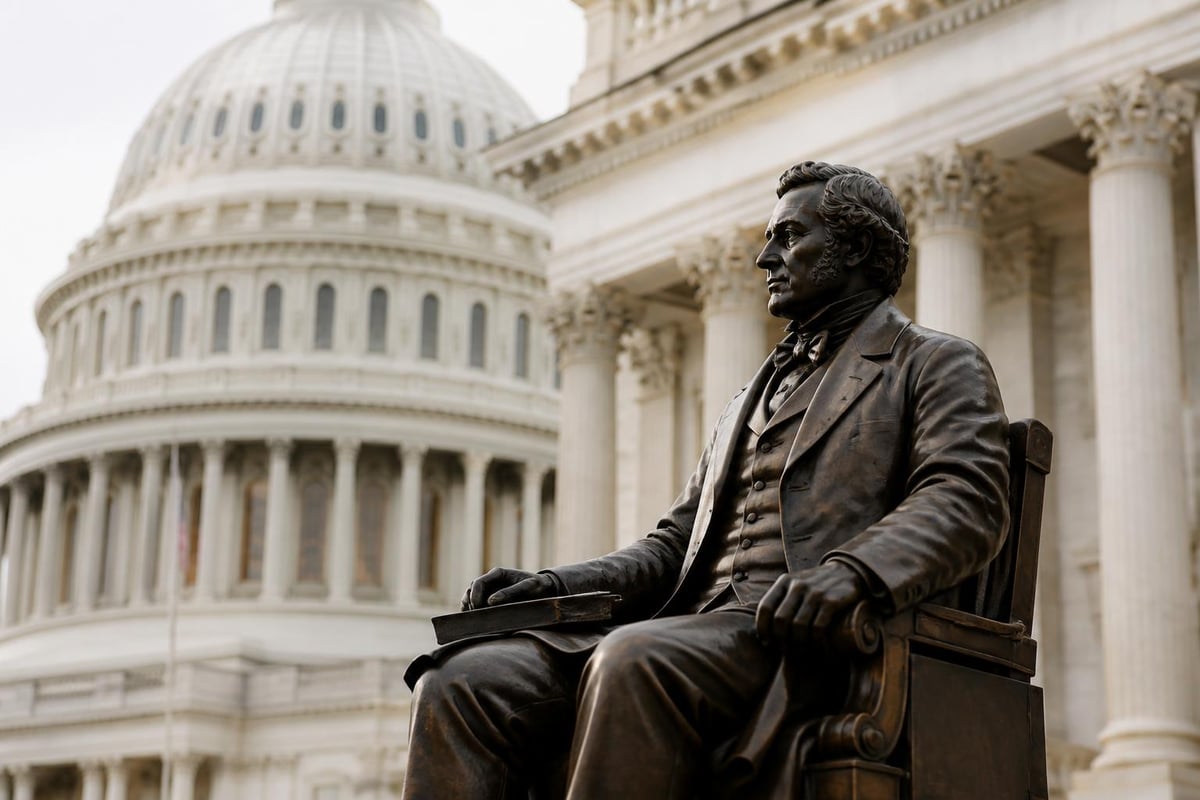
Federal Mandates and Their Constitutional Basis
Federal mandates represent directives requiring states, localities, or private entities to comply with specific federal standards or regulations. These mandates vary significantly in scope, implementation mechanisms, and constitutional justification. Presidential administrations utilize mandates as policy tools to achieve national objectives, though their authority to do so faces ongoing constitutional scrutiny.
The relationship between constitutional law principles and federal mandates determines whether executive or legislative actions survive judicial review. Courts examine whether mandates exceed constitutional authority, infringe upon state sovereignty, or violate individual rights protected by the Constitution.
Types of Federal Mandates Presidents Employ
Different presidential administrations favor different types of mandates based on their policy priorities and constitutional philosophy. Understanding these categories illuminates how constitutional rights vs federal mandates conflicts emerge across various policy domains.
| Mandate Type | Description | Constitutional Basis | Common Examples |
|---|---|---|---|
| Funded Mandates | Requirements accompanied by federal funding | Spending Clause | Highway safety standards, education requirements |
| Unfunded Mandates | Requirements without accompanying funding | Various enumerated powers | Environmental regulations, labor standards |
| Conditional Grants | Funding contingent on state compliance | Spending power with conditions | Medicaid expansion, transportation funding |
| Direct Orders | Explicit federal requirements to states | Supremacy Clause | Voting rights enforcement, civil rights protections |
Unfunded mandates particularly generate controversy, as they impose financial burdens on state and local governments without providing resources for implementation. This practice raises questions about federalism and the proper balance between national objectives and state fiscal autonomy.
Presidential use of executive orders to create mandates intensifies constitutional debates. While presidents possess legitimate executive authority, critics argue some mandates exceed constitutional boundaries or circumvent legislative processes designed to check executive power.
Constitutional Rights as Limits on Federal Authority
Individual constitutional rights establish crucial boundaries limiting federal mandate authority. The Bill of Rights and subsequent amendments protect fundamental freedoms that federal mandates cannot infringe, regardless of policy objectives or presidential priorities.
Presidential respect for these constitutional protections varies, with some administrations prioritizing expansive federal action while others emphasize constitutional restraint. These differences become particularly apparent during national emergencies, when presidents often claim broader authority to address immediate threats.
First Amendment Considerations
Free speech, religious liberty, press freedom, and assembly rights frequently intersect with federal mandates. Presidential policies affecting these areas generate significant constitutional litigation, as courts balance governmental interests against fundamental freedoms.
Recent presidential administrations have faced constitutional challenges regarding:
- Social media content regulations and free speech protections
- Religious exemptions from healthcare mandates
- Press access during national security operations
- Assembly restrictions during public health emergencies
- Government speech versus censorship in federal programs
These conflicts demonstrate how constitutional rights vs federal mandates tensions shape everyday governance. Presidents must navigate between achieving policy goals and respecting constitutional limitations that protect individual liberties.
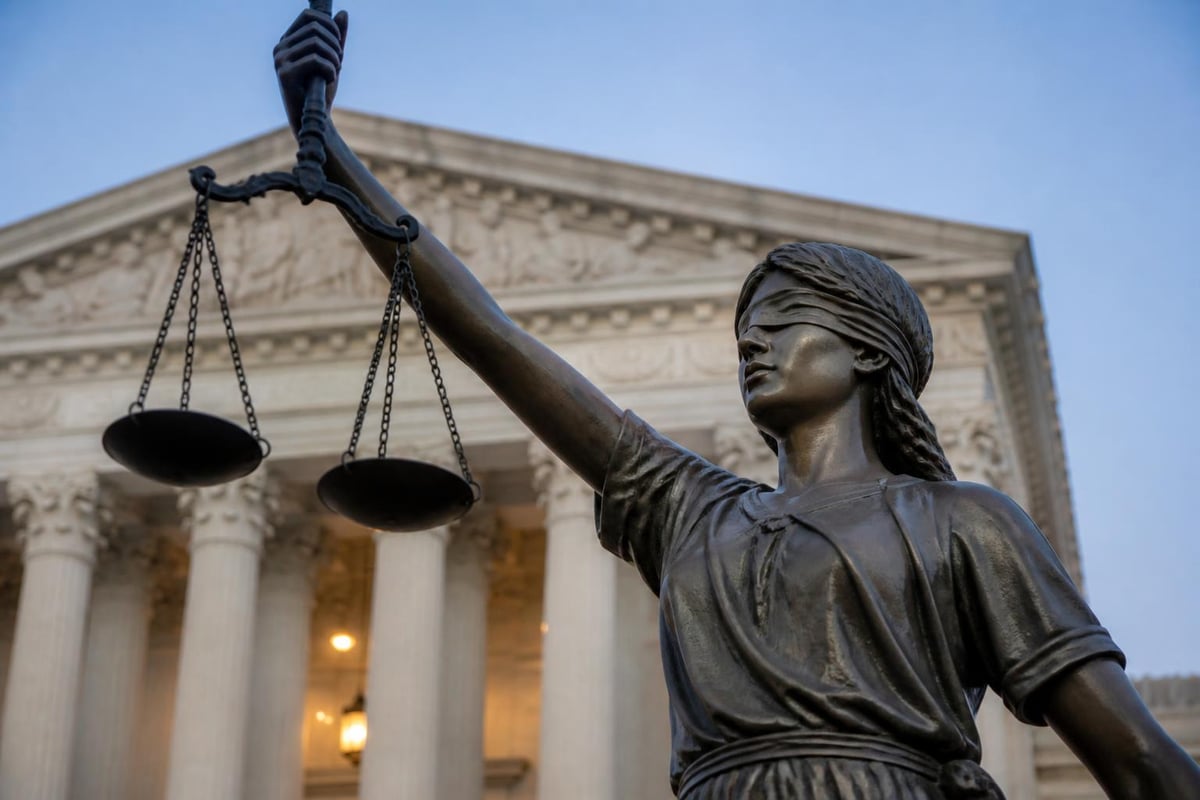
Privacy Rights and Federal Surveillance
Fourth Amendment protections against unreasonable searches create constitutional barriers to certain federal mandates, particularly those involving surveillance, data collection, or information sharing. Presidential administrations since 2001 have expanded federal surveillance capabilities, raising ongoing constitutional questions about privacy rights in the digital age.
The balance between national security objectives and constitutional privacy protections represents a central tension in contemporary governance. Presidents assert authority to implement surveillance programs under executive powers, while civil liberties advocates challenge these initiatives as constitutional violations.
Federalism and State Sovereignty
The Tenth Amendment reserves powers not delegated to the federal government to states or the people, establishing a constitutional foundation for state resistance to federal mandates. This principle of federalism shapes power dynamics between Washington and state capitals, influencing how presidential policies are implemented nationwide.
Presidential approaches to federalism reflect broader governing philosophies. Some presidents embrace cooperative federalism, working with states to achieve shared objectives. Others support coercive federalism, using federal mandates to override state preferences and establish uniform national standards.
State Challenges to Presidential Mandates
State governments frequently challenge federal mandates they perceive as constitutional overreach. These legal battles test the boundaries of federal authority and often reach the Supreme Court for final resolution. Recent state challenges have addressed healthcare mandates, environmental regulations, immigration enforcement, and pandemic-related directives.
Common grounds for state constitutional challenges include:
- Commandeering violations forcing states to implement federal programs
- Spending Clause conditions that coerce state compliance
- Commerce Clause limitations on federal regulatory authority
- Tenth Amendment protections of state sovereignty
- Separation of powers concerns regarding executive overreach
State attorneys general serve as crucial checks on presidential authority, filing lawsuits that force judicial examination of constitutional boundaries. These legal challenges significantly influence presidential decision-making and policy implementation strategies.
Judicial Review and Constitutional Interpretation
Federal courts, particularly the Supreme Court, serve as the ultimate arbiters of constitutional rights vs federal mandates disputes. Judicial review enables courts to invalidate presidential actions or federal mandates that exceed constitutional authority or violate protected rights.
Presidential appointments to federal courts substantially impact how constitutional questions are resolved. Justices appointed by different presidents often interpret constitutional provisions differently, leading to varying outcomes in federalism and individual rights cases. This reality makes judicial nominations among the most consequential presidential decisions.
Landmark Cases Shaping the Balance
Supreme Court decisions throughout American history have defined the relationship between federal mandates and constitutional rights. These precedents guide presidential administrations, inform congressional legislation, and structure ongoing constitutional debates.
| Case | Year | Constitutional Issue | Impact on Federal Mandates |
|---|---|---|---|
| McCulloch v. Maryland | 1819 | Necessary and Proper Clause | Established broad federal authority under enumerated powers |
| Wickard v. Filburn | 1942 | Commerce Clause scope | Expanded federal regulatory reach over economic activity |
| New York v. United States | 1992 | Anti-commandeering doctrine | Limited federal power to compel state implementation |
| NFIB v. Sebelius | 2012 | Spending Clause conditions | Restricted coercive conditional funding threats |
| South Dakota v. Dole | 1987 | Conditional federal grants | Permitted reasonable conditions on federal spending |
These judicial precedents demonstrate how constitutional interpretation evolves over time, influenced by changing court compositions, societal values, and political contexts. Presidential administrations must adapt their mandate strategies to align with current judicial doctrines or risk court defeats.
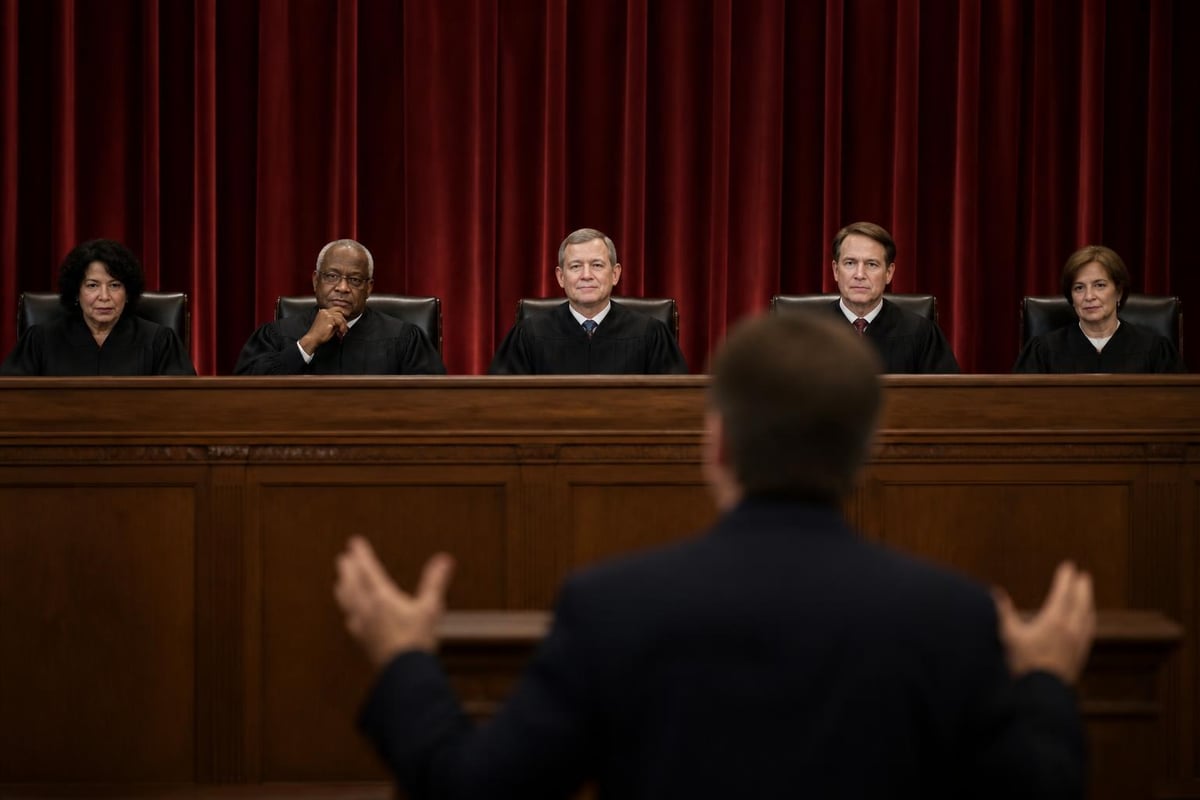
Presidential Emergency Powers and Constitutional Limits
National emergencies amplify tensions between constitutional rights vs federal mandates, as presidents claim expanded authority to address immediate threats. Emergency powers enable rapid federal action but raise constitutional concerns about executive overreach and rights infringement.
The National Emergencies Act and other statutes grant presidents significant discretionary authority during declared emergencies. However, constitutional protections remain operative, limiting how far presidential mandates can intrude upon fundamental rights even during crises.
Pandemic Response and Constitutional Questions
The COVID-19 pandemic illustrated how public health emergencies generate constitutional conflicts regarding federal mandates. Presidential administrations implemented various mandates addressing vaccination, mask requirements, business operations, and travel restrictions, sparking extensive litigation over constitutional boundaries.
State governments challenged federal pandemic mandates as exceeding presidential authority and violating state sovereignty. Individual plaintiffs contested mandates as infringing religious liberty, bodily autonomy, and economic freedoms. These cases forced courts to balance public health objectives against constitutional protections.
Presidential immigration policies similarly demonstrate emergency power tensions. Presidents invoke national security and public safety to justify immigration mandates, while opponents challenge these actions as exceeding constitutional authority or violating due process rights.
Congressional Role in Mandate Creation
While presidents receive substantial attention regarding federal mandates, Congress plays the primary constitutional role in creating binding federal requirements. Presidential mandates derive legitimacy from congressional authorization, constitutional grants of executive authority, or both.
The separation of powers doctrine requires presidents to respect congressional prerogatives while exercising executive functions. When presidents issue mandates without clear congressional authorization, constitutional conflicts intensify. Courts examine whether presidential actions represent legitimate exercises of executive power or unconstitutional legislative acts.
Legislative Checks on Presidential Mandates
Congress possesses multiple mechanisms to constrain presidential mandates that exceed constitutional boundaries or conflict with legislative intent. These checks maintain the constitutional balance between executive and legislative authority.
Congressional tools for limiting presidential mandates include:
- Appropriations riders prohibiting funding for specific mandates
- Joint resolutions terminating national emergencies
- Oversight hearings examining mandate implementation
- Legislative amendments restricting executive discretion
- Impeachment for constitutional violations (extreme cases)
Effective congressional oversight depends on political will and institutional capacity. When the president's party controls Congress, legislative checks often weaken, enabling broader mandate authority. Divided government typically produces more robust congressional scrutiny of presidential actions.
For comprehensive coverage of how congressional-presidential dynamics shape federal mandates, U.S. Presidential Report provides detailed analysis of current policy debates and constitutional controversies.
Modern Applications and Ongoing Debates
Contemporary policy debates in 2026 continue reflecting fundamental tensions between constitutional rights vs federal mandates across multiple domains. Presidential administrations confront these constitutional questions while addressing climate change, artificial intelligence regulation, healthcare access, economic policy, and national security challenges.
Digital privacy represents an emerging battleground where constitutional protections intersect with federal regulatory mandates. Presidents seeking to regulate social media platforms, data collection practices, or cybersecurity requirements face constitutional constraints protecting free speech and limiting federal authority over information flows.
Climate Policy and Federal-State Tensions
Environmental mandates exemplify how presidential climate initiatives generate constitutional conflicts with state governments. Federal requirements regarding emissions standards, renewable energy adoption, and infrastructure modifications often clash with state economic priorities and sovereignty concerns.
Some states embrace federal climate mandates, while others resist as constitutional overreach. This division creates implementation challenges and generates litigation testing federal authority under the Commerce Clause and other constitutional provisions. Presidential success in advancing climate agendas depends partly on navigating these constitutional constraints.
Healthcare mandates continue generating constitutional litigation years after the Affordable Care Act debates. Presidential administrations seeking to expand, modify, or eliminate healthcare requirements encounter constitutional questions regarding federal authority, individual liberty, and state regulatory powers. The structure of federal government influences how these healthcare policies are developed, implemented, and challenged.
Protecting Constitutional Rights in Practice
Citizens concerned about constitutional rights vs federal mandates possess multiple avenues for challenging governmental actions they perceive as exceeding constitutional boundaries. Understanding these mechanisms empowers individuals to participate effectively in constitutional governance.
Litigation remains the primary method for testing mandate constitutionality. Individual plaintiffs, state governments, advocacy organizations, and business entities file lawsuits alleging constitutional violations. These cases proceed through federal courts, potentially reaching the Supreme Court for definitive resolution.
Political Engagement and Constitutional Protection
Beyond litigation, political participation influences how presidents balance mandate authority with constitutional rights. Electoral accountability encourages presidents to respect constitutional boundaries, as overreach risks political backlash and judicial defeats.
Effective citizen engagement strategies include:
- Voting for candidates committed to constitutional fidelity
- Supporting organizations litigating constitutional rights cases
- Contacting elected representatives about mandate concerns
- Participating in public comment periods for federal regulations
- Educating others about constitutional principles and limitations
Informed citizenry strengthens constitutional governance by holding presidents accountable for respecting rights and observing constitutional boundaries. Media coverage, including platforms like presidential polling analysis, shapes public understanding of constitutional issues and influences political discourse.
Historical Precedents Informing Current Debates
Examining how past presidents navigated constitutional rights vs federal mandates provides valuable context for evaluating contemporary policies. Historical episodes demonstrate recurring tensions between executive authority and constitutional limitations.
The Civil War era saw President Lincoln assert extraordinary federal powers, suspending habeas corpus and implementing sweeping executive mandates. These actions generated constitutional controversies that continue informing debates about presidential emergency powers.
Franklin Roosevelt's New Deal dramatically expanded federal authority through economic mandates addressing the Great Depression. Supreme Court resistance initially blocked some initiatives, but eventual judicial acceptance established precedents enabling broader federal regulatory reach.
Twentieth Century Expansion of Federal Authority
Post-World War II presidential administrations substantially increased federal mandates addressing civil rights, environmental protection, consumer safety, and social welfare. These expansions raised constitutional questions about federal power limits and state sovereignty.
Civil rights mandates under Presidents Kennedy, Johnson, and successors overrode state resistance to racial integration, demonstrating federal supremacy in protecting constitutional rights. These precedents established that federal mandates can legitimately combat state actions violating individual constitutional protections.
Environmental mandates beginning in the 1970s created federal standards for air quality, water purity, and pollution control. Presidents implemented these mandates despite state objections, relying on Commerce Clause authority and congressional legislation. Constitutional challenges produced mixed results, with courts sometimes limiting federal reach while affirming core regulatory powers.
Understanding presidential library resources helps researchers examine original documents revealing how past administrations analyzed constitutional questions regarding federal mandates.
Future Directions and Constitutional Evolution
The relationship between constitutional rights vs federal mandates will continue evolving as new challenges emerge and constitutional interpretation develops. Technological advancement, global interconnection, and societal changes create novel scenarios testing traditional constitutional frameworks.
Artificial intelligence regulation presents emerging constitutional questions as presidents consider mandates addressing algorithmic bias, automated decision-making, and AI safety. These mandates will face scrutiny regarding federal authority, free speech protections, and innovation considerations.
Biotechnology advances raise constitutional issues about federal mandates governing genetic modification, human enhancement, and medical interventions. Presidents seeking to regulate these areas must navigate constitutional protections for bodily autonomy, religious liberty, and scientific inquiry.
Climate change adaptation may prompt presidential mandates addressing infrastructure resilience, population relocation, and resource allocation. These actions will generate constitutional challenges regarding property rights, state sovereignty, and federal emergency powers.
The enduring tension between federal authority and constitutional rights ensures ongoing debate about proper governmental boundaries. Presidential leadership requires balancing effective governance with constitutional fidelity, respecting both mandate necessity and rights protection. As political, technological, and social contexts evolve, constitutional interpretation will adapt while maintaining core principles limiting governmental power and protecting individual liberty.
Understanding the complex relationship between constitutional rights vs federal mandates remains essential for evaluating presidential actions and holding leaders accountable to constitutional principles. These tensions shape American governance across administrations, influencing policy effectiveness and democratic legitimacy. For non-partisan analysis of how current and past presidents navigate these constitutional challenges, U.S. Presidential Report delivers comprehensive coverage of presidential news, policy debates, and constitutional controversies affecting American governance.