The 2026 midterm elections represent a critical juncture for American democracy, with swing states once again serving as the decisive battlegrounds that will determine control of Congress and set the trajectory for the 2028 presidential race. Understanding the nuanced polling dynamics in these competitive states requires more than surface-level observation. It demands comprehensive analysis of demographic shifts, historical voting patterns, and the complex factors that influence voter behavior in politically divided regions.
Understanding the 2026 Swing State Landscape
The traditional swing states continue to dominate electoral calculations in 2026, though their compositions and competitive dynamics have evolved significantly. Seven states consistently emerge as primary battlegrounds: Arizona, Georgia, Michigan, Nevada, North Carolina, Pennsylvania, and Wisconsin. Each carries unique demographic characteristics and political histories that complicate straightforward polling interpretation.
Swing state polling analysis 2026 reveals several distinctive patterns compared to previous election cycles. The post-pandemic economic recovery, ongoing debates about democratic institutions, and shifting demographic compositions have created an environment where traditional voting coalitions face unprecedented strain. Pollsters must account for these variables while managing the persistent challenges of representative sampling and respondent honesty.
Key Demographic Shifts Reshaping the Electoral Map
Population movements between 2024 and 2026 have altered the electoral calculus in several battleground states. Arizona and Georgia continue experiencing rapid growth, particularly in suburban areas surrounding Phoenix, Tucson, Atlanta, and its surrounding counties. These demographic transformations introduce younger, more diverse electorates that differ substantially from the voting populations of even four years ago.
Michigan's demographic evolution presents particularly compelling trends:
- Urban Detroit continues stabilizing after decades of population decline
- Suburban Wayne, Oakland, and Macomb counties show increasing educational attainment
- Rural areas experience aging populations with different policy priorities
- Growing Arab American communities in Dearborn and surrounding areas influence electoral dynamics
The detailed analysis of Michigan’s swing state status demonstrates how these demographic shifts translate into measurable polling variations across different regions and voter segments.

Methodological Challenges in Swing State Polling
Conducting accurate swing state polling analysis 2026 presents unique methodological obstacles that distinguish battleground polling from national surveys. The narrower margins in competitive states mean sampling errors carry magnified consequences, and the politically engaged populations in these regions often exhibit different response patterns than voters in safely partisan states.
Response Rate Complications
Pollsters face declining cooperation rates across all demographics, but swing state voters demonstrate particular patterns worth noting. Republican-leaning voters in several battleground states show measurably lower response rates to traditional polling methods, creating potential systematic biases that require statistical adjustment. Democratic-leaning voters in certain urban centers similarly underrespond, though for different reasons related to skepticism about survey legitimacy.
| Challenge Type | Impact on Accuracy | Mitigation Strategies |
|---|---|---|
| Partisan non-response | 3-5 point potential bias | Likely voter modeling adjustments |
| Cell phone-only households | Underrepresentation of younger voters | Mixed-mode sampling approaches |
| Language barriers | Hispanic voter undersampling | Spanish-language survey options |
| Trust deficit | Overall response rate decline | Multiple contact attempts, varied methods |
The comprehensive battleground map and polling tracker incorporates these methodological considerations into its aggregated data presentations, providing transparency about the inherent uncertainties in swing state measurements.
Senate and Gubernatorial Race Dynamics
The 2026 midterm cycle features several high-stakes Senate contests in swing states, each with unique competitive dynamics that influence overall polling interpretation. Senate races often deviate from generic ballot trends based on candidate quality, fundraising capacity, and local issue salience.
Critical Senate battlegrounds include:
- Pennsylvania's open seat competition following retirement announcements
- Wisconsin's incumbent defense in a historically narrow-margin state
- Arizona's ongoing political realignment following recent electoral shifts
- Nevada's service-economy-focused electorate with unique economic concerns
Gubernatorial contests add another analytical layer to swing state polling analysis 2026. State-level executive races frequently operate on different political dynamics than federal contests, with voters demonstrating greater willingness to split tickets based on perceived competence and local issue management.
Ticket-Splitting Trends and Cross-Race Correlations
Historical data from swing states reveals substantial ticket-splitting behavior, though this phenomenon has declined compared to previous decades. Approximately 12-18% of swing state voters in recent elections have supported candidates from different parties for different offices on the same ballot. Understanding these patterns requires analyzing individual candidate favorability ratings alongside generic ballot preferences.
Minnesota presents an interesting case study in this phenomenon. The state's swing state analysis for 2026 shows persistent Democratic advantages in statewide federal races while maintaining competitive dynamics in state legislative contests and certain congressional districts.
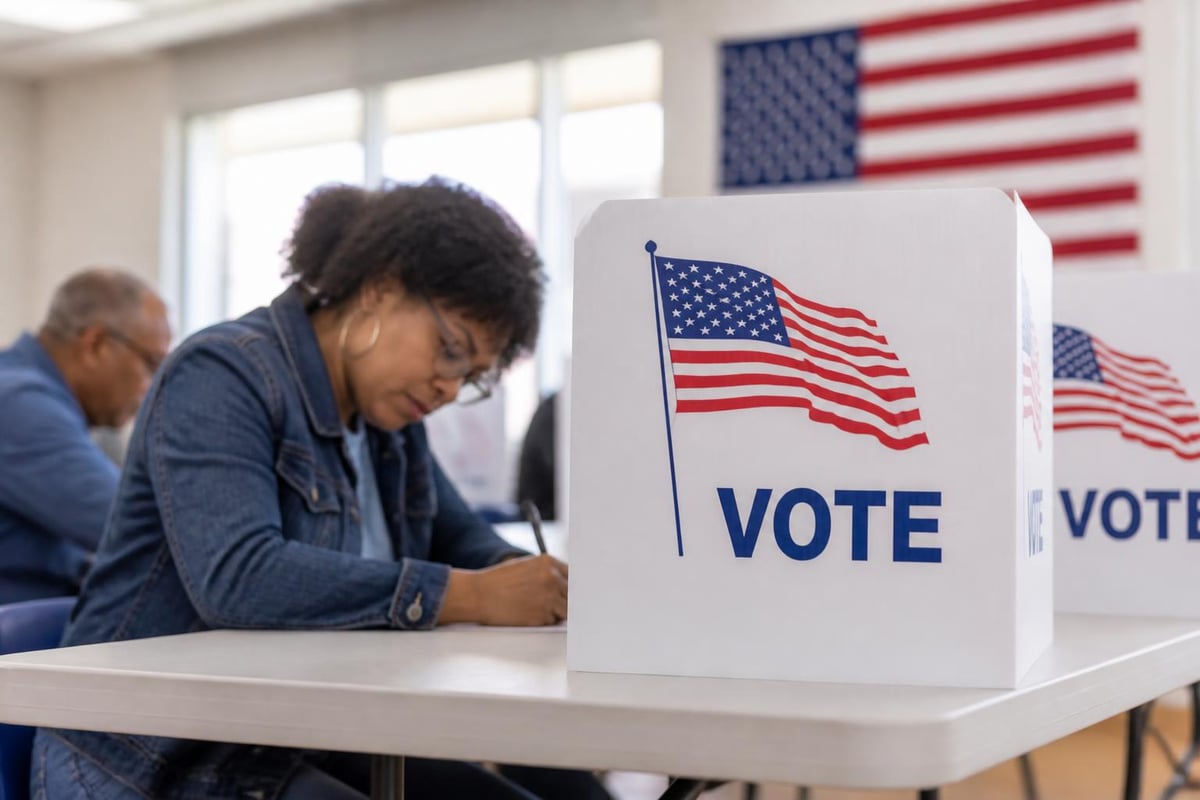
Presidential Approval Ratings and Electoral Implications
Presidential approval ratings function as crucial contextual indicators for swing state polling analysis 2026, even in midterm elections without the President on the ballot. Historical patterns consistently demonstrate that the sitting President's party faces headwinds when approval ratings fall below 50% in competitive states.
Current presidential approval dynamics in battleground states show meaningful geographic variation. Trump’s approval ratings across swing states reveal the complex relationship between national political sentiment and local electoral outcomes. Some swing states demonstrate approval ratings several points higher or lower than national averages, reflecting regional economic conditions, demographic compositions, and local media ecosystems.
The correlation between presidential approval and midterm performance, while strong, is not deterministic. Factors that can moderate this relationship include:
- Quality and name recognition of individual candidates
- State-specific economic conditions diverging from national trends
- Local political scandals or controversies
- Effectiveness of campaign messaging and voter mobilization efforts
- Issue salience variations across different geographic regions
Generic Ballot Trends and Historical Context
Generic congressional ballot polling provides essential baseline measurements for understanding the national political environment, though its predictive accuracy varies considerably across different swing states. The relationship between generic ballot preferences and actual electoral outcomes depends heavily on district-level factors, including incumbency advantages, fundraising disparities, and geographic vote distribution.
2026 generic ballot considerations:
- National trends show competitive environment with narrow margins
- Swing state polling often diverges 2-4 points from national averages
- Educational polarization intensifies in certain battleground regions
- Economic perceptions vary substantially across states despite similar objective indicators
The current polling data for 2026 midterms demonstrates how generic ballot trends interact with approval ratings and other national indicators to create the overall electoral environment within which swing state contests occur.
Regional Variations Within Swing States
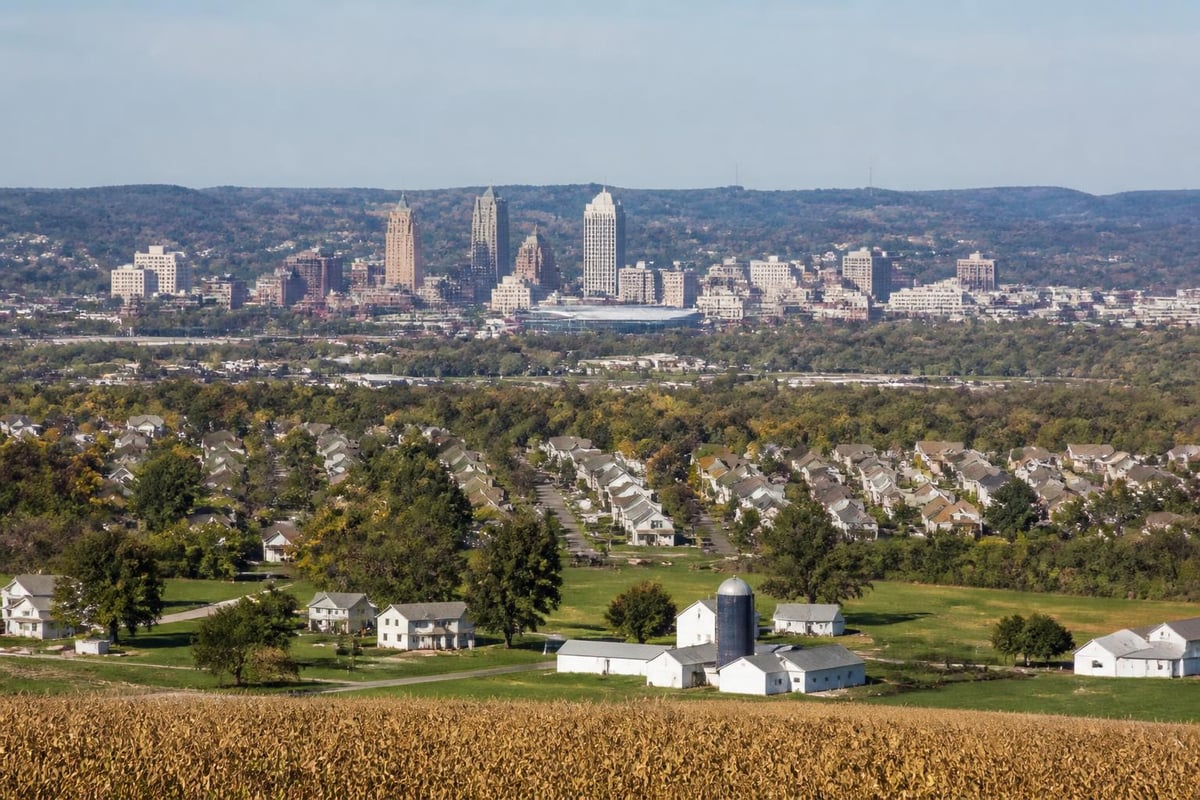
Treating swing states as monolithic entities obscures crucial intrastate variations that determine electoral outcomes. Pennsylvania exemplifies this dynamic, with the Philadelphia suburbs, Pittsburgh region, and rural counties operating as effectively separate political environments with distinct voter priorities and persuasion dynamics.
| Region Type | Typical Margin | Key Issues | Demographic Profile |
|---|---|---|---|
| Major metro cores | D+15 to D+30 | Housing, transit, education | Young, diverse, educated |
| Inner suburbs | D+5 to R+5 | Schools, taxes, development | Mixed age, moderate income |
| Outer suburbs | R+5 to R+15 | Growth management, regulation | Family-oriented, higher income |
| Small cities | Even to D+10 | Economic development, healthcare | Older, post-industrial |
| Rural areas | R+20 to R+40 | Agriculture, resource extraction | Older, less diverse |
Early Voting and Polling Accuracy Considerations
The expansion of early voting options across most swing states creates additional complexity for swing state polling analysis 2026. Pollsters must now account for when respondents plan to vote, whether they've already voted, and how electoral enthusiasm translates into actual ballot submission rather than merely Election Day intentions.
Different states have adopted varying early voting frameworks, from extensive vote-by-mail programs in Nevada to more limited absentee voting in other battlegrounds. These structural differences affect polling methodology, as survey timing relative to early voting periods can substantially influence the relationship between measured preferences and ultimate outcomes.
Wisconsin's electoral dynamics provide particularly rich analytical terrain. Research examining county-level voting patterns in Wisconsin’s presidential elections offers quantitative insights into how granular geographic trends evolve over multiple election cycles, informing more sophisticated polling models.
Polling Infrastructure and Electoral Administration
Electoral administration quality can influence both polling accuracy and actual turnout patterns. States with well-resourced election offices and clear voting procedures typically demonstrate more predictable turnout patterns, while administrative challenges can create volatility that polling struggles to anticipate.
Georgia's experience with polling place disruptions during the 2024 election cycle highlighted how bomb threats affected polling operations and whether administrative responses adequately compensated for these disruptions. Such incidents remind analysts that polling models must account for potential administrative challenges that could affect who actually casts ballots.
Voter Access and Turnout Modeling
Swing state polling analysis 2026 requires sophisticated likely voter models that account for varying access to voting across different demographic groups and geographic regions. Factors affecting turnout probability include:
- Registration requirements and deadlines that vary by state
- Polling place density and wait time expectations
- Early voting availability and awareness of options
- Voter ID laws and documentation requirements
- Historical turnout patterns by demographic subgroup
Poll aggregators increasingly weight individual polls based on methodological transparency and historical accuracy, creating composite pictures that smooth individual survey volatility. This aggregation approach provides more stable trend measurements while preserving signals about genuine momentum shifts.
Economic Indicators and Voter Perceptions
Economic conditions heavily influence swing state electoral dynamics, though the relationship between objective economic indicators and voter perceptions proves complex and often counterintuitive. Unemployment rates, wage growth, housing affordability, and inflation all contribute to the economic sentiment that shapes voting behavior.
Key economic metrics for 2026 swing states:
- Unemployment rates ranging from 3.2% to 4.8% across battlegrounds
- Housing price appreciation creating affordability challenges in Arizona and Nevada
- Manufacturing employment trends particularly salient in Michigan and Wisconsin
- Tourism and service sector recovery affecting Nevada's economic perceptions
Voters consistently weight their personal economic experiences more heavily than aggregate statistics, creating disparities between economic data and electoral sentiment. A swing state might show strong job growth while voters express economic pessimism based on cost-of-living concerns or industry-specific challenges.
Issue Salience and Policy Priorities
Different policy issues demonstrate varying salience across swing states, requiring polling that captures these geographic distinctions rather than assuming uniform national issue priorities. Immigration policy ranks as a top-tier concern in Arizona and Nevada but generates less electoral intensity in Michigan or Pennsylvania, where healthcare costs and manufacturing policy attract greater attention.
The issue environment in 2026 reflects both enduring policy debates and emerging concerns specific to this electoral cycle. Polling must distinguish between issues voters identify as important and issues that actually influence vote choice, as these categories do not always overlap substantially.
| Issue Category | High Salience States | Medium Salience States | Lower Salience States |
|---|---|---|---|
| Immigration | Arizona, Nevada | North Carolina, Georgia | Michigan, Wisconsin, Pennsylvania |
| Manufacturing | Michigan, Wisconsin, Pennsylvania | North Carolina | Arizona, Nevada, Georgia |
| Water resources | Arizona, Nevada | Georgia | Michigan, Wisconsin, Pennsylvania, North Carolina |
| Agricultural policy | Wisconsin, North Carolina | Pennsylvania, Georgia | Arizona, Nevada, Michigan |
Understanding the key swing states in the 2026 elections requires appreciating how different states prioritize different policy concerns based on their economic structures, demographic compositions, and regional challenges.
Media Environment and Information Ecosystems
The fragmented media landscape in 2026 creates distinct information ecosystems within and across swing states, affecting both voter opinion formation and polling accuracy. Local news decline in many markets means voters increasingly receive political information through national partisan sources, social media platforms, or algorithmically curated feeds that may not reflect local electoral realities.
These information environment differences complicate polling interpretation. Survey respondents increasingly sort themselves into ideological media bubbles where they encounter fundamentally different factual premises about political events, policy outcomes, and candidate characteristics. This fragmentation makes it harder to conduct polling that accurately captures persuadable voters who might shift between parties based on candidate quality or issue positions.
Swing state polling analysis 2026 must therefore account for how different demographic segments consume political information and which sources they trust for electoral decision-making. Younger voters demonstrate markedly different media consumption patterns than older cohorts, with implications for both how campaigns reach them and how pollsters successfully sample their preferences.
Accurate swing state polling analysis 2026 requires understanding demographic shifts, methodological challenges, and the complex factors influencing competitive state electorates. For comprehensive, non-partisan coverage of presidential politics and electoral dynamics that shape American governance, U.S. Presidential Report provides the balanced analysis readers need to understand these critical political developments as they unfold throughout the midterm cycle and beyond.