Immigration has consistently emerged as one of the most influential topics in American political discourse, particularly during presidential election cycles. As we move through 2026, the question of why immigration is a top election issue remains at the forefront of voter concerns, campaign strategies, and policy debates. Understanding the multifaceted reasons behind immigration's electoral significance provides essential context for anyone following presidential politics and the issues that shape our national conversations.
The Historical Context of Immigration in Elections
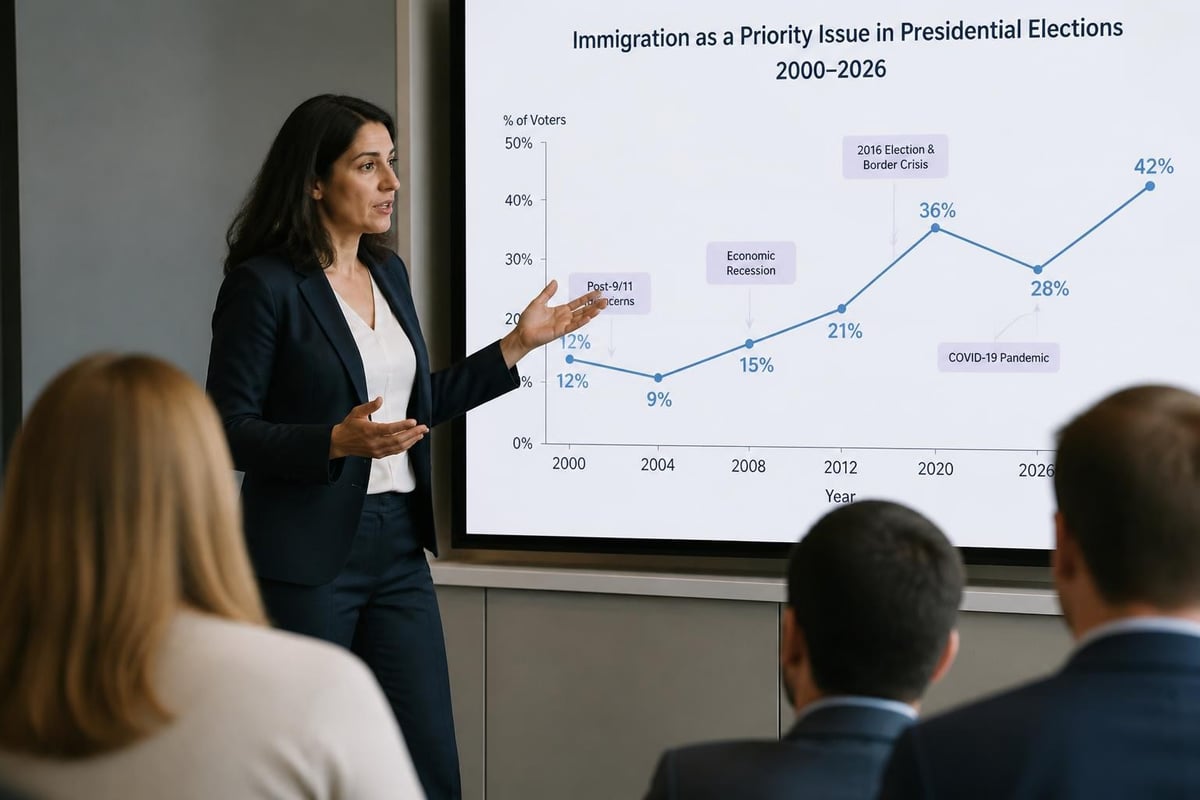
Immigration has been a recurring theme in American elections for decades, but its prominence has fluctuated based on economic conditions, border security events, and political messaging. The issue gained particular traction in recent election cycles, with Gallup polling indicating that 28% of Americans identified immigration as the most important problem facing the nation in early 2024.
This wasn't an isolated spike. The sustained attention reflects deeper concerns about border security, economic competition, and national identity. Presidential candidates have learned that their positions on immigration can significantly influence their electoral prospects, particularly in swing states where diverse constituencies hold varying views on the issue.
How Voter Priorities Have Shifted
The ranking of immigration among voter priorities has undergone remarkable transformation. Recent polling data reveals that immigration has become a higher priority for Americans, with approximately half of respondents mentioning immigration and border issues as critical areas requiring government focus.
Key factors driving this shift include:
- Increased media coverage of border encounters and processing challenges
- Economic anxieties about job competition and wage suppression
- National security concerns related to border enforcement
- Cultural debates about assimilation and American identity
- Local community impacts in cities experiencing rapid demographic change
The persistence of these concerns across multiple election cycles demonstrates why immigration is a top election issue that candidates cannot afford to ignore.
Economic Dimensions of the Immigration Debate
Economic arguments form the foundation of much immigration discourse during presidential campaigns. Candidates must navigate complex questions about how immigration affects American workers, businesses, and overall economic growth.
Labor Market Competition and Wages
Presidential candidates face intense scrutiny over their positions on how immigration affects employment opportunities for American-born workers. The debate encompasses several distinct economic considerations:
| Economic Factor | Pro-Immigration Argument | Immigration-Skeptic Argument |
|---|---|---|
| Wage Impact | Immigrants fill labor gaps, preventing wage inflation in key sectors | Immigration depresses wages for lower-skilled American workers |
| Job Creation | Immigrant entrepreneurs create new businesses and employment | Jobs should go to citizens first, especially during economic downturns |
| Economic Growth | Immigration drives innovation and expands consumer markets | Benefits accrue to employers while workers bear the costs |
| Public Services | Immigrants contribute through taxes and economic activity | Immigration strains education, healthcare, and social services |
This economic complexity explains why immigration is a top election issue that candidates must address with nuanced policy proposals rather than simple talking points.
Regional Economic Impacts
The economic effects of immigration vary significantly across different regions, creating distinct political dynamics. In some communities, immigrants have supported local economies and revitalized declining towns, while others have experienced challenges related to public service capacity and integration.
Presidential candidates must craft messages that acknowledge these regional variations while maintaining coherent national policy positions. This balancing act becomes particularly challenging in swing states where immigration's economic impacts are debated intensely.
Border Security and National Sovereignty
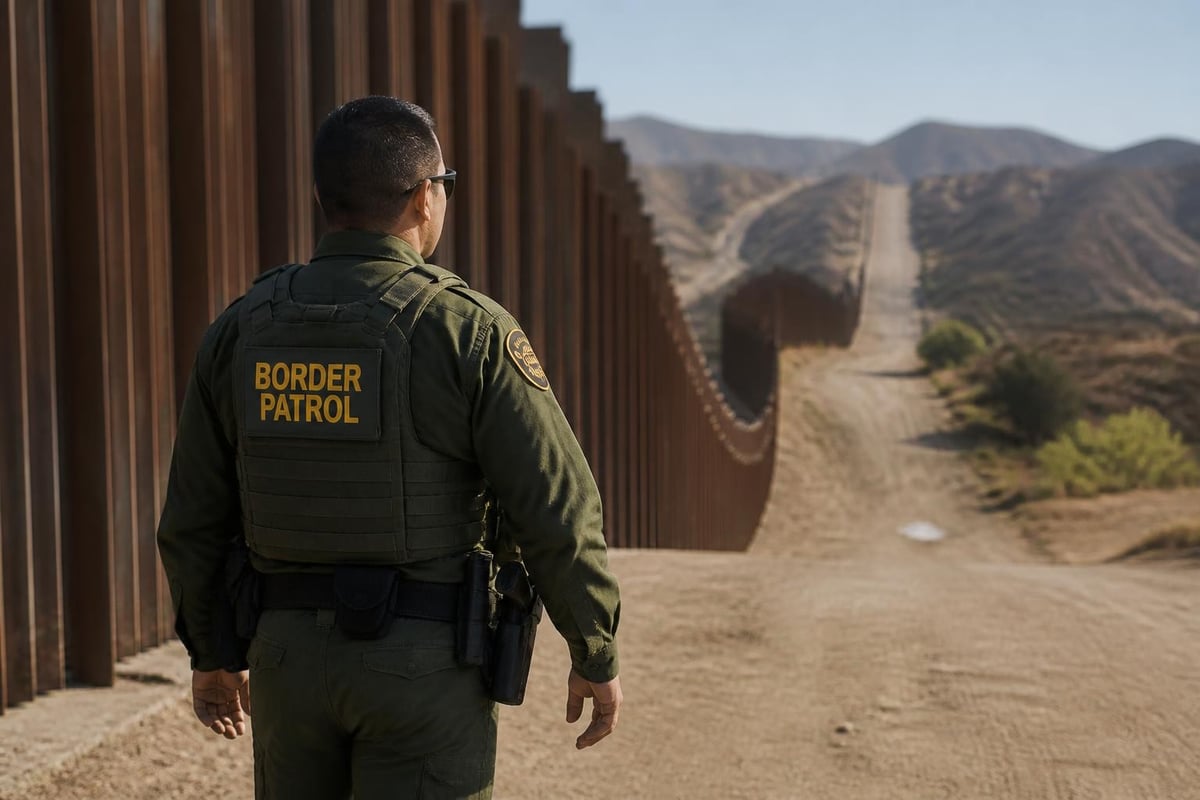
The question of border control has become inseparable from discussions about immigration policy in presidential elections. Voters consistently cite border security as a primary concern, influencing why immigration is a top election issue across demographic groups.
Border security encompasses multiple dimensions:
- Physical infrastructure (barriers, technology, personnel)
- Processing capacity for asylum claims and legal immigration
- Enforcement mechanisms for interior immigration laws
- International cooperation with countries of origin and transit
- Humanitarian considerations for vulnerable populations
Presidential candidates must articulate comprehensive approaches that address security concerns while respecting legal and humanitarian obligations. The tension between these priorities creates one of the most challenging policy dilemmas in modern elections.
The Role of Crisis Narratives
Political messaging around immigration often employs crisis framing, emphasizing urgency and the need for decisive action. Presidential campaigns leverage reports of border encounters, enforcement challenges, and security threats to mobilize supporters and pressure opponents.
This rhetorical approach has proven effective in making immigration a salient issue, even when actual border crossing numbers fluctuate. The perception of crisis becomes as politically significant as the underlying reality, shaping why immigration is a top election issue regardless of current enforcement statistics.
Cultural Identity and Social Integration
Beyond economics and security, immigration touches fundamental questions about American identity and cultural cohesion. Presidential candidates must navigate these sensitive topics while appealing to diverse constituencies with different perspectives on national identity.
Assimilation and Integration Challenges
The pace and success of immigrant integration affects public opinion on immigration policy. Communities experiencing rapid demographic change often report concerns about:
- Language barriers in schools and public services
- Cultural differences in social norms and community expectations
- Religious diversity and accommodation
- Educational achievement gaps among immigrant children
- Civic participation and political engagement
These integration challenges create local political dynamics that presidential candidates must address, particularly when campaigning in communities undergoing demographic transformation. The cultural integration challenges alongside economic contributions present candidates with complex messaging challenges.
Changing Public Attitudes
Public opinion on immigration demonstrates significant volatility based on political context and leadership messaging. Research indicates that American attitudes toward immigration have become significantly more positive during certain political periods, with 79% viewing immigration as a "good thing" at some measurement points, compared to 64% a year earlier.
This fluctuation in public sentiment explains why immigration is a top election issue that campaigns actively work to frame and influence. Presidential candidates invest substantial resources in shaping how voters think about immigration, recognizing that attitudes can shift based on political leadership and messaging.
Partisan Divisions and Policy Contrasts
The stark contrast between Democratic and Republican approaches to immigration creates clear distinctions for voters evaluating presidential candidates. These partisan divisions have deepened in recent election cycles, making immigration a powerful tool for base mobilization.
Republican Priorities and Messaging
Republican presidential candidates typically emphasize:
- Border security and enforcement as primary objectives
- Economic protection for American workers
- Rule of law and opposition to unauthorized immigration
- National sovereignty and immigration system control
- Cultural preservation and assimilation expectations
According to Pew Research Center analysis, Republican voters and Democratic voters maintain long-standing gaps in their views on immigration policy, creating distinct constituencies that candidates must address.
Democratic Priorities and Messaging
Democratic presidential candidates generally focus on:
- Comprehensive immigration reform with pathways to legal status
- Humanitarian protections for asylum seekers and refugees
- Economic contributions of immigrant communities
- Family unity and keeping families together
- Diversity benefits and cultural enrichment
These contrasting approaches provide voters with clear choices, reinforcing why immigration is a top election issue that helps differentiate candidates and mobilize partisan supporters.
The Electoral Mathematics of Immigration
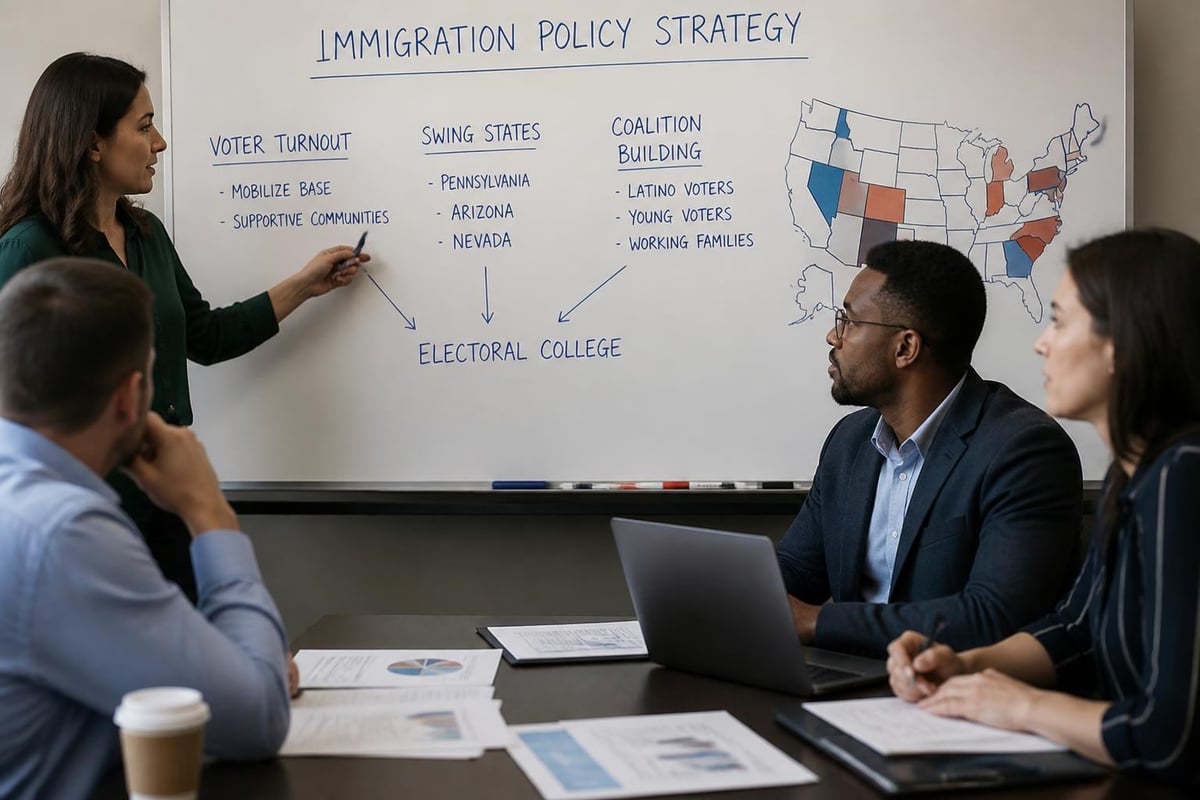
Immigration's importance as an election issue extends beyond public opinion to concrete electoral calculations. Presidential campaigns analyze how immigration positions affect their paths to victory in the Electoral College.
Swing State Dynamics
Immigration plays different roles across crucial battleground states:
| State Type | Immigration Issue Dynamics | Strategic Considerations |
|---|---|---|
| Border States | Direct experience with border enforcement and immigration | Voters prioritize security and processing efficiency |
| Suburban Swing Districts | Economic and cultural concerns about rapid demographic change | Balance between security concerns and inclusivity values |
| Rustbelt States | Economic competition and manufacturing job protection | Focus on worker protections and economic fairness |
| Diverse Urban Areas | Immigration benefits and integration success stories | Emphasize opportunity, diversity, and economic growth |
Presidential candidates must calibrate their immigration messaging to resonate across these varied contexts while maintaining consistent national policy positions.
Demographic Considerations
The growing Latino electorate and changing demographics create additional layers of electoral complexity. Presidential campaigns recognize that immigration positions affect not only direct political support but also broader perceptions of inclusivity and representation.
Data shows that 25% of U.S. registered voters say a candidate must share their views on immigration to secure their vote, up from 20% in 2015. This growing single-issue voting behavior demonstrates the electoral stakes surrounding immigration policy.
Media Coverage and Issue Salience
Media attention significantly influences why immigration is a top election issue by determining how much voters think about and prioritize immigration relative to other concerns. Presidential campaigns work strategically to either elevate or minimize immigration's salience depending on their perceived advantages.
News Cycle Amplification
Immigration stories receive substantial media coverage when they involve:
- Border crisis narratives with compelling visual imagery
- Crime incidents involving unauthorized immigrants
- Policy changes and executive actions
- Legal battles over immigration enforcement
- Human interest stories about individual immigrants
Presidential candidates time their immigration policy announcements and border visits to maximize favorable coverage while their opponents work to redirect attention to other issues when immigration coverage becomes disadvantageous.
Social Media and Grassroots Mobilization
Digital platforms have transformed how immigration debates unfold during presidential campaigns. Social media enables rapid response to immigration developments, grassroots organizing around immigration issues, and direct candidate communication with supporters about immigration priorities.
This digital amplification reinforces immigration's status as a top election issue by maintaining constant public attention and enabling supporters to share content that reinforces their immigration policy preferences.
Policy Complexity and Voter Understanding
Despite immigration's prominence in presidential elections, many voters lack detailed understanding of immigration policy mechanics, creating opportunities and challenges for candidates. Successful presidential campaigns translate complex policy debates into accessible narratives that resonate with voter concerns.
Key policy areas requiring voter education include:
- Legal immigration pathways and visa categories
- Asylum law and international obligations
- Enforcement priorities and resource allocation
- State versus federal jurisdiction over immigration matters
- Economic impacts of different immigration levels
Presidential candidates who effectively communicate about these complexities while addressing emotional concerns often gain advantages in demonstrating competence and empathy on immigration issues.
The Role of Presidential Leadership
Immigration policy requires presidential leadership to navigate congressional gridlock and implement executive actions. Polling indicates that immigration remains among the strongest areas of public support for certain presidential approaches, though opinions vary significantly based on specific enforcement actions and humanitarian considerations.
This presidential centrality to immigration policy explains why immigration is a top election issue focused heavily on candidate positions rather than solely legislative proposals. Voters evaluate presidential candidates based on their anticipated approach to immigration challenges and their willingness to use executive authority.
International Dimensions and Foreign Policy
Immigration increasingly intersects with foreign policy considerations in presidential elections, expanding beyond domestic policy into international relations, trade agreements, and diplomatic strategy.
Regional Cooperation and Root Causes
Presidential candidates must articulate approaches to:
- Working with countries of origin to address migration drivers
- Balancing enforcement with diplomatic relationships
- Using development assistance to reduce migration pressure
- Coordinating with transit countries on border management
- Protecting refugee populations in international contexts
These international dimensions add complexity to immigration as an election issue, requiring presidential candidates to demonstrate both domestic policy competence and foreign policy sophistication.
Global Migration Trends
Immigration debates in U.S. presidential elections occur within broader global migration patterns affecting democracies worldwide. Candidates increasingly reference international comparisons and lessons from other countries experiencing similar immigration challenges, though domestic considerations remain paramount in explaining why immigration is a top election issue in American presidential contests.
Immigration's prominence in presidential elections reflects genuine voter concerns about economic opportunity, national security, and cultural identity that transcend simple partisan divisions. The issue's complexity and emotional resonance ensure it will continue shaping how candidates campaign and govern. For comprehensive, non-partisan coverage of how presidential candidates address immigration and other critical policy issues, U.S. Presidential Report provides the balanced analysis you need to stay informed throughout the election cycle and beyond.