Understanding the relationship between presidential economic decisions and consumer prices requires examining specific policy mechanisms and their downstream effects. Trump economic policies and inflation have become central topics in American political discourse, particularly as economists and policymakers debate the long-term impacts of tariff strategies, tax reforms, and fiscal approaches implemented during the Trump administration. This analysis explores how these policies influenced inflationary trends and what lessons emerge for future economic governance.
Tariff Strategy and Consumer Price Impacts
The implementation of protective tariffs represented one of the most significant economic policy shifts during the Trump presidency. These tariffs targeted imported goods from China, Europe, and other trading partners with the stated goal of protecting American manufacturing and reducing trade deficits.
Direct Price Transmission Mechanisms
When tariffs increase the cost of imported goods, several economic mechanisms activate simultaneously. Importers face higher costs at the border, which they typically pass along to wholesalers and retailers. This price transmission eventually reaches consumers through higher shelf prices.
Key tariff impacts included:
- Increased costs for steel and aluminum affecting construction and manufacturing
- Higher prices for consumer electronics and appliances
- Elevated costs for agricultural equipment impacting food production
- Supply chain disruptions creating additional price pressures
The cumulative effect of these tariffs contributed to inflationary pressures across multiple sectors. Analysis of Trump’s economic proposals suggests that tariff policies can exacerbate inflation rather than control it, particularly when applied broadly across trading partners.

Retaliatory Measures and Agricultural Impacts
Trading partners responded to American tariffs with their own protective measures, creating a complex web of trade restrictions. Chinese tariffs on American agricultural products particularly affected farmers in the Midwest, requiring substantial federal subsidies to offset losses.
| Product Category | Tariff Rate | Primary Impact | Secondary Effect |
|---|---|---|---|
| Steel imports | 25% | Manufacturing costs | Construction prices |
| Aluminum | 10% | Industrial production | Consumer goods |
| Chinese goods | 15-25% | Retail prices | Supply chain shifts |
| European autos | Threatened | Market uncertainty | Investment delays |
These retaliatory actions created economic feedback loops that complicated the relationship between trump economic policies and inflation, making it difficult to isolate specific policy effects from broader market dynamics.
Tax Policy and Fiscal Stimulus Effects
The Tax Cuts and Jobs Act of 2017 represented the signature legislative achievement of the Trump administration's economic agenda. This comprehensive tax reform reduced corporate rates from 35% to 21% while modifying individual tax brackets and deductions.
Corporate Tax Reductions and Investment
Proponents argued that lower corporate taxes would stimulate business investment, increase productivity, and ultimately benefit workers through higher wages. The reality proved more nuanced, as many corporations used tax savings for stock buybacks rather than capital investment or wage increases.
The fiscal impact was substantial:
- Federal revenue decreased significantly
- Budget deficits expanded even during economic growth
- National debt increased by approximately $7.8 trillion
- Government borrowing accelerated
When governments run large deficits during periods of economic expansion, they inject additional demand into an already growing economy. This fiscal stimulus can contribute to inflationary pressures, particularly when combined with accommodative monetary policy.
Individual Tax Changes and Consumer Spending
Individual taxpayers experienced varied impacts depending on their income level, family status, and geographic location. The doubled standard deduction benefited many middle-class families, while limitations on state and local tax deductions particularly affected residents of high-tax states.
Increased disposable income from tax cuts boosted consumer spending across multiple categories. While economic growth is generally positive, the timing and magnitude of fiscal stimulus matter significantly. Injecting substantial stimulus into an economy already near full employment can accelerate inflation rather than promote sustainable growth.
Monetary Policy Coordination and Federal Reserve Relations
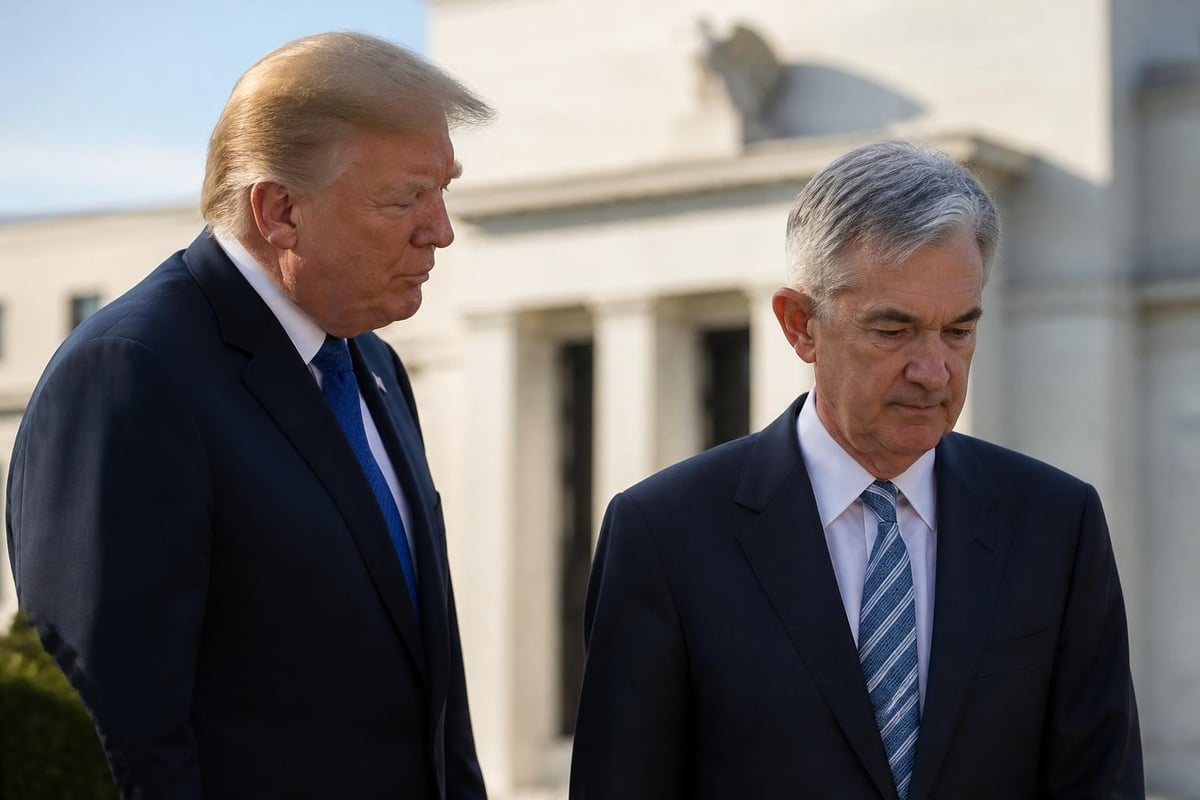
The relationship between the White House and the Federal Reserve became notably contentious during the Trump administration. Presidential pressure on the Fed to maintain low interest rates created tensions between political objectives and monetary policy independence.
Interest Rate Policy Debates
President Trump repeatedly criticized Federal Reserve Chair Jerome Powell for raising interest rates, arguing that higher rates unnecessarily constrained economic growth. These public criticisms raised concerns about central bank independence and appropriate monetary policy responses to economic conditions.
Timeline of key monetary policy moments:
- 2017-2018: Fed gradually raises rates as economy strengthens
- 2018-2019: Presidential criticism intensifies as rate hikes continue
- 2019: Fed reverses course, cutting rates three times
- 2020: Emergency rate cuts to near-zero during pandemic
- 2021-2022: Delayed response to rising inflation
The debate over appropriate interest rate levels connects directly to trump economic policies and inflation outcomes. Some economists argue that keeping rates too low for too long contributed to the inflation surge that emerged in 2021-2022, though multiple factors were at play.
Energy Policy and Price Volatility
Energy independence emerged as a central theme of Trump administration economic policy. The approach emphasized increased domestic production of oil and natural gas while reducing environmental regulations that industry argued constrained development.
Regulatory Rollbacks and Production Increases
The administration reversed numerous Obama-era environmental regulations, opened federal lands for drilling, and withdrew from the Paris Climate Agreement. These actions aimed to reduce energy costs and increase American energy production.
Domestic oil production reached record levels during this period, though global market dynamics continued to influence prices significantly. The relationship between domestic production and consumer prices proved complex, as oil markets operate globally and respond to international supply and demand factors beyond any single nation's control.
Fact-checking of Trump’s economic speeches revealed discrepancies between claims about energy price reductions and actual consumer experiences, highlighting the complexity of attributing price changes to specific policies.
Global Market Integration
Despite increased domestic production, American consumers remained exposed to global energy price shocks. Events like OPEC production decisions, Middle Eastern conflicts, and global demand fluctuations continued influencing prices at the pump regardless of domestic policy changes.
Immigration Policy and Labor Market Effects
Restrictive immigration policies represented another significant component of the Trump economic agenda. Reduced immigration flows affected labor markets across multiple sectors, with particular impacts on agriculture, construction, and service industries.
Labor Supply Constraints
When immigration decreases, labor supply tightens in sectors heavily dependent on immigrant workers. This constraint can push wages higher as employers compete for scarce workers. While wage growth benefits workers, it also increases business costs that may be passed to consumers through higher prices.
Industries affected included:
- Agriculture: Harvest labor shortages and increased costs
- Construction: Skilled trades gaps and project delays
- Hospitality: Service worker shortages and wage pressures
- Food processing: Production line staffing challenges
The labor market tightness contributed to wage-price spirals in certain sectors, connecting immigration restrictions to broader inflationary trends. Examination of “Trumponomics” components suggests these policies could drive up inflation rather than contain it.
Public Perception Versus Economic Data
A persistent gap emerged between official economic statistics and public sentiment regarding economic conditions. While administration officials pointed to strong GDP growth and stock market performance, many Americans reported struggling with rising costs for essential goods and services.
Measurement Challenges
Traditional inflation measures like the Consumer Price Index capture broad price trends but may not reflect individual household experiences. Housing costs, healthcare expenses, and education prices often increase faster than general inflation measures suggest.
| Economic Indicator | Official Metric | Public Perception |
|---|---|---|
| Inflation rate | 2-3% (pre-pandemic) | Feels much higher |
| Wage growth | Positive nominal gains | Stagnant purchasing power |
| Stock market | Record highs | Limited household benefit |
| GDP growth | Strong performance | Uneven distribution |
Polling data on price perceptions revealed significant skepticism toward administration claims about falling prices, with many Americans experiencing rising costs for essentials despite official statements.

Pandemic Response and Economic Disruption
The COVID-19 pandemic fundamentally disrupted economic conditions and policy approaches in early 2020. Massive fiscal stimulus, supply chain breakdowns, and demand shifts created unprecedented economic circumstances that complicate assessments of pre-pandemic policies.
Emergency Fiscal Measures
The CARES Act and subsequent relief packages injected trillions of dollars into the economy through direct payments, enhanced unemployment benefits, and business support programs. While necessary to prevent economic collapse, this massive stimulus contributed to the inflation surge that emerged as the economy reopened.
Stimulus components included:
- Direct payments to households totaling over $800 billion
- Enhanced unemployment benefits adding $600 weekly
- Paycheck Protection Program loans and grants
- Federal Reserve asset purchases expanding the money supply
These emergency measures amplified the relationship between trump economic policies and inflation, though distinguishing pandemic response from earlier policy choices presents analytical challenges. For context on how presidential policies can have unintended consequences, readers can explore analysis of presidential policy impacts.
Supply Chain Disruptions
Global supply chains experienced unprecedented disruption as factories closed, shipping slowed, and worker availability fluctuated. These supply shocks created price pressures across numerous categories, from semiconductors to lumber to household goods.
The combination of supply constraints and stimulus-driven demand created conditions ripe for inflation. While these dynamics transcended any single administration's policies, earlier trade policies and tariff structures influenced how quickly supply chains could adapt.
Long-Term Structural Implications
Beyond immediate price impacts, trump economic policies and inflation dynamics reveal longer-term structural economic questions about trade policy, fiscal sustainability, and monetary policy frameworks.
Trade Policy Frameworks
The shift toward protectionism and bilateral trade negotiations departed from decades of multilateral trade liberalization. This approach continues influencing American trade relationships and global economic integration patterns.
Questions for future policy include:
- Should tariffs remain a primary trade negotiation tool?
- How can domestic manufacturing be supported without triggering inflation?
- What role should multilateral trade agreements play?
- How do we balance worker protection with consumer price impacts?
Fiscal Sustainability Concerns
Expanding deficits during economic expansion departed from traditional fiscal conservatism. The precedent of large-scale tax cuts without spending reductions raises questions about long-term debt sustainability and future policy constraints.
When governments accumulate debt during good times, they have less capacity to respond to economic downturns. This structural vulnerability became evident during pandemic response when additional borrowing occurred atop already elevated debt levels. Understanding these fiscal dynamics helps explain broader trends in presidential economic decision-making.
Contemporary Economic Analysis and Debate
Economists continue debating the precise causal relationships between specific policies and inflationary outcomes. Isolating individual policy effects from broader economic trends, global developments, and subsequent events presents methodological challenges.
Partisan Interpretations
Economic policy assessment often follows partisan lines, with supporters emphasizing positive growth metrics while critics focus on debt accumulation and inequality. Examination of conflicting claims highlights how both Republicans and Democrats selectively interpret economic data to support their narratives.
This partisan divide complicates public understanding of economic cause and effect. When political figures make contradictory claims about identical data, citizens struggle to form accurate assessments of policy impacts.
Academic Research Findings
Scholarly research on trump economic policies and inflation generally suggests mixed results. Tax cuts stimulated short-term growth but increased deficits. Tariffs protected some industries while raising consumer costs. Immigration restrictions tightened labor markets in specific sectors.
The consensus emerging from academic analysis emphasizes trade-offs rather than unambiguous successes or failures. Most policies create winners and losers, with distributional consequences that matter as much as aggregate effects.
Lessons for Future Economic Policymaking
The Trump administration's economic approach offers several lessons for future policymakers regardless of political affiliation. Understanding how specific policy mechanisms influence inflation helps improve economic governance and public communication.
Key takeaways include:
- Timing matters: Fiscal stimulus during expansion can overheat economies
- Trade-offs exist: Protectionism may help some industries while harming consumers
- Global integration limits unilateral action: Domestic policies cannot fully control prices in integrated markets
- Measurement challenges: Official statistics may not capture lived experiences
- Long-term consequences: Short-term political wins can create structural problems
These lessons apply broadly across administrations and political ideologies. Economic policy inherently involves balancing competing objectives and accepting trade-offs between growth, stability, and equity.
Current Economic Conditions and Policy Evolution
As of 2026, the economic landscape continues evolving in response to policies implemented during 2017-2020 and subsequent administrations. Inflation rates, interest rates, and economic growth patterns reflect cumulative policy choices rather than any single administration's actions.
Understanding this continuity helps contextualize current debates about economic policy direction. The relationship between trump economic policies and inflation provides historical context for contemporary challenges facing policymakers addressing price stability, economic growth, and fiscal sustainability.
For comprehensive coverage of how presidential policies continue shaping American economics, U.S. Presidential Report provides ongoing analysis across administrations.
The relationship between trump economic policies and inflation illustrates how presidential decisions ripple through complex economic systems with both intended and unintended consequences. Understanding these dynamics requires moving beyond partisan narratives to examine specific mechanisms, trade-offs, and long-term structural implications. U.S. Presidential Report delivers non-partisan analysis of presidential economic policies and their impacts, helping readers understand how White House decisions affect their daily lives. Stay informed about current and historical presidential economic policies by exploring our comprehensive coverage of American governance.