The trump border security plan 2026 represents a comprehensive overhaul of immigration enforcement policies following President Trump's return to office. This plan incorporates expanded funding for border agencies, accelerated wall construction, enhanced customs enforcement measures, and stricter deportation protocols. Understanding these policies is crucial for anyone following current U.S. governance and presidential decision-making, as border security remains one of the most significant domestic policy issues facing the nation.
Legislative Foundation and Funding Structure
The Secure America Act serves as the cornerstone of legislative support for the trump border security plan 2026. This landmark legislation provides approximately $70 billion in additional funding to the Department of Homeland Security, representing the largest single investment in border infrastructure and enforcement in recent history. The Secure America Act fully funds both Customs and Border Protection (CBP) and Immigration and Customs Enforcement (ICE), enabling these agencies to expand operations significantly.
Budget Allocation Breakdown
The funding distribution reveals strategic priorities within the broader security framework:
| Agency/Program | Allocation | Primary Purpose |
|---|---|---|
| CBP Operations | $28 billion | Personnel, technology, border patrol |
| ICE Enforcement | $24 billion | Detention, deportation operations |
| Border Wall Construction | $12 billion | Physical barrier expansion |
| Technology & Surveillance | $6 billion | Monitoring systems, biometric data |
This substantial financial commitment enables comprehensive implementation across multiple enforcement dimensions. The allocation strategy emphasizes both immediate operational capacity and long-term infrastructure development.
Key funding priorities include:
- Hiring additional border patrol agents and ICE officers
- Expanding detention facility capacity nationwide
- Deploying advanced surveillance technology along border zones
- Accelerating physical barrier construction in strategic sectors
- Enhancing vetting procedures for immigration cases
Physical Barrier Expansion and Construction
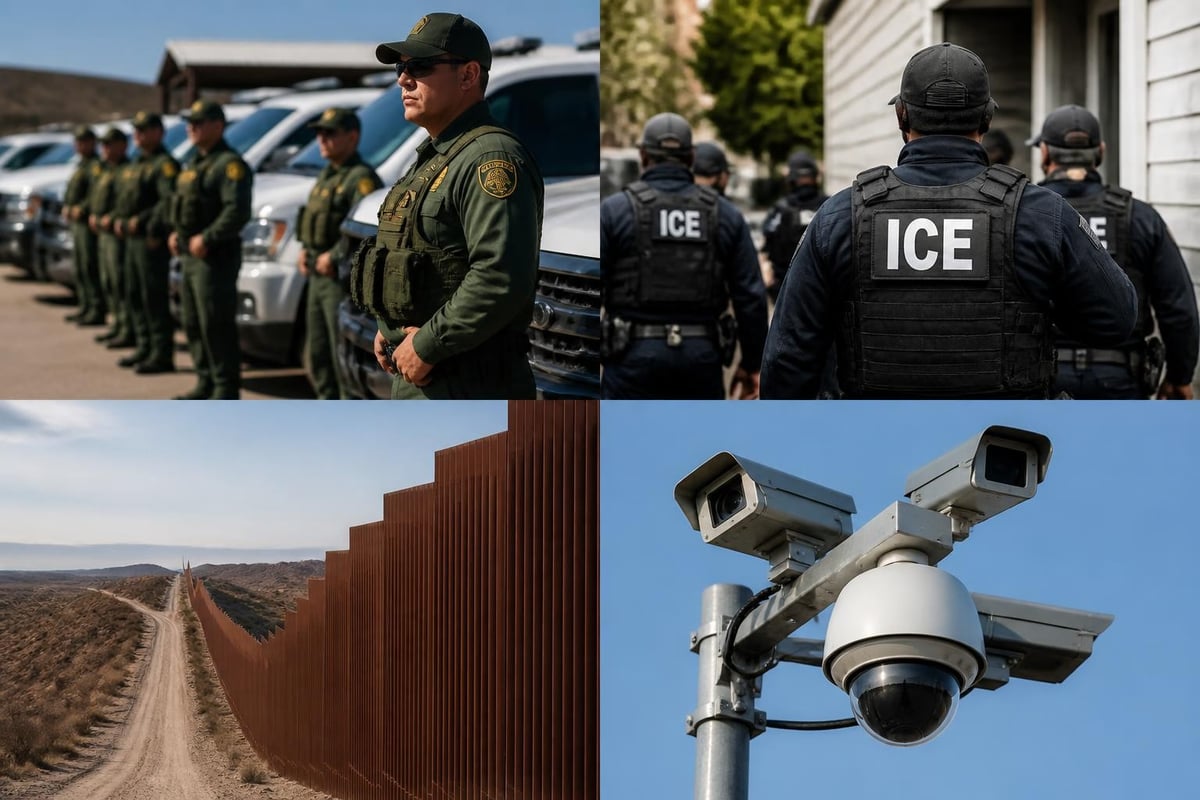
Physical infrastructure represents a visible component of the trump border security plan 2026. Wall construction has intensified dramatically, particularly in regions like Arizona's San Rafael Valley where ecological considerations intersect with security priorities. The current phase focuses on completing gaps in existing barriers and reinforcing sections with enhanced materials.
Construction priorities target areas with historically high crossing rates. Engineering specifications have evolved to include anti-tunneling features, advanced sensor integration, and improved access roads for patrol vehicles. The administration projects completion of an additional 350 miles of barrier by the end of 2026.
Environmental and Logistical Challenges
Border wall construction faces multiple obstacles that affect timeline projections:
- Environmental impact assessments in protected habitats
- Private land acquisition through eminent domain procedures
- Terrain complications in mountainous or riverine areas
- Weather constraints limiting construction seasons
- Supply chain management for specialized materials
These challenges require ongoing coordination between federal agencies, contractors, and local stakeholders. The administration has streamlined permitting processes to accelerate construction timelines while addressing environmental concerns through mitigation measures.
Enforcement Policy Reforms
Beyond physical infrastructure, the trump border security plan 2026 implements substantial policy changes affecting immigration enforcement procedures. The most significant shift involves ending the catch-and-release practice that previously allowed many migrants to remain in the country pending court proceedings.
The House Committee on Homeland Security reports a significant decrease in illegal crossings following implementation of stricter detention policies. This data suggests enforcement changes are producing measurable results, though advocacy groups raise concerns about humanitarian implications.
Major policy reforms include:
- Mandatory detention for individuals crossing illegally
- Expedited removal proceedings with shortened timelines
- Enhanced cooperation agreements with Central American nations
- Expanded use of Title 42 authority for public health removals
- Stricter asylum eligibility requirements
Detention and Deportation Operations
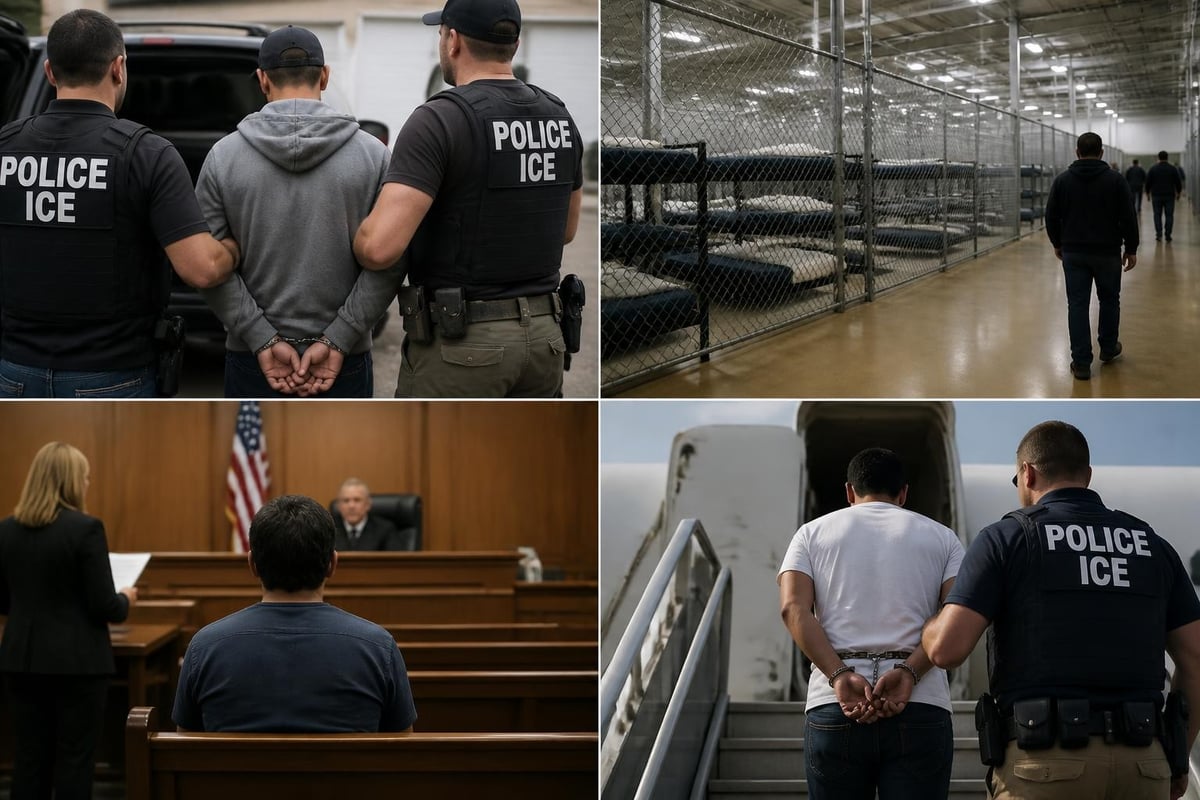
ICE has substantially expanded its detention capacity and operational reach under the current plan. The agency operates over 200 detention facilities nationwide, with capacity increasing by 40% since early 2026. This expansion enables longer-term detention while cases proceed through immigration courts.
Deportation operations have intensified through increased interior enforcement activities. ICE conducts targeted operations focusing on individuals with criminal records and those who have received final removal orders. The agency reports processing approximately 75,000 deportations monthly through mid-2026.
Customs Enforcement Enhancements
The trump border security plan 2026 extends beyond immigration to address commercial customs enforcement. President Trump signed an Executive Order strengthening U.S. customs enforcement through comprehensive reforms targeting trade violations and smuggling operations.
These reforms introduce stricter bonding requirements for importers and enhanced vetting procedures for companies seeking to conduct cross-border trade. The changes aim to combat counterfeit goods, narcotics smuggling, and revenue evasion through fraudulent customs declarations.
Trade Security Measures
| Measure | Implementation | Expected Impact |
|---|---|---|
| Increased Bond Requirements | 200% minimum for high-risk importers | Reduced fraud, improved compliance |
| Enhanced Vetting | Background checks on principals | Greater importer accountability |
| Technology Screening | AI-powered cargo inspection | Faster contraband detection |
| Penalty Enforcement | Stricter fines for violations | Deterrent effect on smuggling |
These measures integrate with broader border security objectives by addressing commercial pathways that criminal organizations exploit. The reforms particularly target fentanyl precursor chemicals and synthetic drug components entering through legitimate trade channels.
Personnel and Resource Deployment
Human resources represent a critical element within the trump border security plan 2026. CBP and ICE have undertaken aggressive hiring campaigns to fill thousands of positions authorized under the Secure America Act funding. These hiring efforts face challenges related to recruiting qualified candidates and completing extensive background investigations.
Hiring targets for 2026:
- 5,000 additional border patrol agents
- 3,500 new ICE enforcement officers
- 2,000 immigration court personnel
- 1,200 customs officers at ports of entry
- 800 intelligence analysts and support staff
Training programs have expanded to accommodate increased personnel numbers. New agents complete intensive academies covering legal authorities, defensive tactics, language skills, and cultural awareness before deployment to field assignments.
Technology Integration
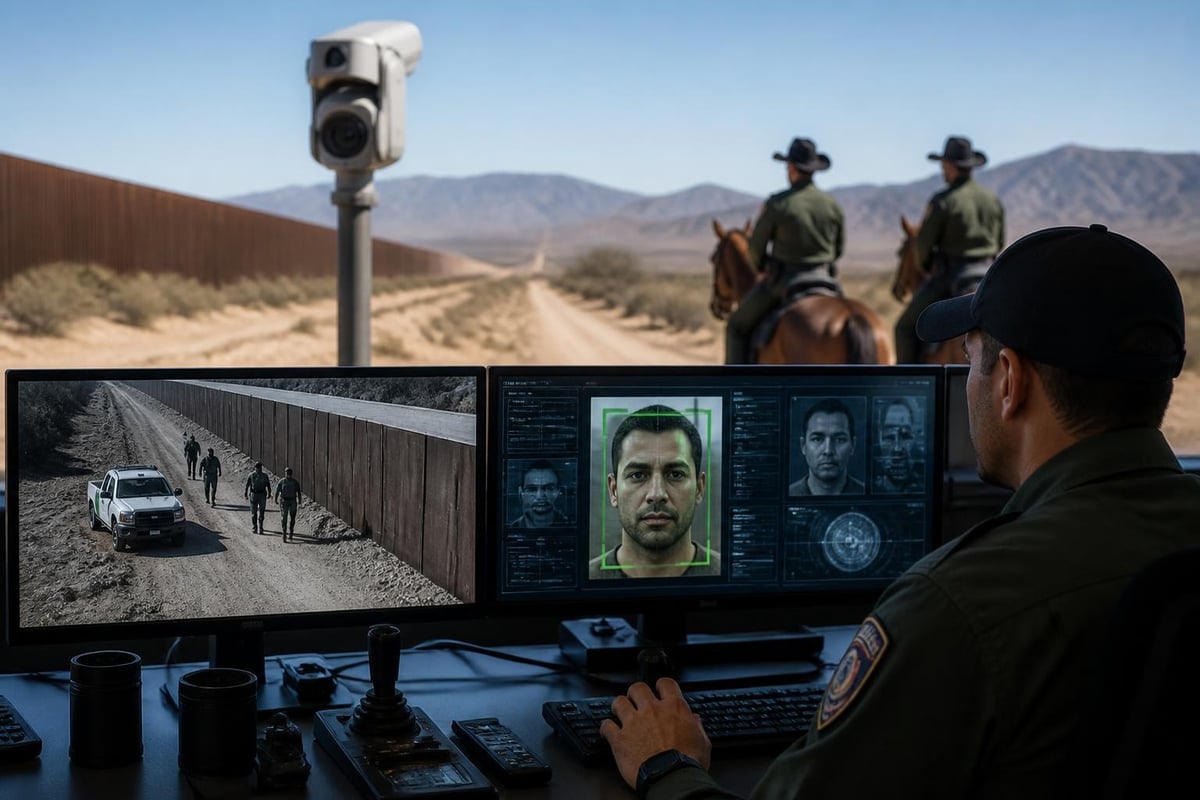
Advanced technology complements personnel deployment through surveillance systems, biometric identification, and data analytics. The plan allocates significant resources toward:
- Autonomous surveillance towers with thermal imaging
- Integrated camera networks along barrier sections
- Biometric databases linking multiple agency systems
- Predictive analytics for identifying crossing patterns
- Mobile technology for field agent documentation
This technology infrastructure enables more efficient resource allocation by identifying high-activity areas requiring concentrated enforcement attention. Real-time data sharing between agencies improves coordination and response times.
International Cooperation and Agreements
The trump border security plan 2026 emphasizes bilateral and multilateral cooperation with neighboring countries and migration-origin nations. The administration has negotiated several agreements affecting migration flows before individuals reach U.S. borders.
These agreements typically involve financial assistance, development aid, or trade preferences in exchange for enhanced border security cooperation from partner nations. Mexico maintains agreements allowing asylum seekers to remain in Mexican territory while U.S. cases proceed. Central American nations have increased their own border enforcement to reduce northward migration.
Partnership programs include:
- Joint task forces targeting human smuggling networks
- Information sharing on known traffickers and criminal organizations
- Coordinated interdiction operations in international waters
- Technical assistance for partner nation border infrastructure
- Economic development programs addressing root migration causes
Such international cooperation extends enforcement capabilities beyond U.S. territory, creating layered security that intercepts migration flows at multiple points. Critics argue these agreements shift humanitarian responsibilities to countries with fewer resources and weaker legal protections.
Legal Challenges and Judicial Review
Immigration policies under the trump border security plan 2026 face ongoing legal challenges in federal courts. Multiple lawsuits contest various aspects of the enforcement regime, from environmental impacts of wall construction to detention conditions and asylum restrictions.
Court decisions have produced mixed results, with some injunctions temporarily halting specific policies while others allow implementation to proceed. The administration has appealed adverse rulings, creating a complex litigation landscape that may ultimately require Supreme Court resolution on several constitutional questions.
Constitutional and Statutory Questions
Legal challenges raise fundamental questions about executive authority in immigration matters:
- Presidential power to declare immigration emergencies
- Statutory limits on detention duration without hearings
- Environmental law applicability to security construction
- Due process rights for asylum seekers
- Appropriations authority and funding redirects
These legal battles influence implementation timelines and operational procedures. Agencies must adapt enforcement practices to comply with court orders while maintaining security objectives. The uncertain legal environment complicates long-term planning and resource allocation decisions.
Impact on Immigration Flows and Border Encounters
Data from the first half of 2026 indicates substantial changes in border crossing patterns following implementation of stricter enforcement policies. Recent reports suggest a dramatic decrease in illegal crossing attempts compared to previous years, though measuring actual deterrent effects versus changed migration patterns remains complex.
Monthly encounter statistics show variability based on seasonal factors, economic conditions in origin countries, and enforcement intensity. CBP processes significantly fewer individuals for asylum claims at ports of entry as eligibility requirements tighten and processing times lengthen.
| Month (2026) | Border Encounters | Year-Over-Year Change |
|---|---|---|
| January | 124,500 | -38% |
| February | 118,200 | -42% |
| March | 135,600 | -35% |
| April | 142,300 | -31% |
| May | 138,700 | -33% |
| June | 131,900 | -36% |
These statistics inform ongoing policy adjustments and resource deployment decisions. However, advocates note that reduced encounters may reflect increased dangers forcing migrants to attempt crossings in more remote, hazardous areas rather than genuine deterrence.
Economic and Labor Market Considerations
Immigration enforcement intensification under the trump border security plan 2026 creates significant economic implications across multiple sectors. Industries historically dependent on immigrant labor face workforce challenges as enforcement reduces available workers. Agricultural, construction, hospitality, and food processing sectors report particular difficulties filling positions.
Economic analyses present conflicting perspectives on enforcement impacts. Some economists argue that tighter labor markets drive wage increases for American workers and encourage automation investments. Others contend that labor shortages reduce productivity, increase consumer prices, and harm economic growth.
Sector-specific impacts include:
- Agriculture experiencing harvest delays and crop losses
- Construction projects facing timeline extensions and cost overruns
- Hospitality struggling with staffing for seasonal demands
- Manufacturing addressing production capacity constraints
- Service industries adjusting business models around labor availability
These economic effects influence political debates surrounding immigration policy and create pressure for potential modifications to enforcement approaches or expansion of legal immigration pathways for workers in critical sectors.
State and Local Government Response
State and local governments have responded variably to federal enforcement priorities under the trump border security plan 2026. Some jurisdictions enhance cooperation with ICE through information sharing agreements and joint operations. Others maintain sanctuary policies limiting local law enforcement participation in federal immigration enforcement.
This patchwork of responses creates operational challenges for federal agencies seeking to coordinate enforcement across different regions. States along the border generally cooperate more extensively than interior jurisdictions, though significant variation exists even among border states based on local political dynamics.
Federal funding mechanisms increasingly tie grant allocations to cooperation levels, incentivizing jurisdictions to align with federal priorities. However, some cities and states accept funding losses to maintain policies they view as protecting community trust and public safety.
Humanitarian Organizations and Advocacy Perspectives
Humanitarian organizations have raised substantial concerns regarding implementation of the trump border security plan 2026. These groups document conditions in detention facilities, provide legal assistance to asylum seekers, and advocate for policy modifications they consider necessary to protect human rights.
Primary advocacy concerns include:
- Prolonged family detention and child welfare issues
- Inadequate medical care in detention facilities
- Limited access to legal counsel for asylum proceedings
- Dangerous conditions forcing migrants to remote crossing areas
- Treatment of vulnerable populations including unaccompanied minors
These organizations operate shelters near the border providing temporary assistance to individuals released from detention or returned to Mexico. They also pursue litigation challenging specific enforcement practices and work to document policy impacts through research and reporting.
Federal officials maintain that enforcement procedures comply with legal requirements and that security concerns justify current approaches. This fundamental disagreement about balancing security interests with humanitarian obligations continues shaping policy debates throughout 2026.
Future Projections and Policy Evolution
The trump border security plan 2026 continues evolving as the administration assesses implementation results and responds to changing conditions. Officials indicate that current enforcement levels will persist through the remainder of the presidential term, with potential intensification if crossing attempts increase.
Technology investments position the system for longer-term operational shifts. As surveillance capabilities improve and data analytics become more sophisticated, the plan may transition toward more technology-dependent enforcement requiring fewer personnel in certain roles. This evolution could affect future budget priorities and hiring needs.
Political considerations will significantly influence policy continuation beyond the current administration. Immigration enforcement approaches typically shift substantially with presidential transitions, creating uncertainty about long-term infrastructure investments and program sustainability. The broader political landscape continues affecting these policy discussions as various stakeholders advocate for their preferred approaches.
The trump border security plan 2026 represents a comprehensive enforcement approach combining legislative funding, physical infrastructure, policy reforms, and international cooperation. These elements work together creating a multi-layered security system that has demonstrably affected border crossing patterns while generating significant legal, economic, and humanitarian debates. For readers seeking thorough, non-partisan coverage of these developments and other presidential policy initiatives, U.S. Presidential Report provides reliable analysis of how current and past administrations address critical governance challenges affecting the nation.