The white house of president stands as one of the most recognizable buildings in the world, serving simultaneously as a private residence, museum of American history, and the operational headquarters of executive power. Since John Adams first occupied the building in 1800, every president has called this iconic structure home, shaping both the building itself and the nation from within its walls. Understanding the white house of president requires examining not just its architectural significance, but the complex operations, historical evolution, and critical functions that make it the nerve center of American governance.
Historical Evolution and Architectural Significance
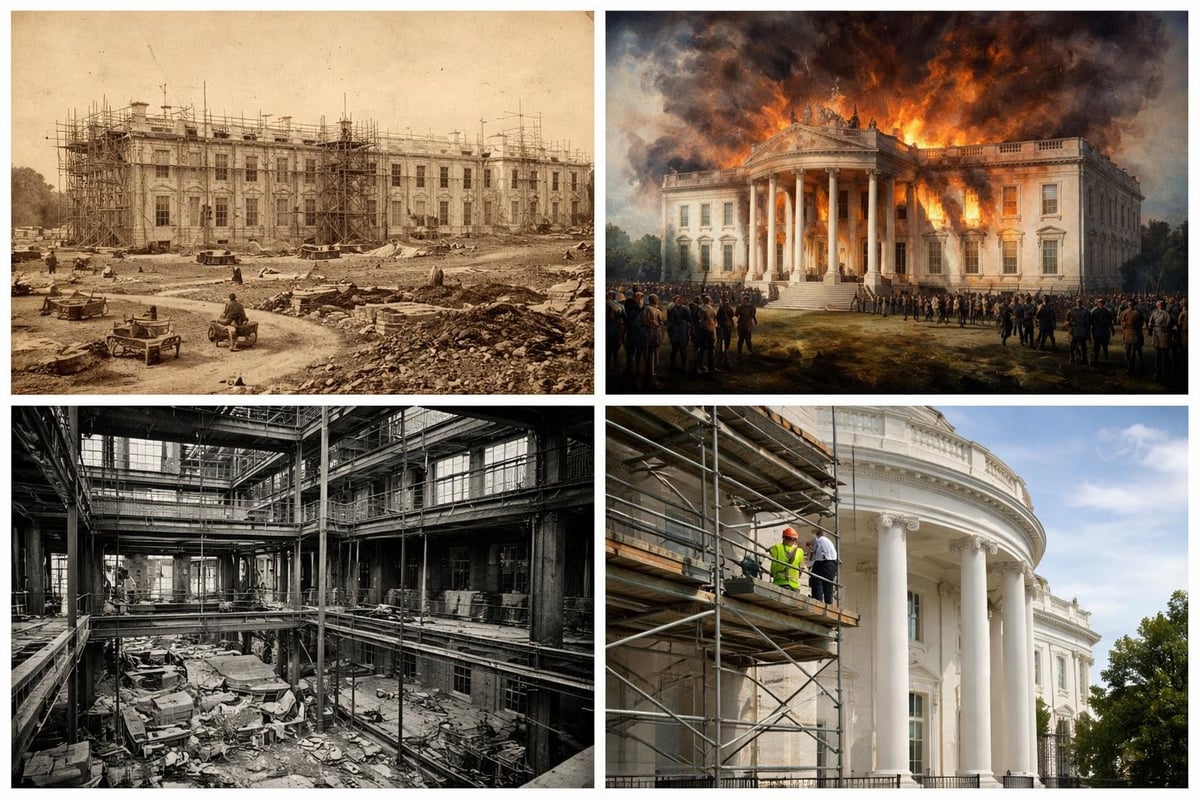
The residence at 1600 Pennsylvania Avenue has undergone remarkable transformations since its construction began in 1792. Irish-born architect James Hoban designed the building in the neoclassical style, drawing inspiration from Leinster House in Dublin. The structure has survived fires, renovations, and expansions while maintaining its essential character as the white house of president.
Major Reconstruction and Modernization Efforts
The building faced its first major crisis during the War of 1812 when British forces set fire to the structure in August 1814. Only the exterior walls survived, requiring extensive reconstruction that wasn't completed until 1817. This dramatic event established a pattern of periodic renewal that continues today.
Key renovation periods include:
- 1902 West Wing addition under Theodore Roosevelt
- 1927 third-floor expansion during Calvin Coolidge's administration
- 1948-1952 complete interior reconstruction under Harry Truman
- Ongoing preservation efforts coordinated by the White House Historical Association
The Truman renovation proved particularly crucial, as structural engineers discovered the building was literally collapsing from within. The entire interior was dismantled, and a new steel frame was constructed while preserving the historic exterior walls. This massive project transformed the white house of president from a deteriorating structure into a modern residence capable of serving contemporary needs.
Architectural Layout and Room Functions
A tour of the White House reveals how the building's 132 rooms, 35 bathrooms, and 412 doors serve distinct purposes across six floors. The State Floor contains the ceremonial rooms where presidents receive foreign dignitaries and host official functions. The Second Floor houses the private residential quarters where the first family actually lives.
| Floor | Primary Function | Notable Rooms |
|---|---|---|
| Ground Floor | Service and tours | Library, Vermeil Room, China Room |
| State Floor | Official ceremonies | East Room, State Dining Room, Blue Room |
| Second Floor | Private residence | Lincoln Bedroom, Queen's Bedroom, Treaty Room |
| Third Floor | Guest and storage | Solarium, Music Room, linen storage |
| West Wing | Executive offices | Oval Office, Cabinet Room, Roosevelt Room |
| East Wing | First Lady offices | Social Secretary, Correspondence Office |
Daily Operations and Management Structure
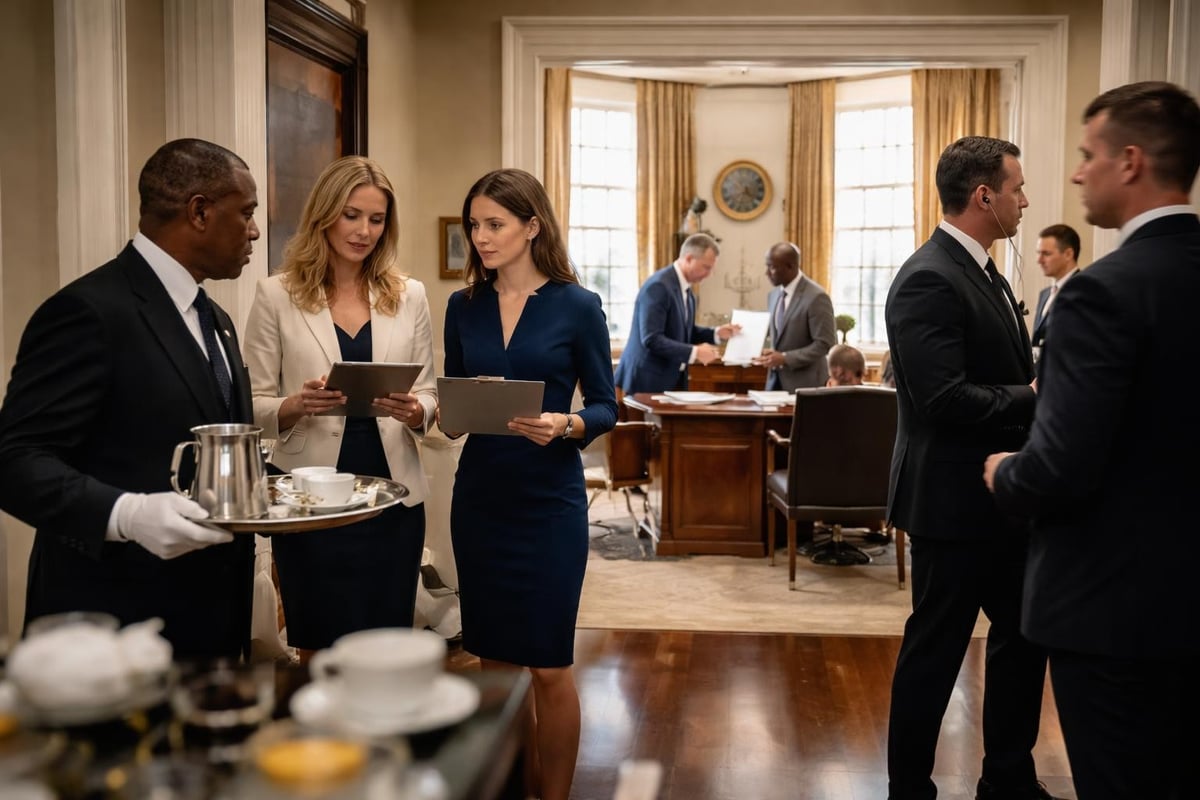
The white house of president functions as a small city, requiring hundreds of staff members to maintain operations twenty-four hours daily. This complex organization operates with military precision, coordinating everything from meal preparation to national security briefings.
Executive Residence Staff
The White House Chief Usher serves as the general manager of the residence, overseeing approximately 100 staff members who handle housekeeping, maintenance, culinary services, and event coordination. This position holds unique responsibility for ensuring the building functions smoothly regardless of which administration occupies it.
The permanent residence staff includes specialized teams:
- Culinary staff led by the Executive Chef who plans menus and manages five full-time chefs
- Housekeeping team responsible for maintaining 55,000 square feet of floor space
- Engineering crews handling everything from plumbing to sophisticated security systems
- Grounds staff maintaining 18 acres of lawns, gardens, and the famous Rose Garden
- Florists creating arrangements for approximately 50,000 visitors monthly
The White House Executive Chef position exemplifies the specialized expertise required. This role demands not just culinary excellence but the ability to prepare state dinners for 140 guests, manage dietary restrictions for international visitors, and coordinate with the Secret Service on food security protocols.
West Wing Administrative Functions
While the residence portion of the white house of president provides living quarters, the West Wing serves as the operational center of executive power. The White House Chief of Staff coordinates the president's schedule, manages senior advisors, and serves as the gatekeeper controlling access to the Oval Office.
Critical West Wing operations include:
- Daily intelligence briefings in the Situation Room
- Policy development across domestic and foreign affairs teams
- Legislative strategy coordination with Congressional liaisons
- Communications planning through the Press Secretary's office
- Appointment scheduling managed by the Appointments Secretary
Presidential departments within the West Wing coordinate specific policy areas, from economic advisors to national security teams. Each department operates semi-independently while reporting to senior White House officials who answer directly to the president.
Security and Intelligence Operations
The white house of president requires unprecedented security measures that have evolved dramatically since the building first opened to public visitors. Multiple agencies coordinate to protect both the physical structure and the individuals who live and work there.
Multi-Layered Protection Systems
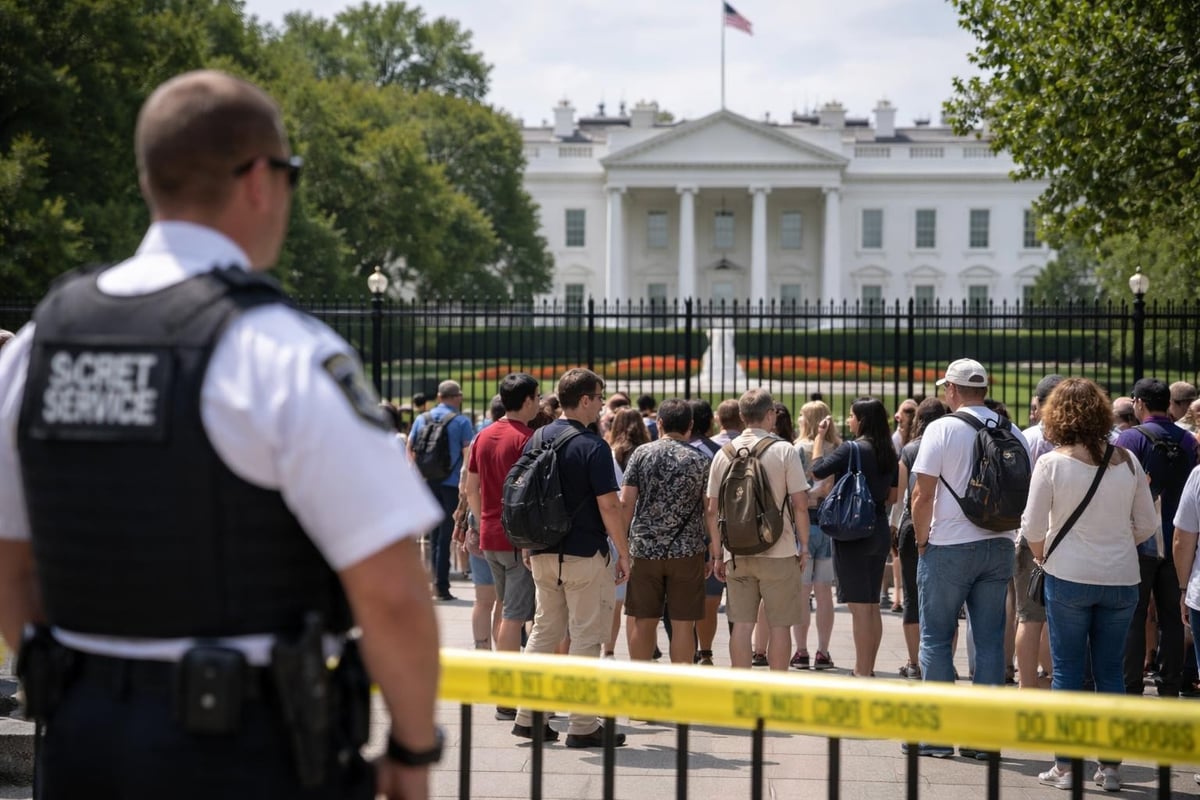
The Secret Service maintains primary responsibility for White House security, but numerous agencies contribute to comprehensive protection. The Uniformed Division patrols the grounds and monitors access points, while the Presidential Protection Division maintains constant proximity to the president and immediate family members.
Security perimeter zones include:
- Outer perimeter: Street closures and vehicle barriers several blocks away
- Middle perimeter: Reinforced fence line with sensor technology
- Inner perimeter: Building access points with metal detectors and X-ray machines
- Secure core: Protected areas like the Situation Room with additional clearance requirements
The Situation Room complex, located in the West Wing basement, represents the most secure area of the white house of president. This 5,000-square-foot facility includes conference rooms, communications equipment, and direct links to military command centers worldwide. Presidents use this space to monitor developing crises, conduct secure video conferences with foreign leaders, and coordinate responses to national emergencies.
Communications and Media Relations
The White House Office of the Press Secretary manages the constant flow of information between the administration and the public. This office coordinates daily press briefings, prepares presidential statements, and serves as the primary interface between the white house of president and journalists worldwide.
The Press Office operates from the West Wing, where the James S. Brady Press Briefing Room seats 49 journalists. This small theater-style room sits atop the old swimming pool and has hosted thousands of briefings since its construction in 1970. The Press Secretary's role extends beyond briefings to include crisis communications, message coordination across departments, and strategic media planning.
Ceremonial Functions and Public Access
Beyond its operational requirements, the white house of president serves important ceremonial functions that reinforce its role as a symbol of American democracy. State dinners, award ceremonies, and public tours connect citizens to their government in tangible ways.
State Dinners and Official Events
State dinners represent the most formal entertaining at the white house of president, honoring visiting heads of state with elaborate multi-course meals in the State Dining Room. Planning these events requires months of preparation, coordinating guest lists, menu development, entertainment, and diplomatic protocol.
Recent state dinners have accommodated 140 guests, though historically some presidents hosted larger gatherings. The events typically include:
- Arrival ceremony on the South Lawn
- Private meeting between the president and visiting leader
- Reception in the Blue Room
- Formal dinner with musical entertainment
- After-dinner program in the East Room
The first family also hosts numerous smaller events, from holiday receptions to award ceremonies honoring civilians and military personnel. These gatherings transform the white house of president from an administrative building into a living space where American culture and values find expression.
Public Tours and Educational Programs
Despite security concerns, the white house of president maintains a commitment to public access through guided tours. Approximately 6,000 visitors tour the building weekly when Congress is in session, walking through the Ground Floor and State Floor rooms while the president works upstairs or in the West Wing.
| Tour Type | Availability | Areas Accessible | Duration |
|---|---|---|---|
| Self-guided public tour | Tuesday-Thursday | State Floor, Ground Floor | 30-45 minutes |
| Congressional tour | Tuesday-Saturday | Extended State Floor access | 45-60 minutes |
| Garden tours | Spring and Fall weekends | South Lawn and Rose Garden | Variable |
| Holiday tours | December | Decorated State rooms | 30-45 minutes |
The White House Historical Association supplements physical tours with digital resources, creating virtual experiences that reach millions who cannot visit Washington. These educational programs help people understand the white house of president as both a historic building and a working office.
Maintenance and Preservation Challenges
Maintaining the white house of president presents unique challenges that blend historic preservation with the demands of modern governance. The building must serve contemporary needs while preserving its character as a 226-year-old structure.
Conservation Efforts and Ongoing Projects
Every item in the white house of president, from furniture to artwork, requires careful conservation. The Curator's Office maintains detailed records of the collection, coordinates restoration projects, and advises on acquisitions that enhance the building's historic character.
Current preservation priorities include:
- Climate control systems that protect historic artifacts while maintaining comfort
- Regular repainting of exterior woodwork requiring specialized paint formulations
- Roof replacement and waterproofing to prevent structural damage
- Electrical and plumbing upgrades hidden within historic walls
- Window restoration balancing energy efficiency with historic accuracy
The costs of maintaining the white house of president fall to various budgets. The National Park Service handles grounds maintenance, while the General Services Administration manages major renovations. The White House Historical Association raises private funds for acquisitions and special projects, ensuring taxpayers don't bear the entire burden of preservation.
Adapting to Modern Presidential Needs
Each administration brings different requirements to the white house of president, necessitating modifications that respect historic character while enabling effective governance. Recent adaptations have included enhanced telecommunications infrastructure, improved accessibility for visitors with disabilities, and upgraded security systems that operate invisibly.
The residence must accommodate the personal preferences of each first family while maintaining its public character. Some presidents prefer formal entertaining, requiring the State Dining Room to remain pristine. Others host casual gatherings, placing different demands on staff and facilities. These varying needs test the flexibility of both the building and the permanent staff who serve regardless of political party.
Historic Preservation and Public Stewardship
The white house of president belongs to all Americans, not just the temporary occupants of the Oval Office. This principle guides preservation decisions and shapes how each administration approaches its stewardship role.
The Role of the White House Historical Association
Founded in 1961 by First Lady Jacqueline Kennedy, the White House Historical Association works to preserve and share the building's history through publications, educational programs, and acquisitions. The organization operates independently from the government, raising funds through book sales and donations rather than tax revenue.
The Association has funded major restoration projects and acquired important historical furnishings that enhance the building's collection. Their work ensures the white house of president reflects authentic American history rather than becoming a generic showplace. Items range from period furniture that recreates how specific rooms appeared during various administrations to artwork documenting presidential history.
Balancing Preservation with Security
Modern security requirements sometimes conflict with historic preservation goals at the white house of president. Installing blast-resistant windows, reinforcing walls against potential attacks, and creating secure communication systems all require modifications to a structure built when such concerns were unimaginable.
Security upgrades must proceed carefully, with preservationists and security experts negotiating solutions that protect both the building and its occupants. Some modifications remain classified, but visible changes like the reinforced fence installed in recent years demonstrate the ongoing tension between access and protection.
The White House as Living Museum
Unlike European palaces that function purely as museums, the white house of president remains a working residence where real families live and conduct the nation's business. This dual nature creates unique opportunities and challenges for understanding American history.
Historical Significance of Individual Rooms
Each room in the white house of president carries stories from multiple administrations. The Lincoln Bedroom, despite its name, never served as Abraham Lincoln's sleeping quarters but was his office and Cabinet Room. Today it functions as a guest room where visitors sleep surrounded by furniture from the Lincoln era.
The Treaty Room on the Second Floor witnessed the signing of the treaty ending the Spanish-American War in 1898. Multiple presidents have used this space as a study or office, adding layers of history with each administration. Objects in the room span different eras, creating a tangible connection between past and present.
Presidential Influence on White House Character
Each president leaves a mark on the white house of president, from Thomas Jefferson's innovations to Theodore Roosevelt's West Wing addition. Some changes prove temporary, while others become permanent features that shape how future occupants use the space.
Franklin D. Roosevelt installed the swimming pool that later became the Press Briefing Room floor. John F. Kennedy restored the Rose Garden to its current classical design. Ronald Reagan added the horseshoe pit that remains today. These modifications reflect personal interests while serving broader purposes that outlast individual administrations.
Contemporary Issues and Future Considerations
As the white house of president approaches its 250th anniversary in 2050, new challenges emerge regarding preservation, security, and functionality. Climate change threatens historic structures nationwide, including this iconic building. Technological evolution demands constant upgrades to communications and security systems.
Sustainability and Environmental Concerns
Recent administrations have implemented sustainability measures including solar panels, LED lighting, and water conservation systems. These changes align the white house of president with contemporary environmental standards while reducing operational costs. However, retrofitting a historic building with green technology requires careful planning to avoid damaging original features.
The grounds offer opportunities for environmental leadership through native plantings, pollinator gardens, and organic gardening practices. The White House Kitchen Garden, established in 2009, demonstrated sustainable food production while providing fresh produce for presidential meals. Such initiatives position the white house of president as a model for environmentally responsible governance.
Digital Age Communications
Modern presidents must navigate constant media scrutiny and instant global communications from the white house of president. Social media platforms enable direct communication with citizens while creating new challenges for message discipline and security. The Press Office coordinates traditional briefings with digital content creation, managing multiple channels simultaneously.
Virtual tours and online educational resources extend the white house of president's reach beyond physical visitors. These digital experiences provide access for international audiences and Americans unable to travel to Washington, democratizing understanding of this important institution.
International Comparisons and Unique Characteristics
The white house of president occupies a unique position among world executive residences. Unlike the palaces occupied by monarchs or the purely administrative buildings housing some governments, it combines official and private functions in ways that reflect American democratic values.
Accessibility and Democratic Symbolism
Many presidential residences worldwide close their doors to public access, functioning as fortified compounds. The white house of president maintains a tradition of openness despite security concerns, welcoming thousands of visitors weekly. This accessibility reinforces American ideals about government transparency and citizen engagement.
The building's relatively modest scale compared to European palaces reflects American republican values. While impressive, the white house of president lacks the overwhelming grandeur of Versailles or the vast footprint of the Kremlin. This proportionality suggests a government of the people rather than distant rulers.
Continuity Across Administrations
The permanent residence staff at the white house of president provides continuity as political leadership changes every four or eight years. These professionals serve Democrats and Republicans equally, maintaining operational excellence regardless of political winds. This nonpartisan professionalism ensures smooth transitions and institutional memory that transcends individual administrations.
Understanding how the white house of president operates requires appreciating both its historic significance and contemporary functions. This building serves simultaneously as museum, home, office, and symbol, adapting to each era's demands while preserving connections to America's past.
The white house of president functions as far more than a residence, serving as the operational heart of American executive power while preserving centuries of history within its walls. From the permanent staff who maintain daily operations to the security teams protecting this vital institution, countless professionals ensure the building fulfills its multiple roles effectively. For comprehensive, non-partisan coverage of presidential news, policies, and the ongoing story of American governance, visit U.S. Presidential Report to stay informed about the leaders who shape our nation from this iconic address.