The landscape of American political leadership continues to evolve as citizens and observers worldwide monitor the actions and policies of the nation's chief executive. Understanding who holds the presidential office and their approach to governance remains essential for anyone following domestic and international affairs. The usa current president shapes not only national policy but also influences global economic trends, security arrangements, and diplomatic relationships that affect billions of people across the planet.
Presidential Administration Overview
Donald J. Trump currently serves as the 47th President of the United States, having returned to office in January 2025 after previously serving as the 45th president from 2017 to 2021. This unique circumstance marks only the second time in American history that a president has served non-consecutive terms, with Grover Cleveland being the first to achieve this distinction in the late 19th century.
The official White House administration page provides comprehensive information about President Trump, Vice President JD Vance, and First Lady Melania Trump, along with details about cabinet members and senior advisors who shape policy decisions.
Historical Context of the Current Presidency
The usa current president assumed office following the 2024 presidential election, which saw significant voter turnout and intense political debate. The transition period between administrations involved careful coordination to ensure continuity of government operations, particularly regarding national security matters and ongoing international commitments.
President Trump's return to the White House represents a continuation of his political movement while also introducing new policy priorities refined since his first term. His administration has emphasized what they characterize as "common sense" reforms and a return to traditional American values in governance.
Key Policy Priorities and Executive Actions
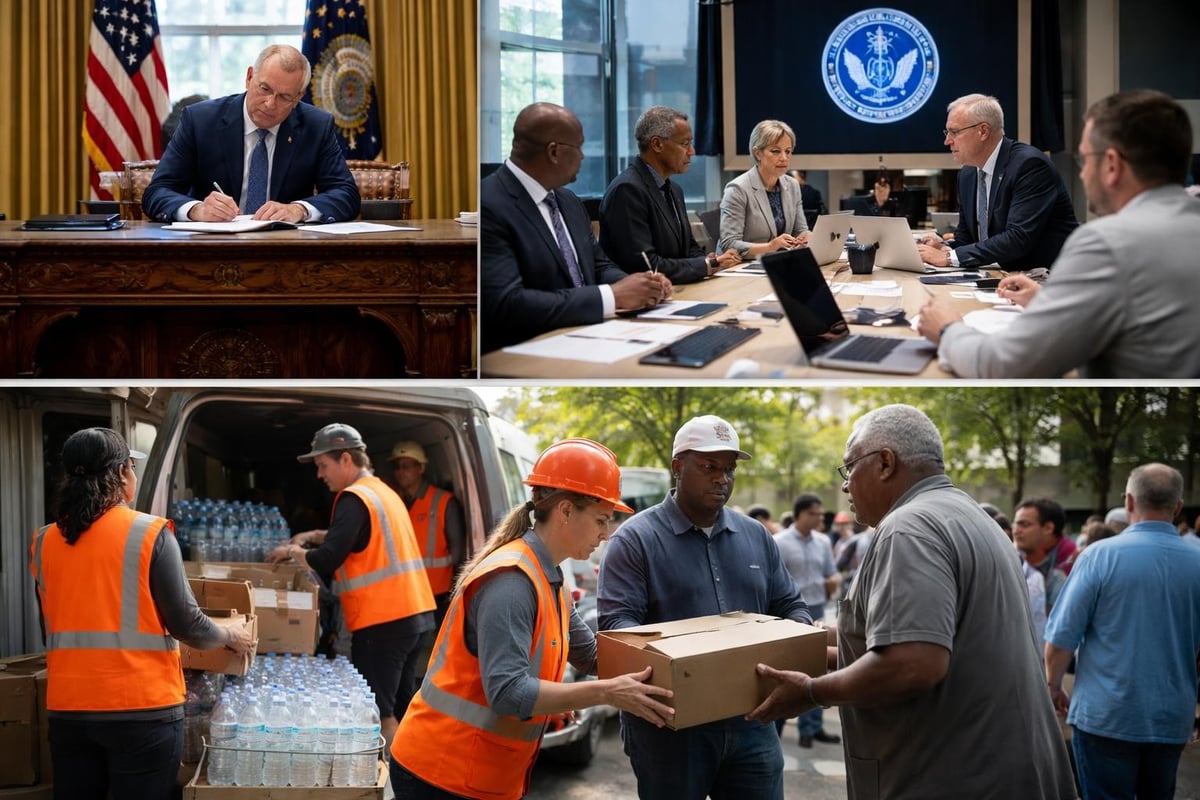
The current administration launched its second term with an unprecedented number of executive actions. Time magazine documented 46 presidential actions signed on the first day back in office, signaling an aggressive approach to implementing campaign promises.
Immigration and Border Security
Immigration policy stands as a cornerstone issue for the usa current president. The administration has prioritized:
- Enhanced border wall construction and technological surveillance systems
- Increased staffing for immigration enforcement agencies
- Modified asylum processing procedures
- Cooperation agreements with neighboring nations
- Stricter vetting protocols for visa applicants
These measures reflect campaign commitments to strengthen border security and reform what the administration views as outdated immigration policies that fail to protect American interests.
Economic and Tax Policy
Economic policy under the current administration focuses on stimulating domestic growth while protecting American workers. The Associated Press outlined comprehensive policy proposals that include tax reforms, trade agreements, and regulatory changes designed to incentivize business investment.
| Policy Area | Key Initiatives | Expected Impact |
|---|---|---|
| Taxation | Corporate tax adjustments, individual tax cuts | Economic growth, job creation |
| Trade | Renegotiated international agreements | Protection for domestic industries |
| Energy | Increased domestic production, reduced regulations | Lower energy costs, energy independence |
| Manufacturing | Incentives for reshoring, tariff adjustments | Increased domestic production capacity |
The administration argues these policies will strengthen the middle class while reducing dependence on foreign supply chains that proved vulnerable during recent global disruptions.
Foreign Policy and International Relations
The usa current president has adopted a foreign policy approach characterized by direct diplomacy and prioritization of American interests. Key focus areas include:
- NATO and European Relations: Renegotiating burden-sharing arrangements
- Asia-Pacific Strategy: Balancing economic engagement with security concerns
- Middle East Policy: Building on previous normalization agreements
- China Relations: Managing economic competition while addressing security challenges
- Russia Policy: Navigating complex geopolitical tensions
This approach represents continuity with some aspects of the first Trump administration while incorporating lessons learned and adjusting to changed global circumstances.
Domestic Policy Initiatives
Beyond foreign affairs, the current administration has advanced numerous domestic priorities affecting American daily life. According to the White House’s own reporting, these initiatives aim to reform government operations to better serve citizens.
Healthcare and Social Services
Healthcare policy remains contentious, with the administration proposing alternatives to existing frameworks. These proposals emphasize:
- Expanded health savings account options
- Interstate insurance competition
- Price transparency requirements for medical providers
- Pharmaceutical pricing reforms
- Medicare and Medicaid modernization efforts
Critics and supporters debate whether these changes will improve access and affordability or disrupt existing coverage arrangements that millions depend upon.
Education and Workforce Development
Education policy under the usa current president emphasizes state and local control while promoting vocational training and skills development. The administration supports:
- Expanded apprenticeship programs partnering businesses with educational institutions
- School choice initiatives including charter schools and education savings accounts
- Reduced federal mandates on local school districts
- Emphasis on career and technical education pathways
- Student loan reform proposals
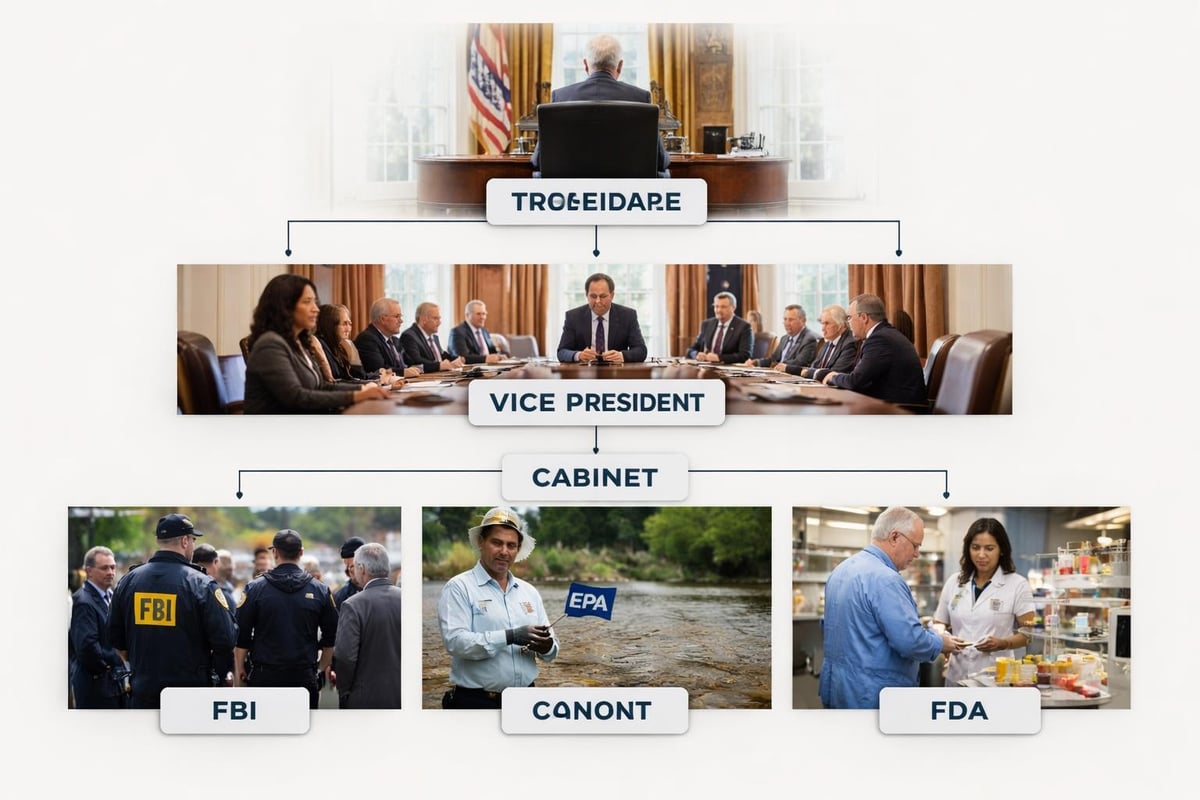
Cabinet and Administration Structure
The usa current president has assembled a cabinet reflecting his policy priorities and management philosophy. Encyclopaedia Britannica provides context on his leadership approach and how it influences administration operations.
Key Cabinet Positions
The cabinet includes individuals from business, military, and political backgrounds, chosen to execute the president's agenda across federal departments:
- Secretary of State: Managing diplomatic relations and foreign policy implementation
- Secretary of Defense: Overseeing military operations and national security strategy
- Secretary of Treasury: Directing economic policy and financial regulation
- Attorney General: Leading the Department of Justice and law enforcement priorities
- Secretary of Homeland Security: Coordinating border security and immigration enforcement
Each department head reports directly to the president and coordinates with the White House on policy alignment.
White House Staff Organization
The White House staff structure includes chief of staff, senior advisors, communications teams, and policy councils that coordinate across government agencies. This organizational framework determines how presidential priorities translate into concrete actions.
Political Landscape and Congressional Relations
The usa current president must work with Congress to advance legislative priorities, requiring negotiation and coalition-building. The political composition of both chambers significantly impacts what policies can advance beyond executive action.
Legislative Priorities
Key legislative goals include:
- Infrastructure investment and modernization
- Tax code reforms and extensions
- Immigration system overhaul
- Healthcare policy modifications
- Criminal justice reforms
Success depends on building bipartisan support or maintaining party unity, strategies that vary based on specific issues and political calculations.
Approval Ratings and Public Opinion
Presidential approval ratings fluctuate based on economic conditions, policy outcomes, and national events. Polling data indicates divided public opinion, with strong support among the president's base and significant opposition from political opponents. Readers interested in tracking these metrics can explore presidential polls for current data.
Media Relations and Communications Strategy
The current administration maintains an active communications strategy utilizing traditional media, press conferences, and digital platforms. The press secretary conducts regular briefings, while the president directly addresses the nation on major policy announcements.
Digital Engagement
Social media remains a significant communication channel, allowing direct messaging to supporters and critics alike. This approach bypasses traditional media filters but also generates controversy when statements challenge conventional diplomatic language or policy precedent.
Comparison with Recent Predecessors
Understanding the usa current president requires context from recent administrations. Each president brings unique priorities and governing styles:
| President | Term(s) | Key Characteristics | Major Focus Areas |
|---|---|---|---|
| Joe Biden | 2021-2025 | Moderate approach, bipartisanship emphasis | Infrastructure, climate, pandemic response |
| Donald Trump | 2017-2021, 2025-present | Business background, disruptive approach | Immigration, economy, deregulation |
| Barack Obama | 2009-2017 | Progressive policies, coalition building | Healthcare, climate, social issues |
| George W. Bush | 2001-2009 | Compassionate conservatism | National security, education reform |
For detailed reporting on past presidents in the news, readers can explore historical coverage that provides additional perspective on how different leadership styles shaped American governance.
Economic Performance and Metrics
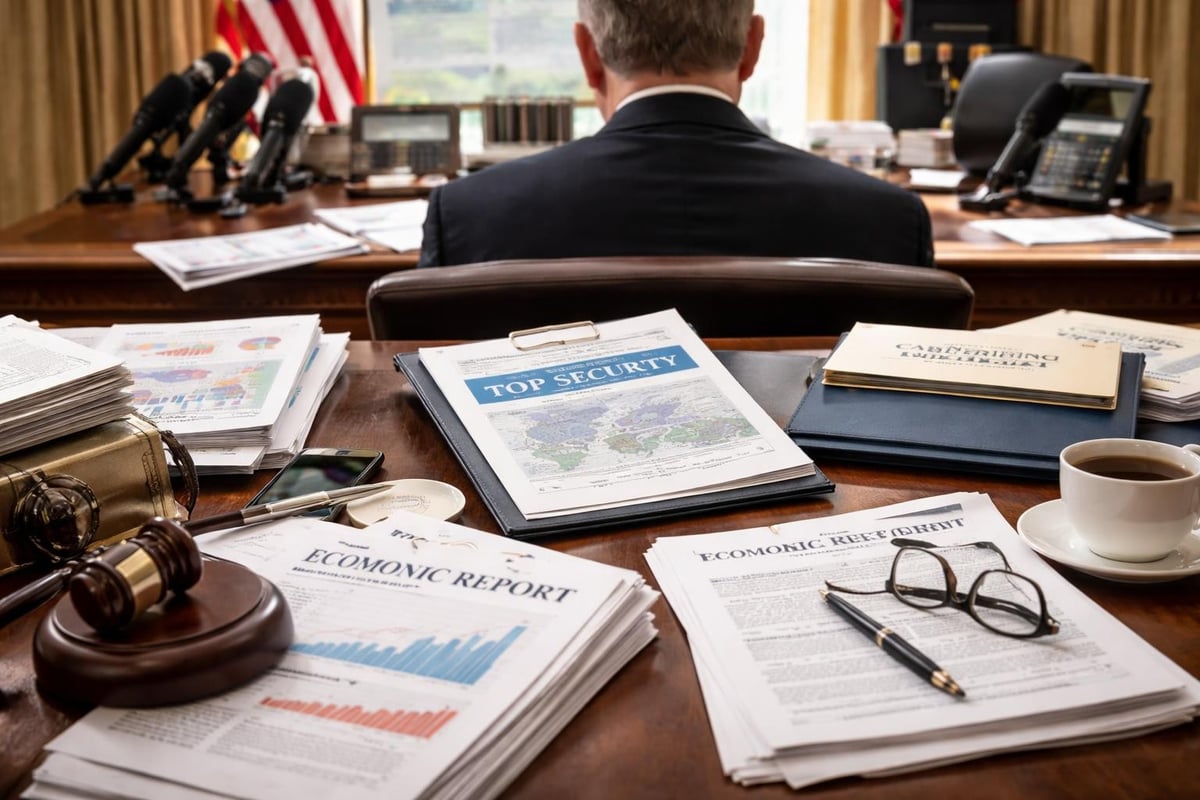
Economic performance significantly influences presidential legacy and political fortunes. Key indicators tracked include:
- Employment levels: Job creation and unemployment rates
- GDP growth: Economic expansion and productivity measures
- Inflation rates: Price stability and purchasing power
- Stock market performance: Investor confidence and retirement security
- Wage growth: Income increases for workers across sectors
The administration points to positive economic indicators as validation of policy approaches, while critics attribute favorable trends to cyclical factors or previous administration initiatives. Economists debate causation, recognizing that presidential policies interact with global economic forces beyond any single leader's control.
Trade and International Commerce
Trade policy under the usa current president emphasizes bilateral agreements over multilateral frameworks. This approach aims to negotiate terms more favorable to American interests while maintaining flexibility to adjust arrangements as circumstances evolve.
Recent trade negotiations have focused on manufacturing sectors, agricultural exports, and intellectual property protections. The administration argues these agreements protect American workers while critics worry about potential retaliation and reduced market access.
Judicial Appointments and Legal Matters
Federal judicial appointments represent one of the most lasting presidential legacies. The usa current president continues appointing judges who align with his judicial philosophy, shaping the federal judiciary for decades beyond his term.
Supreme Court and Lower Courts
Judicial appointments at all levels influence how laws are interpreted and applied. The confirmation process involves Senate hearings where nominees explain their judicial philosophies and qualifications. These appointments affect rulings on constitutional questions, regulatory authority, and individual rights.
National Security and Defense Policy
National security remains a fundamental presidential responsibility. The current administration has prioritized military readiness, technological superiority, and alliance management in its defense strategy.
Military Modernization
Defense policy includes:
- Advanced weapons systems development
- Cybersecurity infrastructure enhancement
- Space force expansion and capabilities
- Personnel retention and recruitment initiatives
- Veterans' affairs improvements
These investments reflect assessments of emerging threats and required capabilities to maintain American security interests globally.
Environmental and Energy Policy
Energy policy under the usa current president emphasizes energy independence through increased domestic production across all energy sources. This includes both traditional fossil fuels and renewable technologies, with market forces rather than government mandates determining the energy mix.
Environmental regulations have been modified to reduce what the administration characterizes as unnecessary burdens on businesses while maintaining protections for air and water quality. Environmental advocates and industry representatives offer sharply different assessments of these policy changes.
Looking Ahead: Second Term Trajectory
As the usa current president progresses through this term, several factors will determine policy outcomes and political legacy. Midterm elections, economic conditions, international developments, and unforeseen crises all influence presidential effectiveness.
The administration has outlined ambitious goals spanning infrastructure, technology leadership, educational reform, and healthcare improvement. Whether these initiatives advance depends on congressional cooperation, judicial review, public support, and practical implementation challenges.
Those following presidential news can find comprehensive coverage through U.S. Presidential Report’s blog, which provides non-partisan analysis of administration actions and their implications for American governance.
Historical Significance
The usa current president's second, non-consecutive term creates unique historical circumstances. Scholars will analyze how experiences from the first term influenced second-term decision-making and whether the intervening years provided perspective that shaped policy approaches differently than a consecutive second term might have.
Wikipedia’s comprehensive overview documents major events and policies as they unfold, providing a detailed record that historians and political scientists will study for generations.
Administrative Effectiveness and Implementation
Policy announcements require effective implementation through federal agencies. The usa current president faces the challenge of translating executive directives into operational programs that deliver intended results. This requires competent agency leadership, adequate funding, legal authority, and cooperation from career civil servants who implement policies regardless of which party controls the White House.
Success stories and setbacks in policy implementation provide lessons about government effectiveness and the complexity of managing massive federal bureaucracies. The administration's ability to execute its agenda while maintaining government services determines whether policy ambitions become tangible improvements in citizens' lives.
Understanding the usa current president's policies, priorities, and governing approach remains essential for anyone following American politics and governance. The actions taken today shape the nation's trajectory for years to come, affecting economic opportunities, security arrangements, and the rights and responsibilities of American citizenship. For comprehensive, non-partisan coverage of presidential news and analysis of how current and past presidents have shaped American governance, U.S. Presidential Report delivers the insights you need to stay informed about the nation's highest office.