The question of who was the most racist president in American history remains one of the most contested debates in presidential scholarship. This complex issue requires examining historical context, policy decisions, public statements, and the lasting impact of presidential actions on racial minorities. Understanding this history provides crucial insights into how executive power has been wielded to either advance or undermine racial equality, and how historical analysis of racism within the U.S. presidency continues to shape our political discourse today.
Historical Context of Presidential Racism
Examining presidential racism requires understanding that American leaders governed during vastly different eras with varying social norms. What constitutes racist behavior has evolved significantly, yet certain presidents stand out for policies and actions that perpetuated racial discrimination.
The Antebellum and Civil War Era
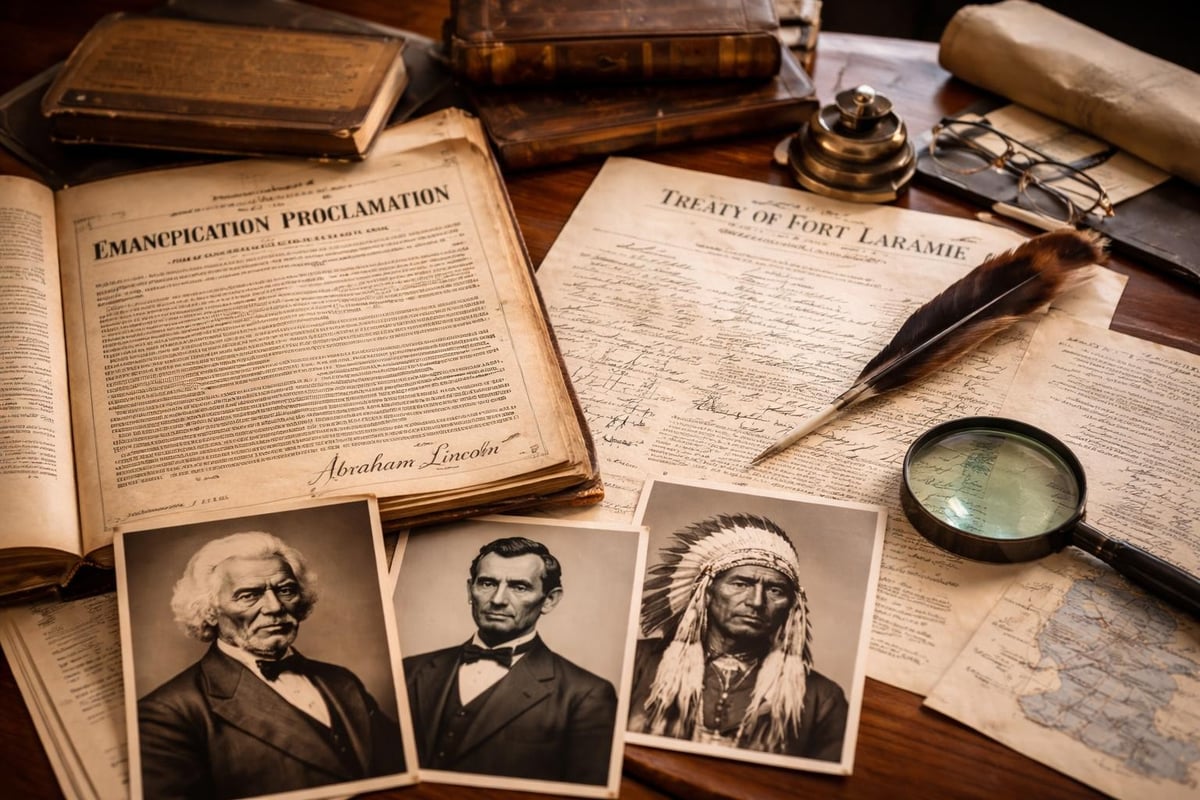
Andrew Jackson's presidency exemplified institutional racism through his Indian Removal Act of 1830. This policy forcibly relocated Native American tribes from their ancestral lands, resulting in the Trail of Tears where thousands died during the forced migration. Jackson personally owned enslaved people and defended the institution of slavery throughout his political career.
James Buchanan, serving immediately before the Civil War, actively protected slavery's expansion. He supported the Dred Scott decision and worked to admit Kansas as a slave state, demonstrating how presidential power could be used to entrench racial oppression.
Key characteristics of early presidential racism:
- Direct ownership of enslaved people
- Active support for slavery's expansion
- Policies targeting Native American removal
- Judicial appointments supporting racial hierarchy
- Opposition to abolition movements
The Post-Reconstruction Period
Woodrow Wilson's Segregation Policies
Many historians point to Woodrow Wilson when discussing the most racist president of the twentieth century. Wilson re-segregated federal government offices after they had been integrated during Reconstruction. He screened "The Birth of a Nation" at the White House, a film that glorified the Ku Klux Klan and depicted Black Americans in deeply offensive stereotypes.
Wilson's administration implemented policies that reversed progress made during the previous decades. Federal employees were segregated by race, and Black government workers faced demotions or dismissals. The costs of employment segregation under President Woodrow Wilson had lasting impacts on African American economic advancement.
| Wilson's Segregation Policies | Impact |
|---|---|
| Federal office segregation | Reversed decades of integrated workplaces |
| Employee dismissals | Removed Black workers from government positions |
| Segregated facilities | Created separate bathrooms, cafeterias |
| Reduced appointments | Decreased Black representation in federal roles |
The Silence of Calvin Coolidge
Calvin Coolidge's presidency during the 1920s coincided with significant Ku Klux Klan activity and numerous lynchings of Black Americans. While Coolidge made some statements against racial violence, critics argue his administration failed to take meaningful action to protect Black citizens from mob violence and systematic oppression.
Modern Presidential Era
Richard Nixon and the Southern Strategy
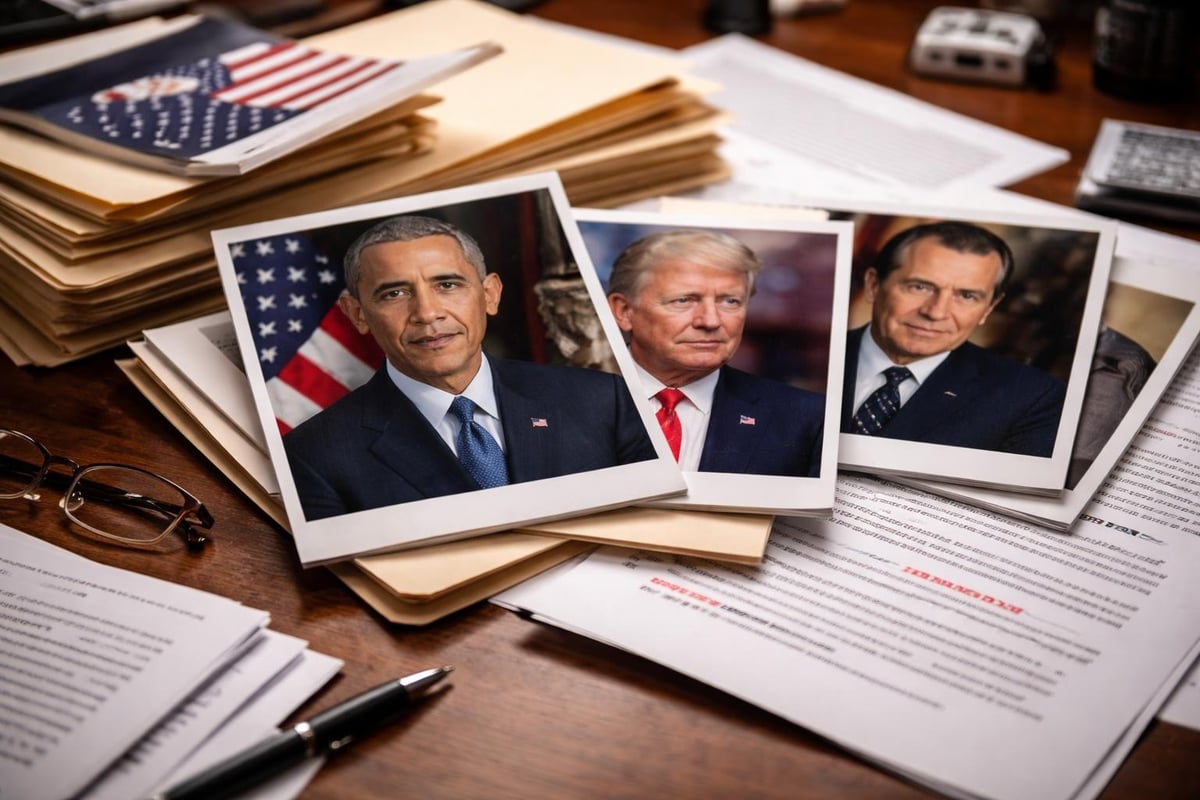
Richard Nixon's presidential campaigns employed what became known as the Southern Strategy, using coded racial language to appeal to white voters opposed to civil rights advances. While Nixon supported some civil rights measures, internal communications and recorded conversations revealed racial prejudices and strategic use of racial resentment for political gain.
The Nixon administration's approach to drug policy disproportionately affected Black communities. Former Nixon aide John Ehrlichman later admitted the War on Drugs was designed to disrupt Black communities and the anti-war left.
Contemporary Assessments
Recent presidencies have faced scrutiny regarding racial issues. The evolution of racism over the last two U.S. presidencies demonstrates how racial politics continues to shape American governance. Past presidents in the news often face renewed examination as historians uncover additional documentation about their racial views.
Modern manifestations of presidential racial issues:
- Use of coded language appealing to racial resentment
- Opposition to diversity and inclusion initiatives
- Appointments reflecting limited racial diversity
- Policy positions affecting minority communities disproportionately
- Public statements creating racial controversy
Measuring Presidential Racism
Policy Impact Assessment
Determining the most racist president requires examining concrete policy outcomes rather than personal beliefs alone. Presidential actions carry consequences affecting millions of Americans, making policy analysis essential.
Scholars evaluate several factors when assessing presidential racism:
- Legislative support or opposition to civil rights
- Executive orders affecting racial minorities
- Judicial appointments and their rulings on racial issues
- Enforcement or neglect of existing civil rights laws
- Use of executive power to advance or hinder racial equality
- Rhetoric and public statements normalizing racial prejudice
Historical Documentation
The long history of racism in the U.S. presidency reveals patterns across administrations. Historical records including personal correspondence, recorded conversations, and policy documents provide evidence of presidential racial attitudes. Many presidents who appeared progressive for their era maintained deeply problematic racial views by contemporary standards.
| President | Era | Primary Racist Actions | Historical Context |
|---|---|---|---|
| Andrew Jackson | 1829-1837 | Indian Removal Act | Antebellum expansion |
| James Buchanan | 1857-1861 | Pro-slavery policies | Pre-Civil War |
| Woodrow Wilson | 1913-1921 | Federal segregation | Progressive Era |
| Richard Nixon | 1969-1974 | Southern Strategy | Civil Rights backlash |
The Challenge of Historical Comparison
Changing Standards and Norms
Comparing presidents across different centuries presents methodological challenges. Social norms regarding race have transformed dramatically since the nation's founding. However, some presidents were considered racist even by the standards of their own time.
Woodrow Wilson faced criticism from civil rights advocates during his presidency for re-implementing segregation. His actions represented a backward step from policies established during Reconstruction, making him arguably the most racist president relative to the progress that existed when he took office.
Contemporary vs. Historical Racism
Modern discussions about presidential racism often focus on recent administrations. The rise of racial anger and racism during the Trump era sparked renewed debate about executive leadership and racial division. Racist quotes from modern U.S. presidents demonstrate that explicit racial prejudice has not disappeared from American politics.
However, historical presidents like Andrew Jackson implemented policies resulting in thousands of deaths through forced relocations. The scale of human suffering caused by Indian Removal creates a different category of harm compared to rhetoric alone.
Institutional Racism and Presidential Legacy
Long-term Policy Consequences
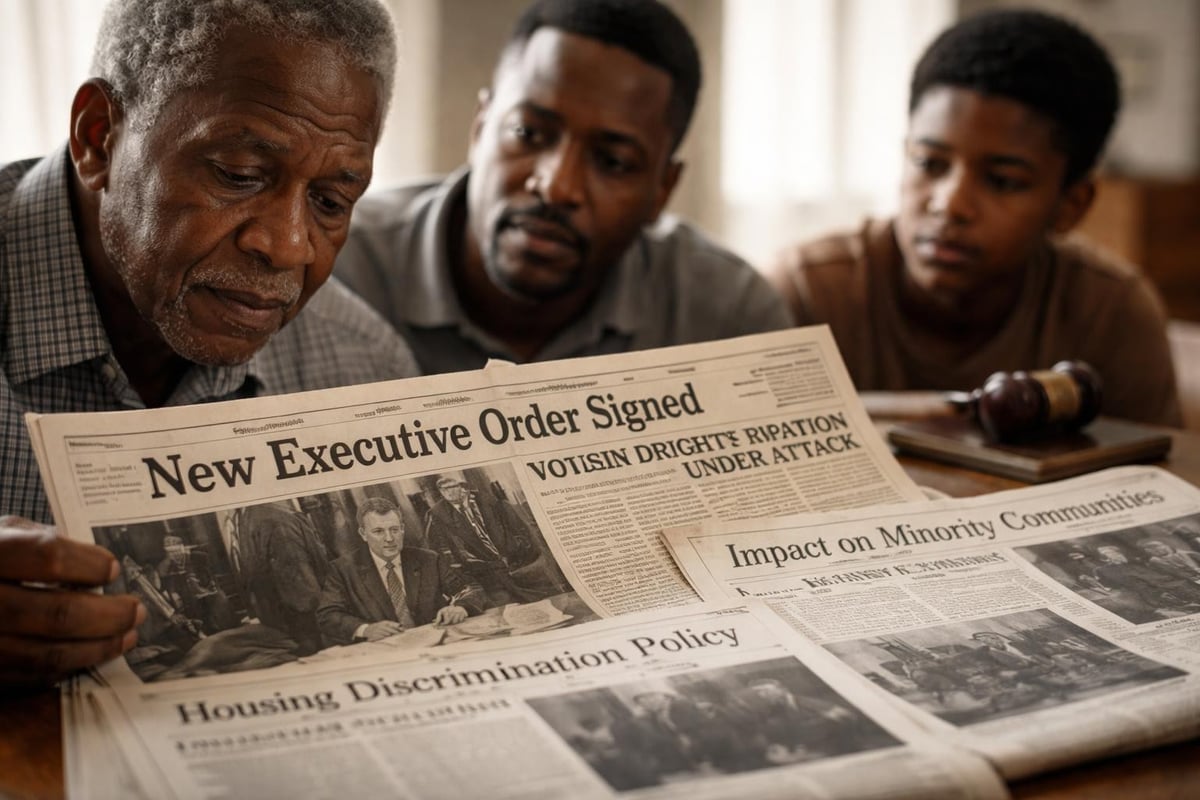
Presidential decisions create lasting institutional structures affecting racial equality for generations. Wilson's segregation policies influenced federal employment practices for decades. Nixon's drug war policies contributed to mass incarceration disproportionately affecting Black Americans well into the twenty-first century.
The presidential library information available through official archives continues revealing new documentation about presidential racial attitudes and policies. These archives allow historians to reassess presidential legacies as additional evidence emerges.
Lasting impacts of presidential racial policies:
- Federal employment discrimination patterns
- Criminal justice system disparities
- Economic inequality through discriminatory housing policies
- Educational segregation and unequal resource allocation
- Voting rights restrictions and suppression tactics
The Role of Presidential Rhetoric
Normalizing Racial Prejudice
Presidential language shapes national discourse and can either challenge or reinforce racial stereotypes. When presidents use racially charged language or fail to condemn racial violence, they signal acceptance of discriminatory behavior to both government officials and citizens.
The tradition of racism in the U.S. presidency and its continuation through attacks on diversity initiatives demonstrates how executive leadership influences cultural attitudes. Presidential rhetoric carries unique power to either advance racial reconciliation or deepen division.
Public Statements and Private Views
Historical records reveal significant gaps between presidents' public statements and private views. Recorded conversations from the Nixon White House exposed racial slurs and stereotypes contradicting his public positions. Similarly, personal correspondence from earlier presidents documented racist attitudes they carefully concealed from public view.
Comparative Analysis Across Administrations
Ranking Methodology Challenges
Historians and political scientists disagree about methodology for determining the most racist president. Some emphasize policy impact, while others prioritize personal beliefs or public rhetoric. The question resists simple answers because racism manifests differently across historical periods.
Evaluation criteria considerations:
- Number of people directly harmed by policies
- Reversal of existing racial progress
- Creation of lasting discriminatory institutions
- Personal ownership of enslaved people
- Public promotion of white supremacist ideology
- Failure to protect minorities from violence
- Strategic exploitation of racial division
Top Contenders in Historical Assessment
Andrew Jackson's Indian Removal policies resulted in massive human suffering and death. Woodrow Wilson actively reversed racial progress, implementing segregation where integration previously existed. James Buchanan's defense of slavery helped precipitate the Civil War. Each represents different manifestations of presidential racism with devastating consequences.
The U.S. Presidential Report blog provides ongoing analysis of how presidential actions on racial issues continue shaping American society. Understanding this history remains essential for informed citizenship and political engagement.
The Intersection of Race and Presidential Elections
Campaign Strategies and Racial Appeal
Presidential campaigns have long exploited racial divisions for electoral advantage. The short history of racism in U.S. presidential elections from 1964 through 2004 reveals consistent patterns of candidates using racial fear and resentment to mobilize voters.
The Southern Strategy pioneered by Nixon's campaigns became a template for subsequent Republican presidential candidates. This approach used coded language about crime, welfare, and states' rights to appeal to white voters without explicit racial references.
| Election Year | Racial Strategy | Impact |
|---|---|---|
| 1968 | Law and order messaging | Nixon victory |
| 1980 | Welfare queen narrative | Reagan coalition |
| 1988 | Willie Horton ads | Bush Sr. campaign |
| 2016 | Immigration rhetoric | Polarization increase |
Electoral Consequences
The role of racism in contemporary American politics reflects longstanding traditions of racial division influencing voter behavior. Presidential candidates who successfully exploit racial resentment often win elections despite promoting policies harmful to racial minorities and democracy itself.
Presidential Accountability and Historical Assessment
Evolving Historical Judgments
Historical assessments of presidential racism continue evolving as new evidence emerges and societal understanding of racism deepens. Presidents once celebrated as progressive often faced renewed criticism as scholars examined their records more thoroughly regarding race relations.
Contemporary movements for racial justice have prompted reassessment of presidential legacies. Monuments honoring presidents who owned enslaved people or implemented racist policies have sparked national debates about how Americans should remember leaders whose accomplishments came alongside participation in racial oppression.
The Importance of Historical Memory
Understanding which presidents advanced racist policies and ideology serves multiple purposes. It provides context for current racial disparities rooted in historical policy decisions. It also demonstrates how executive power can be wielded to either protect or violate the rights of minority populations.
The question of who was the most racist president ultimately matters less than understanding how presidential racism has shaped American institutions and continues influencing contemporary politics. Each administration that promoted racial discrimination contributed to systems of inequality requiring sustained effort to dismantle.
Presidential Reforms and Progress
Presidents Who Advanced Racial Justice
While examining the most racist president, acknowledging presidents who advanced racial equality provides important contrast. Abraham Lincoln issued the Emancipation Proclamation. Lyndon Johnson signed the Civil Rights Act and Voting Rights Act. These actions demonstrate how presidential power can serve justice rather than oppression.
However, even progressive presidents on racial issues often held problematic views or implemented discriminatory policies in other areas. Lincoln supported colonization schemes to relocate freed slaves outside America. Johnson used racial slurs privately while publicly championing civil rights legislation.
Presidential actions advancing racial equality:
- Executive orders desegregating the military (Truman)
- Enforcement of school desegregation (Eisenhower)
- Civil rights legislation support (Johnson)
- Apartheid opposition and sanctions (various administrations)
- Judicial appointments supporting civil rights
Ongoing Challenges
The 2026 political landscape continues grappling with presidential leadership on racial issues. Questions about diversity in appointments, responses to racial violence, and policies affecting minority communities remain central to evaluating presidential performance. The U.S. Presidential Report provides non-partisan coverage of how current and past presidents address these crucial challenges.
Examining the question of the most racist president reveals how executive power has been used throughout American history to either advance or undermine racial equality, with presidents like Andrew Jackson, Woodrow Wilson, and others implementing policies causing lasting harm to minority communities. Understanding this history provides essential context for evaluating presidential leadership on racial issues today. For comprehensive, non-partisan coverage of how current and past presidents address racial justice and other crucial policy matters, visit U.S. Presidential Report for the latest analysis and historical insights.