Understanding the distinction between immigration policy and border security policy remains essential for anyone following American political debates in 2026. These two frameworks often get conflated in public discourse, yet they serve fundamentally different functions within the U.S. governance system. Immigration policy establishes who can enter, remain, and become citizens of the United States through legal pathways and processes. Border security policy focuses on monitoring, controlling, and enforcing the physical boundaries of the nation. While both address migration, their tools, objectives, and political constituencies differ significantly. This article examines immigration policy vs border security policy comparisons to clarify how presidential administrations balance these distinct but interconnected priorities.
Defining Immigration Policy Frameworks
Immigration policy encompasses the legal architecture governing admission, residence, and naturalization of foreign nationals. The Congressional Research Service provides comprehensive background on how U.S. immigration law establishes visa categories, refugee protections, and citizenship pathways.
Core Components of Immigration Policy
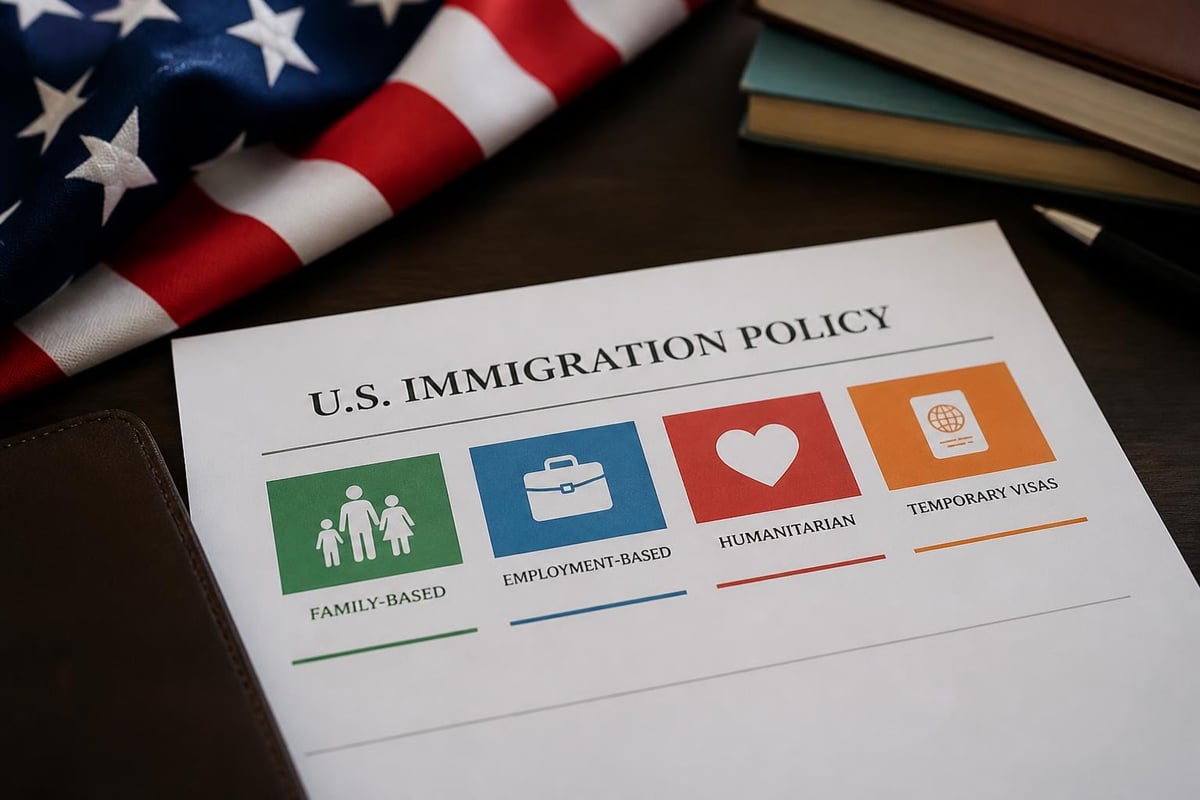
Modern immigration policy operates through several distinct channels:
- Family-sponsored immigration allowing U.S. citizens and permanent residents to petition for relatives
- Employment-based visas for workers with specific skills, education, or labor market needs
- Humanitarian protection including refugee resettlement and asylum processes
- Diversity programs designed to promote immigration from underrepresented countries
- Temporary visa categories for students, tourists, and temporary workers
These pathways reflect legislative choices about national interests, humanitarian obligations, and economic needs. Each presidential administration interprets and implements these statutory frameworks differently, leading to significant policy variation even without Congressional action.
Legislative vs Administrative Authority
Immigration policy reforms require Congressional legislation for fundamental changes to visa caps, eligibility criteria, or new pathways. However, executive agencies possess substantial discretion in implementation priorities, processing timelines, and enforcement approaches.
Presidential administrations utilize regulatory authority to:
- Adjust processing standards and documentary requirements
- Prioritize certain visa categories or applicant pools
- Expand or contract temporary protected status designations
- Modify asylum eligibility interpretations within statutory bounds
- Issue executive orders affecting specific countries or populations
This administrative flexibility makes immigration policy highly responsive to presidential priorities. Past administrations have demonstrated how executive actions can reshape the immigration system without legislative amendments.
Border Security Policy Architecture
Border security policy centers on preventing unauthorized entry and maintaining territorial integrity. The 2024-2028 U.S. Border Patrol Strategy outlines operational priorities including detection, apprehension, and processing of individuals crossing borders illegally.
Operational Components and Technologies
Modern border security employs multiple layers:
| Security Layer | Primary Tools | Objective |
|---|---|---|
| Physical barriers | Fencing, walls, natural obstacles | Channel migration to monitored zones |
| Surveillance technology | Cameras, sensors, drones, radar | Detect unauthorized crossings |
| Personnel deployment | Border Patrol agents, support staff | Apprehend and process individuals |
| Processing infrastructure | Holding facilities, courts, detention | Determine legal status and outcomes |
This infrastructure-focused approach requires substantial federal investment in personnel, technology, and facilities. Unlike immigration policy's pathway-creation function, border security emphasizes interdiction and enforcement.
Coordination Across Agencies
Effective border security demands coordination among multiple federal entities:
- U.S. Customs and Border Protection (CBP) handles frontline enforcement
- Immigration and Customs Enforcement (ICE) manages interior enforcement and detention
- U.S. Citizenship and Immigration Services (USCIS) processes applications and benefits
- Department of Justice oversees immigration courts and legal proceedings
- Department of State manages visa adjudication abroad
Presidential leadership significantly affects how these agencies prioritize resources and coordinate operations. Different administrations emphasize varying aspects of enforcement versus processing efficiency.
Key Differences in Immigration Policy vs Border Security Policy Comparisons
Understanding immigration policy vs border security policy comparisons requires examining how each framework approaches migration management through distinct mechanisms.
Objectives and Outcomes
Immigration policy asks "who should we admit and how?" while border security asks "how do we control unauthorized entry?" These questions produce different policy tools:
Immigration policy objectives:
- Facilitate legal migration serving national interests
- Reunify families separated by national borders
- Provide refuge for persecuted populations
- Meet labor market demands through temporary and permanent workers
- Promote diversity and cultural enrichment
Border security objectives:
- Prevent unauthorized border crossings
- Interdict smuggling of persons, drugs, and contraband
- Process arriving individuals efficiently and humanely
- Maintain operational awareness of border activity
- Deter future unauthorized migration attempts
The Brookings Institution’s analysis demonstrates how these objectives sometimes align but often create policy tensions requiring careful balancing.

Political Constituencies and Debates
Immigration policy vs border security policy comparisons reveal different political coalitions and priorities. Immigration reform typically mobilizes:
- Business groups seeking skilled and seasonal workers
- Family-based immigration advocacy organizations
- Refugee resettlement agencies and humanitarian groups
- Immigrant communities and civil rights organizations
- Agricultural and hospitality industry employers
Border security initiatives attract support from:
- Law enforcement associations and unions
- Border state governors and local officials
- National security and defense communities
- Constituencies concerned about unauthorized immigration
- Technology and infrastructure contractors
Public opinion research from Pew shows Americans often support both stronger border security and expanded legal immigration pathways simultaneously, though specific proposals generate intense debate.
Funding and Resource Allocation
Presidential budget requests reveal priorities in immigration policy vs border security policy comparisons. Border security spending predominantly funds:
- Border Patrol agent salaries and training (approximately 60% of border security budgets)
- Physical infrastructure construction and maintenance
- Technology systems for surveillance and tracking
- Detention facilities and transportation
- Inspection equipment at ports of entry
Immigration policy funding supports:
- USCIS application processing and adjudication
- Refugee screening, vetting, and resettlement support
- Immigration court operations and legal representation programs
- Integration services for new immigrants
- Fraud detection and security background checks
These budget allocations reflect fundamentally different approaches. Previous presidential administrations have faced intense battles over shifting resources between enforcement and processing functions.
Enforcement Mechanisms and Legal Frameworks
Immigration enforcement represents the intersection where immigration policy vs border security policy comparisons become most complex. The American Immigration Council examines how enforcement priorities affect both border operations and interior communities.
Border Enforcement vs Interior Enforcement
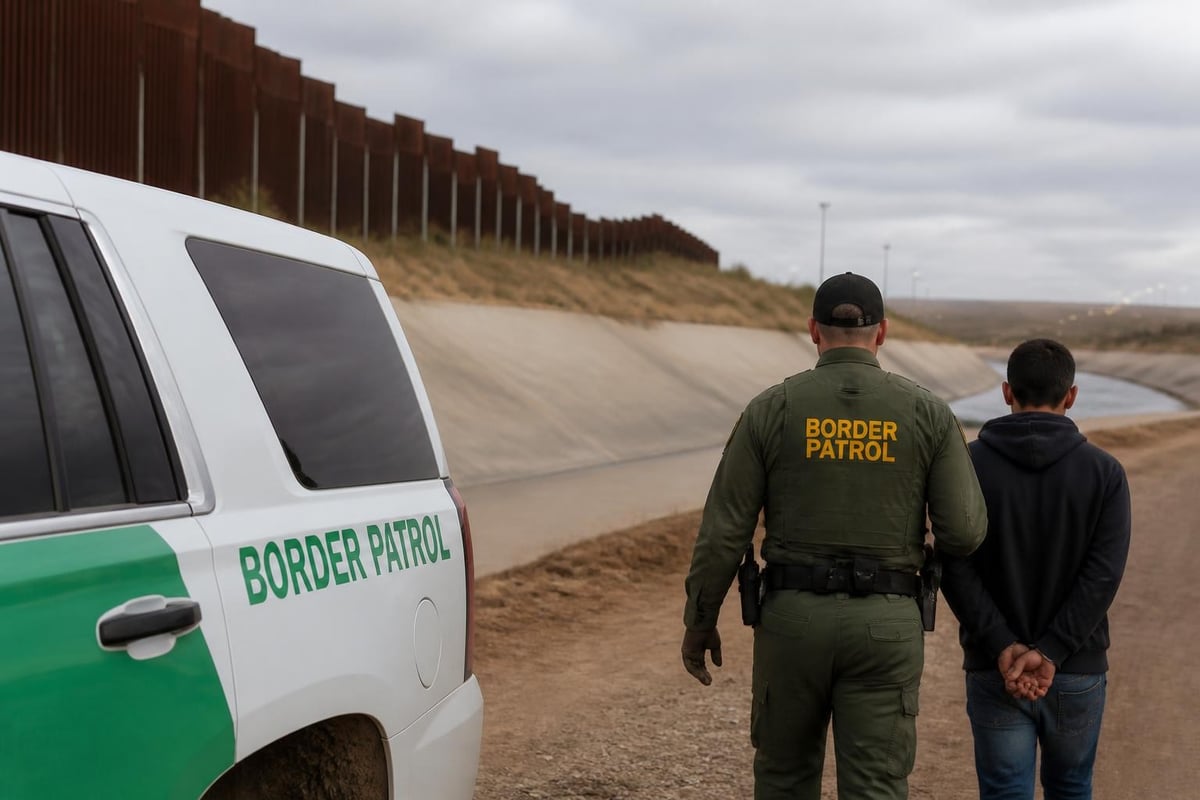
Border enforcement occurs at ports of entry and between them, focusing on immediate interdiction. Personnel check documents, screen travelers, and apprehend unauthorized crossers.
Interior enforcement operates within the United States, identifying and removing individuals who:
- Overstayed temporary visas (the largest source of unauthorized presence)
- Violated terms of admission or legal status
- Committed crimes warranting removal under immigration law
- Failed to depart after receiving removal orders
This distinction matters because border security typically receives more political attention despite visa overstays comprising a significant portion of unauthorized immigration.
Due Process and Protection Standards
Immigration policy establishes procedural protections for those seeking admission or resisting removal:
| Protection Type | Application | Legal Basis |
|---|---|---|
| Asylum hearings | Credible fear interviews, full hearings | U.S. law, international treaties |
| Immigration court proceedings | Removal defense, relief applications | Immigration and Nationality Act |
| Appeals processes | Board of Immigration Appeals, federal courts | Administrative and judicial review |
| Legal representation | Access to counsel (at own expense) | Constitutional and statutory rights |
Border security operations must balance efficiency with these legal protections. The UNHCR has warned that border closure policies risking asylum access set dangerous precedents affecting international protection systems.
Presidential Administration Approaches
Immigration policy vs border security policy comparisons shift dramatically with each presidential administration, reflecting different philosophical approaches to migration management.
Executive Priority Setting
Presidents exercise significant discretion in balancing enforcement against legal pathway expansion. Recent administrations have demonstrated:
Enforcement-first approaches:
- Maximize border infrastructure investment
- Increase detention capacity and expedited removal
- Restrict asylum eligibility through regulatory changes
- Reduce refugee admissions ceilings
- Emphasize interior enforcement operations
Pathway-focused approaches:
- Expand temporary protected status for certain nationalities
- Streamline legal immigration processing
- Increase refugee resettlement targets
- Create prosecutorial discretion programs
- Invest in immigration court efficiency
Stanford Public Pulse research reveals that American voters frequently want both approaches simultaneously, creating political challenges for any administration seeking to claim success.
Policy Implementation Challenges
Translating presidential priorities into operational reality faces several obstacles:
- Bureaucratic capacity constraints limiting how quickly agencies can shift direction
- Congressional appropriations control over funding and staffing levels
- Federal court oversight of enforcement actions and regulatory changes
- State and local cooperation affecting interior enforcement effectiveness
- International diplomacy necessary for returns and regional cooperation
These implementation challenges mean that immigration policy vs border security policy comparisons require examining actual outcomes, not just stated priorities. Presidential rhetoric often exceeds administrative capacity to deliver rapid change.
Regional and International Dimensions
Immigration and border security policies operate within broader regional migration systems. U.S. policy choices affect and respond to conditions in source countries, transit nations, and international protection frameworks.
Root Causes and Regional Cooperation
Effective migration management increasingly requires addressing conditions driving emigration:
- Economic instability and lack of opportunity
- Political persecution and authoritarian governance
- Gang violence and endemic insecurity
- Climate change impacts on agriculture and livelihoods
- Demographic pressures and population growth
Presidential administrations have varied in their emphasis on addressing these root causes versus focusing solely on border interdiction. Some have invested in Central American development programs alongside border security, while others have prioritized enforcement alone.
International Asylum and Protection Systems
The United States participates in international protection systems that create obligations beyond domestic discretion. These include:
- The 1951 Refugee Convention and 1967 Protocol
- Regional agreements on processing and burden-sharing
- Safe third country arrangements affecting where individuals apply
- International Organization for Migration coordination
Immigration policy vs border security policy comparisons must account for these international dimensions, as purely unilateral approaches often prove ineffective when migration flows cross multiple jurisdictions.
Measuring Success and Effectiveness
Evaluating immigration policy vs border security policy comparisons requires clear metrics, though political debates often lack agreement on appropriate measures.
Border Security Metrics
Traditional border security metrics focus on:
- Apprehension numbers indicating interdiction effectiveness or flow volume
- Got-away estimates from sensor data and agent observations
- Seizures of contraband including drugs and other illegal goods
- Processing times at ports of entry affecting trade and travel
- Recidivism rates showing repeat crossing attempts
These metrics tell only part of the story. High apprehensions might indicate either increased flows or enhanced enforcement capacity. Lower numbers could reflect successful deterrence or alternative crossing methods.
Immigration Policy Success Indicators
Immigration policy effectiveness involves different measures:
| Metric | What It Measures | Why It Matters |
|---|---|---|
| Processing times | Application adjudication speed | Access to legal pathways |
| Visa overstay rates | Compliance with admission terms | System integrity |
| Refugee resettlement numbers | Humanitarian protection delivered | International obligations |
| Family reunification backlogs | Wait times for approved petitions | Policy implementation effectiveness |
| Naturalization rates | Immigrant integration success | Long-term policy outcomes |
Presidential administrations emphasize different metrics based on their policy priorities, making objective comparisons challenging across administrations.
Future Considerations for Policy Reform
Immigration policy vs border security policy comparisons will continue shaping presidential politics and governance challenges. Several trends will influence future debates:
Demographic and economic factors:
- Aging U.S. workforce requiring immigrant labor supplementation
- Skill mismatches between native workers and economic needs
- Regional labor shortages in agriculture, healthcare, and services
- Fertility rate declines affecting long-term population growth
Technology and enforcement capabilities:
- Biometric screening expansion at all entry points
- Artificial intelligence applications in fraud detection
- Enhanced surveillance capabilities along borders
- Digital application and tracking systems
Global migration pressures:
- Climate displacement increasing worldwide migration
- Political instability in multiple regions
- Economic inequality driving emigration from developing nations
- Pandemic and health security considerations
Presidential candidates and administrations will continue navigating the tension between these forces, seeking policies that simultaneously maintain security, meet economic needs, and uphold humanitarian values.
Political Trade-offs and Compromise Approaches
Successful immigration reform requires acknowledging that immigration policy vs border security policy comparisons often present false choices. Comprehensive approaches typically combine elements from both frameworks.
Historical Reform Attempts
Past bipartisan reform efforts have attempted to package:
- Enhanced border security funding and technology
- Legalization pathways for certain unauthorized populations
- Expanded legal immigration channels and visa numbers
- Mandatory employer verification systems
- Guest worker programs addressing seasonal labor needs
These comprehensive packages recognize that border security alone cannot manage migration pressures without adequate legal pathways, while legal immigration expansion requires enforcement credibility.
State and Local Policy Variations
Federal immigration and border policy increasingly interacts with state and local approaches. Some jurisdictions have:
- Adopted sanctuary policies limiting cooperation with federal immigration enforcement
- Required state and local law enforcement to assist federal authorities
- Provided state-funded services to unauthorized immigrants
- Restricted access to certain benefits based on immigration status
These variations create a patchwork affecting how federal policies operate in practice, adding complexity to immigration policy vs border security policy comparisons.
Understanding immigration policy vs border security policy comparisons clarifies how these distinct but related frameworks shape America's approach to migration management. While border security focuses on enforcement and interdiction, immigration policy establishes legal pathways serving national interests. For comprehensive coverage of how presidential administrations balance these priorities and shape American governance, U.S. Presidential Report provides non-partisan analysis of current and past presidential approaches to immigration, border security, and other critical policy debates. Stay informed about how presidential leadership continues to define America's migration policies.