When the president speaks today, millions of Americans tune in to hear messages that shape national discourse, influence policy debates, and set the tone for government priorities. Presidential addresses carry significant weight in American democracy, serving as direct communication between the nation's highest office and the public. Understanding the various formats, contexts, and implications of these communications helps citizens stay informed about the direction of their government and the issues that matter most to their communities.
Understanding Presidential Communication Formats
The American presidency has evolved numerous methods for communicating with the public, each serving distinct purposes and reaching different audiences. Modern presidents utilize everything from formal addresses to social media posts, creating a complex web of messaging strategies.
Formal Addresses and Their Significance
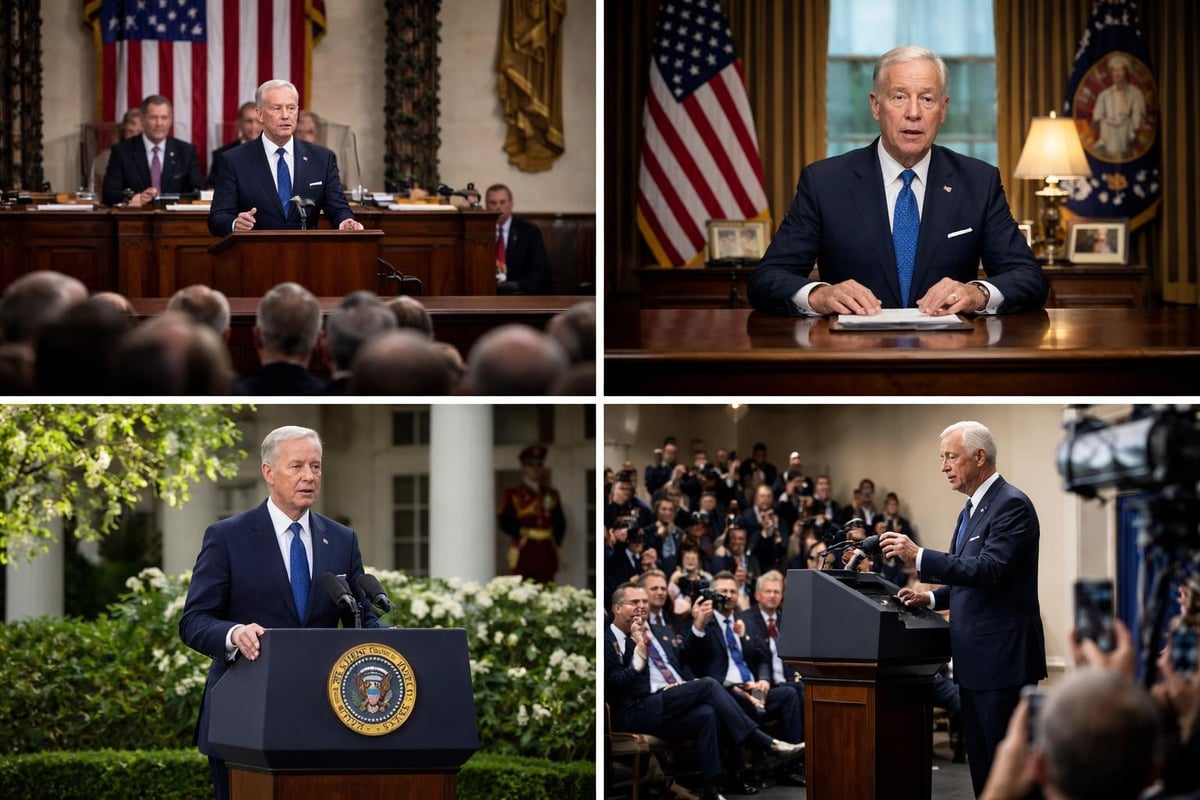
Presidential speeches fall into several categories, with each format carrying its own level of formality and importance. The State of the Union address represents the most significant annual speech, delivered to a joint session of Congress and broadcast nationwide. These constitutionally mandated addresses outline legislative priorities, celebrate achievements, and present the administration's vision for the nation.
Oval Office addresses typically occur during times of national crisis or when discussing matters of exceptional importance. The formal setting, with the president seated at the Resolute Desk, conveys gravity and solemnity. Recent examples include addresses about military operations, economic emergencies, and public health crises.
Rose Garden announcements offer a less formal but still official setting for policy rollouts, personnel announcements, and legislative victories. The outdoor environment provides visual variety while maintaining presidential authority. When the president speaks today from the Rose Garden, it often signals a celebration or positive development rather than a crisis response.
Daily Communications and Press Interactions
Beyond major speeches, presidents engage in regular communication through press briefings, gaggle sessions, and informal remarks. The White House Press Secretary serves as the primary conduit for daily information flow, fielding questions from journalists and clarifying administration positions.
Presidents frequently deliver impromptu remarks when departing for travel, signing legislation, or meeting with foreign leaders. These unscripted moments often generate significant news coverage and reveal the president's unfiltered thoughts on current events.
| Communication Type | Frequency | Level of Formality | Primary Purpose |
|---|---|---|---|
| State of the Union | Annual | Highest | Legislative agenda |
| Oval Office Address | Occasional | Very High | Crisis response |
| Rose Garden Speech | Monthly | High | Policy announcements |
| Press Conference | Quarterly | Moderate | Direct Q&A |
| Departure Remarks | Weekly | Low | Brief updates |
Why Presidential Speeches Matter
Presidential communications serve multiple critical functions in American governance, extending far beyond simple information dissemination. These speeches shape public opinion, move financial markets, influence diplomatic relations, and set legislative priorities for Congress.
Impact on Policy and Legislation
When the president speaks today about specific policy initiatives, the words carry legislative weight. Congressional allies use presidential speeches to justify their votes, while opponents prepare counterarguments. Presidential endorsement of legislation significantly increases its chances of passage, particularly when the president's party controls one or both chambers of Congress.
Executive orders often accompany major addresses, transforming presidential rhetoric into immediate action. These orders bypass Congress entirely, allowing presidents to implement policies within their executive authority. Recent presidents have used this power extensively, addressing issues from immigration to environmental protection.
Public support generated by effective speeches provides political capital for pursuing difficult reforms. Presidents frequently travel the country after major addresses, amplifying their messages and building grassroots momentum. This "barnstorming" approach connects national priorities with local concerns.
Economic and Market Reactions
Financial markets react instantly when the president speaks today about economic matters. Trade policy announcements, regulatory changes, and fiscal proposals can trigger significant market movements within minutes of delivery. Traders and analysts parse presidential language for hints about future actions, adjusting positions accordingly.
Consumer confidence correlates with presidential messaging about economic conditions. Optimistic speeches about job growth and economic strength tend to boost sentiment, while warnings about challenges can dampen enthusiasm. This psychological impact influences spending patterns and business investment decisions across domestic policy areas.
International economic relationships shift based on presidential trade rhetoric. Announcements about tariffs, trade agreements, or sanctions immediately affect currency values and commodity prices globally.
The Historical Evolution of Presidential Communication
Presidential communication methods have transformed dramatically since the nation's founding, adapting to technological advances and changing public expectations. Understanding this evolution provides context for contemporary practices.
From Written Messages to Digital Broadcasts
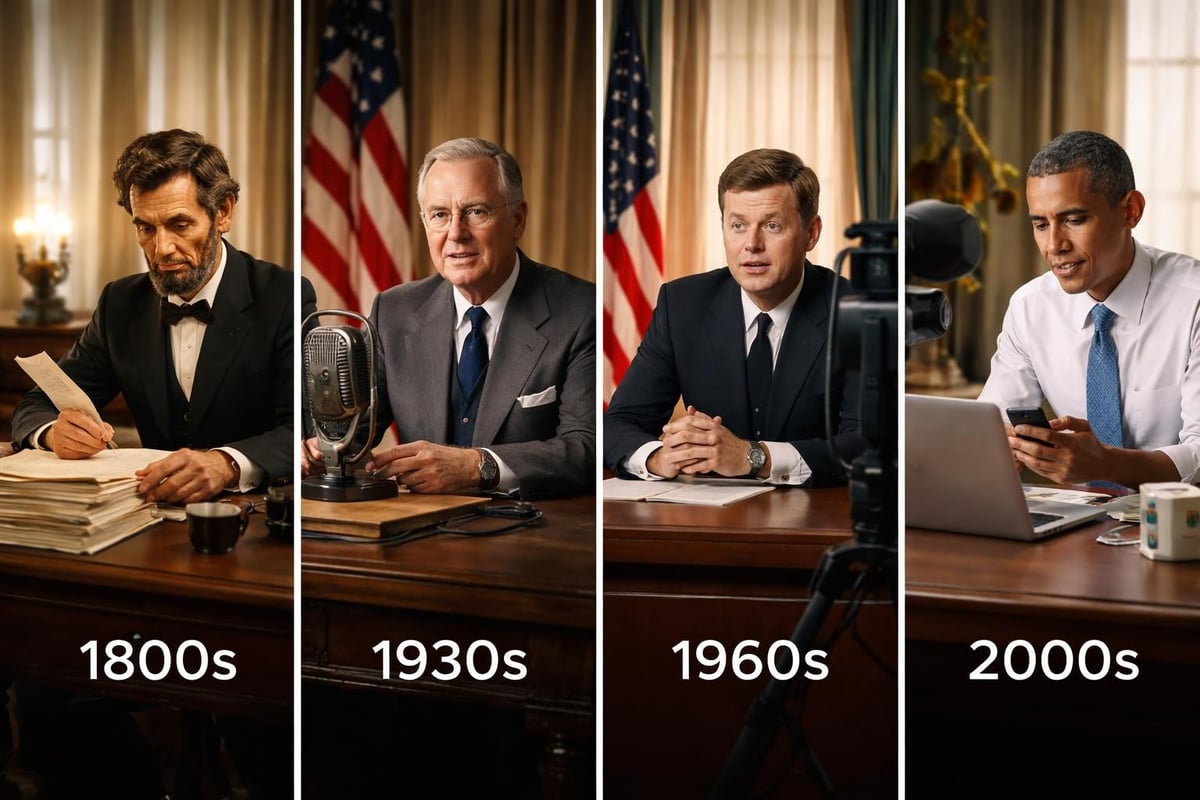
Early presidents relied exclusively on written messages delivered to Congress and published in newspapers. George Washington established the precedent of an annual address, though he delivered it in person rather than in writing. The tradition shifted under Thomas Jefferson, who sent written messages for over a century.
Radio revolutionized presidential communication in the 1920s and 1930s. Franklin Roosevelt's fireside chats demonstrated the power of direct audio connection with citizens, creating an intimate relationship despite the mass medium. These weekly addresses became a model for future presidents seeking to bypass traditional media filters.
Television added visual elements starting in the 1950s, making presidential appearance and delivery as important as content. John F. Kennedy's televised press conferences and debates showcased the medium's political potential. Presidents who mastered television communication gained significant advantages over those who struggled with the format.
Modern Digital Communication Strategies
The internet era transformed presidential communication yet again, enabling instant global dissemination and direct citizen engagement. Presidents now maintain active social media presences, posting updates, photos, and videos throughout each day. When the president speaks today, clips circulate online within seconds, reaching audiences far beyond traditional broadcast viewers.
White House websites publish full transcripts and videos of every public appearance, creating permanent archives accessible to anyone. This transparency represents a dramatic shift from earlier eras when citizens relied entirely on journalistic mediation.
Live streaming technology allows real-time viewing of events without network gatekeepers. Presidential rallies, policy announcements, and ceremonial functions reach unlimited audiences through multiple platforms simultaneously.
Preparing for Major Presidential Addresses
Significant presidential speeches require extensive preparation involving dozens of staff members, multiple drafts, and careful strategic planning. The process reveals the collaborative nature of modern presidential communication.
The Speechwriting Process
Professional speechwriters work closely with policy advisors, political strategists, and the president to craft major addresses. Initial drafts begin weeks in advance for major speeches, incorporating policy details, rhetorical flourishes, and political messaging. The president typically reviews multiple versions, adding personal touches and adjusting language to match their speaking style.
Research teams verify facts, gather supporting statistics, and identify compelling stories that illustrate broader points. These human interest elements connect abstract policies to real people, making speeches more relatable and memorable. Fact-checkers ensure accuracy to maintain credibility and avoid embarrassing corrections.
Senior advisors debate messaging strategy, balancing idealism with pragmatism. Speeches must inspire while remaining achievable, challenge opponents without appearing partisan, and maintain consistency with previous statements. This delicate balance requires extensive negotiation among competing viewpoints within the administration.
Technical and Logistical Considerations
Teleprompter placement, camera angles, and audience composition all receive careful attention. The president's advance team scouts locations, tests equipment, and coordinates with Secret Service for security protocols. Backup systems ensure technical failures cannot derail important addresses.
Timing considerations include news cycle positioning, congressional schedules, and international time zones. Presidents avoid scheduling major speeches opposite significant sporting events or during periods when target audiences are otherwise occupied. Evening addresses maximize viewership by accommodating work schedules.
Media coordination involves briefing journalists, distributing advance excerpts, and scheduling post-speech analysis opportunities. The White House communications team works to shape coverage framing and emphasize key takeaways.
Different Contexts for Presidential Remarks
The setting and circumstances when the president speaks today significantly influence message content, tone, and reception. Context determines everything from dress code to rhetorical approach.
Crisis Communications
Emergency addresses require immediate response to disasters, attacks, or other urgent situations. Presidents must project calm authority while acknowledging public fear and uncertainty. These speeches balance factual information about the crisis with reassurance about government response capabilities.
Natural disasters trigger presidential visits and addresses from affected areas, demonstrating federal commitment to recovery efforts. The symbolism of presidential presence often matters as much as specific policy announcements. Citizens expect visible leadership during difficult times.
National security threats demand carefully calibrated messages that inform without creating panic. Presidents work with intelligence officials to determine what information can be safely disclosed. Oversharing risks compromising sources, while excessive secrecy breeds distrust.
Ceremonial and Commemorative Speeches
Presidential remarks at memorial services, award ceremonies, and national observances fulfill the ceremonial chief of state role. These addresses often transcend partisan politics, celebrating shared values and honoring service or sacrifice. The tone shifts from policy advocacy to national unity and reflection.
Veterans Day, Memorial Day, and similar occasions allow presidents to acknowledge military service and sacrifice. These speeches reinforce civilian-military bonds and articulate national gratitude. Historical references connect contemporary service to American military traditions.
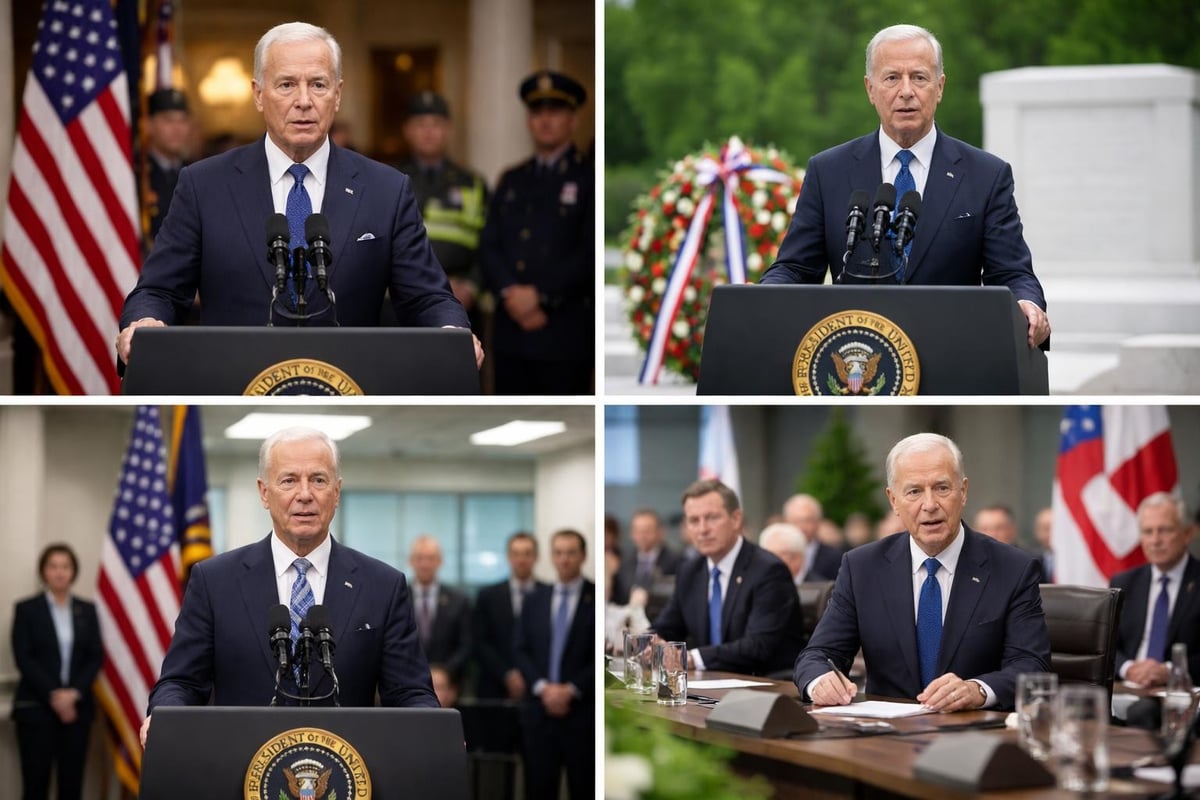
Cultural celebrations and achievements provide opportunities for inspirational messages about American potential. Presidents welcome championship sports teams, celebrate scientific breakthroughs, and recognize exceptional citizens. These positive moments offer relief from policy battles and partisan conflict.
International Addresses and Diplomatic Speeches
When traveling abroad, presidential speeches address both American and international audiences simultaneously. Recent diplomatic exchanges demonstrate how presidential words shape bilateral relationships and multilateral cooperation. Messages must resonate across cultural boundaries while maintaining American interests.
United Nations addresses present the administration's foreign policy vision to the global community. These speeches outline positions on international challenges, announce new initiatives, and respond to critics. The worldwide audience demands careful language that acknowledges diverse perspectives.
NATO summits, G7 meetings, and similar gatherings provide platforms for reinforcing alliances and coordinating responses to shared threats. Presidential remarks at these events signal American commitment to international cooperation or, conversely, shifts toward unilateralism.
How Citizens Can Access and Interpret Presidential Speeches
Informed citizens actively seek out presidential communications rather than relying solely on media interpretation. Multiple resources provide direct access to presidential words and supporting context.
Official White House Resources
The White House website maintains comprehensive archives of presidential speeches, statements, and proclamations. Full transcripts appear within hours of delivery, allowing detailed review of exact language. Video recordings preserve delivery style, tone, and non-verbal communication.
Email subscriptions and mobile app notifications alert interested citizens when the president speaks today or releases significant statements. These direct channels eliminate media filtering, though they also lack critical analysis.
Social media accounts operated by the White House and president offer real-time updates, behind-the-scenes content, and direct engagement opportunities. Citizens can share, comment, and participate in digital town halls.
Independent Analysis and Fact-Checking
Multiple non-partisan organizations provide fact-checking services for presidential claims. These resources help citizens distinguish accurate statements from exaggerations, mischaracterizations, or outright falsehoods. Understanding the factual basis for presidential assertions enables more informed political participation.
Think tanks across the ideological spectrum publish analyses of major addresses, offering varying perspectives on proposals and rhetoric. Reading multiple viewpoints helps citizens understand policy complexities and competing approaches to national challenges.
Academic institutions archive and study presidential speeches as historical documents, providing long-term perspective on communication patterns and rhetorical evolution. Compilations of speeches from individual presidents reveal consistency, growth, and adaptation over time.
The Role of Presidential Communication in Democracy
Presidential speeches serve essential democratic functions beyond immediate policy impacts. These communications educate citizens, facilitate public deliberation, and maintain accountability between government and governed.
Civic Education and Public Engagement
Major addresses introduce complex policy issues to mass audiences, simplifying without oversimplifying. Presidents explain legislative proposals, international agreements, and executive actions in accessible language. This educational function helps citizens understand government operations and policy rationales.
When the president speaks today about economic inequality, climate change, or healthcare reform, millions gain exposure to issues they might otherwise ignore. Presidential attention elevates topics on the national agenda, sparking conversations in homes, workplaces, and communities nationwide.
Call-to-action elements in speeches mobilize citizens for civic participation. Presidents encourage contacting Congress, volunteering for causes, or supporting specific initiatives. This activation transforms passive listeners into engaged participants in democratic processes.
Transparency and Accountability
Public addresses create records that journalists, historians, and political opponents use to hold presidents accountable. Broken promises, shifting positions, and contradictory statements become evidence of presidential credibility or its absence. The permanent nature of recorded speeches constrains presidential flexibility while enhancing democratic oversight.
Press conferences force presidents to defend decisions and respond to criticism directly. The question-and-answer format prevents total message control, revealing how presidents handle pressure and unexpected challenges. These interactions demonstrate respect for journalistic scrutiny and public accountability.
Regular communication maintains visibility and accessibility, countering perceptions of presidential isolation from everyday American life. Citizens expect their president to explain actions, acknowledge mistakes, and respond to concerns. Silence or excessive secrecy erodes trust and democratic legitimacy.
Contemporary Challenges in Presidential Communication
Modern presidents face unprecedented communication challenges, from information overload to hostile media environments. Successfully navigating these obstacles requires strategic adaptation and innovative approaches.
Fragmented Media Landscape
The proliferation of media outlets and platforms makes reaching unified national audiences increasingly difficult. Americans consume news from dramatically different sources, creating parallel information ecosystems with minimal overlap. When the president speaks today, some citizens never encounter the message while others see only selectively edited clips.
Partisan media outlets filter presidential communications through ideological lenses, reinforcing existing viewer beliefs rather than presenting balanced coverage. This polarization limits presidential ability to persuade across party lines, even when proposing moderate or bipartisan initiatives.
Misinformation and disinformation spread rapidly through social media, often outpacing official corrections. False claims about presidential statements circulate widely, creating confusion and undermining legitimate messages. Presidents must devote resources to combating fabricated content and clarifying actual positions.
Maintaining Message Discipline
The 24-hour news cycle and instant social media reaction demand constant message discipline from presidents and their teams. A single off-script remark or poorly worded phrase can dominate coverage for days, overwhelming intended messages. This pressure creates tension between authenticity and careful calculation.
Leaked drafts and internal deliberations complicate message control, as journalists and opponents use preliminary versions to undermine final products. The collaborative speechwriting process becomes vulnerable to exploitation when confidentiality breaks down.
Competing priorities within administrations sometimes produce contradictory messages from different officials. When cabinet secretaries or White House aides make statements inconsistent with presidential remarks, public confusion results. Maintaining unified communication requires strong central coordination.
Future Trends in Presidential Communication
Presidential communication continues evolving with technological and social changes. Emerging platforms, shifting demographics, and new expectations will shape how future presidents connect with citizens.
Technological Innovation
Virtual reality and augmented reality technologies may eventually enable immersive presidential addresses, placing citizens virtually in the same room as the president. These innovations could recreate the intimacy of Franklin Roosevelt's fireside chats while leveraging modern capabilities.
Artificial intelligence tools might personalize presidential messages for individual recipients, adjusting language, examples, and emphasis based on demographic data and stated preferences. This customization could enhance relevance while raising ethical questions about manipulation and authenticity.
Holographic technology could allow simultaneous physical presence in multiple locations, enabling presidents to address diverse audiences personally rather than relying on video transmission. This science fiction scenario inches closer to reality as display technology advances.
Evolving Audience Expectations
Younger generations expect interactive, conversational communication rather than one-way broadcasting. Future presidents may need to incorporate more dialogue, real-time feedback, and collaborative elements into their communication strategies. Traditional formal addresses might decline in favor of town halls and Q&A sessions.
Demand for authenticity and transparency will likely intensify, rewarding presidents who communicate genuinely and punishing those perceived as overly scripted or calculating. This tension between professionalism and authenticity will challenge communication teams seeking to balance spontaneity with strategic messaging.
Increased scrutiny of presidential rhetoric and fact-checking will require even greater precision and accuracy. Citizens armed with instant information access can immediately verify claims, forcing presidents toward more conservative assertions and careful language.
Understanding what happens when the president speaks today equips citizens to engage more effectively with American democracy and evaluate presidential leadership. Whether addressing crises, proposing policies, or fulfilling ceremonial duties, presidential communications shape national discourse and government direction in profound ways. For comprehensive, non-partisan coverage of presidential news and analysis of how current and past presidents communicate with the American people, visit U.S. Presidential Report to stay informed about the issues that matter most to our nation's governance.