The political landscape surrounding the 2024 presidential election underwent significant shifts as potential candidates weighed their options and assessed their chances. Among those who ultimately decided against entering the race was Mike Pompeo, former Secretary of State under President Donald Trump, whose name had circulated prominently in discussions about Republican contenders. The mike pompeo 2024 speculation dominated political conversations for months before he made his final decision, leaving many Republicans wondering how the primary field would reshape itself without his participation.
The Background of Mike Pompeo's Political Career
Before understanding the significance of his decision regarding the 2024 race, examining Mike Pompeo's extensive political resume provides essential context. His career trajectory positioned him as a serious contender with substantial credentials.
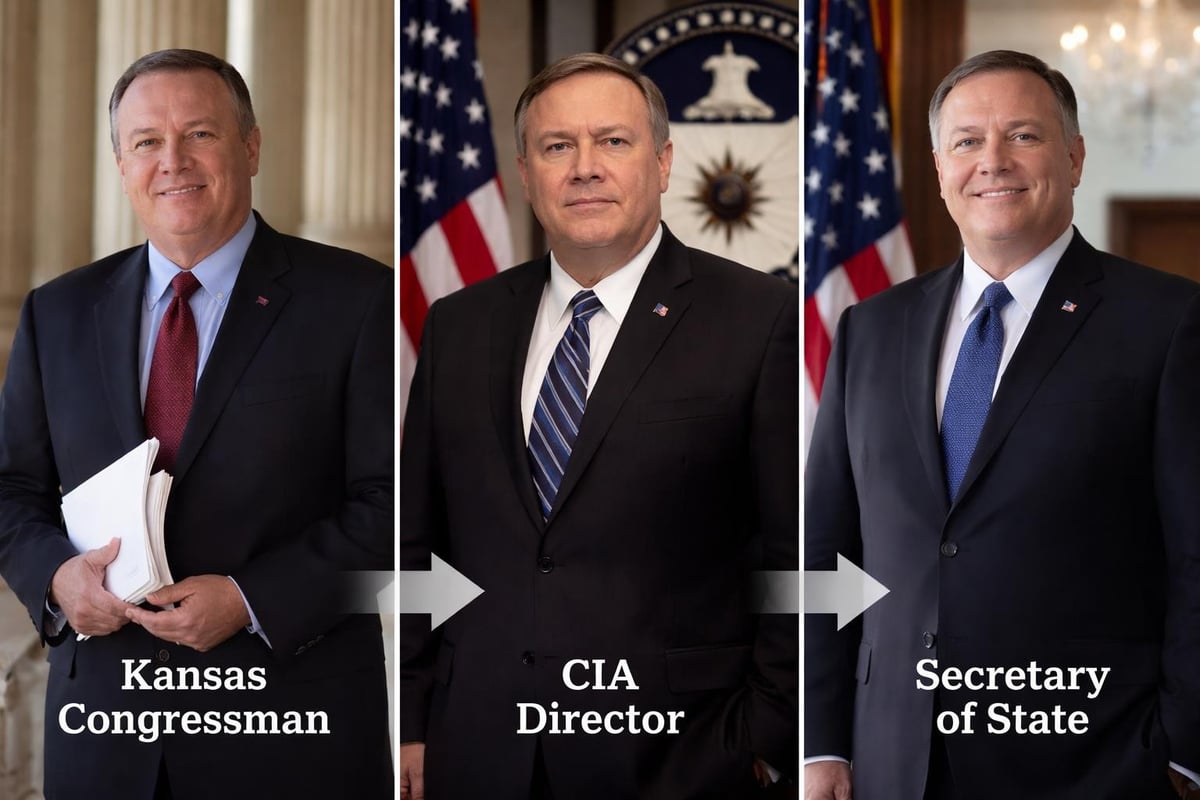
From Congress to CIA Director
Mike Pompeo's political journey began when he represented Kansas's 4th congressional district from 2011 to 2017. During his time in Congress, he served on the House Intelligence Committee and established himself as a conservative voice on national security matters. His legislative record emphasized fiscal responsibility, strong defense policies, and skepticism toward international agreements that he viewed as contrary to American interests.
President Trump selected Pompeo to lead the Central Intelligence Agency in 2017, recognizing his intelligence committee experience and alignment with the administration's foreign policy vision. As CIA Director, Pompeo managed critical national security challenges and developed a close working relationship with Trump.
Secretary of State Tenure
In 2018, Pompeo transitioned to become the 70th Secretary of State, where he implemented Trump's "America First" foreign policy agenda. His tenure included:
- Negotiating with North Korean leader Kim Jong Un
- Withdrawing from the Iran nuclear deal
- Relocating the U.S. embassy in Israel to Jerusalem
- Managing relationships with China during escalating tensions
- Overseeing diplomatic efforts during the COVID-19 pandemic
His aggressive approach to international diplomacy and unwavering support for Trump's policies made him a recognizable figure within Republican circles, building name recognition that could translate into presidential campaign support.
The Mike Pompeo 2024 Presidential Speculation
Throughout 2022 and early 2023, political observers closely monitored Pompeo's activities for signs of presidential ambitions. The mike pompeo 2024 conversation intensified as he engaged in activities typical of prospective candidates.
Early Campaign Signals
Pompeo established a political action committee called CAVPAC (Champion American Values PAC), which allowed him to raise funds and support Republican candidates nationwide. This infrastructure-building exercise mirrored the preliminary steps taken by other presidential hopefuls. He traveled extensively, visiting early primary states like Iowa and New Hampshire, delivering speeches at Republican events, and meeting with donors and party activists.
His public appearances featured consistent messaging about conservative values, American strength, and criticism of the Biden administration's policies. These activities suggested serious consideration of a presidential run, and reports indicated he was weighing his options carefully throughout this period.
The Trump Factor
One complicating element in any mike pompeo 2024 scenario was Donald Trump's relationship with his former Cabinet member. While Pompeo loyally served in the Trump administration, their relationship showed signs of strain after Trump left office. Pompeo occasionally criticized aspects of Trump's approach without directly attacking the former president, walking a delicate line that many potential 2024 candidates attempted to navigate.
Pompeo’s considerations about running were inevitably influenced by whether Trump would enter the race. Running against a former boss who maintained strong support among the Republican base presented significant strategic challenges that required careful evaluation.
The Decision Not to Run
In April 2023, Mike Pompeo made his definitive announcement that he would not pursue the presidency in 2024, ending months of speculation about his intentions.
Official Announcement Details
Pompeo revealed his decision through various media channels, explaining that this was not the right time for him to seek the nation's highest office. His statement emphasized that the choice was deeply personal and involved considerations about his family, his current work, and the political environment.
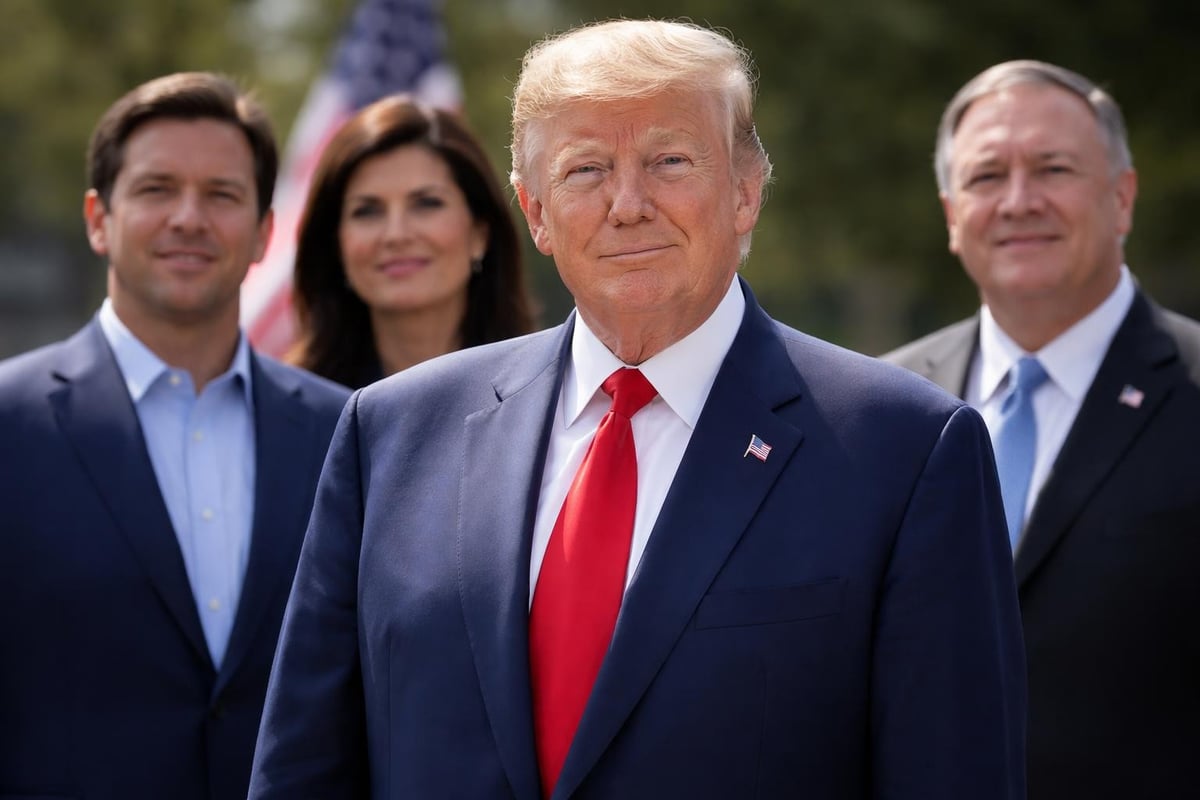
The announcement came as several other candidates were already building their campaign infrastructures, including Florida Governor Ron DeSantis, former South Carolina Governor Nikki Haley, and entrepreneur Vivek Ramaswamy. Trump had already declared his candidacy in November 2022, further solidifying the field Pompeo would have faced.
Factors Influencing the Decision
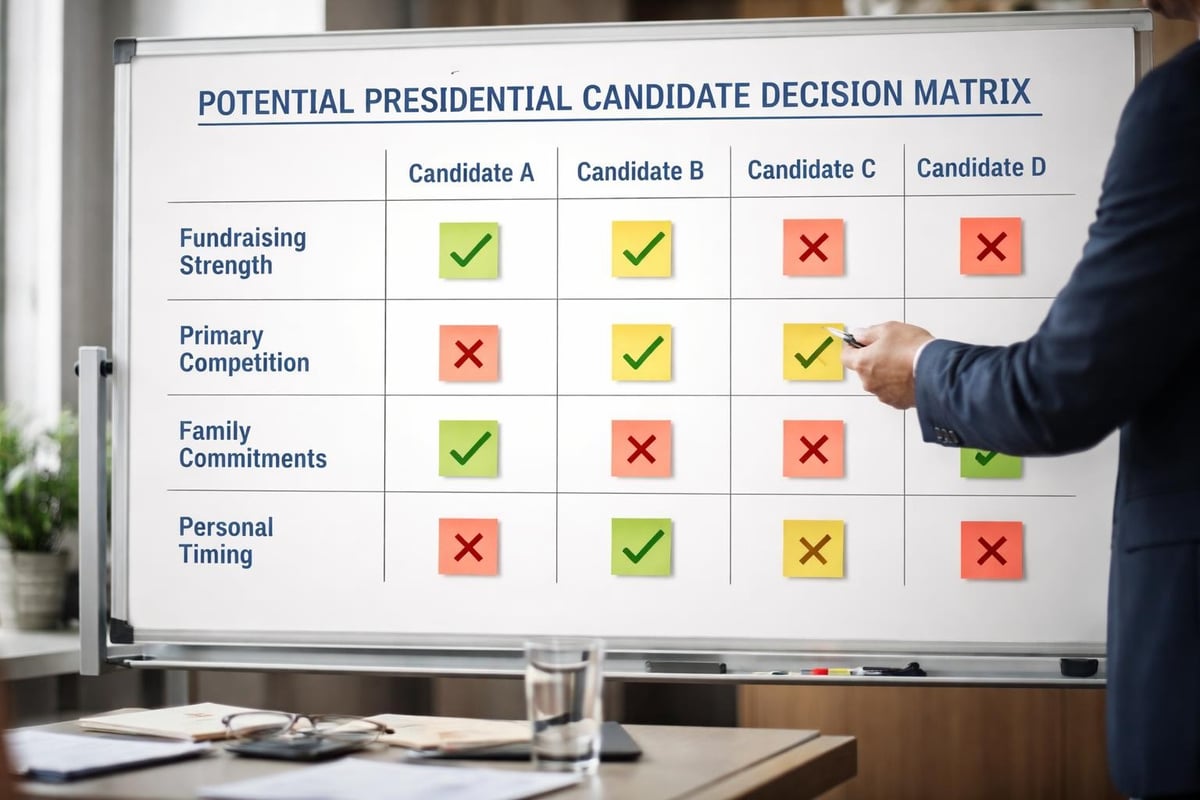
Multiple elements likely contributed to Pompeo's calculation. The mike pompeo 2024 feasibility analysis would have included:
| Factor | Impact on Decision |
|---|---|
| Trump's Candidacy | Difficult to compete against former boss with loyal base |
| Fundraising Challenges | Established candidates already securing major donors |
| Name Recognition | Lower visibility compared to governors and Trump |
| Family Considerations | Personal time and commitment required for campaign |
| Alternative Opportunities | Ability to influence politics through other means |
Political analysts noted that Pompeo's path to the nomination appeared narrow given the crowded field and Trump's dominance in early polling. Rather than wage an uphill battle with limited chances of success, stepping aside allowed him to preserve his political capital for future endeavors.
Impact on the Republican Primary Field
Pompeo's absence from the 2024 race influenced the Republican primary dynamics in several ways, though perhaps less dramatically than if he had been a top-tier candidate.
Consolidation of Establishment Support
Without Pompeo in the race, Republican voters and donors who valued foreign policy expertise and traditional conservative governance had fewer options. Some of this support likely flowed to candidates like Nikki Haley, who also served in the Trump administration as UN Ambassador, or to governors with executive experience managing state-level challenges.
The mike pompeo 2024 withdrawal meant one less voice articulating a hawkish foreign policy vision distinct from Trump's more isolationist tendencies. This created space for other candidates to claim that territory, though none possessed Pompeo's identical credentials as both CIA Director and Secretary of State.
Media Attention Shifts
Political media coverage that might have focused on Pompeo's campaign activities instead concentrated on the candidates who did enter the race. This allowed figures like DeSantis, Haley, and later entries to capture more sustained attention during the crucial early campaign period.
For audiences following presidential election developments, the absence of Pompeo simplified the analysis of the Republican field, though it also removed an experienced policymaker who could have enriched the debate on international affairs and national security.
Pompeo's Activities After Declining to Run
Rather than disappearing from public life, Pompeo remained active in conservative circles following his decision not to pursue the presidency.
Media and Commentary Work
Pompeo joined Fox News as a contributor, providing analysis on foreign policy, national security, and political developments. This platform allowed him to maintain visibility and influence public discourse without the demands of campaigning. His commentary frequently criticized the Biden administration's approach to international challenges, particularly regarding China, Iran, and border security.
He also authored a book titled "Never Give an Inch: Fighting for the America I Love," which detailed his experiences in the Trump administration and outlined his vision for American leadership. The book tour provided opportunities to connect with conservative audiences and reinforce his policy positions.
Speaking Engagements and Political Involvement
Pompeo continued delivering speeches at Republican events, fundraising for candidates aligned with his views, and participating in policy discussions through think tanks and advocacy organizations. These activities maintained his relevance within the party while allowing him greater flexibility than a presidential campaign would permit.
His CAVPAC continued supporting Republican candidates in congressional and state-level races, building relationships that could prove valuable for future political endeavors. This approach demonstrated that declining to run in 2024 did not signal retirement from political engagement.
Lessons from the Mike Pompeo 2024 Scenario
The arc of Pompeo's presidential considerations offers insights into modern campaign dynamics and decision-making processes for potential candidates.
Timing and Opportunity Windows
Political timing matters enormously. The mike pompeo 2024 situation illustrated how candidate decisions interconnect. Trump's early announcement and strong polling effectively narrowed opportunities for others with similar voter bases. Candidates who waited to assess the field sometimes found their lanes already occupied.
Presidential campaigns require years of preparation, relationship building, and resource accumulation. Those who hesitate while others move forward often discover that recovering lost ground becomes prohibitively difficult.
The Challenge of Running Against a Former Boss
Pompeo faced unique complications in potentially challenging Trump, his former superior who maintained loyalty among the Republican base. This dynamic affected several Trump administration alumni who considered 2024 bids. Navigating criticism of Trump while acknowledging past service created messaging challenges with limited precedent.
Successful campaigns require clear, compelling narratives. Former administration officials struggled to articulate why they represented better choices than the president they served, particularly when that president remained popular with primary voters.
Comparative Analysis With Other Non-Candidates
Pompeo was not alone in considering but ultimately declining a 2024 presidential run. Comparing his situation with others provides additional perspective.
Other Republicans Who Passed on 2024
Several prominent Republicans evaluated presidential bids before deciding against them:
- Governor Glenn Youngkin (Virginia): Chose to focus on governing Virginia rather than immediately pursuing national office
- Senator Tom Cotton (Arkansas): Decided against running despite strong conservative credentials
- Governor Chris Sununu (New Hampshire): Declined despite governing an early primary state
- Former Vice President Mike Pence: Initially ran but withdrew after struggling to gain traction
Each faced different calculations, but common themes emerged around timing, competitiveness against Trump, and alternative paths to influence.
Strategic Patience Versus Immediate Action
Some political figures adopt long-term strategic approaches, building credibility and waiting for optimal moments rather than forcing campaigns when conditions seem unfavorable. Pompeo's decision reflects this patience, preserving options for future cycles when circumstances might prove more advantageous.
The mike pompeo 2024 experience demonstrates that not running can sometimes represent the wisest strategic choice, particularly when the path to victory appears extremely narrow and the costs of losing could diminish future opportunities.
Future Political Prospects
While Pompeo declined to run in 2024, his political career likely has not concluded. Several scenarios could unfold in coming years.
Potential 2028 Candidacy
If Trump wins in 2024, the 2028 Republican primary would be an open field without an incumbent. If Trump loses, Republicans might seek a different direction. Either scenario could provide Pompeo with better conditions for a presidential run when he would be 64 years old, still within the typical age range for candidates.
His continued engagement with Republican politics, media presence, and policy advocacy keep him positioned for future consideration. Building on name recognition and refining his message could make a future bid more viable.
Cabinet or Administrative Roles
Should a Republican win the presidency in 2024 or beyond, Pompeo's expertise makes him a natural candidate for senior positions. He could return to Cabinet-level service, potentially as Secretary of Defense given his national security background, or take on other influential roles shaping American policy.
These positions would further enhance his credentials while allowing him to impact governance directly rather than through campaign politics.
Continued Influence Through Other Channels
Pompeo may choose to exercise influence through think tanks, media platforms, business ventures, or advocacy organizations rather than seeking elected office. Many former officials find satisfying and impactful work outside government, shaping debates and mentoring future leaders without electoral pressures.
His experience and perspective provide value in numerous contexts, ensuring relevance regardless of whether he pursues the presidency again.
Media Coverage and Public Perception
The way media outlets and the public processed the mike pompeo 2024 speculation and eventual decision reflects broader patterns in presidential campaign coverage.
Early Speculation Cycles
Modern presidential campaigns begin earlier with each cycle, creating extended periods of speculation about potential candidates. Media coverage treats exploratory activities as significant news, sometimes elevating unlikely candidates while creating expectations that may not match reality.
The Guardian’s reporting on Pompeo's decision exemplified how international media tracks American presidential politics, recognizing the global implications of U.S. leadership choices.
Narrative Construction
Journalists and analysts constructed narratives around Pompeo's potential candidacy based on his background, policy positions, and political relationships. These narratives sometimes exceeded evidence of actual campaign preparation, demonstrating how speculation can create momentum independent of candidate intentions.
For readers following developments through sources like U.S. Presidential Report, distinguishing between genuine campaign activity and speculative coverage becomes increasingly important as election cycles lengthen.
Implications for Presidential Campaign Analysis
The mike pompeo 2024 case study offers lessons for those analyzing presidential campaigns and candidate decision-making.
Not All Speculation Materializes
Political observers should maintain perspective about the difference between potential candidates and actual campaigns. Speculation serves important functions in assessing the political landscape, but many potential candidates ultimately decline to run. Treating all speculation as equally likely to produce candidacies can distort understanding of race dynamics.
Personal Factors Matter
While political calculations dominate campaign analysis, personal and family considerations significantly influence candidate decisions. Pompeo's statement emphasized the personal nature of his choice, reminding observers that political figures balance multiple priorities beyond electoral strategy.
The Field Evolves Dynamically
Presidential primary fields develop through complex interactions between candidate decisions, polling, fundraising, and external events. Each candidate's choice affects others, creating cascading effects. Understanding these dynamics requires tracking not just who runs but also who declines and why, as these decisions reshape competitive landscapes.
Mike Pompeo's decision not to pursue the presidency in 2024 reshaped the Republican primary field and demonstrated how presidential campaigns involve complex strategic calculations beyond simple ambition. His choice reflected personal priorities, political realities, and timing considerations that made 2024 less than ideal despite his substantial credentials. For comprehensive, non-partisan coverage of presidential elections, candidate decisions, and the evolving political landscape surrounding the White House, U.S. Presidential Report provides the latest news and analysis to keep you informed about current and past presidents and the campaigns that shape American governance.